Why Connectivity Matters in Botswana
Botswana is a destination defined by its vast, untamed landscapes. From the winding waterways of the Okavango Delta to the arid expanse of the Kalahari Desert, the country offers some of the most spectacular wildlife viewing on the planet. However, the very remoteness that makes Botswana a bucket-list safari destination can also make staying connected a challenge.
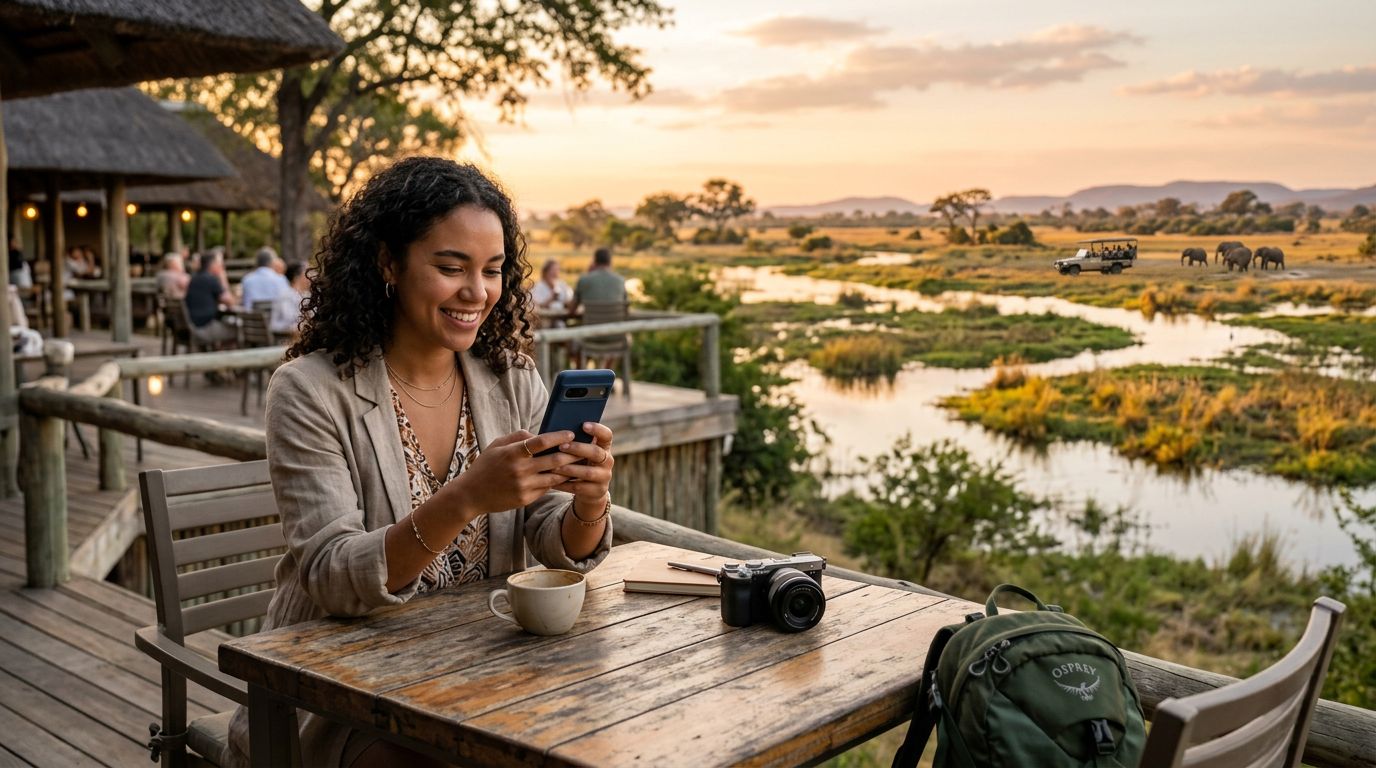
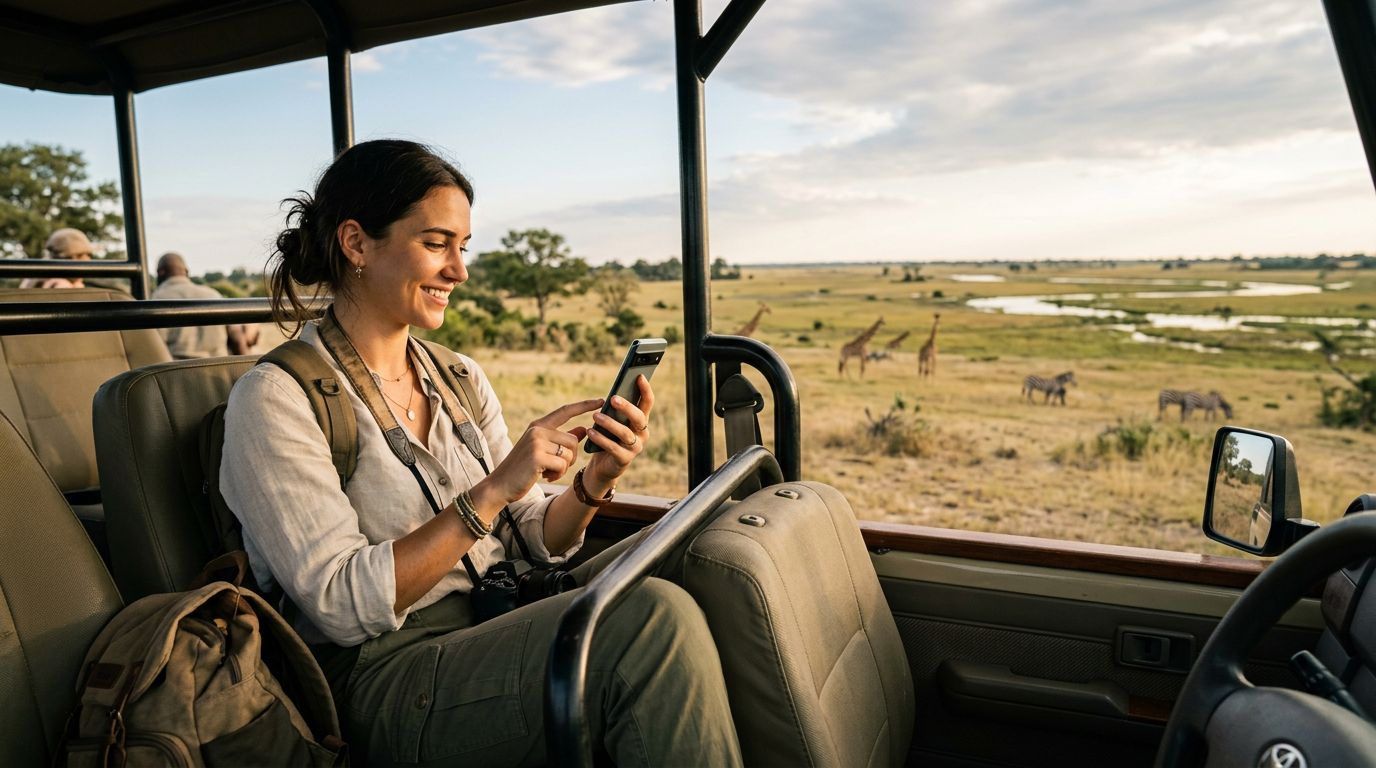
When you are tracking lions or observing elephants at a watering hole, you want to share those moments with family back home or update your travel itinerary on the fly. Relying on traditional roaming services from your home carrier often leads to exorbitant bills or unreliable connections. This is where choosing the right digital solution becomes essential. An eSIM for travel to Botswana allows you to bypass the need for physical SIM cards, which are easy to lose and cumbersome to manage while moving between camps and lodges.
By opting for a digital SIM, you gain the ability to manage your mobile data directly from your device settings. Whether you are navigating through remote bushveld or checking into a luxury lodge in Maun, having a reliable data connection ensures you can access maps, translation tools, and communication apps without interruption.
The Advantages of Using an eSIM for Your Safari
The primary benefit of using an eSIM for travel to Botswana is the sheer convenience of the technology. Unlike a traditional SIM card that requires you to find a local shop, present your passport, and physically swap out a tiny piece of plastic, an eSIM is activated entirely through your phone’s software. This means you can purchase and install your data plan before you even board your flight.
Once you land at Sir Seretse Khama International Airport, your device will automatically connect to the local network. This immediate connectivity is a significant advantage for travelers who need to coordinate airport transfers or check their email the moment they arrive. Because the eSIM is embedded in your phone, you do not have to worry about the security risks associated with removing your primary SIM card and storing it in your luggage.
Furthermore, OneTapSIM provides a streamlined experience for travelers who want to avoid the technical headaches often associated with international roaming. By utilizing a dedicated data plan, you maintain control over your usage and avoid the surprise charges that often accompany traditional carrier roaming. This digital-first approach is ideal for the modern traveler who values efficiency and reliability while exploring the African wilderness.
Ensuring Your Device is Ready for Botswana
Before you embark on your journey, it is vital to ensure that your smartphone is compatible with eSIM technology. Most modern smartphones released in the last few years support this feature, but it is always wise to verify your device settings. You can check the official support pages for Apple or Google to confirm if your specific model is compatible with digital SIMs.
One key requirement is that your phone must be carrier-unlocked. If your device is locked to a specific mobile provider, it will not be able to connect to the local networks in Botswana, regardless of whether you are using a physical SIM or an eSIM. If you are unsure about your device's status, contact your home service provider before your trip to request an unlock.
Once you have confirmed compatibility, the setup process is straightforward. You will receive a QR code or an activation code that allows you to add the data plan to your phone’s cellular settings. From there, you can toggle between your home line and your travel data plan with a few taps. This flexibility allows you to keep your primary number active for important calls or messages while using your travel eSIM exclusively for data-heavy tasks like uploading photos or using navigation apps.
Tips for Managing Data in Remote Areas
While mobile coverage in Botswana has improved significantly, it is important to manage your expectations when traveling deep into national parks or remote reserves. In major hubs like Gaborone, Francistown, and Maun, you will likely experience high-speed connectivity. However, once you venture into the heart of the Okavango Delta or the Central Kalahari, signal strength can fluctuate based on your proximity to cell towers.
To make the most of your data plan, consider adjusting your phone settings to conserve bandwidth. Disable background app refreshes and turn off automatic cloud backups for your photos until you are back in an area with stable Wi-Fi. This ensures that your data allowance is reserved for the tasks that matter most, such as looking up information on local wildlife or keeping in touch with your safari guides.
If you find yourself in an area with limited coverage, try to perform data-intensive tasks during the early morning or late evening when you are back at your lodge. Many lodges in Botswana now offer satellite-based Wi-Fi, which can complement your mobile data plan. By combining your OneTapSIM data with the local infrastructure, you create a robust connectivity strategy that keeps you online throughout your entire adventure.
Ultimately, the goal of your trip to Botswana is to immerse yourself in the natural world. Having a reliable data connection is not about being tethered to your screen, but about having the peace of mind that comes with knowing you can reach out for help or share your experiences whenever you choose. By preparing your technology in advance, you can focus on what truly matters: the breathtaking sights and sounds of the Botswana wilderness.
Get an eSIM for
Plans for the destinations covered in this guide, with instant QR delivery.