Choosing Your Connection Method for the Okavango Delta
Planning a trip to Botswana is an exhilarating experience. Whether you are aiming to track leopards in the Okavango Delta, witness the vast salt pans of the Makgadikgadi, or explore the Chobe River, staying connected is a priority for most modern travelers. When you arrive, you have two primary ways to access mobile data: a traditional physical SIM card or a digital eSIM.
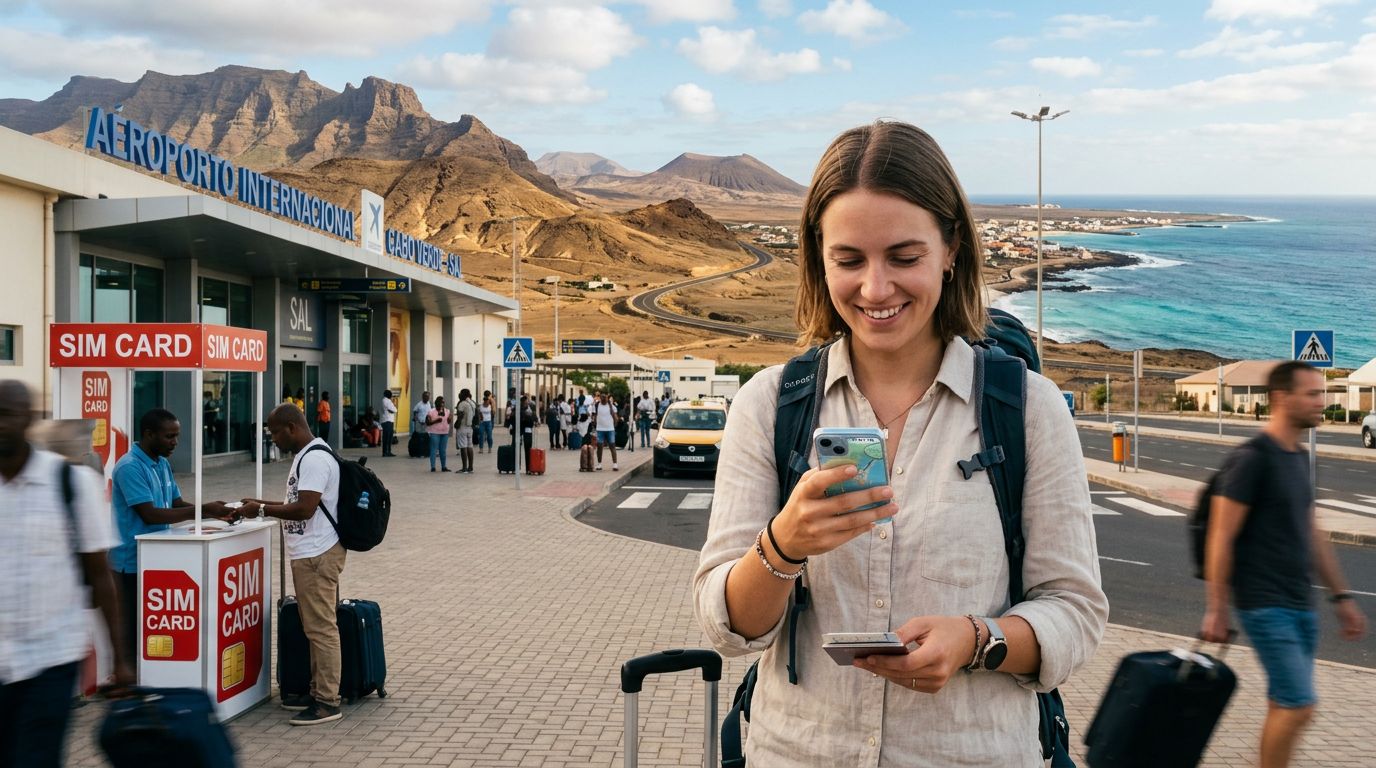
The debate regarding a Botswana SIM card vs eSIM often comes down to convenience versus local availability. A physical SIM card requires you to find a mobile kiosk, present your passport for mandatory registration, and physically swap out your home SIM card. This process can be time-consuming, especially after a long-haul flight when you just want to reach your lodge.
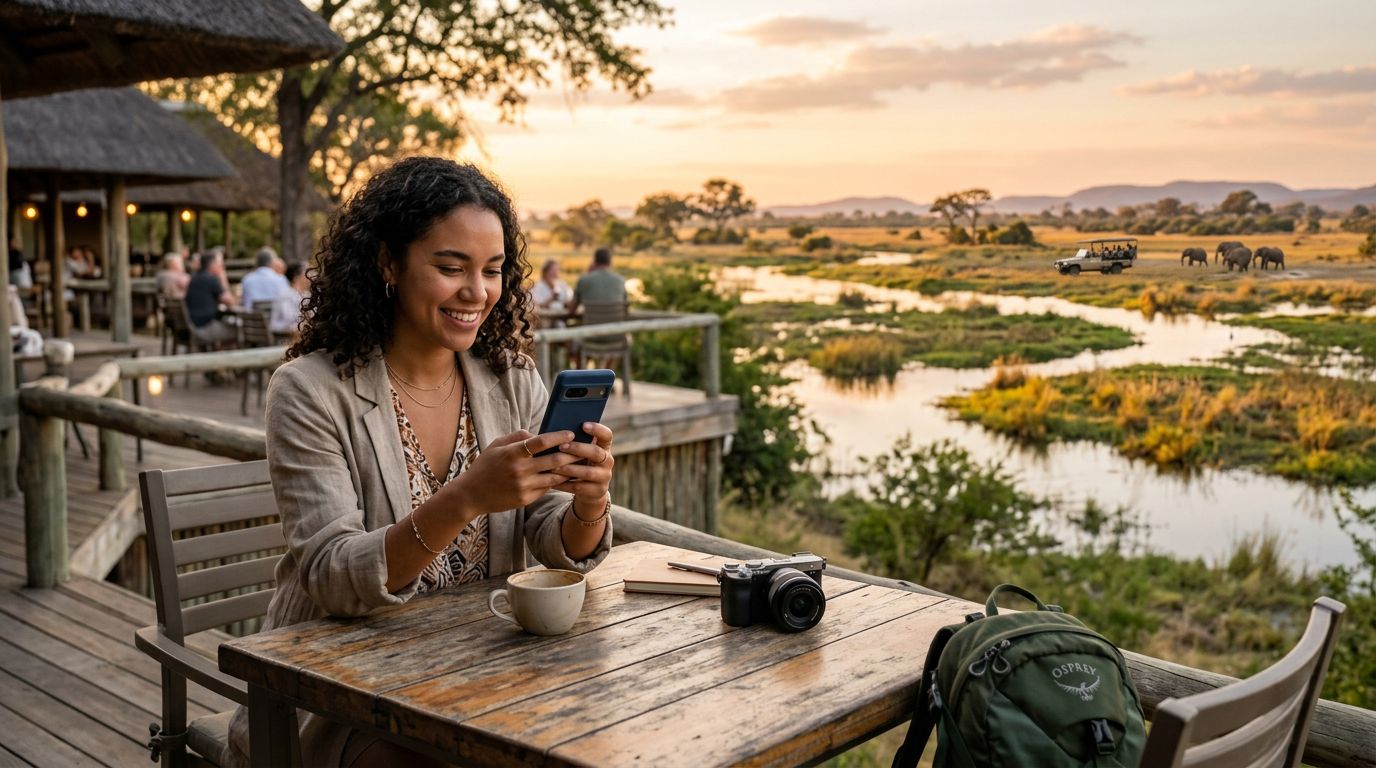
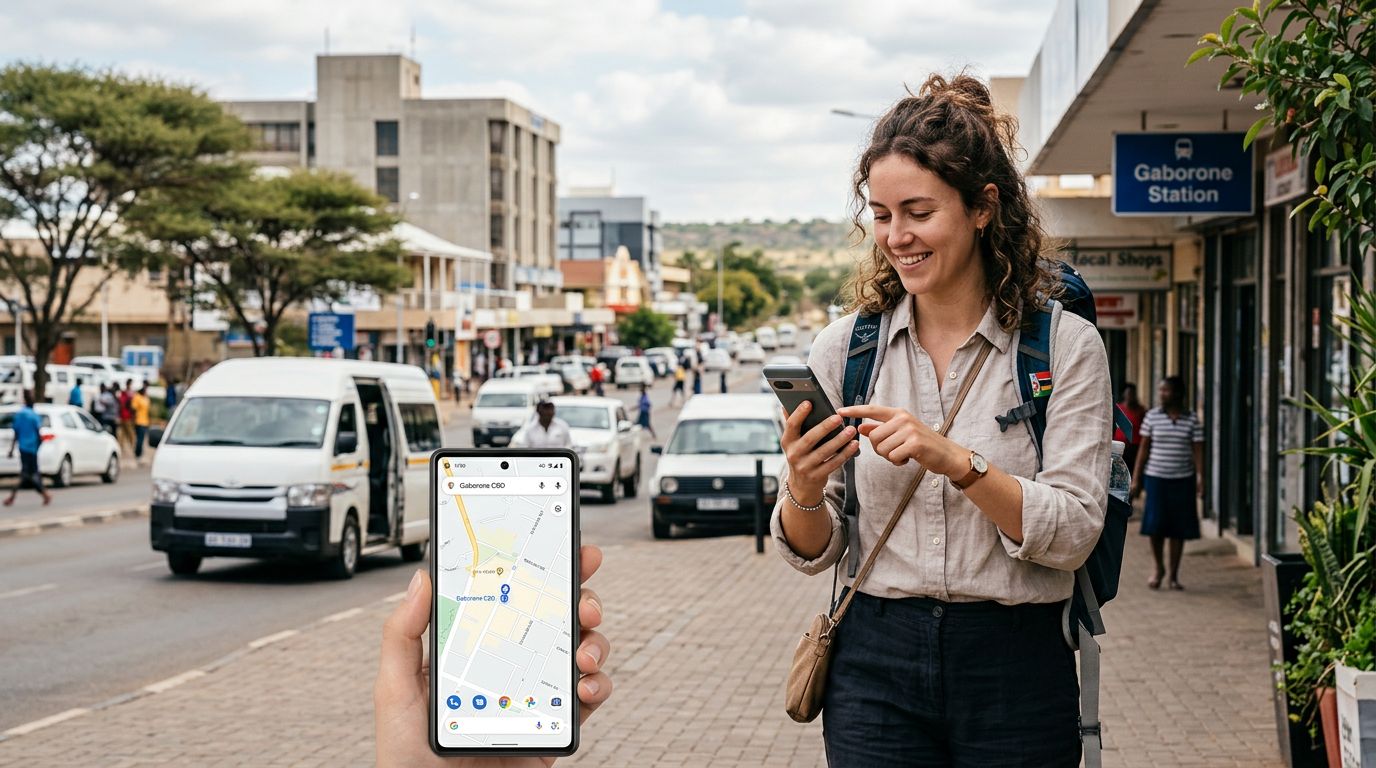
On the other hand, an eSIM—an embedded SIM—allows you to activate a mobile data plan digitally. By using a provider like OneTapSIM, you can set up your connection before you even board your plane. This means that as soon as your wheels touch down in Gaborone or Maun, your phone is ready to access the internet. For travelers on tight schedules or those heading straight into remote bush camps, the ability to bypass the airport kiosk queue is a significant advantage.
The Practical Differences in Connectivity and Coverage
When comparing a Botswana SIM card vs eSIM, it is important to understand that both methods rely on the same local network infrastructure. Botswana has a few major mobile operators that provide coverage across the country. Whether you choose a physical card bought at a local shop or an eSIM, you are ultimately connecting to these same towers.
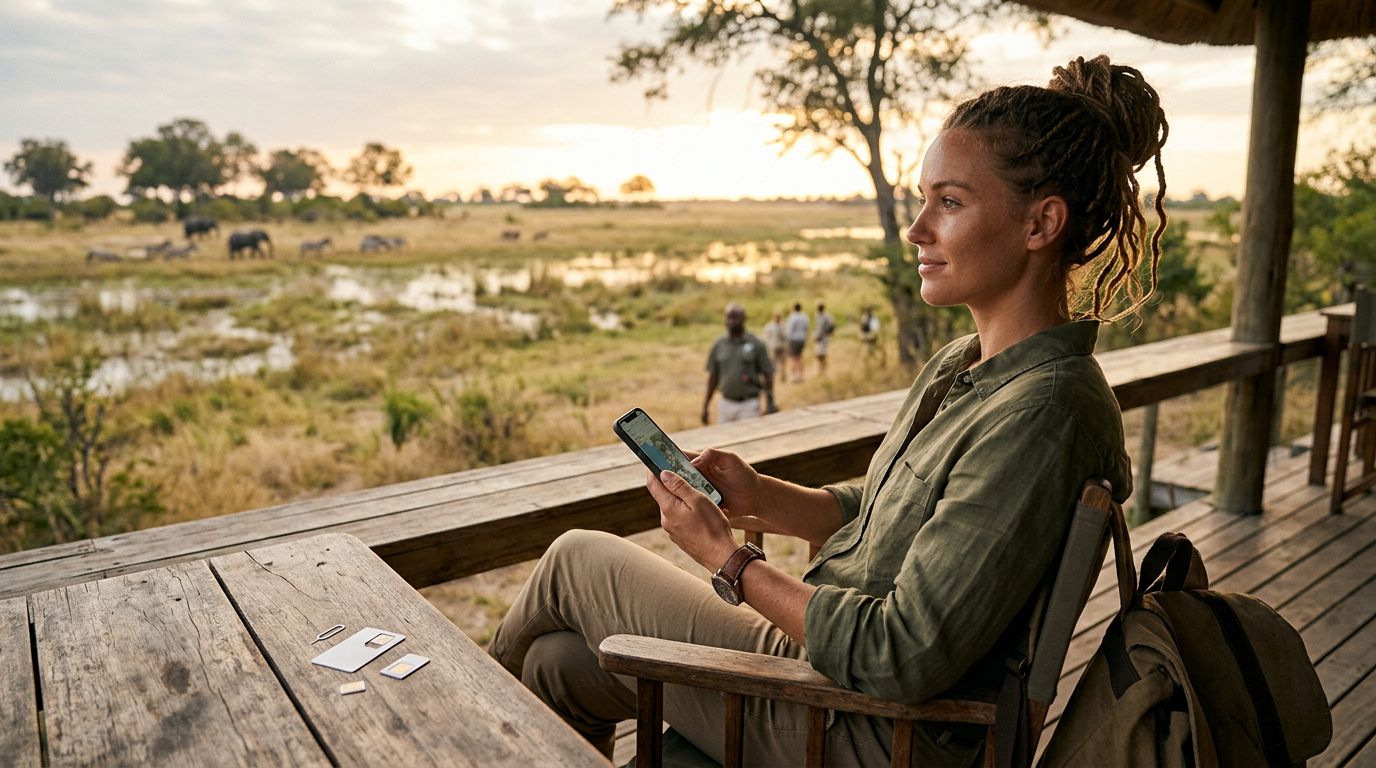
The primary difference lies in the hardware and the management of your data. A physical SIM card occupies the physical tray of your smartphone. If you have a dual-SIM phone, you might be able to keep your home number active, but you risk losing the physical card if you remove it to swap back to your local carrier. Losing a tiny piece of plastic in the middle of the Kalahari is a scenario most travelers prefer to avoid.
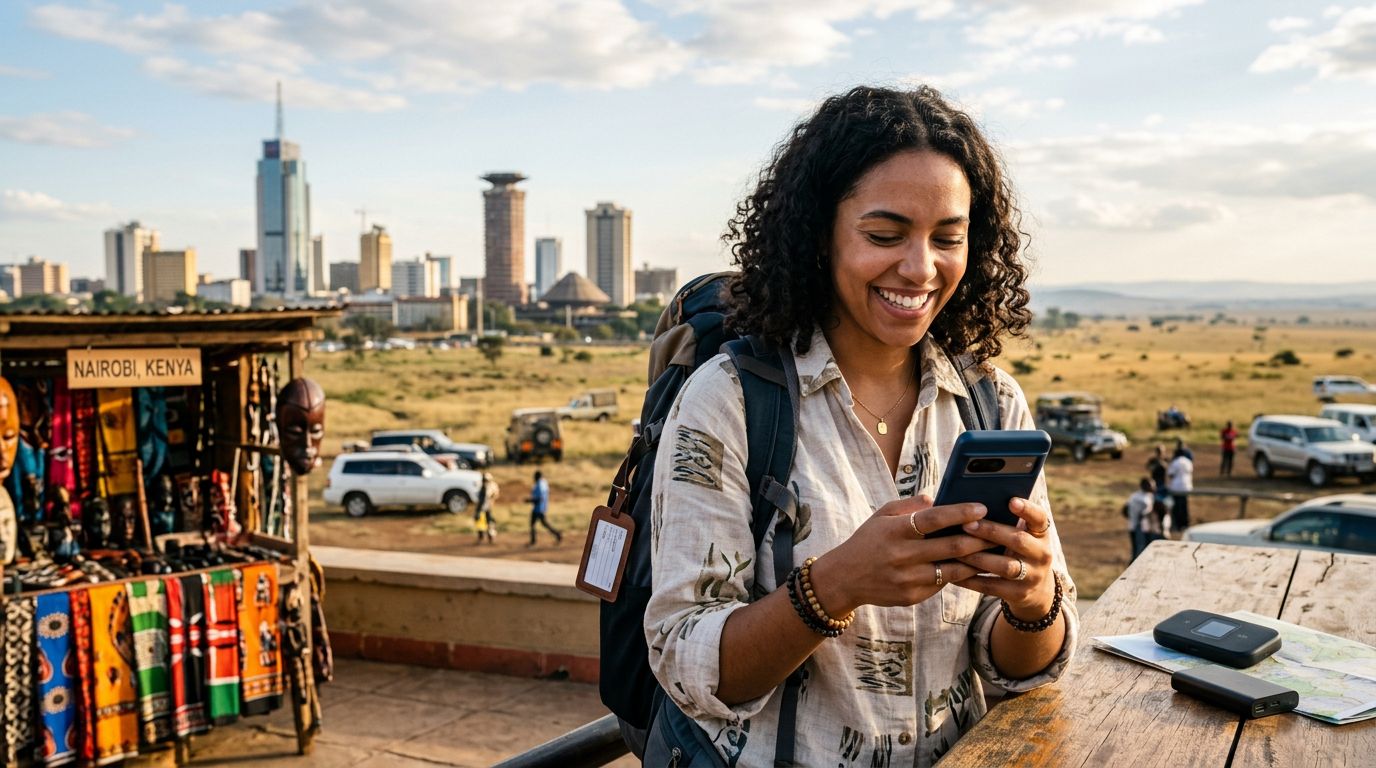
An eSIM, by contrast, lives entirely within your phone’s software. You can store multiple eSIM profiles on a single device and switch between them with a few taps in your settings menu. This makes managing your data much cleaner. If you are traveling through multiple countries in Southern Africa, you can manage your connectivity for each destination without ever needing to open your phone’s SIM tray or carry around a collection of small plastic cards.
Reliability is another factor to consider. In remote areas of Botswana, signal strength can fluctuate. Both physical SIMs and eSIMs will perform identically regarding signal reception. However, the ease of troubleshooting an eSIM often feels more seamless. If you encounter a settings issue, you can often resolve it through your provider’s digital dashboard rather than having to visit a physical store in a foreign city.
Preparing Your Device for a Botswana Safari
Before you decide which route to take, you must ensure your device is compatible. Most modern smartphones support eSIM technology, but it is always wise to check your specific model’s specifications. If you are an iPhone user, you can verify your device's capabilities through the official Apple support pages. Similarly, if you are using an Android device, the Google support documentation provides clear guidance on identifying if your phone is eSIM-ready.
If you decide that an eSIM is the better choice for your safari, the setup process is straightforward. With a service like OneTapSIM, you typically receive a QR code or an activation link. You scan the code, follow the on-screen prompts, and your data plan is installed. It is essentially a background process that takes only a few minutes. This allows you to focus on your itinerary, your camera gear, and your safari packing list rather than worrying about finding a mobile shop that is open during your arrival window.
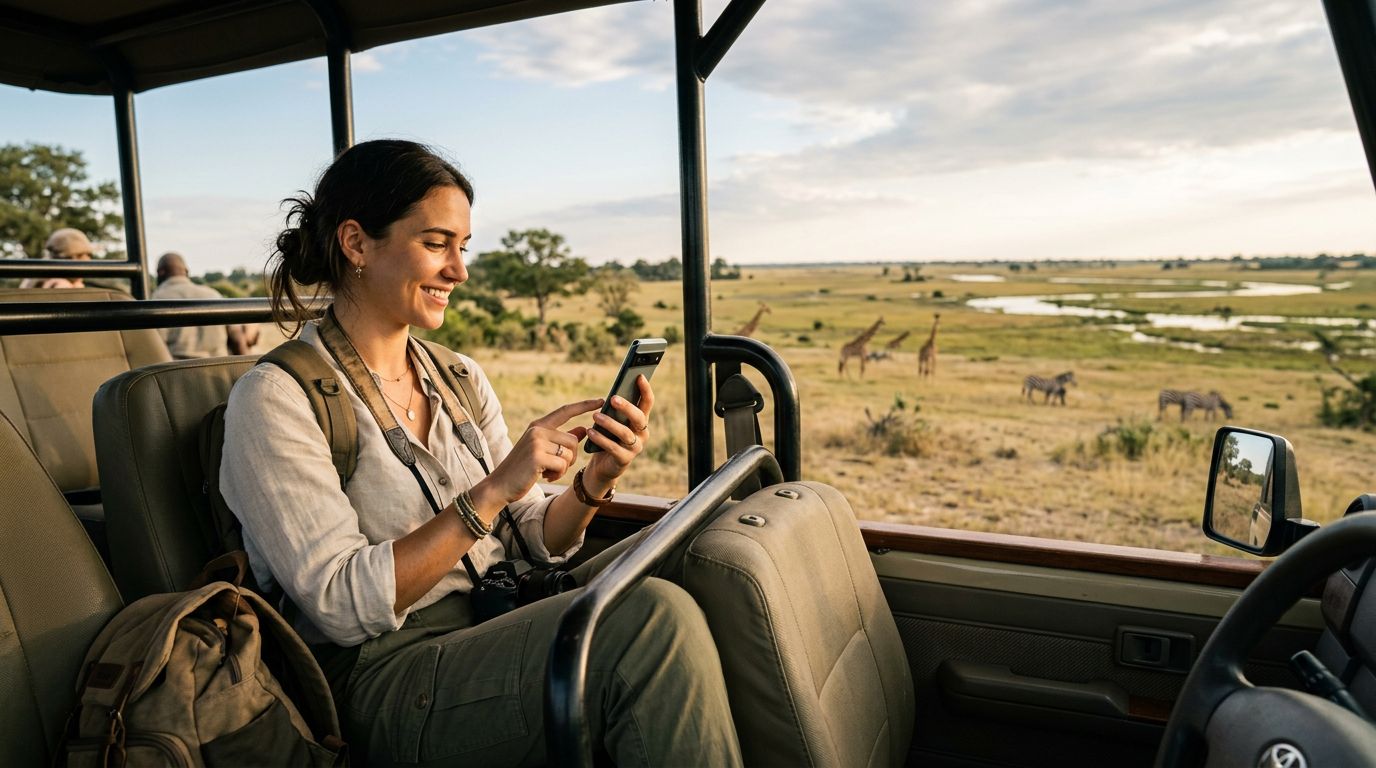
One final consideration is the duration of your stay. If you are planning a short, intensive safari, the convenience of an eSIM is hard to beat. You land, you connect, and you are ready to share photos of your sightings or check your lodge reservations. If you are planning an extended stay of several months, a local physical SIM card might offer different plan structures, though the administrative burden of local registration still applies.
Ultimately, the choice between a Botswana SIM card vs eSIM depends on how much you value your time and how much you dislike handling small hardware. For the vast majority of safari-goers, the digital path offers a smoother, more efficient experience that keeps you connected from the moment you arrive until the moment you depart. By choosing an eSIM, you remove one more logistical hurdle from your trip, allowing you to spend more time enjoying the incredible landscapes and wildlife that make Botswana such a unique destination. Whether you are navigating the Chobe National Park or relaxing in a luxury camp, having reliable, pre-activated data ensures you can document your journey and stay in touch with your loved ones without interruption.
Get an eSIM for
Plans for the destinations covered in this guide, with instant QR delivery.