Understanding Connectivity in Guinea
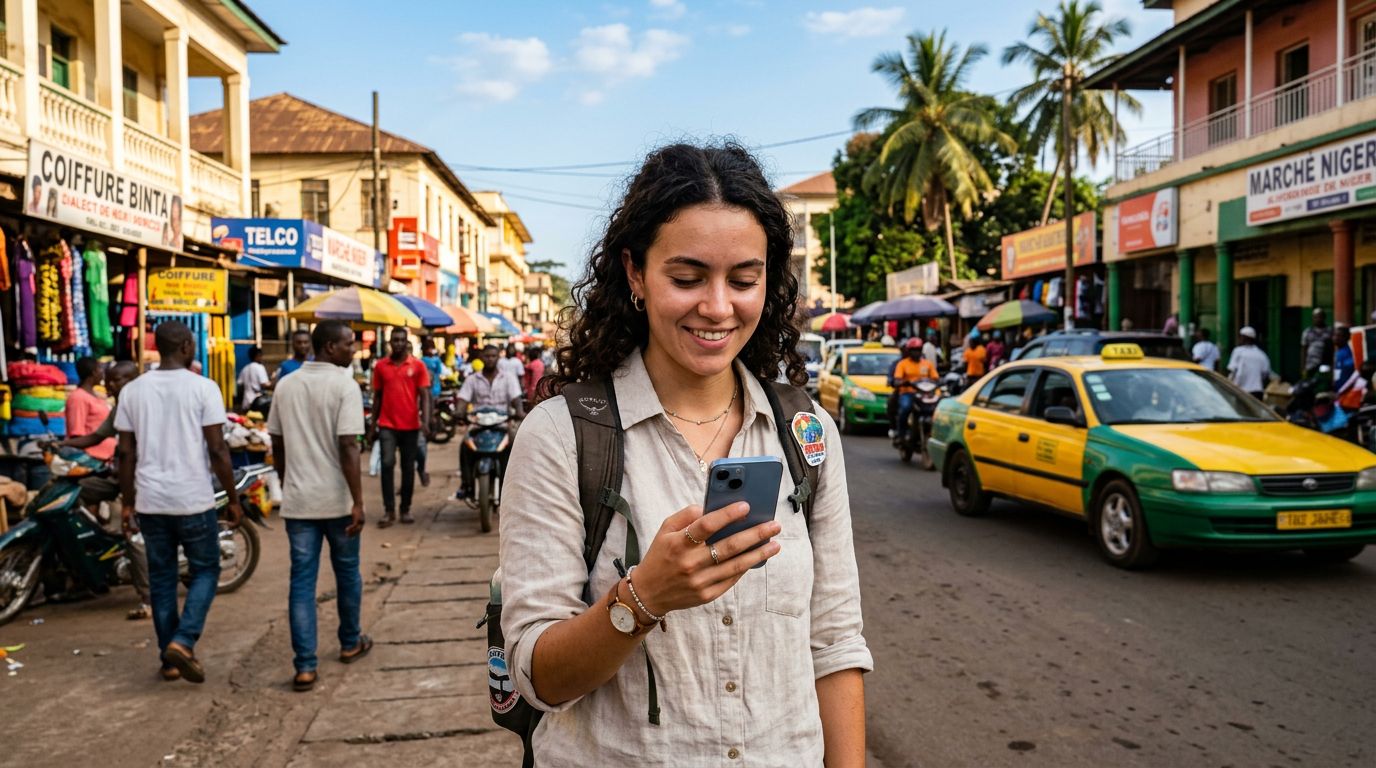
Traveling to Guinea offers a unique experience, from the lush landscapes of the Fouta Djallon highlands to the vibrant markets of Conakry. As you prepare for your journey, ensuring you have reliable internet access is a priority for mapping out routes, contacting local guides, or staying in touch with family. Many travelers ask, does eSIM work in Guinea? The answer is yes, though the technology is still gaining traction compared to traditional physical SIM cards.
An eSIM, or embedded SIM, is a digital version of the standard plastic SIM card. It is built directly into the hardware of your smartphone, allowing you to activate a cellular plan without needing to visit a local shop or fiddle with tiny physical cards. For travelers, this means you can switch between your home network and a local or international provider seamlessly.
In Guinea, the mobile infrastructure is primarily supported by local telecommunications operators. While physical SIM cards remain the most common way for residents to access data, the rise of global eSIM providers has made it possible for international visitors to bypass the hassle of finding a local store upon arrival. By using a service like OneTapSIM, you can pre-configure your connectivity before your plane even touches down at Conakry International Airport. This eliminates the need to queue at kiosks or deal with language barriers when trying to purchase a physical card in a busy city center.
How to Check if Your Device is eSIM Compatible
Before you commit to an eSIM for your trip to Guinea, you must verify that your smartphone is compatible. Not all devices support this technology, and it is generally reserved for newer models released in the last several years.
To check if your device is ready, you should consult the official support pages for your manufacturer. If you are using an iPhone, you can visit support.apple.com to see a list of compatible models. Similarly, if you use an Android device, checking support.google.com will provide the necessary steps to verify your hardware.
Generally, you can perform a quick check within your phone settings. On an iPhone, navigate to your cellular settings to see if there is an option labeled "Add eSIM" or "Add Cellular Plan." On many Android devices, you can look under "Network & Internet" or "Connections" to find the SIM manager section. If these options exist, your device is likely ready to support an eSIM.
It is also vital to ensure that your phone is carrier-unlocked. Many phones purchased through a mobile network provider are "locked" to that specific carrier, meaning they will not accept SIMs or eSIMs from other providers. If your phone is locked, you will need to contact your home service provider to request an unlock before you travel. Without an unlocked device, you will be unable to add a secondary eSIM plan, regardless of how modern your phone is.
Benefits of Using OneTapSIM for Your Guinean Adventure
Choosing an eSIM for your trip to Guinea provides several practical advantages over traditional methods. The most significant benefit is convenience. When you use OneTapSIM, the setup process is entirely digital. You receive a QR code or a set of activation instructions that allow you to install your data plan in minutes. This means you have connectivity the moment you step off the plane, allowing you to use ride-sharing apps, access translation services, or check your hotel reservations without searching for public Wi-Fi.
Another major advantage is the ability to keep your primary phone number active. With a physical SIM, you often have to remove your home card, which means you might miss important calls or text messages from your bank or home contacts. With an eSIM, your phone can typically handle two active lines simultaneously. You can keep your primary SIM active for essential calls while using the OneTapSIM eSIM solely for data. This dual-SIM capability ensures you stay reachable while maintaining the high-speed data access you need for navigation and communication.
Security is also a factor worth considering. Purchasing a physical SIM card from an informal vendor can sometimes involve sharing personal identification documents with unknown parties. By using a reputable, established provider like OneTapSIM, you manage your data plan through a secure interface, reducing the risks associated with handling physical cards and sharing sensitive information in public spaces.
Finally, managing your data usage becomes much easier. Through your phone’s settings, you can monitor exactly how much data you have consumed. This helps you avoid unexpected roaming charges from your home provider, which can be incredibly expensive when traveling internationally. Because you are purchasing a specific data package upfront, you have full control over your budget and usage, ensuring that you do not run out of data at a critical moment during your travels.
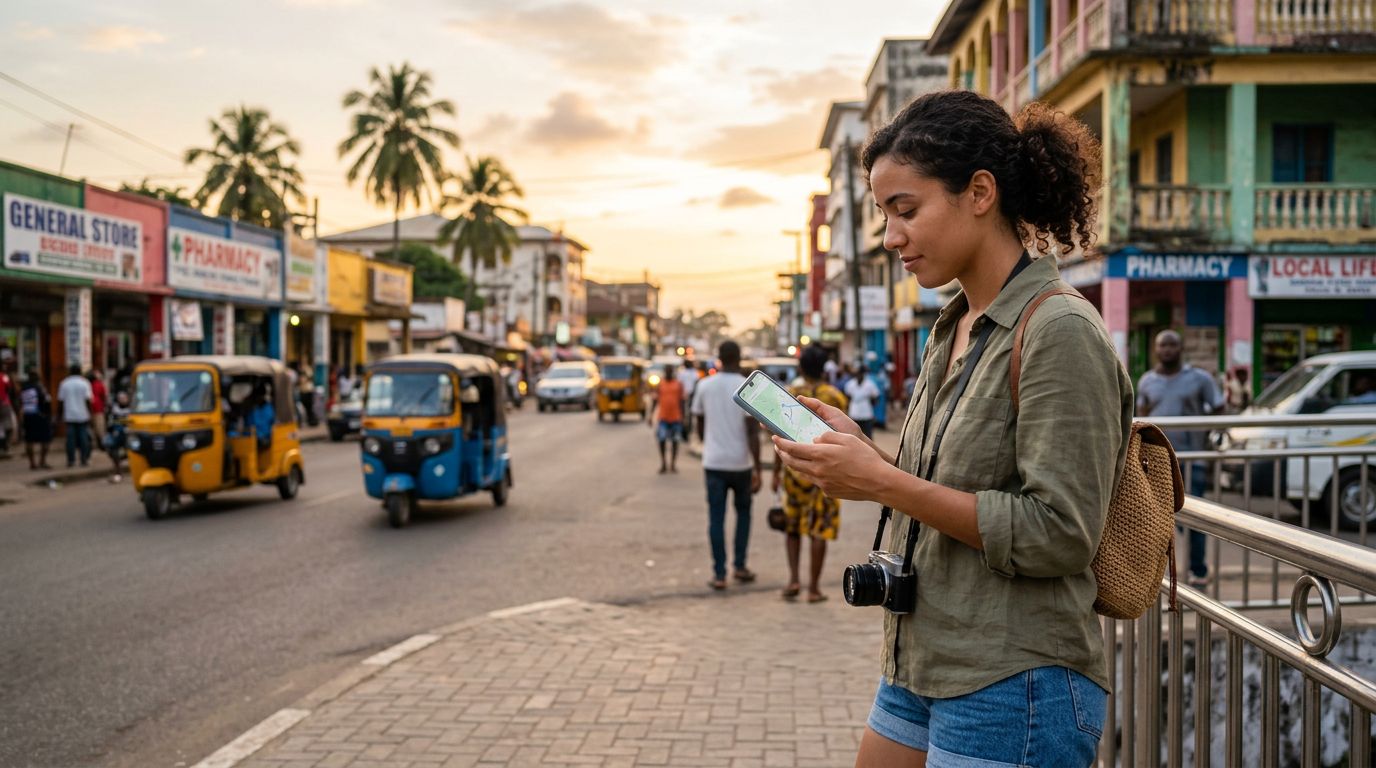
When planning your trip to Guinea, remember that connectivity can be inconsistent in remote areas. While an eSIM provides excellent coverage in urban centers like Conakry and major regional hubs, the signal may fluctuate as you move into the more rugged parts of the country. Always download offline maps and essential documents before heading into rural regions. By combining the flexibility of an eSIM with a bit of preparation, you can enjoy a smooth, connected journey through one of West Africa’s most diverse and beautiful nations.
Get an eSIM for
Plans for the destinations covered in this guide, with instant QR delivery.