Understanding Connectivity Options for Liberia
Traveling to Liberia offers a unique experience, from the vibrant markets of Monrovia to the pristine coastlines of Robertsport. However, staying connected in a country where infrastructure is still developing requires careful planning. For most international travelers, the debate between carrying a pocket WiFi device and using an eSIM comes down to convenience, reliability, and the physical limitations of the local network environment.
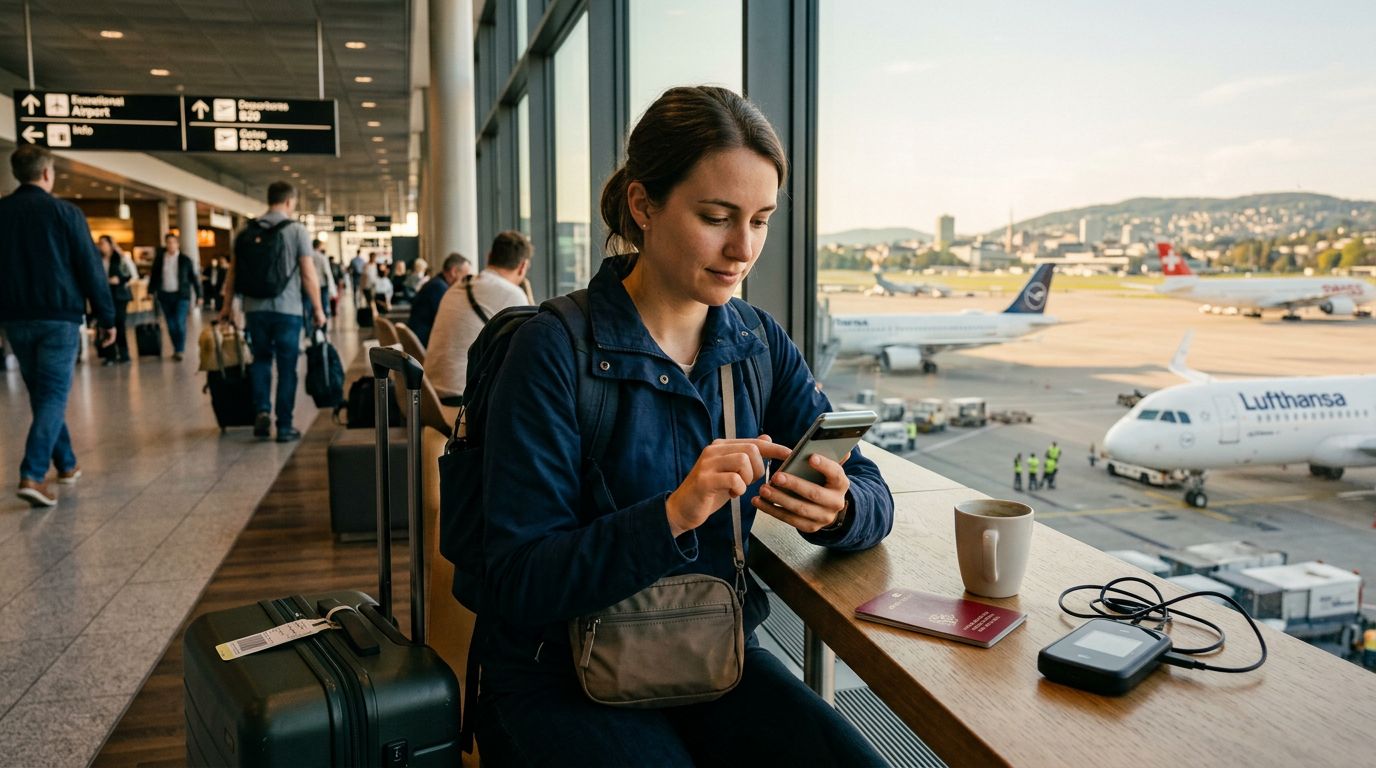
A pocket WiFi device is a portable router that creates a local hotspot by connecting to a cellular network. You carry a small plastic box in your pocket or bag, which then broadcasts a signal to your phone, tablet, or laptop. While this provides a familiar experience—essentially bringing your home internet setup with you—it introduces several logistical challenges. You must manage a separate battery, ensure the device is charged, and keep track of the hardware throughout your journey.
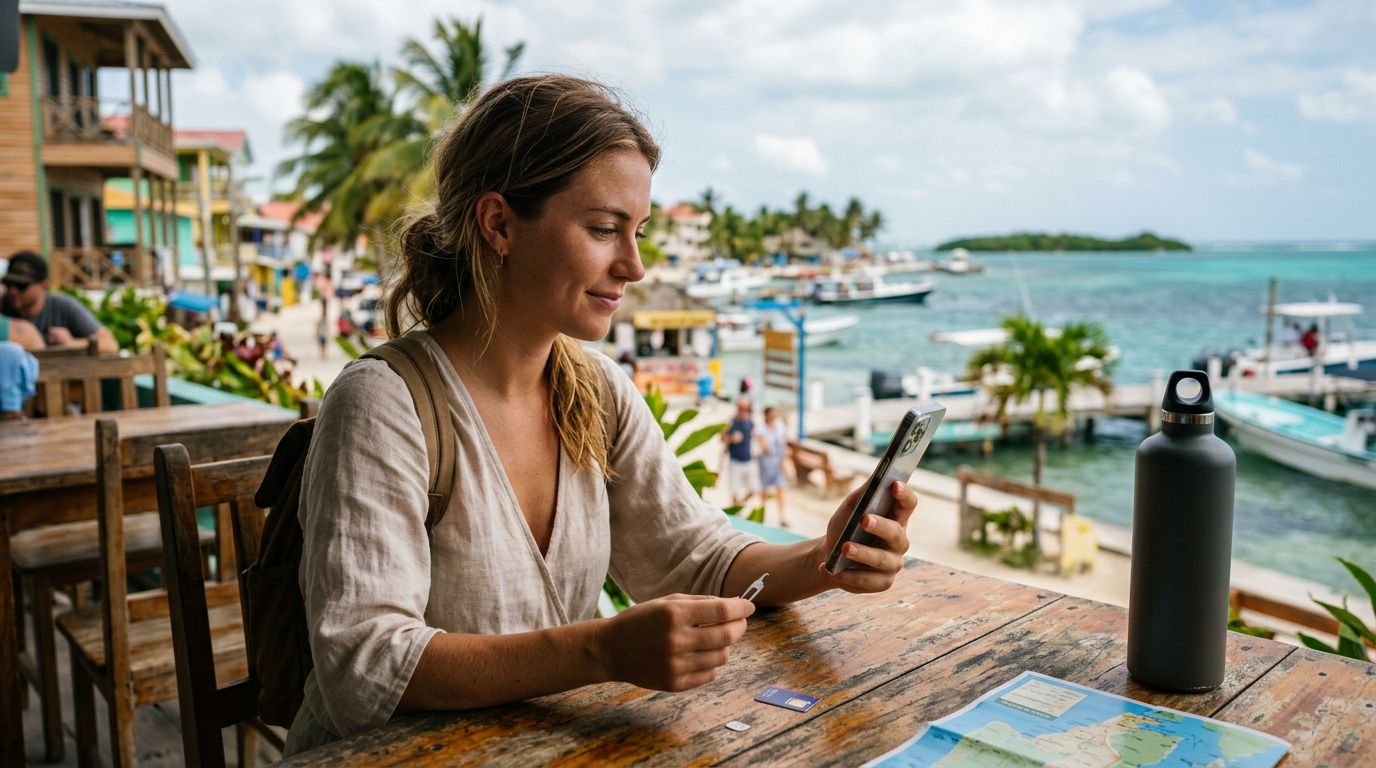
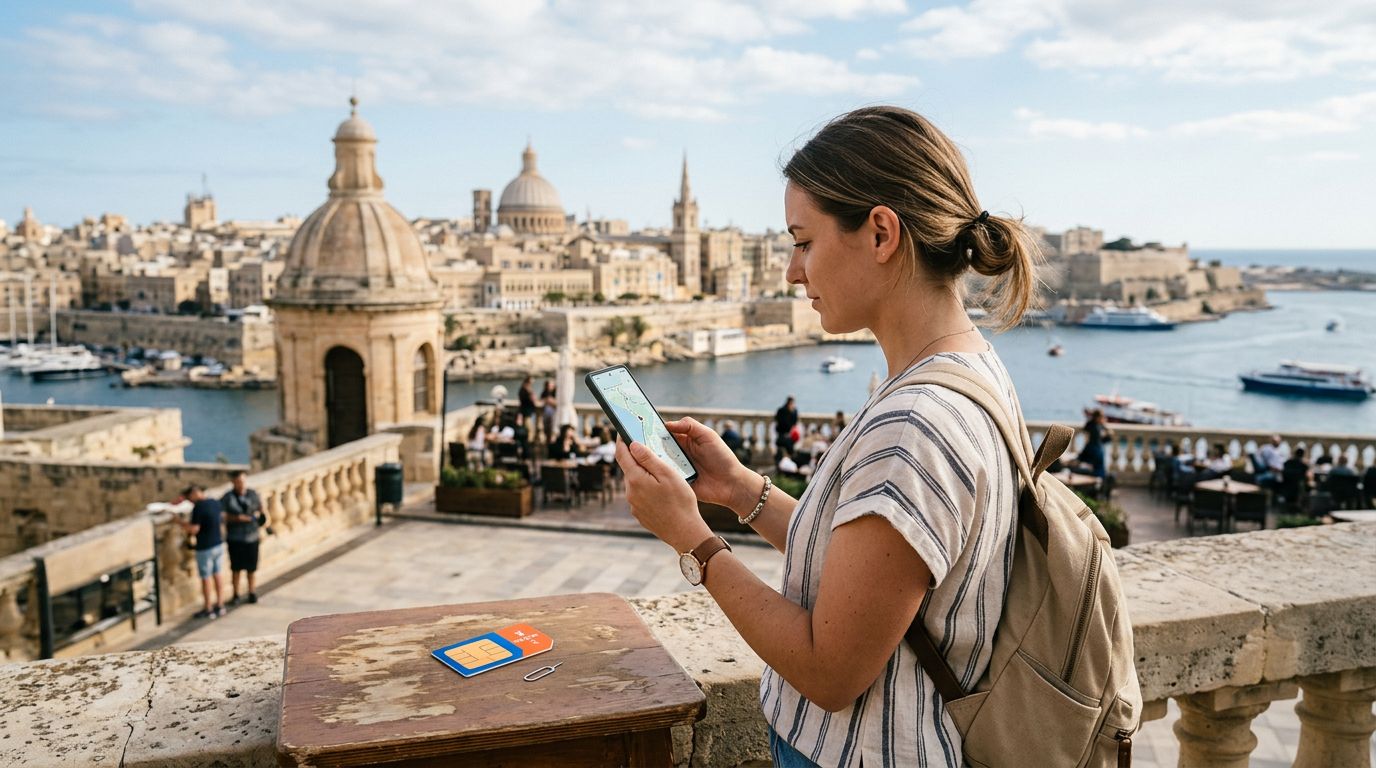
On the other hand, an eSIM represents a digital evolution in how we handle roaming. It is a virtual SIM card embedded directly into your smartphone’s hardware. Instead of swapping out a physical card, you download a profile that allows your phone to connect to local networks. Because the technology is integrated into your device, you avoid the need to carry extra equipment, making it a streamlined choice for those who value mobility.
Comparing Convenience and Reliability
When comparing pocket WiFi vs eSIM for Liberia, the primary consideration is the physical reality of the trip. Liberia’s terrain and infrastructure mean that signal strength can fluctuate depending on your location. A pocket WiFi device relies on a single cellular connection that it shares with your devices. If that specific device loses power or encounters a hardware glitch, you lose all connectivity instantly. Furthermore, you are responsible for the physical safety of the router. If you lose it, you are not only disconnected but also liable for the hardware replacement.
An eSIM simplifies this process significantly. With a provider like OneTapSIM, you can set up your data connection before you even land at Roberts International Airport. Since the eSIM operates through your phone’s internal antenna, it is generally more efficient at maintaining a connection. Because you are using your own smartphone, you are already familiar with its battery usage and signal reception capabilities. You do not have to worry about charging a second device or finding a place to store a bulky router while exploring the beaches or navigating the city streets.
Another factor to consider is the setup process. Pocket WiFi units often require you to pick them up at a rental kiosk or wait for them to be shipped to your home. If your travel plans change or you encounter delays, the logistics of returning or managing the device become a burden. eSIMs are delivered digitally. As long as you have a stable internet connection during the initial installation, you can activate your service from anywhere. This flexibility is vital when traveling to regions where logistics can be unpredictable.
Performance and Practicality in the Field
The practical performance of your connection is arguably the most important aspect of your trip. In Liberia, you want to focus on your experiences rather than troubleshooting connectivity issues. Pocket WiFi devices are often limited by the quality of the specific router’s antenna. If you are moving between rural areas and urban centers, you might find that the device struggles to switch towers or maintain a stable handshake with the local network.
Using an eSIM allows your phone to utilize its high-quality, factory-integrated modem. Modern smartphones are designed to manage network handoffs seamlessly, which is particularly beneficial in areas where cellular coverage might be spotty. When you use a service like OneTapSIM, you are essentially leveraging the same network infrastructure that locals use, but with the added benefit of a pre-configured digital profile that manages the roaming handshake for you.
Furthermore, consider the security and management aspects. A pocket WiFi device creates an open or password-protected network that you have to manage yourself. If you are traveling with a group and everyone is connected to your hotspot, you are responsible for the data usage and security of every device in your circle. With an eSIM, your connection is tied directly to your phone. You can easily toggle your data settings, monitor your usage through your phone’s built-in tools, and maintain a secure, private connection that doesn't rely on a shared public or private hotspot.
Ultimately, the choice between these two methods depends on how much gear you want to carry. If you are a minimalist traveler who prefers to keep your pockets light and your setup simple, the eSIM is the logical winner. It removes the risk of hardware failure, eliminates the need for extra charging cables, and provides a modern, efficient way to stay connected while exploring Liberia. By choosing a digital solution, you ensure that your focus remains on your itinerary rather than your equipment, allowing for a smoother and more enjoyable journey across this beautiful country.
Get an eSIM for
Plans for the destinations covered in this guide, with instant QR delivery.