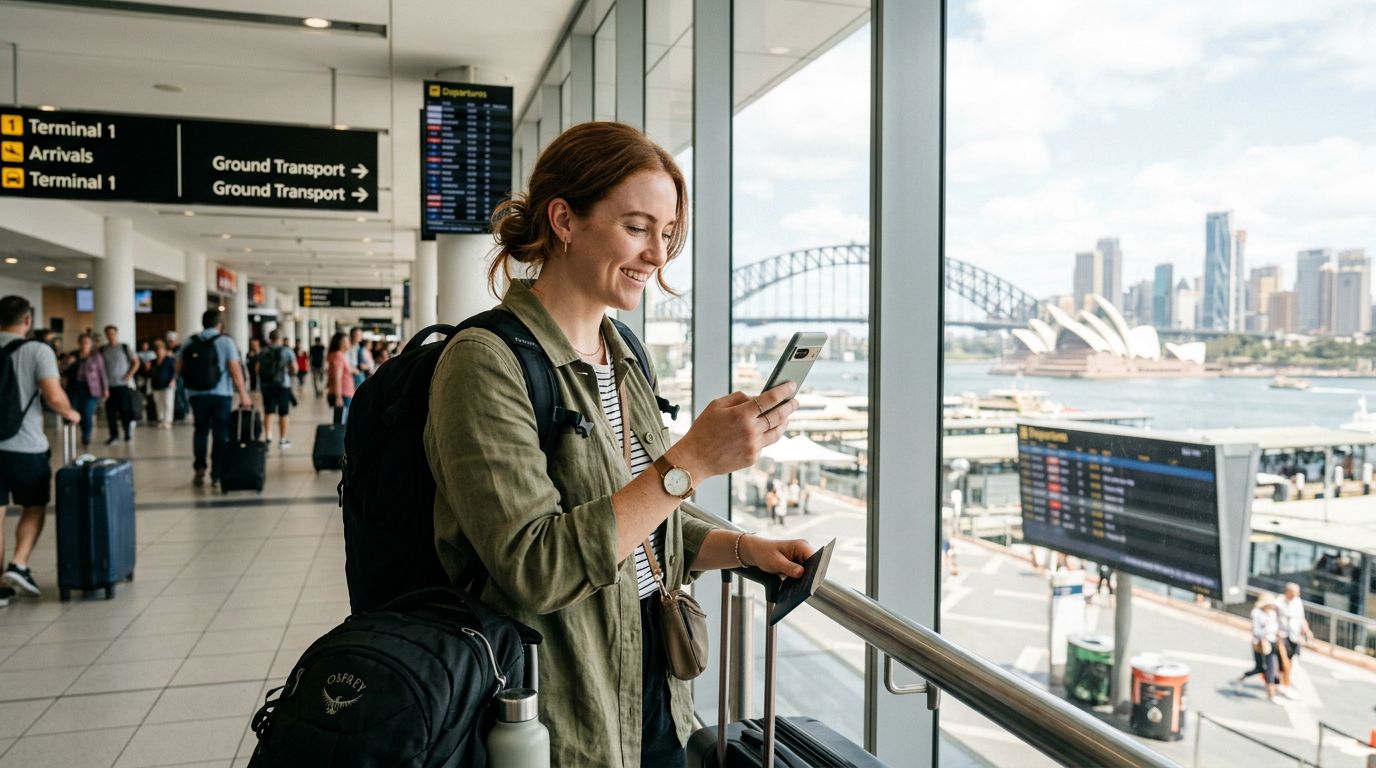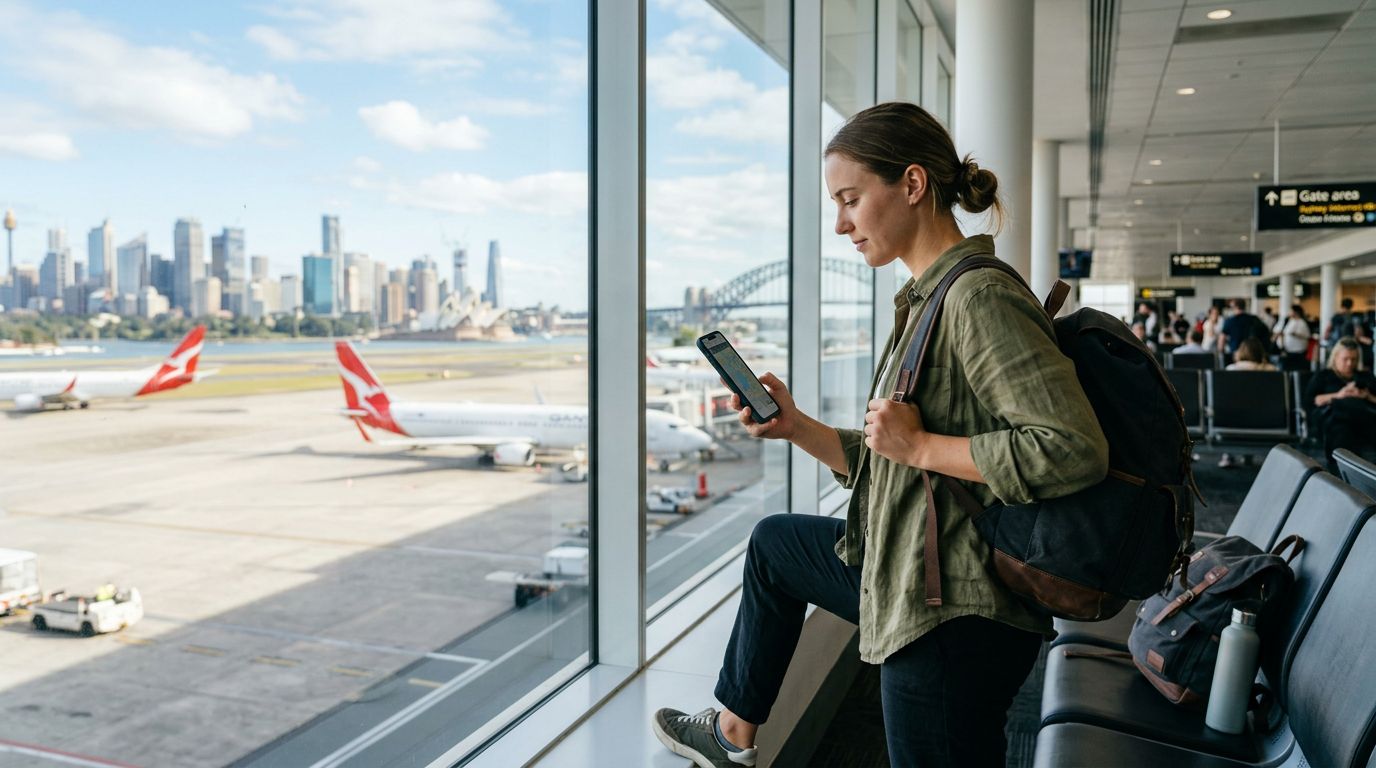
Understanding Your Connectivity Options Down Under
Planning a trip to Australia often involves mapping out vast landscapes, bustling cities, and everything in between. Whether you are heading to the Great Barrier Reef, hiking through the Blue Mountains, or exploring the urban centers of Sydney and Melbourne, staying connected is essential. When comparing pocket WiFi vs eSIM for Australia, travelers must weigh convenience, reliability, and the physical logistics of carrying extra gear.
A pocket WiFi device is a portable router that creates a local hotspot, allowing multiple devices to connect to the internet simultaneously. It relies on a cellular signal, much like your phone, but keeps that connection independent of your primary mobile device. On the other hand, an eSIM is a digital SIM card embedded directly into your smartphone. Instead of physically inserting a chip, you download a profile that grants you access to local cellular networks.
For many travelers, the primary concern is coverage. Australia is a massive country with significant remote areas. While both options depend on the strength of local cellular towers, the way you manage your connectivity can change your entire travel experience. Choosing the right method depends on your travel style, how many devices you need to support, and how much weight you are willing to carry in your daypack.
The Pros and Cons of Pocket WiFi
Pocket WiFi devices have long been a staple for international travelers. The most significant advantage is the ability to share a single connection among a group. If you are traveling as a family or a team, one device can provide internet access for phones, tablets, and laptops simultaneously. This can be more cost-effective than purchasing individual plans for every member of your group.
However, the downsides are often overlooked until you are on the ground. Carrying a pocket WiFi device means managing another piece of hardware. You must keep it charged throughout the day, which often requires carrying a dedicated power bank. If you forget to charge it overnight, you are left without navigation or communication tools the next morning. Furthermore, these devices are susceptible to loss or damage. You are responsible for the hardware, and losing it can result in significant fees or the hassle of arranging a replacement while on vacation.
Logistics also play a role. You typically need to pick up the device at an airport kiosk or have it shipped to your accommodation. If your flight is delayed or you arrive outside of business hours, securing your device can become a stressful hurdle. For solo travelers or couples, the extra bulk of a router and its charging cables often outweighs the benefit of having a shared hotspot.
Why eSIMs Are Changing Travel Connectivity
The rise of eSIM technology has shifted the preference for many modern travelers. Because the eSIM is integrated directly into your phone, there is no physical hardware to carry, charge, or worry about losing. Once you have a compatible device, the setup process is entirely digital. You can activate your service before you even board your plane, ensuring that you have a connection the moment your wheels touch the tarmac in Australia.
OneTapSIM offers a streamlined way to handle this transition. By using a digital profile, you eliminate the need to visit a kiosk or wait for a courier. You simply scan a QR code or follow the setup instructions provided upon purchase, and your phone connects to local Australian towers automatically. This is particularly beneficial for travelers who value efficiency and want to avoid the "tech clutter" associated with traditional travel gadgets.
Another advantage of the eSIM is the ability to keep your primary SIM card active alongside your travel plan. This allows you to receive important calls or texts from home while using your data plan for local navigation and social media. Most modern smartphones allow you to toggle between these services with ease. If you find yourself in a city with excellent coverage, an eSIM provides a seamless experience that feels just like using your home network.
Making the Final Decision for Your Australian Adventure
When deciding between these two methods, consider the duration of your stay and your specific connectivity needs. If you are a digital nomad traveling with multiple laptops and tablets that require a stable, high-capacity connection throughout the day, a pocket WiFi device might still serve a purpose. However, for the vast majority of tourists, the eSIM is the superior choice due to its portability and ease of use.
The reliability of an eSIM is tied directly to the carrier networks it utilizes. By choosing a reputable provider, you ensure that you are tapping into the same robust infrastructure that local residents use. Since you are not reliant on a secondary battery or a signal-transmitting box in your pocket, you can move through airports, train stations, and national parks with nothing more than your smartphone.
Before you finalize your plans, check your device compatibility. Most flagship smartphones released in the last few years are eSIM-ready. You can verify your phone’s capabilities through your device manufacturer’s official support pages. Once confirmed, the transition to a digital-first approach to travel connectivity is straightforward.
Ultimately, your trip to Australia should be focused on the scenery and the experiences, not on managing a collection of chargers and plastic routers. By opting for an eSIM, you streamline your travel kit, reduce the risk of hardware failure, and ensure that you stay connected from the first day to the last. Whether you are navigating the streets of Melbourne or checking your itinerary in the Outback, having a reliable digital connection allows you to focus on what matters most: enjoying your journey.
Get an eSIM for
Plans for the destinations covered in this guide, with instant QR delivery.