Understanding International Dialing Codes
When you receive a call from an unfamiliar number starting with a plus sign, it is natural to wonder where it originated. International dialing codes, also known as country codes, are prefixes used in the international telephone numbering plan. They allow callers to connect to specific countries across the globe. If you have been searching for "61 which country telephone code," you have likely encountered a call from Australia.
The +61 prefix is the designated country code for Australia. When dialing internationally, the plus sign represents the international access code, which varies depending on the country you are calling from. For example, if you are calling from the United States or Canada, you would typically dial 011 followed by 61. If you are calling from within Europe, you would often dial 00 followed by 61.
Understanding how these codes work is essential for anyone traveling abroad or communicating with international business partners. Australia uses a closed numbering plan, meaning that all local phone numbers have a fixed length. When you dial an Australian number from abroad, you omit the leading zero that would normally be used for domestic long-distance calls. For instance, if a local number is 02 1234 5678, you would dial +61 2 1234 5678.
Staying Connected While Visiting Australia
Traveling to Australia is an exciting prospect, whether you are planning to explore the vibrant streets of Sydney, the cultural hubs of Melbourne, or the natural wonders of the Great Barrier Reef. However, maintaining reliable communication is a common concern for international visitors. Relying on traditional roaming services from your home carrier can often lead to unexpected complications or limited network access.
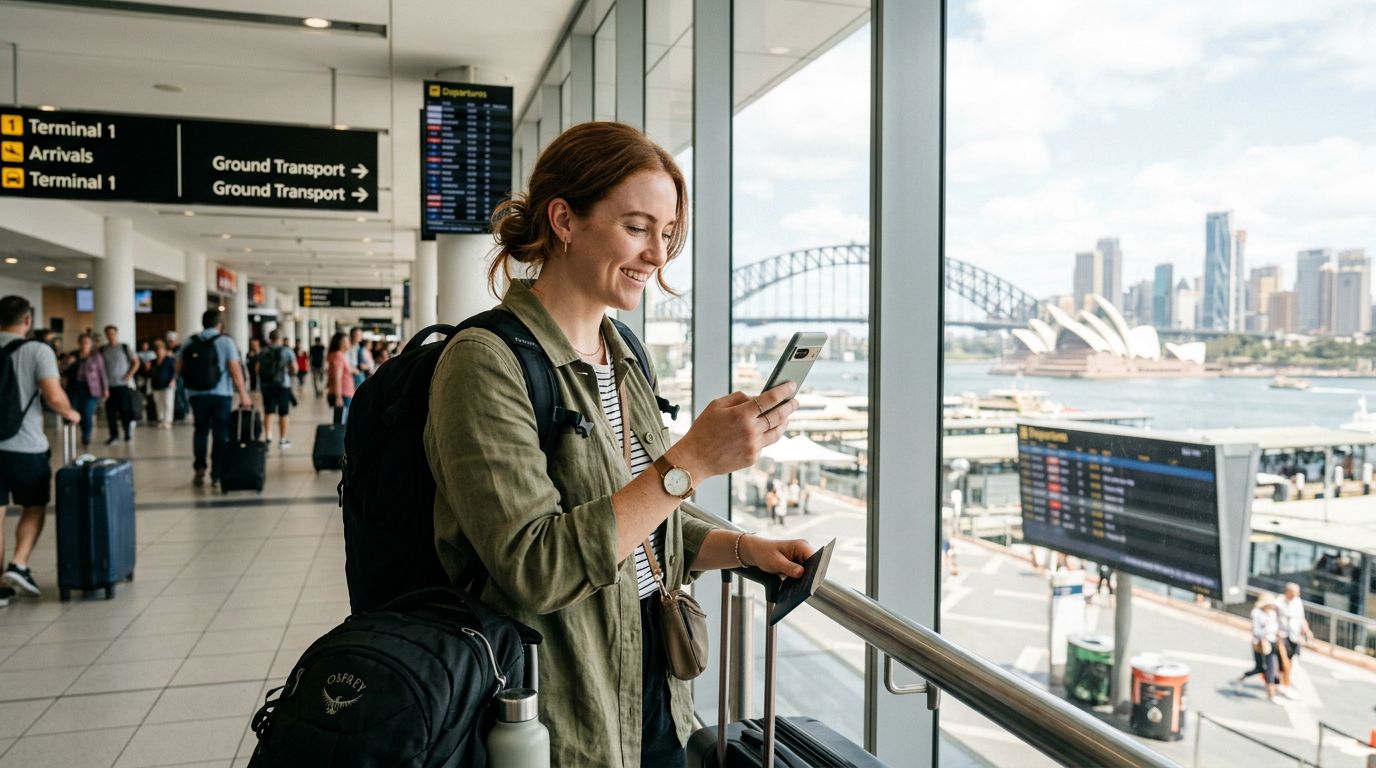
This is where modern technology, specifically eSIMs, changes the experience for travelers. An eSIM allows you to activate a mobile data plan digitally without needing to swap out physical plastic cards. If you are preparing for a trip to Australia, OneTapSIM provides a seamless way to ensure you have data connectivity as soon as you land. By setting up your eSIM before you depart, you avoid the stress of searching for local retail stores or dealing with language barriers at airport kiosks.
Having a dedicated data plan means you can use your preferred navigation apps, look up local transit schedules, and share your experiences in real-time. Because OneTapSIM operates on high-quality local networks, you get the benefit of robust coverage across the country. Whether you are in a bustling city center or exploring regional areas, having consistent internet access makes managing your itinerary much simpler. You can easily check if your device is compatible by visiting the official support pages for your smartphone manufacturer, such as the resources provided by apple.com or google.com, to ensure your phone supports eSIM technology.
Tips for International Communication and Data Management
Effective communication while abroad involves more than just knowing the right dialing codes. It requires a strategy for managing your data usage and ensuring your device is ready for international travel. When you arrive in Australia, your phone will automatically attempt to connect to the strongest available network. If you are using a service like OneTapSIM, your device will prioritize the eSIM data plan, allowing you to use your apps while keeping your home number available for essential messages if your provider supports dual-SIM functionality.
To make the most of your mobile data, consider adjusting a few settings on your device. Many modern smartphones have features that allow you to monitor data consumption by app. By restricting background data for applications that are not essential, you can extend your data allowance significantly. Additionally, downloading offline maps for the specific cities you plan to visit can save a substantial amount of data, as you will not need to rely on live streaming for navigation.
Another aspect of international travel is managing time zone differences. Australia spans multiple time zones, including Australian Eastern Standard Time (AEST), Central Standard Time (ACST), and Western Standard Time (AWST). When scheduling calls back home, it is helpful to use a world clock tool to ensure you are not waking up friends or family in the middle of the night.
If you find yourself needing to make voice calls while in Australia, remember that data-based communication tools are often the most efficient route. Messaging apps and video calling platforms rely on your internet connection rather than traditional cellular voice minutes. By using a reliable data plan, you can maintain high-quality audio and video connections with people back home without worrying about the costs associated with traditional international roaming calls.
Preparation is the key to a smooth journey. By verifying that your phone is unlocked, checking your eSIM compatibility, and understanding the basic dialing procedures for the region you are visiting, you can focus on the experience rather than the logistics. Whether you are calling an Australian contact or using your phone to navigate the Outback, having a clear plan for your connectivity ensures that you remain reachable and informed throughout your stay. Australia is a vast country with diverse landscapes, and having a reliable partner for your mobile data needs helps you stay connected to what matters most.
Get an eSIM for
Plans for the destinations covered in this guide, with instant QR delivery.