Understanding Connectivity in the Mountain Kingdom
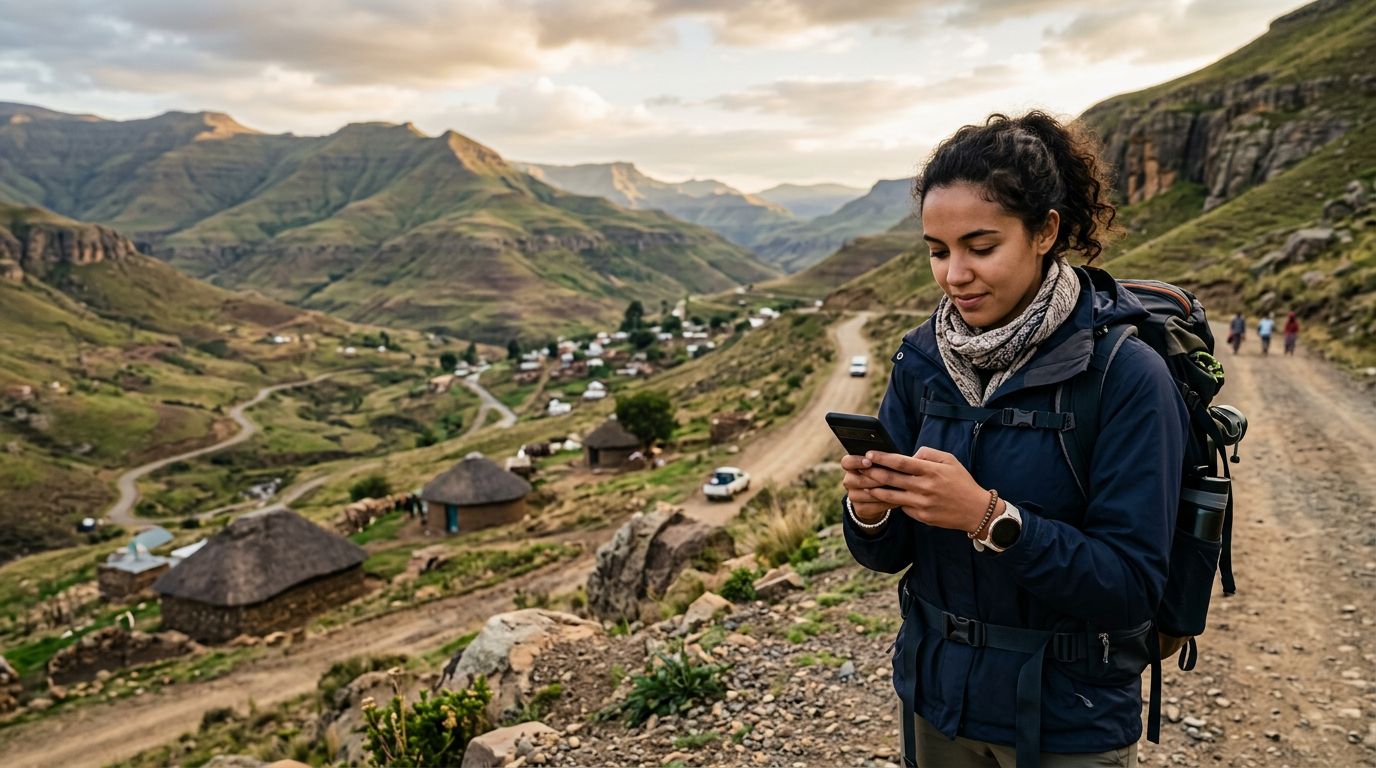
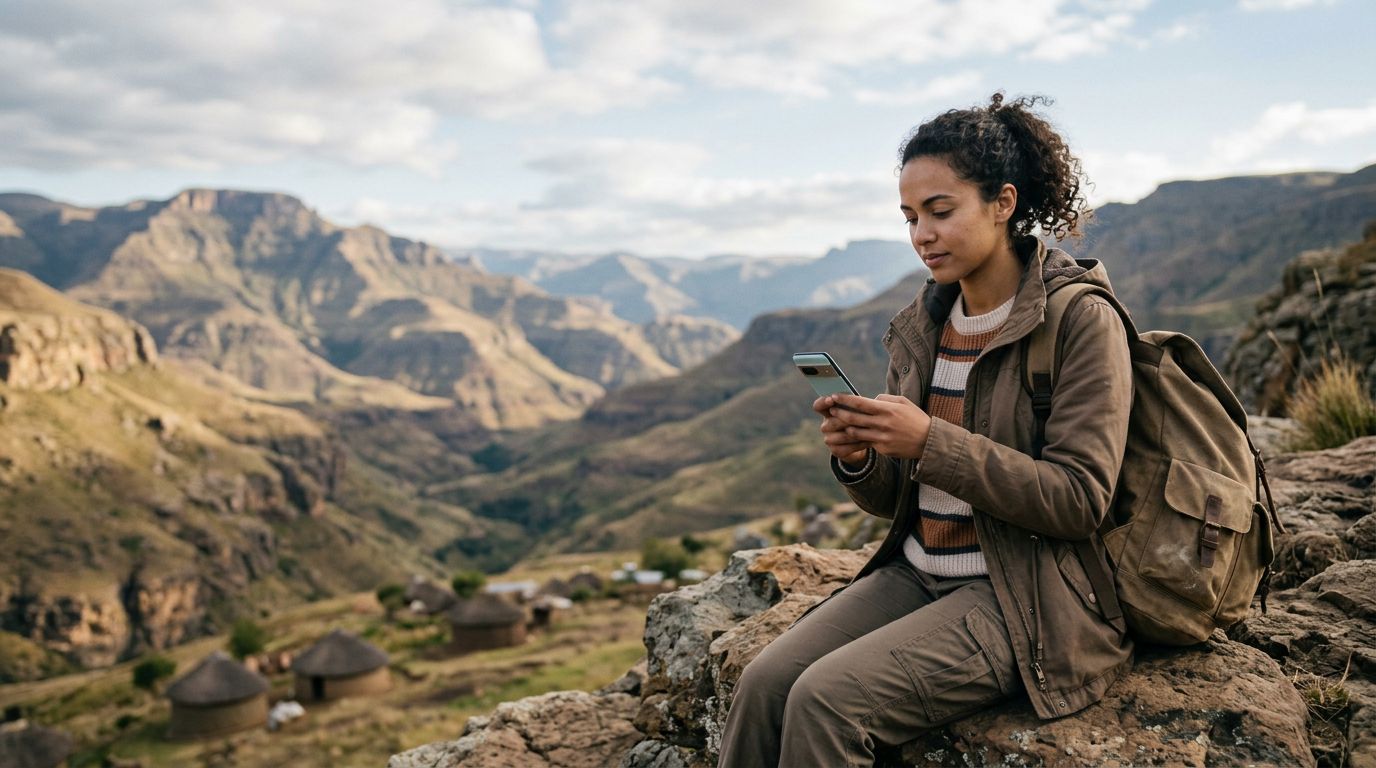
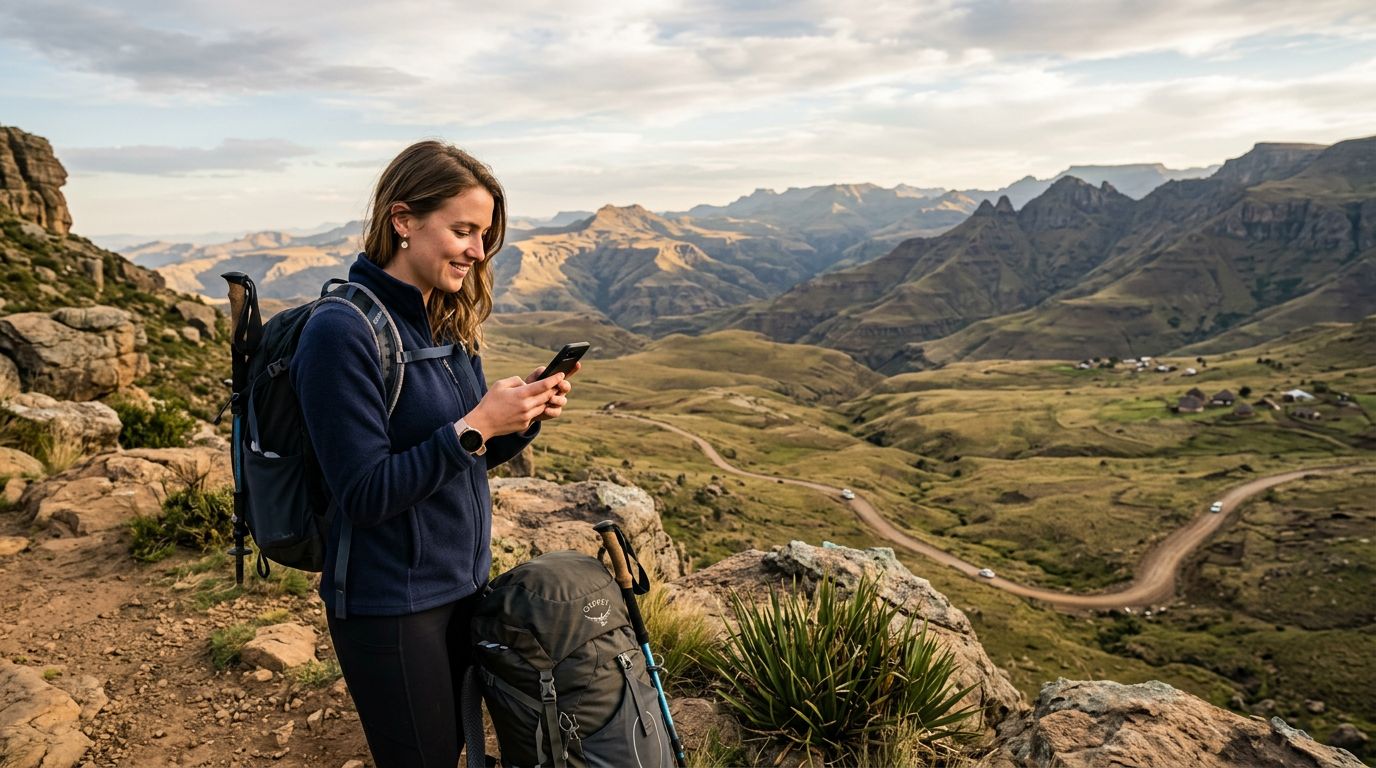
Lesotho is a destination defined by its dramatic landscapes, high-altitude plateaus, and rugged mountain passes. Whether you are traveling to explore the Maloti Mountains, visiting the local craft villages, or trekking through Sehlabathebe National Park, staying connected is essential for safety and convenience. When planning your trip, one of the first logistical hurdles you will face is deciding how to manage your mobile data. The debate between a traditional Lesotho SIM card vs eSIM is one that every modern traveler encounters.
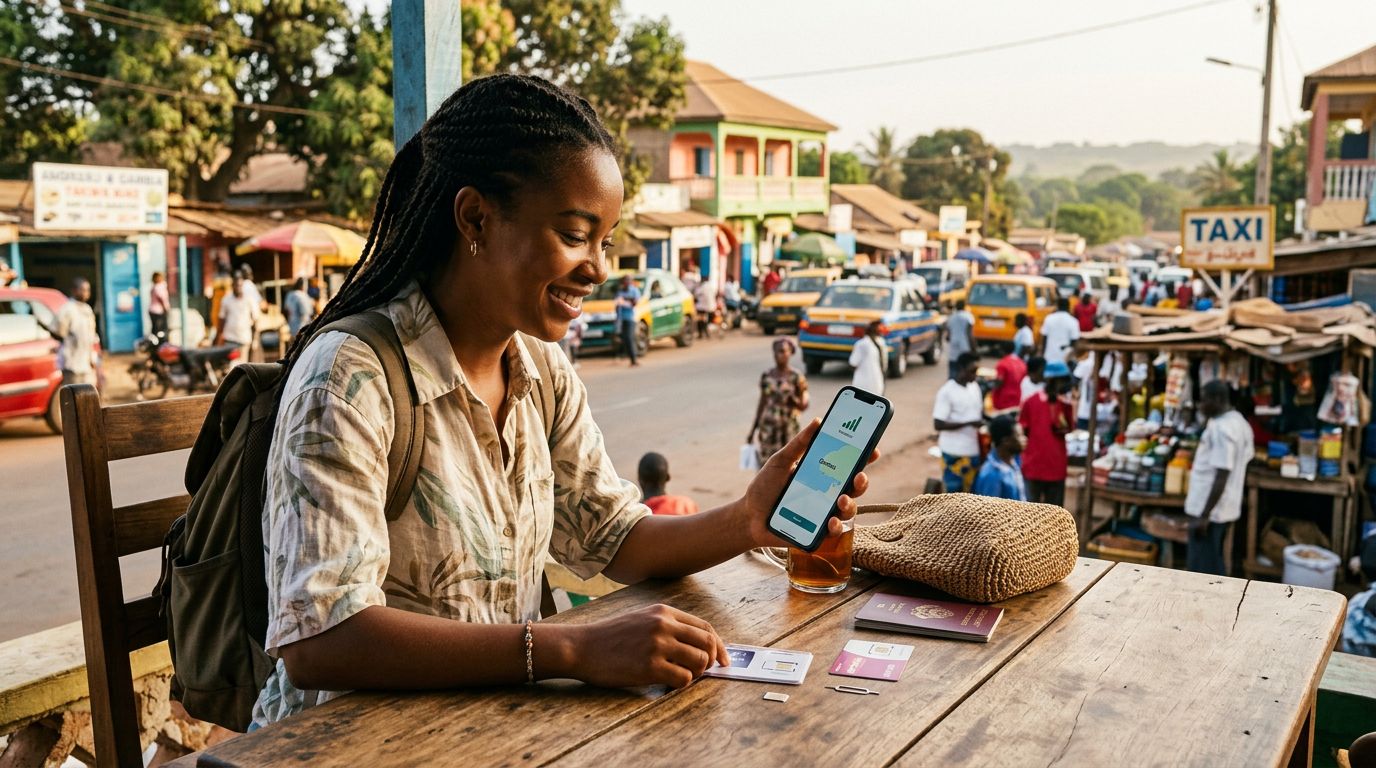
A traditional physical SIM card has been the standard for decades. It involves visiting a local mobile provider’s kiosk, presenting your passport for registration, and physically swapping out your existing SIM card. While this method is reliable, it comes with a few inherent risks. You might lose your home SIM card during the swap, or you might find yourself waiting in long queues at the airport or in Maseru after a tiring flight.
On the other hand, an eSIM—or embedded SIM—is a digital alternative. It is a small chip built into your smartphone that allows you to download a mobile plan directly over the internet. Because it is entirely digital, you can activate your connectivity before your plane even touches down on the runway. For travelers heading to a destination as remote and mountainous as Lesotho, the convenience of having a digital solution ready to go is a significant advantage.
Comparing the Practicality of Physical SIMs and eSIMs
When weighing a Lesotho SIM card vs eSIM, the primary factor is convenience versus accessibility. A physical SIM card requires you to interact with local vendors. In Lesotho, mobile network operators generally require registration for all new SIM cards. This means you must have your passport ready and be prepared to spend time at a service center. If you arrive in the country late at night or on a weekend, you might find that these service centers are closed, leaving you without data until you can find an open shop.
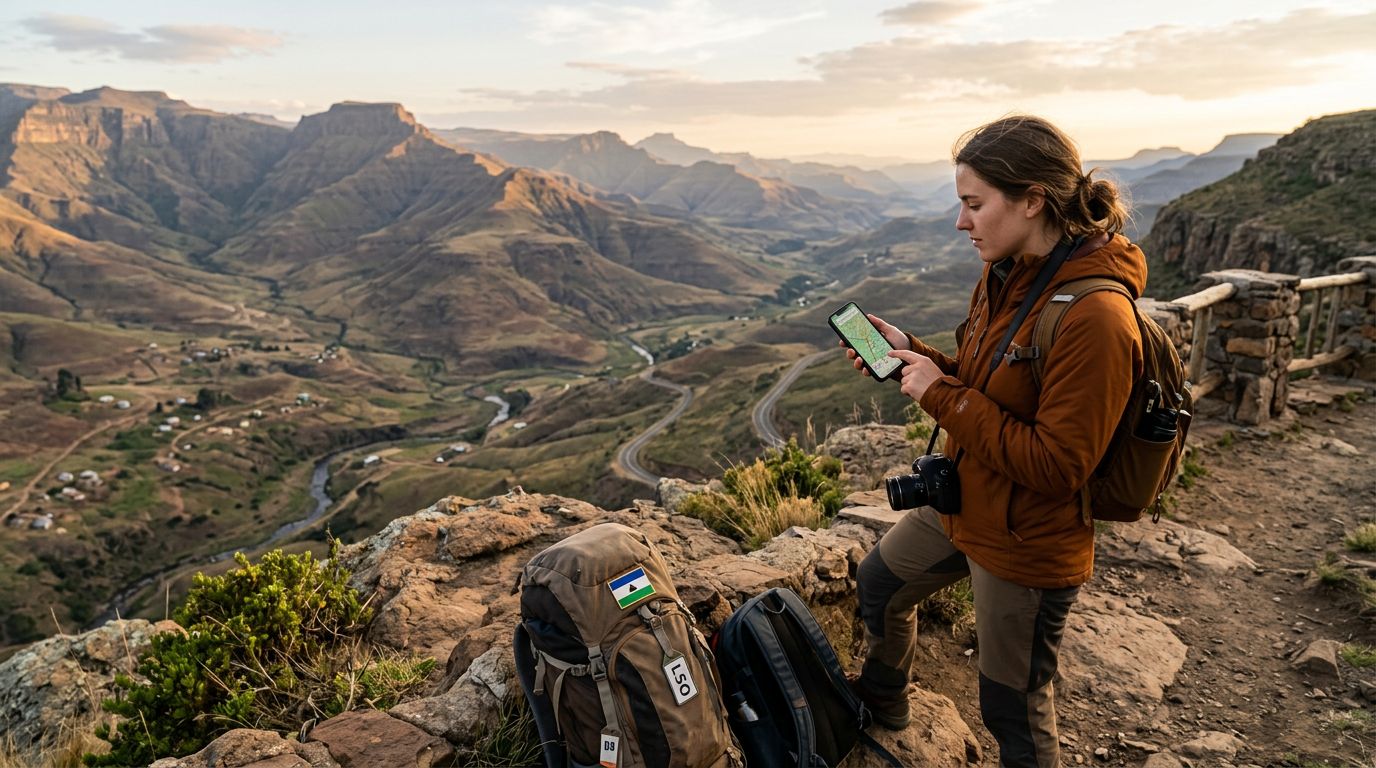
An eSIM removes these barriers. By using a service like OneTapSIM, you can select and install your data plan well in advance. Once you land in Lesotho, your phone connects to the local network automatically. This is particularly beneficial for travelers who rely on GPS navigation to reach remote lodges or mountain retreats. Having immediate access to maps and messaging apps from the moment you exit the aircraft provides a level of peace of mind that physical SIM cards struggle to match.
Another practical consideration is the risk of damage or loss. Physical SIM cards are tiny, delicate pieces of plastic. If you are hiking, mountain biking, or pony trekking through the Lesotho highlands, the process of swapping SIM cards involves a high risk of dropping or losing your home SIM. If you lose your home card, you face a major headache upon returning to your home country. An eSIM stays safely inside your device, meaning you never have to remove your primary SIM card. You can keep your home number active for important calls or texts while using the eSIM exclusively for your data needs.
Which Option is Right for Your Lesotho Adventure?
Deciding between a Lesotho SIM card vs eSIM ultimately depends on your device compatibility and your travel style. To use an eSIM, your smartphone must be carrier-unlocked and eSIM-compatible. Most modern smartphones released in the last few years support this technology, but it is always wise to check your device settings or the manufacturer's support pages to confirm compatibility before you travel.
If you are a traveler who prefers a "set it and forget it" approach, the eSIM is the clear winner. You can manage your data usage, monitor your balance, and ensure you have connectivity throughout your entire journey without ever needing to visit a physical store. It is an ideal choice for those who value efficiency and want to spend their time experiencing the beauty of the Drakensberg or the cultural heritage of the Basotho people rather than managing mobile logistics.
However, if you are using an older device that does not support eSIM technology, a physical SIM card remains a perfectly viable option. Lesotho has a functional mobile infrastructure, and local providers offer coverage that reaches many of the populated areas. If you choose this route, ensure you have your passport readily available and research the operating hours of the mobile kiosks at the airport or in the city center.
When you use a service like OneTapSIM, the process is streamlined to ensure you spend less time configuring settings and more time enjoying the scenery. By choosing a digital plan, you avoid the language barriers and potential confusion that can sometimes occur when purchasing a local SIM card in a foreign country. Whether you are traversing the Sani Pass or exploring the capital, having a reliable data connection ensures you can share your experiences, check weather updates, and stay in touch with your travel companions without interruption.
Ultimately, the best choice is the one that aligns with your technical capabilities and your desire for a smooth travel experience. While physical SIM cards have served travelers well for years, the transition toward digital connectivity is making trips to unique destinations like Lesotho easier than ever before. By preparing your connectivity strategy before you leave home, you ensure that your focus remains on the adventure ahead rather than the logistics of your phone.