Understanding the Connectivity Landscape in The Gambia
Planning a trip to The Gambia, whether for the vibrant markets of Banjul or the serene beaches of Kololi, requires careful preparation regarding how you will stay connected. Accessing the internet while traveling is no longer a luxury; it is a necessity for using maps, translating languages, booking transport, and keeping in touch with home. When you arrive, you are generally faced with two primary choices for mobile data: the traditional physical SIM card or the modern digital eSIM.
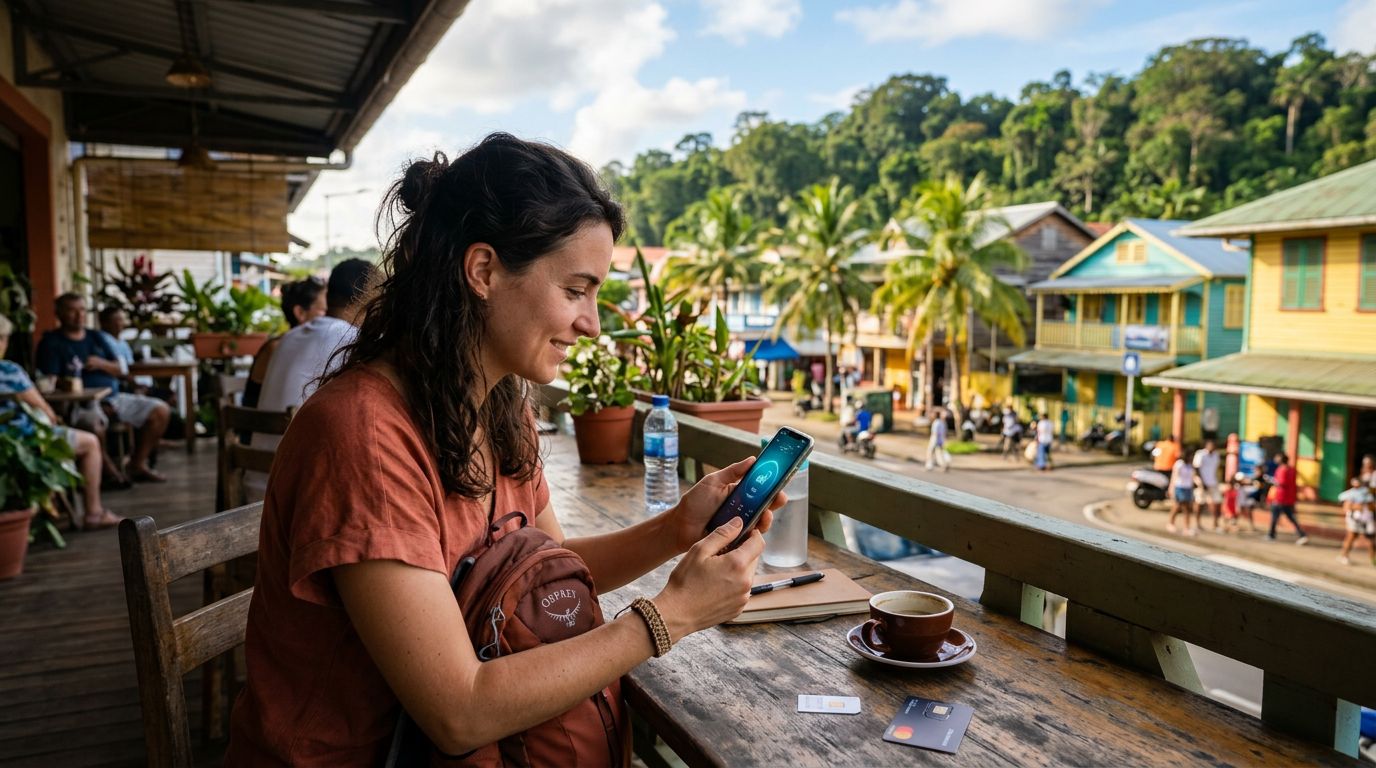
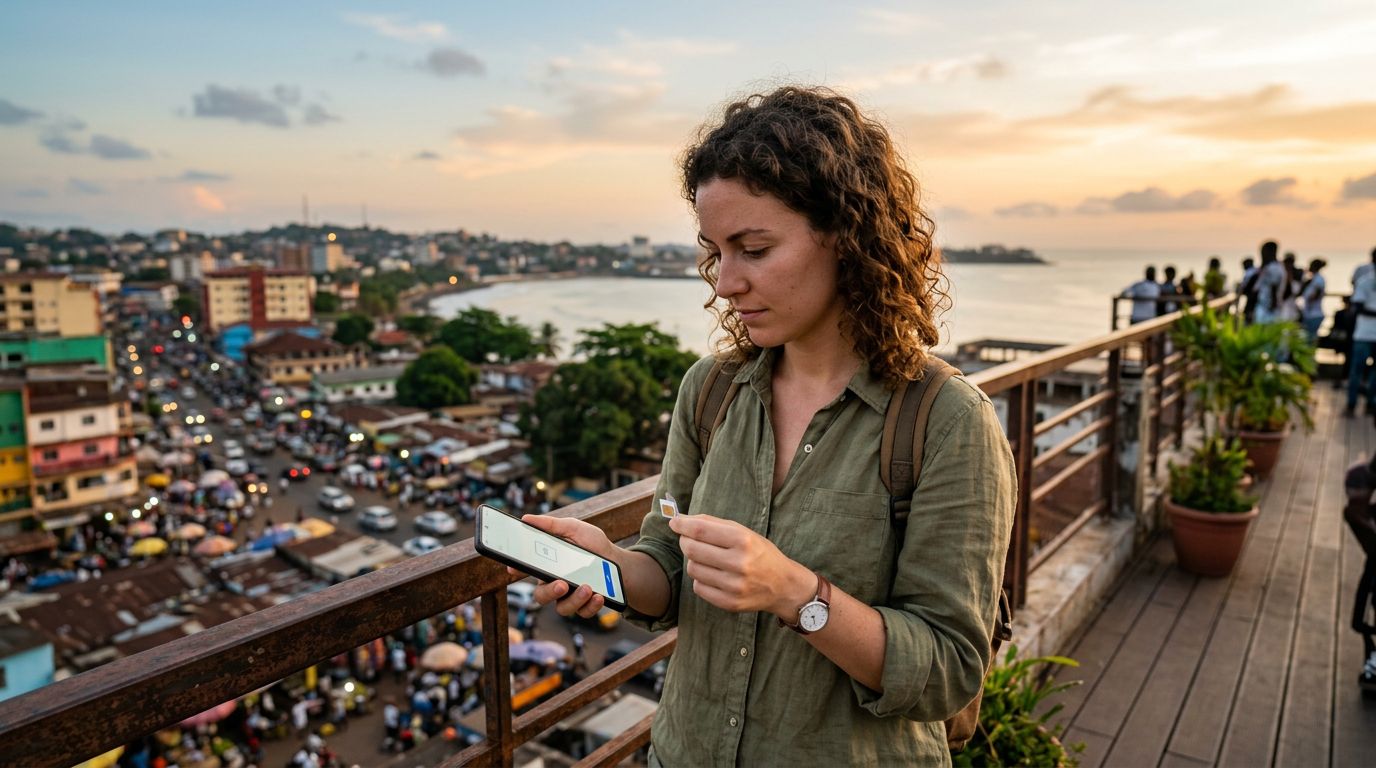
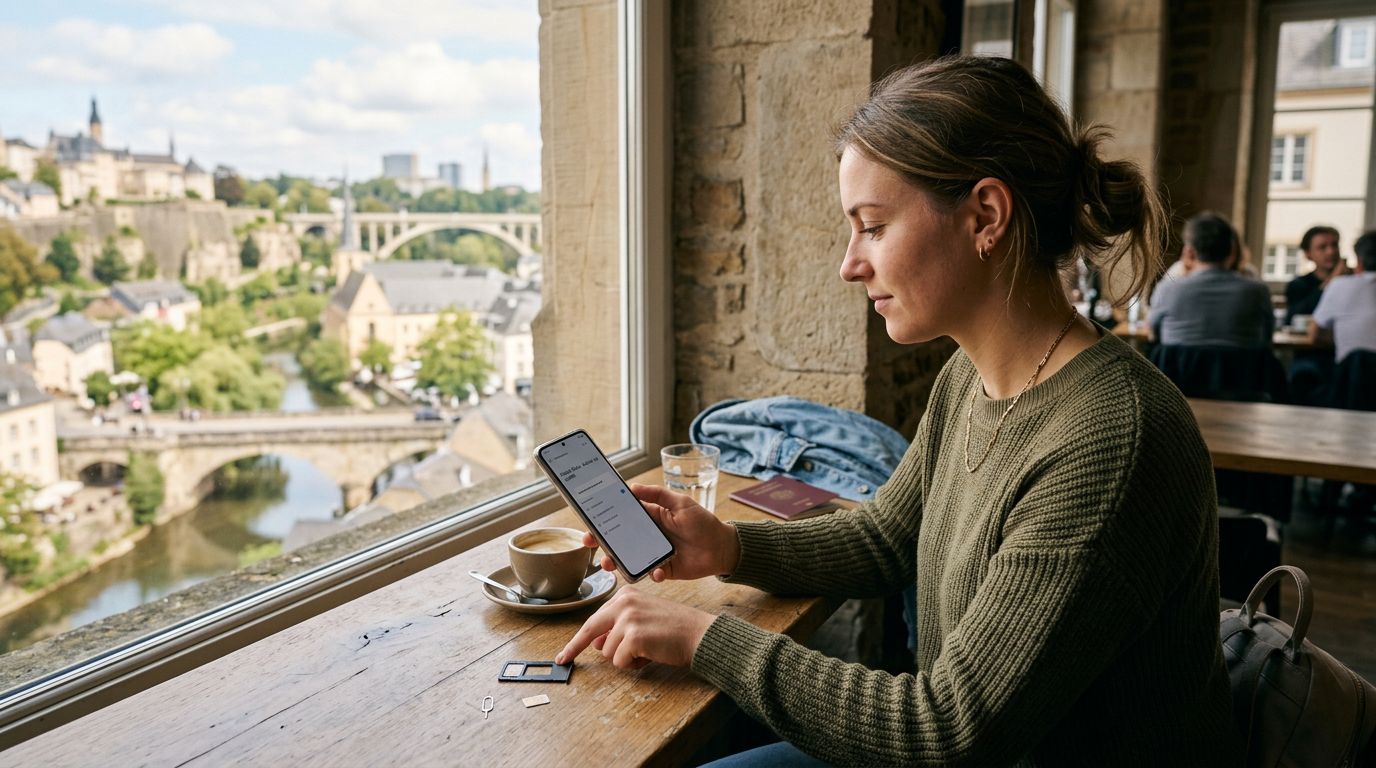
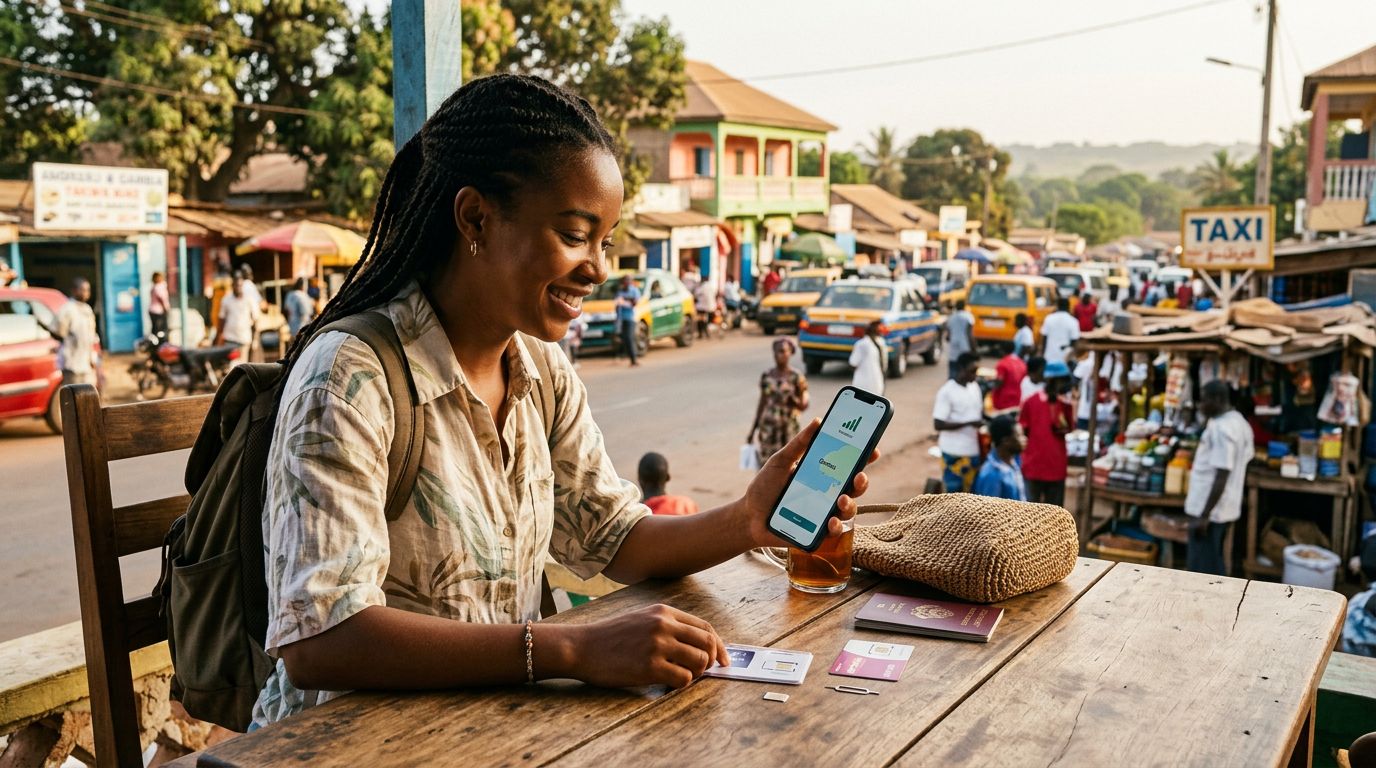
The Gambia has a well-established telecommunications infrastructure, but the process of acquiring a physical SIM card can be cumbersome for a visitor. When you choose a physical card, you must locate a local provider’s shop, present your passport for registration, and physically swap out your home SIM card. This process often involves waiting in queues and navigating language barriers at retail kiosks. If you lose your home SIM card during the swap, you face a significant logistical headache when you return home.
In contrast, the eSIM technology is designed to eliminate these physical constraints. An eSIM is a digital version of a SIM card that is embedded directly into the hardware of your smartphone. By using an eSIM, you do not need to remove your home SIM card or visit a physical store. You simply download a profile, activate it, and you are ready to browse the moment your plane touches down. For travelers who value efficiency and want to avoid the administrative hurdles of local registration, the eSIM has become the standard choice.
Comparing the Practicality of Physical SIMs and eSIMs
When weighing the Gambia SIM card vs eSIM debate, the primary factor is convenience. With a physical SIM card, you are beholden to the operating hours of local shops. If you arrive late at night or on a weekend, you might find yourself without connectivity until the following business day. Furthermore, physical cards are fragile. They can be damaged, lost, or misplaced during the transition, leaving you disconnected in a foreign country.
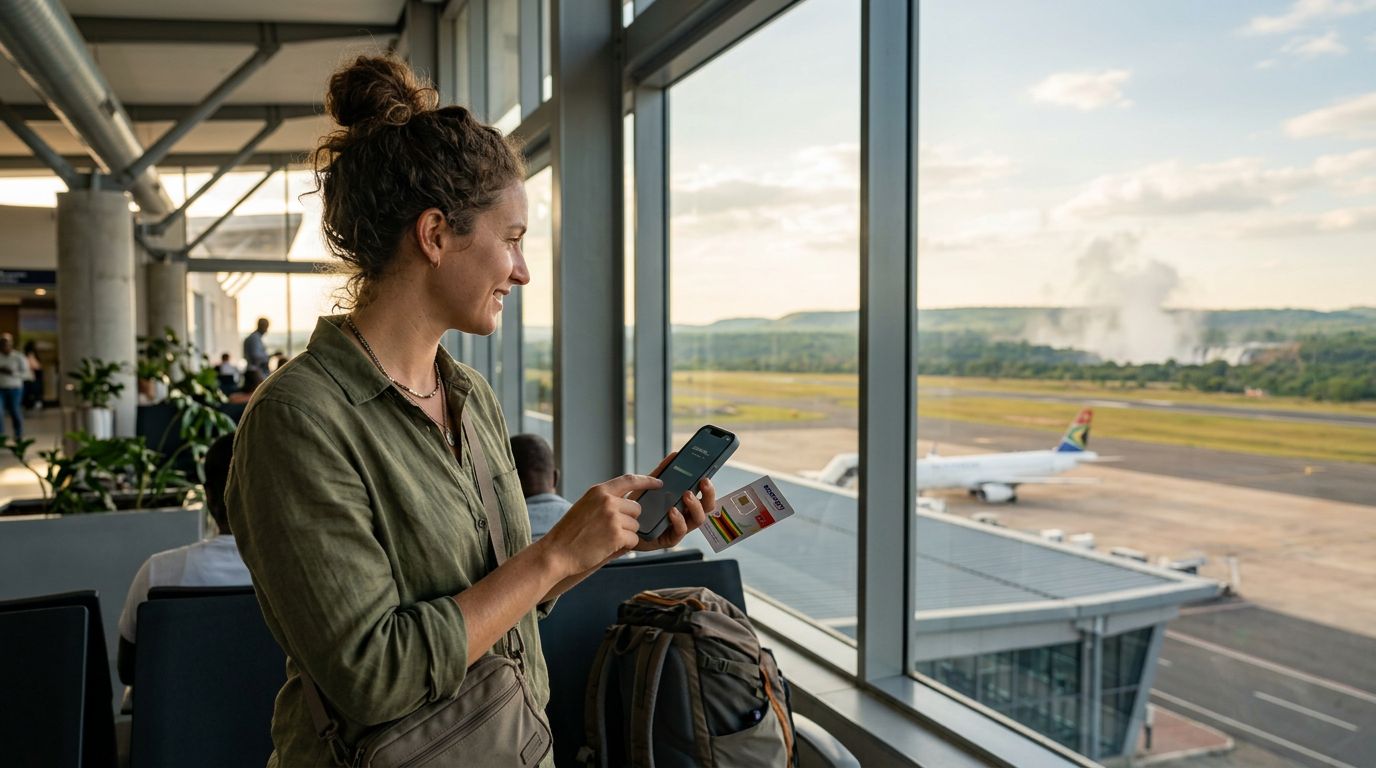
eSIMs offer a significant advantage in terms of preparation. You can purchase and install your data plan before you even leave your home country. By using a service like OneTapSIM, you can ensure that your device is configured and ready to go before you board your flight. Once you land at Banjul International Airport, your phone will automatically connect to the local network partner, allowing you to call an Uber or check your hotel reservation immediately. This seamless transition is a major benefit for anyone who prefers to hit the ground running without spending their first few hours in a new country hunting for a phone shop.
Another consideration is device management. Modern smartphones often allow you to keep your primary SIM card active for incoming calls or SMS, while using the eSIM specifically for data. This means you can maintain your home number for urgent messages while enjoying the cost-effective data rates of a travel plan. With a physical SIM, you would have to remove your home card entirely, effectively cutting off your primary line of communication unless your phone supports dual physical SIM slots, which is increasingly rare in many markets.
Technical Requirements and Compatibility
Before deciding on your connectivity method, you must ensure your device is compatible. eSIM technology is supported by most modern smartphones released in the last few years. If you are using a recent model from major manufacturers, your device is likely eSIM-compatible. It is always a good practice to check your device settings to confirm that the "Add eSIM" or "Add Cellular Plan" option is available.
For those who are unsure about their device status, checking the official support pages for your manufacturer, such as the resources provided by Apple or Google, can provide clarity. If your device is locked to a specific carrier, you may need to contact your home provider to request a network unlock before you travel. This is a critical step; if your phone is locked, it will not accept a local physical SIM or an eSIM from a third-party provider.
OneTapSIM provides a streamlined interface that helps you verify if your device is ready for an eSIM. By utilizing an eSIM, you are also contributing to a more sustainable travel experience. Physical SIM cards require plastic manufacturing, packaging, and shipping, all of which generate waste. An eSIM is entirely digital, making it the environmentally conscious choice for the modern traveler.
Ultimately, the choice between a Gambia SIM card vs eSIM comes down to your personal travel style. If you enjoy the traditional experience of visiting local shops and interacting with residents to set up your phone, a physical SIM card might be a nostalgic choice. However, for the vast majority of travelers, the efficiency, security, and ease of use provided by an eSIM make it the superior option. By choosing an eSIM, you save time, protect your home SIM card, and ensure that you remain connected throughout your Gambian adventure without the unnecessary stress of physical hardware swaps. Whether you are exploring the River Gambia or relaxing in a coastal resort, having reliable data at your fingertips ensures your trip is as smooth and enjoyable as possible.
Get an eSIM for
Plans for the destinations covered in this guide, with instant QR delivery.