Choosing Your Connectivity Method in Georgia
Planning a trip to Georgia involves more than just picking the right mountain trails or wine regions; it requires a strategy for staying connected. Whether you are navigating the winding streets of Tbilisi, searching for the best khinkali in a mountain village, or sharing photos of the Caucasus Mountains, having a reliable internet connection is essential. Travelers often find themselves choosing between a traditional physical SIM card and a modern eSIM. Understanding the differences between these two options is the first step toward a stress-free travel experience.
A physical SIM card is the traditional method most travelers have used for years. It involves visiting a local carrier’s shop, presenting your passport, and physically swapping out the small chip inside your phone. On the other hand, an eSIM is a digital version of a SIM card. It is embedded directly into your phone’s hardware, allowing you to download a digital profile that grants you access to cellular networks without needing a physical card.
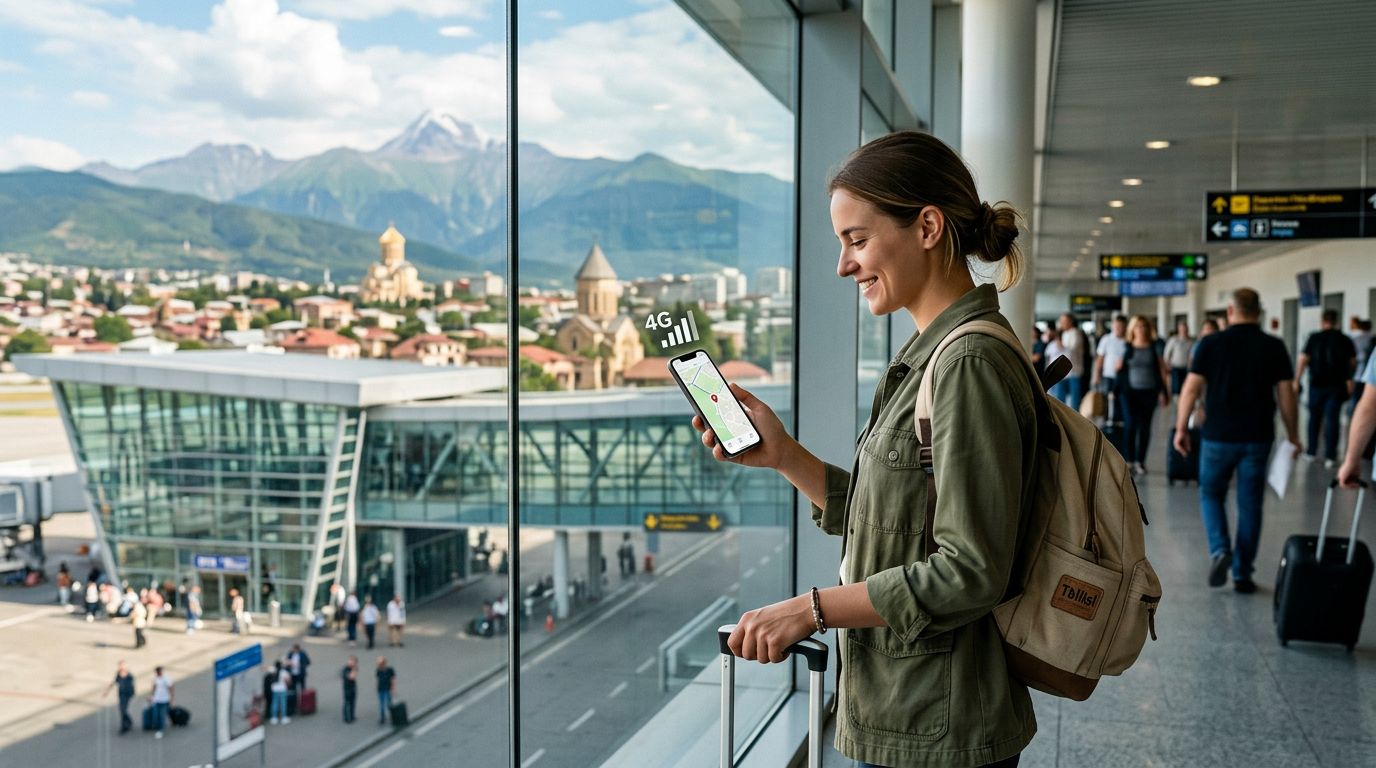
When comparing a Georgia SIM card vs eSIM, the primary factors to consider are convenience, security, and device compatibility. While physical SIM cards are widely available, they often require you to spend your precious vacation time waiting in lines at airport kiosks or mobile stores. An eSIM, by contrast, can be set up before you even board your flight, ensuring that you have connectivity the moment your plane touches down at Shota Rustaveli Tbilisi International Airport.
The Pros and Cons of Physical SIM Cards
Physical SIM cards have been the standard for international travel for decades. In Georgia, major mobile network operators have kiosks located at airports and throughout city centers. The main advantage of a physical SIM is its universal compatibility. If you have an older smartphone or a device that does not support eSIM technology, a physical card is your only option. Furthermore, some travelers prefer the tangible nature of a physical card, feeling that it is easier to manage or troubleshoot if something goes wrong.
However, the downsides are significant. The process of acquiring a local SIM card can be tedious. You must find a store, wait for a representative, provide identification documents, and physically handle a tiny piece of plastic that is very easy to lose. Once you remove your original SIM card, you must keep it in a safe place for the duration of your trip. If you lose your home SIM card while traveling, you may face significant difficulties when trying to restore your original phone number upon returning home.
Additionally, physical SIM cards are limited by the physical infrastructure of the provider. If you arrive late at night or on a holiday, you might find that the airport kiosks are closed, leaving you without a way to call a taxi or check your hotel reservation until the next morning. This is where the flexibility of a digital solution starts to look much more appealing to the modern traveler.
Why eSIMs Are Changing the Travel Landscape
The shift toward eSIM technology has transformed how people connect while abroad. With an eSIM, you remove the need for physical interaction with a vendor. You can purchase your data plan online, receive a QR code or an activation link, and install it on your device in minutes. For those using services like OneTapSIM, the process is streamlined to ensure that you spend less time configuring settings and more time exploring the historic sites of Mtskheta or the beaches of Batumi.
One of the greatest benefits of an eSIM is the ability to maintain your home SIM card in your phone simultaneously. Most modern smartphones allow you to have multiple eSIM profiles or a combination of a physical SIM and an eSIM active at the same time. This means you can keep your home number active to receive important texts or calls while using your eSIM for high-speed data. You no longer have to choose between being reachable on your primary number and having affordable data for maps and social media.
Security is another often-overlooked advantage. Because an eSIM is digital, there is no physical card that can be stolen or damaged. If you lose your phone, your connectivity profile is tied to your device’s internal hardware, and you can manage your plans through secure digital portals. Furthermore, since the setup happens over Wi-Fi, you are never left in a vulnerable position at an airport or bus station trying to figure out how to get online.
Making the Final Decision for Your Georgian Adventure
When deciding between a Georgia SIM card vs eSIM, your choice should be based on your specific device capabilities and your travel style. Before making a purchase, you should verify that your smartphone is unlocked and supports eSIM technology. Most flagship devices released in the last few years are fully compatible. You can check your device settings or consult the manufacturer’s support pages to confirm if your phone is ready for an eSIM.
If you are a traveler who values efficiency and wants to avoid the hassle of local bureaucracy, an eSIM is the superior choice. It allows you to hit the ground running. You can land in Georgia, switch your data source to your eSIM profile, and immediately access ride-sharing apps or translation tools. The peace of mind that comes with being connected before you even leave your home country is invaluable.
However, if you are traveling with an older device or feel more comfortable with a physical card, local SIM options in Georgia are still robust and widely available. The local network coverage in Georgia is generally good in urban areas, though it can become spotty in remote mountainous regions like Svaneti or Tusheti. Regardless of which method you choose, ensure that you have downloaded offline maps and essential travel documents before heading into the more rugged parts of the country.
Ultimately, the goal is to enhance your travel experience, not complicate it. By opting for a digital solution like OneTapSIM, you eliminate the friction of physical cards and gain the flexibility to manage your connectivity from anywhere. As you prepare for your journey through the heart of the Caucasus, consider how much your time is worth. Choosing the right connectivity option ensures that you stay focused on the incredible culture, food, and landscapes that Georgia has to offer, rather than worrying about your mobile settings. Whether you choose the traditional route or the digital path, being prepared is the key to a memorable trip.
Get an eSIM for
Plans for the destinations covered in this guide, with instant QR delivery.