Understanding Your Connectivity Options in Gabon
Traveling to Gabon offers a unique experience, from the dense rainforests of Lopé National Park to the coastal beauty of Libreville. However, staying connected while exploring this diverse country requires a bit of planning. When you arrive, you are generally faced with two primary choices: a traditional physical SIM card or a modern eSIM.
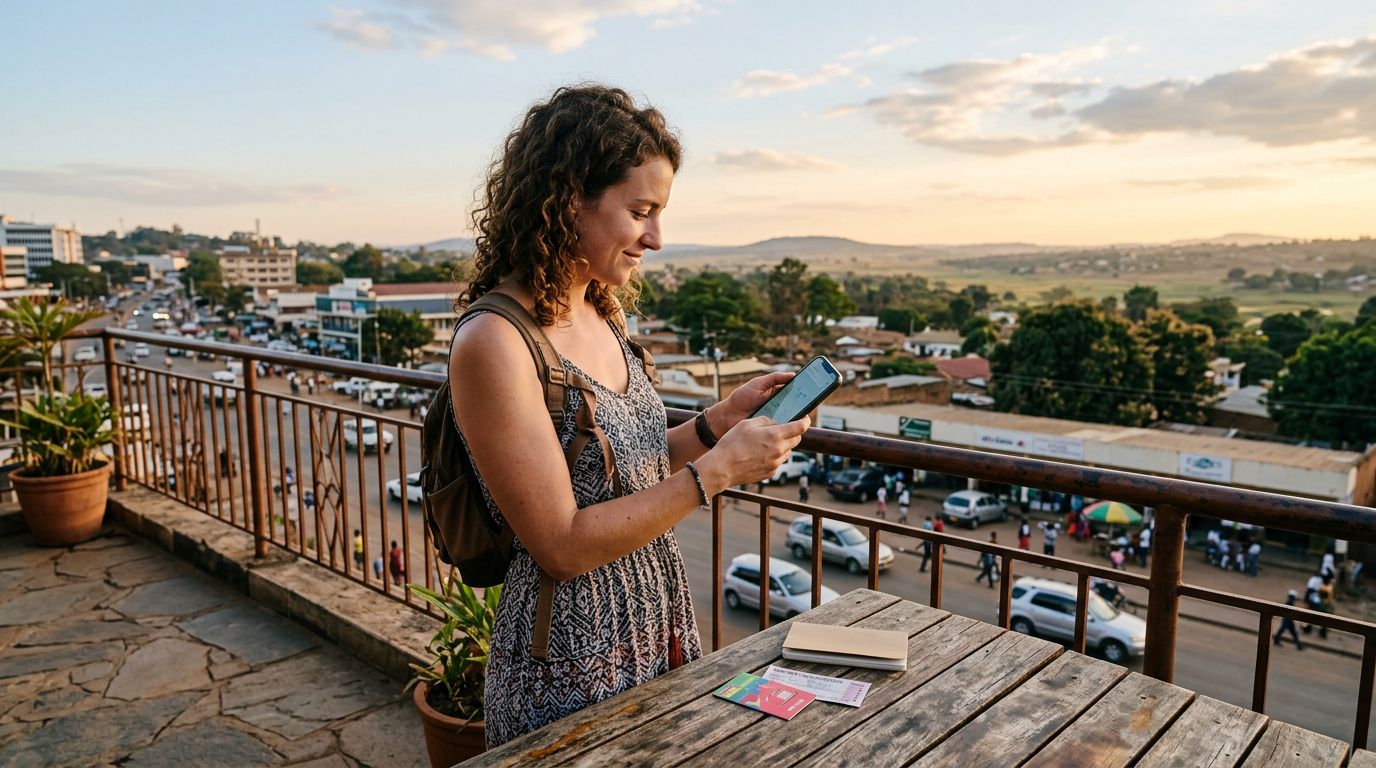
A traditional SIM card is the standard plastic chip that has been the backbone of mobile connectivity for decades. To use one, you must locate a mobile provider’s kiosk, present your identification, purchase the card, and physically insert it into your device. This process often involves waiting in lines at the airport or searching for a shop in the city center.
On the other hand, an eSIM is a digital version of that same technology. It is embedded directly into the hardware of compatible smartphones. Instead of swapping out a physical card, you download a digital profile that allows your phone to connect to local networks instantly. For travelers, the debate between a Gabon SIM card vs eSIM often comes down to convenience versus tradition. By choosing a digital solution through providers like OneTapSIM, you can bypass the physical logistics of finding a store and start using your data the moment you land.
The Pros and Cons of Physical SIM Cards
Physical SIM cards have been the reliable standard for international travelers for years. The primary advantage of a physical SIM is its universal compatibility. If you have an older smartphone or a device that does not support eSIM technology, a physical card is your only option. Furthermore, some travelers prefer the physical nature of the card, feeling that it provides a tangible connection to the local network infrastructure.
However, there are significant drawbacks to relying on physical SIMs in Gabon. The most prominent issue is the requirement for manual installation. You must open your phone’s SIM tray, remove your home SIM card, and store it safely to avoid losing it. If you misplace your home SIM, you may face significant challenges when you return to your home country.
Additionally, the process of acquiring a physical SIM in Gabon can be time-consuming. You may need to navigate language barriers at a retail outlet, provide copies of your passport, and wait for the staff to register the card on the local network. This can be frustrating after a long flight, especially if you need to call a taxi or access a map immediately upon arrival. There is also the risk of the card being damaged or failing to seat properly in the tray, leading to connectivity issues that are difficult to troubleshoot without professional help.
Why eSIM Technology is Changing Travel
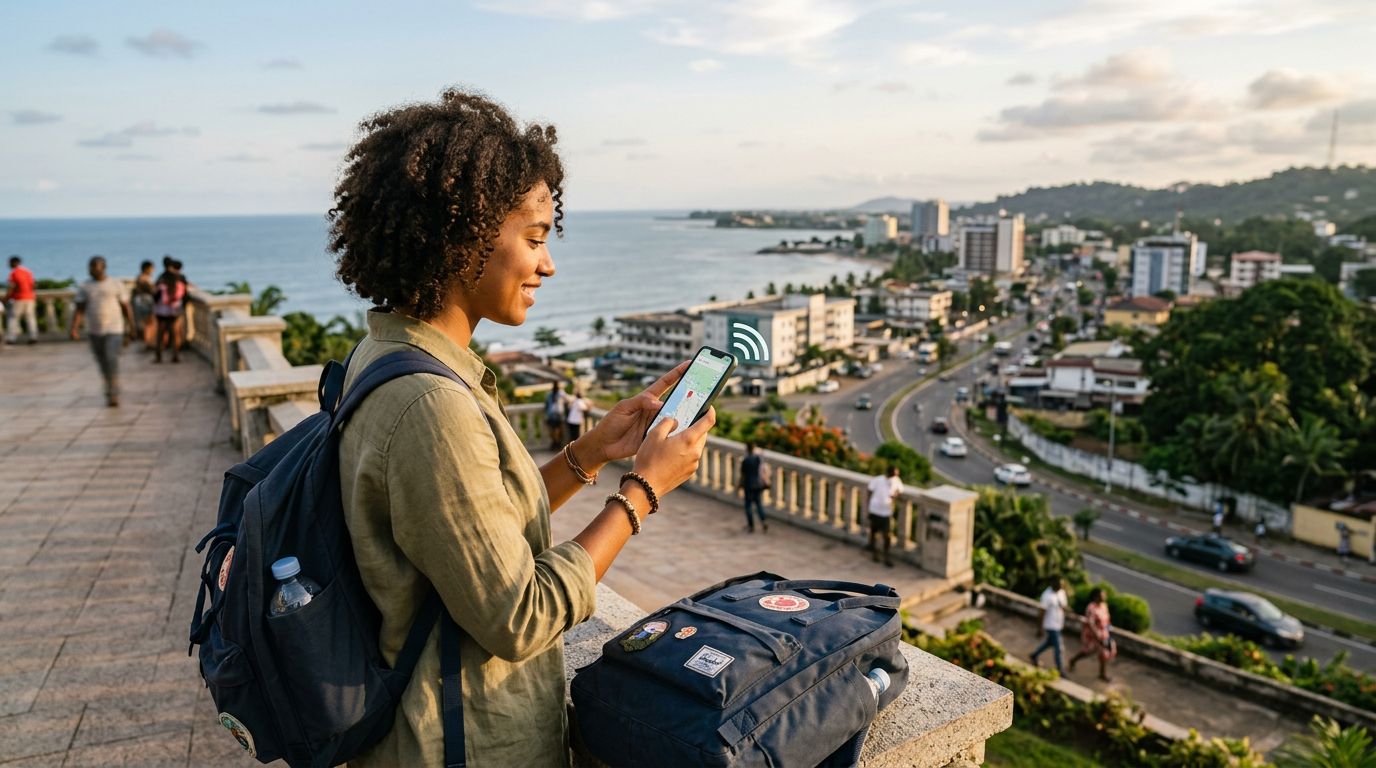
The shift toward eSIM technology is driven by the need for seamless, frictionless connectivity. With an eSIM, the entire activation process happens digitally. Before you even depart, you can purchase your data plan. Once you arrive in Gabon, you simply activate the profile on your device, and your phone connects to the local network automatically.
One of the greatest benefits of an eSIM is the ability to keep your home SIM card active simultaneously. Many modern smartphones allow for dual-SIM functionality, meaning you can keep your primary number active for incoming calls or texts from home while using your eSIM for local data. This ensures you remain reachable for emergencies while avoiding the exorbitant roaming fees typically charged by home carriers.
Security is another factor where eSIMs excel. Because there is no physical card to remove, you do not have to worry about losing your home SIM. If your phone is lost or stolen, your digital profile can often be managed or deactivated remotely. Furthermore, the environmental impact of eSIMs is lower, as they eliminate the need for plastic manufacturing, shipping, and packaging associated with traditional SIM cards.
For those using services like OneTapSIM, the experience is designed to be as intuitive as possible. The setup involves scanning a QR code or entering a manual activation string provided after purchase. This removes the need for physical interaction with vendors and allows you to maintain control over your connectivity from the start of your trip to the end.
Choosing the Right Solution for Your Gabon Trip
When deciding between a Gabon SIM card vs eSIM, consider your specific hardware and your travel style. First, verify that your device is carrier-unlocked and supports eSIM technology. You can usually check this in your phone’s settings menu or by consulting the manufacturer’s support documentation. If your phone is locked to a specific carrier, you will be unable to use an eSIM, and a physical SIM card will be your only viable path.
If your device is compatible, the eSIM is almost always the superior choice for convenience. It saves you time, keeps your home number accessible, and offers a cleaner, more modern interface for managing your data usage. It is particularly beneficial for travelers who are visiting multiple locations within Gabon or who prefer to have their connectivity sorted before they leave home.
Conversely, if you are traveling for an extended period or if you find yourself in extremely remote areas where local network support for eSIMs might be less robust, you might consider the physical SIM as a backup. However, as global infrastructure improves, eSIMs are becoming the standard for international roaming.
Ultimately, the goal is to enjoy your time in Gabon without the stress of losing connectivity. Whether you choose the traditional route or the digital path, ensure you have a plan in place before you arrive. By opting for a modern digital solution, you can spend less time searching for a mobile shop and more time enjoying the unique landscapes and culture that Gabon has to offer. If you value efficiency and want to avoid the common pitfalls of international travel logistics, an eSIM is a reliable and effective way to stay connected throughout your journey.
Get an eSIM for
Plans for the destinations covered in this guide, with instant QR delivery.