Understanding Connectivity Options in Madagascar
Planning a trip to Madagascar involves preparing for a unique environment where infrastructure can be challenging. Whether you are trekking through the Avenue of the Baobabs or exploring the biodiversity of Ranomafana National Park, staying connected is essential for safety and navigation. When considering your mobile options, the debate between a traditional physical Madagascar SIM card vs eSIM is the first decision you must make.
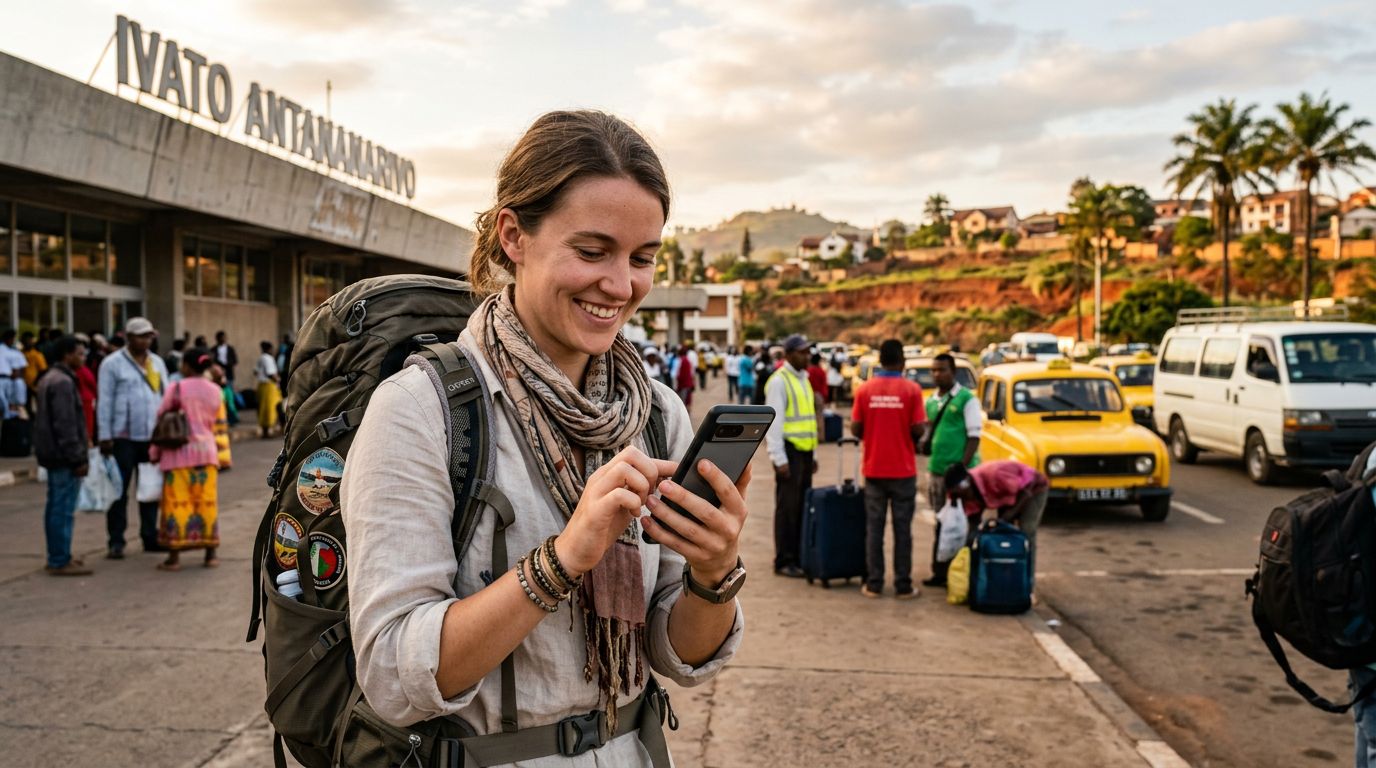
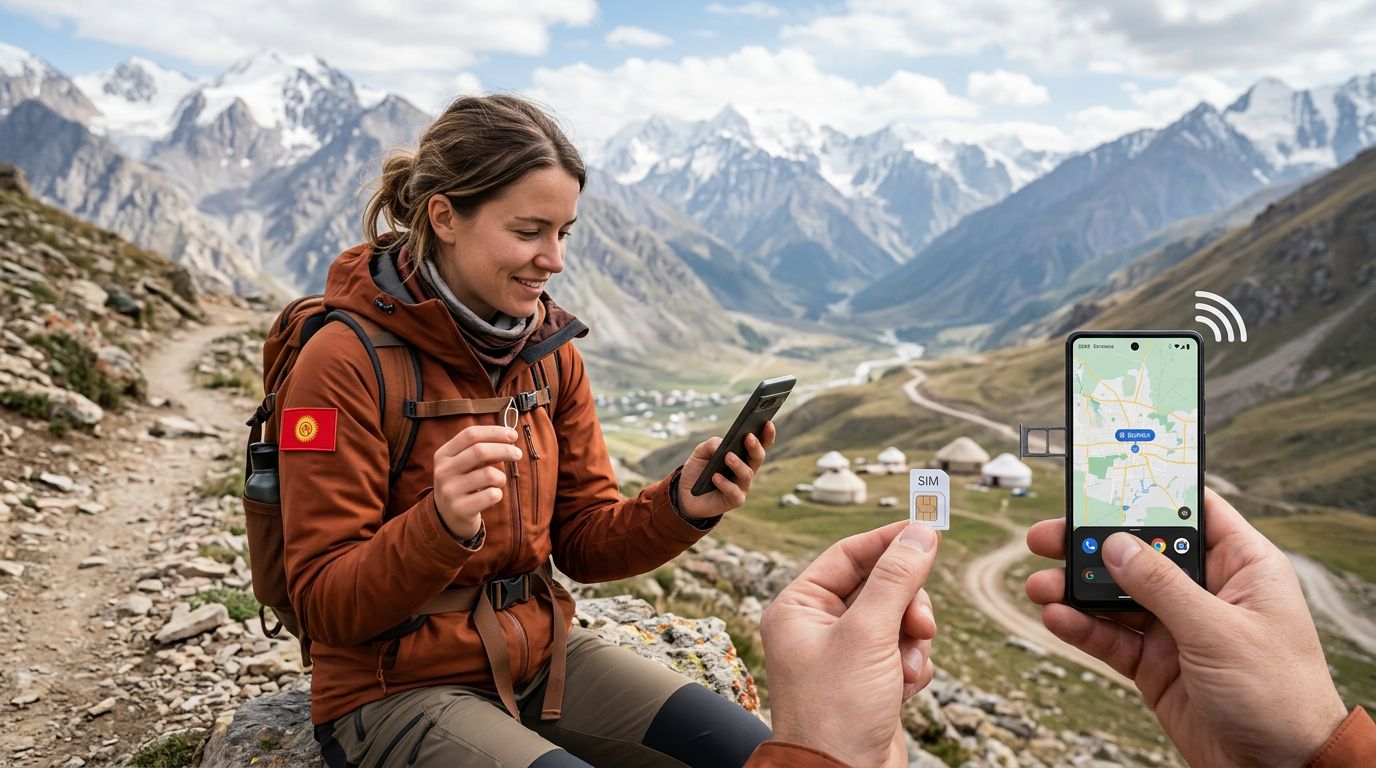
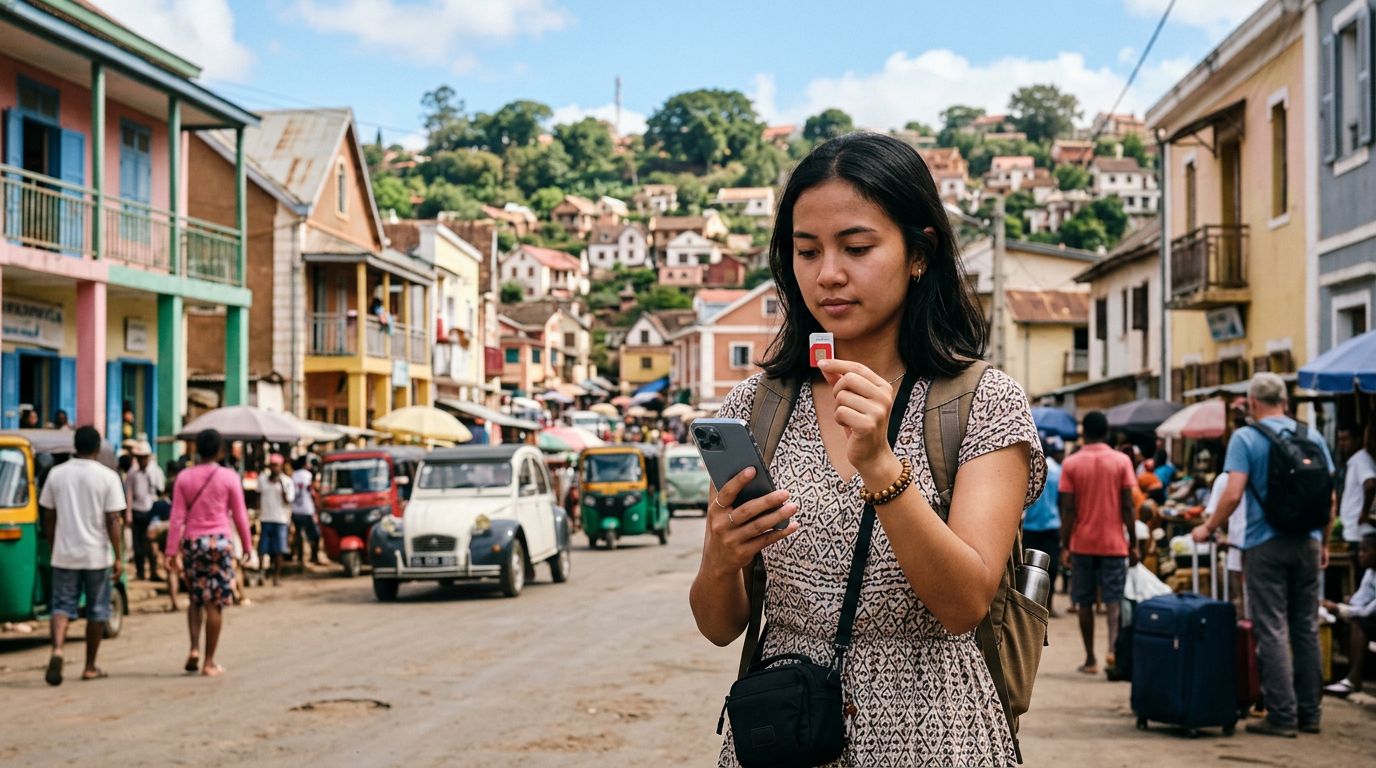
A physical SIM card is the traditional method of connecting to a local network. Upon arrival at Ivato International Airport or in major cities like Antananarivo, you can visit a kiosk operated by local telecommunications providers. This involves physically swapping out your home SIM card for a local one. While this method has been the standard for decades, it requires you to handle small hardware, keep track of your original SIM card to avoid losing it, and often navigate language barriers at a physical store.
On the other hand, an eSIM is a digital version of a SIM card embedded directly into your device’s hardware. It allows you to activate a cellular plan without needing a physical chip. For travelers, this means you can set up your connectivity before you even board your flight. By choosing an eSIM, you bypass the need to visit a shop or wait in queues after a long international journey.
Comparing Convenience and Practicality
The primary difference between these two technologies lies in the user experience. With a physical SIM card, you are tethered to the operating hours of local shops. If your flight arrives late at night or on a weekend, you might find yourself without connectivity until the following morning. Furthermore, there is the inherent risk of losing your home SIM card while it is removed from your phone. If you misplace your original card, you may face significant difficulties receiving two-factor authentication codes or messages from home once you return.
An eSIM offers a much more streamlined process. Providers like OneTapSIM allow you to purchase and install your data plan digitally. Once you land in Madagascar, your phone automatically switches to the local network covered by your eSIM profile. This is particularly beneficial for travelers who prioritize efficiency and want to start using maps, translation apps, or ride-sharing services the moment they step off the plane.
Another practical consideration is the management of multiple numbers. Many modern smartphones allow you to keep your home SIM active for calls and SMS while using an eSIM for data. This ensures you remain reachable on your primary number for urgent matters while enjoying the cost-effective and reliable data provided by the eSIM. With a physical SIM card, you would have to choose between your home number and the local number, or carry a second device entirely.
Compatibility and Technical Requirements
Before deciding between a physical SIM card and an eSIM, you must verify that your device is compatible. Most high-end smartphones released in the last few years support eSIM technology. You can check your device settings or consult the manufacturer's support pages to confirm if your phone is eSIM-capable and carrier-unlocked. If your phone is locked to a specific carrier, it will not accept an eSIM from a third-party provider, and you would be forced to use a physical SIM card instead.
Installation of an eSIM is generally straightforward. It usually involves scanning a QR code or entering details provided by your service provider. Once the profile is downloaded, you simply toggle it on in your cellular settings. Because the process is entirely digital, there is no risk of damaging your phone’s SIM tray or losing tiny components.
However, some travelers still prefer the physical SIM card for older devices or in regions where network coverage is highly localized and requires specific hardware configurations. If you are traveling to extremely remote areas of Madagascar, ensure that your chosen provider has robust roaming agreements. OneTapSIM focuses on providing reliable connectivity by partnering with networks that offer the best possible coverage, which is a critical factor when traveling through the varied terrain of the island.
Making the Right Choice for Your Journey
When weighing the Madagascar SIM card vs eSIM, consider your personal travel style. If you are a minimalist who values preparation and wants to avoid the stress of hunting for a store in a foreign country, the eSIM is the clear winner. It removes the friction of physical hardware and provides a seamless transition from your home network to a local one.
If you are traveling for an extended period or prefer a traditional approach, a physical SIM card remains a viable option. It is a proven technology that works on virtually any unlocked phone. However, the convenience of managing your data plan through an app or a website before your trip begins is a significant advantage that cannot be overlooked.
Ultimately, the goal is to ensure you have reliable access to the internet to manage your itinerary, keep in touch with loved ones, and access emergency services if needed. Madagascar is a beautiful destination that rewards those who are well-prepared. By evaluating your device’s capabilities and your own comfort level with digital setups, you can choose the connectivity solution that best supports your adventure. Whether you opt for the classic physical SIM or the modern flexibility of an eSIM, having a plan in place before you arrive will allow you to focus on the incredible landscapes and unique wildlife that make Madagascar such a remarkable place to visit.
Get an eSIM for
Plans for the destinations covered in this guide, with instant QR delivery.