Understanding the Connectivity Landscape in Kyrgyzstan
Kyrgyzstan is a land of dramatic mountain ranges, vast alpine lakes, and nomadic traditions. Whether you are trekking the trails of the Tian Shan or exploring the bustling bazaars of Bishkek, staying connected is essential for safety, navigation, and sharing your journey. Travelers often find themselves choosing between the traditional physical SIM card and the increasingly popular eSIM technology.
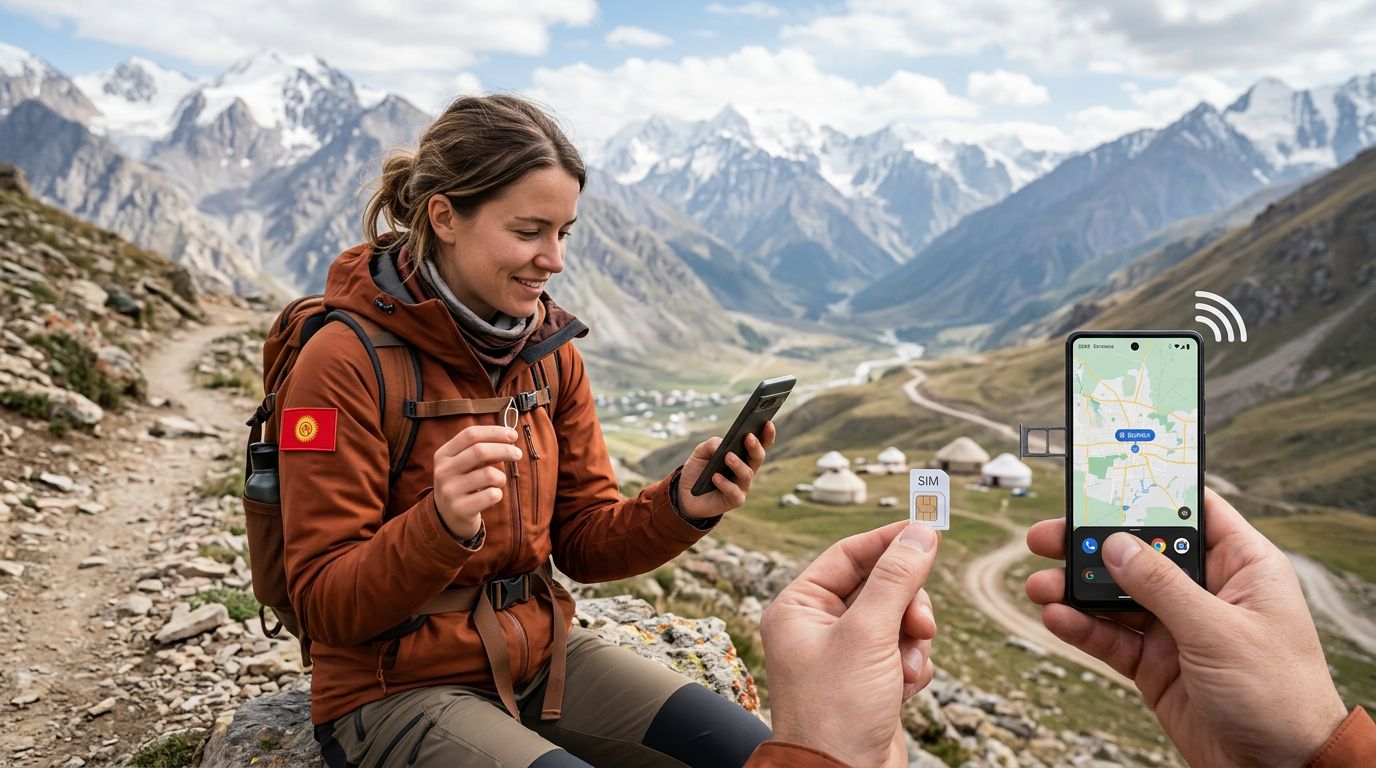
A physical SIM card is a small plastic chip that you insert into your device. It has been the standard for decades. When you arrive in Kyrgyzstan, you can typically find kiosks at Manas International Airport or visit local mobile operator stores in the city center. This method requires you to physically swap your home SIM card, which carries the risk of losing it if you are not careful. You must also ensure your phone is unlocked by your home carrier before you leave, as a locked device will not accept a local card.
An eSIM, or embedded SIM, is a digital version of that physical card. It is built directly into the hardware of modern smartphones. Instead of handling a tiny piece of plastic, you simply download a data profile. This technology has transformed how international travelers handle connectivity, allowing them to activate a plan before they even land in the country. For those visiting Kyrgyzstan, the choice between these two options comes down to convenience, device compatibility, and your specific travel style.
Comparing Kyrgyzstan SIM Card vs eSIM
When comparing a Kyrgyzstan SIM card vs eSIM, the primary difference is the setup process. With a physical SIM, you are often tethered to the operating hours of local shops. If your flight arrives late at night, you might be left without service until the following morning. You will also need to provide your passport for registration, which is a standard regulatory requirement in the country. While the process is straightforward, it can be time-consuming, especially if there is a queue at the airport kiosk.
The eSIM offers a more streamlined approach. Providers like OneTapSIM allow you to purchase and install your data plan well in advance. Once you land in Bishkek or Osh, your phone automatically connects to the local network as soon as you turn off airplane mode. This eliminates the need to hunt for a shop or deal with language barriers during the initial setup. Furthermore, because the eSIM is digital, you keep your primary SIM card inside your phone. This is a significant advantage for travelers who need to receive two-factor authentication codes or urgent calls from their home country while traveling abroad.
However, device compatibility is the one area where physical SIM cards still hold an edge. Almost every smartphone manufactured in the last two decades supports a physical SIM card. eSIM technology is relatively new, and while most flagship phones from the last few years are compatible, some budget or older models may not support it. It is always wise to check your device settings or consult the manufacturer’s support documentation to confirm that your specific model is eSIM-capable before you commit to a digital plan.
Why Travelers Are Choosing Digital Solutions
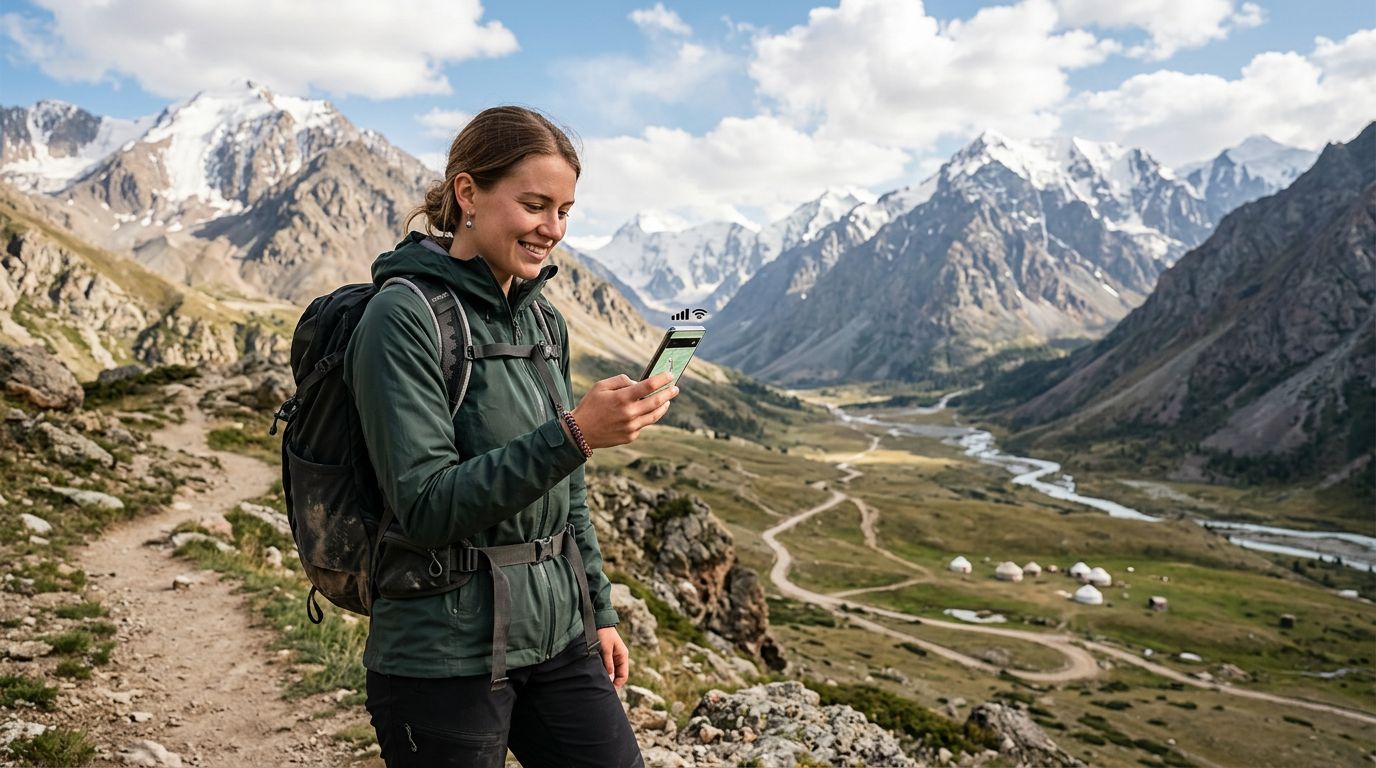
The shift toward digital connectivity is driven by the desire for a frictionless travel experience. When you are moving between remote regions in Kyrgyzstan, the last thing you want to worry about is managing small plastic cards or finding a store to top up your data. With an eSIM, managing your usage is often handled through an app or a simple digital interface. If you find yourself running low on data while camping near Issyk-Kul, you can often purchase a top-up instantly, provided you have a Wi-Fi connection.
Another factor to consider is the environmental impact and the physical security of your hardware. Swapping physical SIM cards frequently increases the likelihood of damage to the card tray or the loss of your original home SIM. By using an eSIM, you avoid the physical manipulation of your device components. This is particularly beneficial for adventure travelers who might be in dusty or rugged environments where opening the SIM tray could introduce debris into the phone.
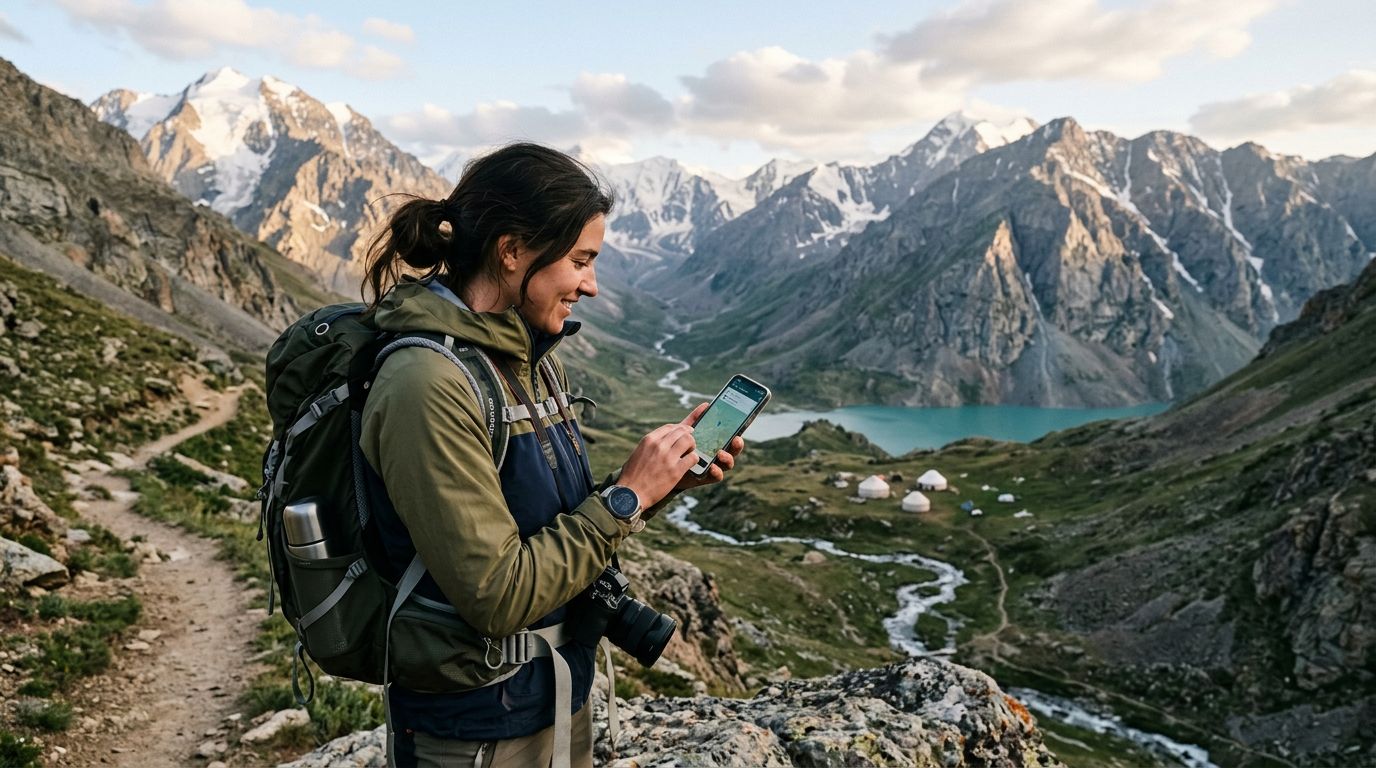
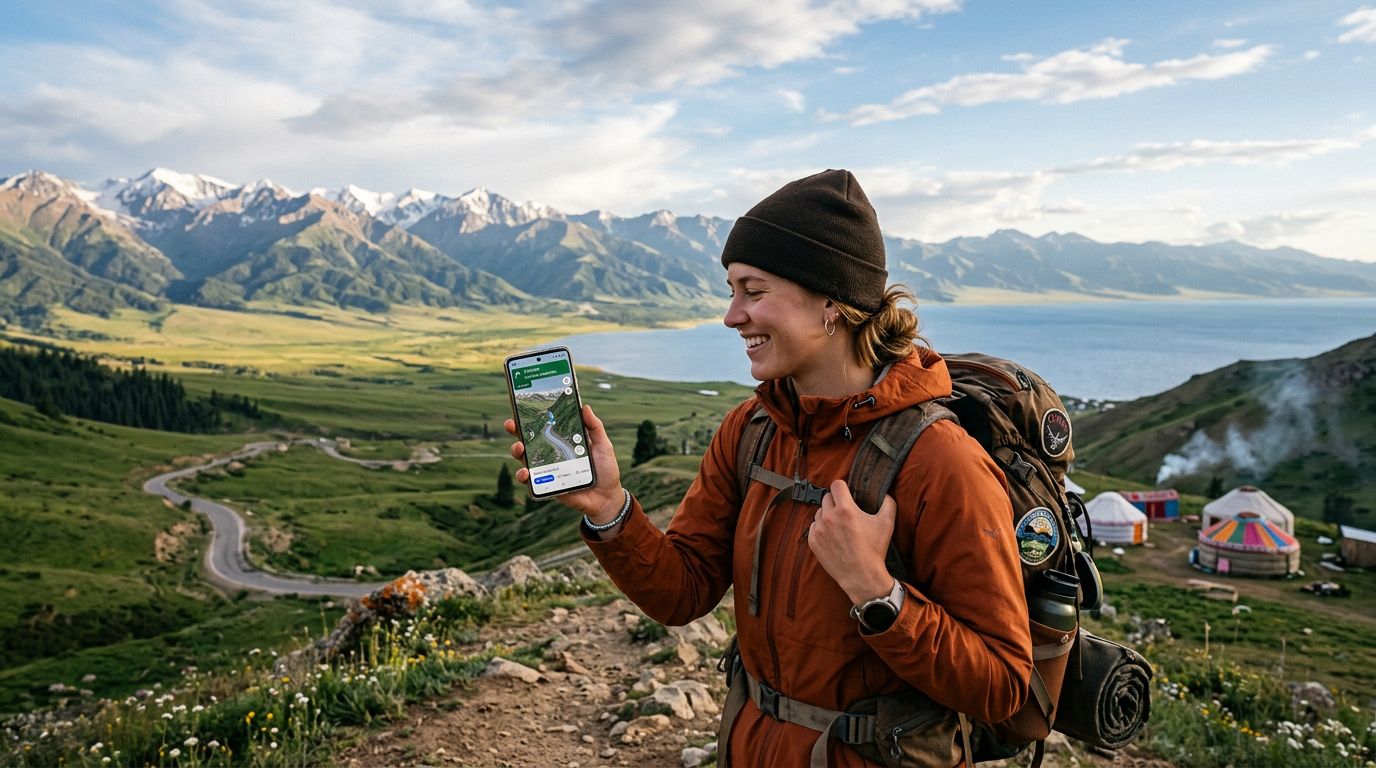
For those who prioritize efficiency, OneTapSIM provides a reliable way to manage your connectivity needs without the logistical hurdles of local retail. By choosing a digital plan, you gain the freedom to focus on the landscape rather than the logistics of your mobile service. You can land, switch your data source to your eSIM, and immediately begin using maps to find your way to your accommodation.
Ultimately, the decision between a Kyrgyzstan SIM card vs eSIM depends on your phone’s capabilities and your personal preference for convenience. If you have a modern, unlocked phone that supports eSIM technology, the digital route is almost always the superior choice for a smooth, stress-free trip. If you are using an older device or prefer the tactile nature of a physical card, local SIMs remain a functional and widely available option. Regardless of the path you choose, ensure you have a plan in place before you arrive so you can enjoy the beauty of Kyrgyzstan with the confidence that you are connected.
Before your departure, verify that your phone is not carrier-locked. If you are unsure about your device's capabilities, check your phone's settings menu under the cellular or mobile data section to see if there is an option to "Add eSIM" or "Add Cellular Plan." This simple check can save you significant time and ensure your trip to Kyrgyzstan is as connected as it is memorable. Whether you are navigating the mountain passes or wandering through the historic streets of the Silk Road cities, having reliable mobile data is the key to a successful journey.
Get an eSIM for
Plans for the destinations covered in this guide, with instant QR delivery.