Understanding the Connectivity Landscape in Comoros
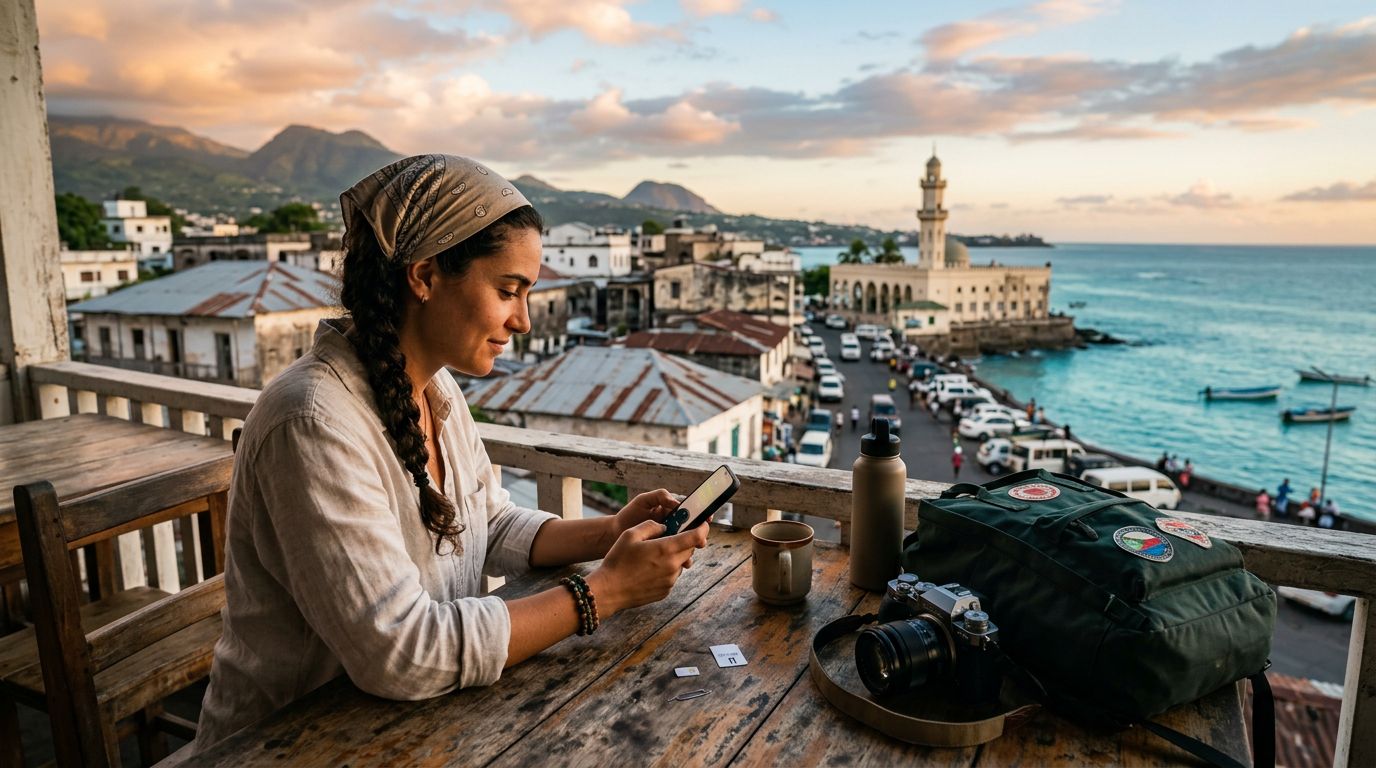
Traveling to the Comoros archipelago offers a unique experience, characterized by volcanic landscapes, pristine beaches, and a rich cultural heritage. However, staying connected in this remote part of the Indian Ocean can be challenging for the unprepared traveler. Whether you are checking maps to navigate the winding roads of Grande Comore, sharing photos of the lush scenery, or keeping in touch with family back home, having a reliable mobile data connection is essential.
When you arrive, you are generally faced with two primary options for mobile data: the traditional physical SIM card or the modern eSIM. Comparing a Comoros SIM card vs eSIM involves looking at convenience, reliability, and the specific infrastructure of the local telecommunications providers. The local market is dominated by a few key players, and your experience will largely depend on how easily you can access their network services upon landing.
For many years, the physical SIM card was the only way to get online. This required visiting a kiosk, showing identification, and physically swapping out your home SIM card. While this remains a standard practice, the introduction of eSIM technology has shifted how international travelers approach connectivity. Understanding the differences between these two methods will help you decide which approach aligns best with your travel style and technical requirements.
The Traditional Approach: Physical SIM Cards
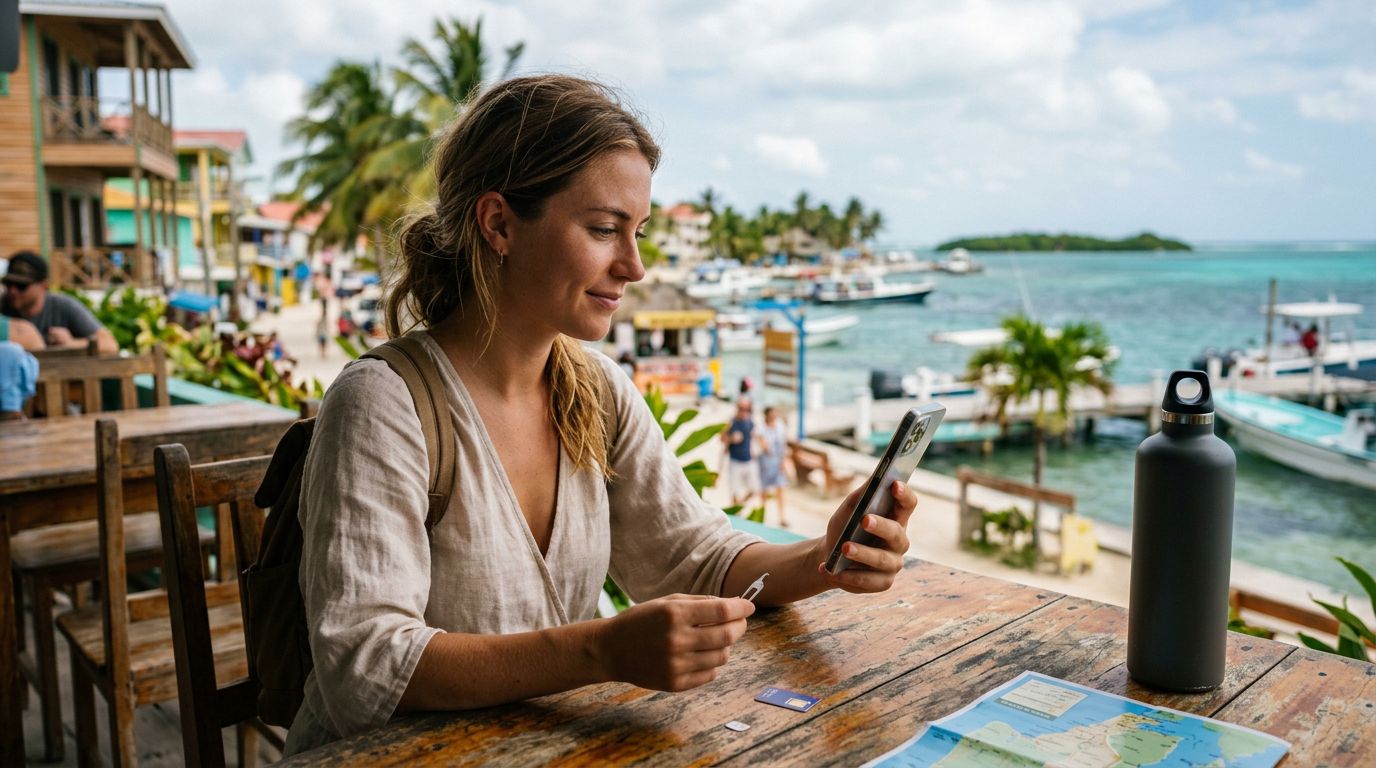
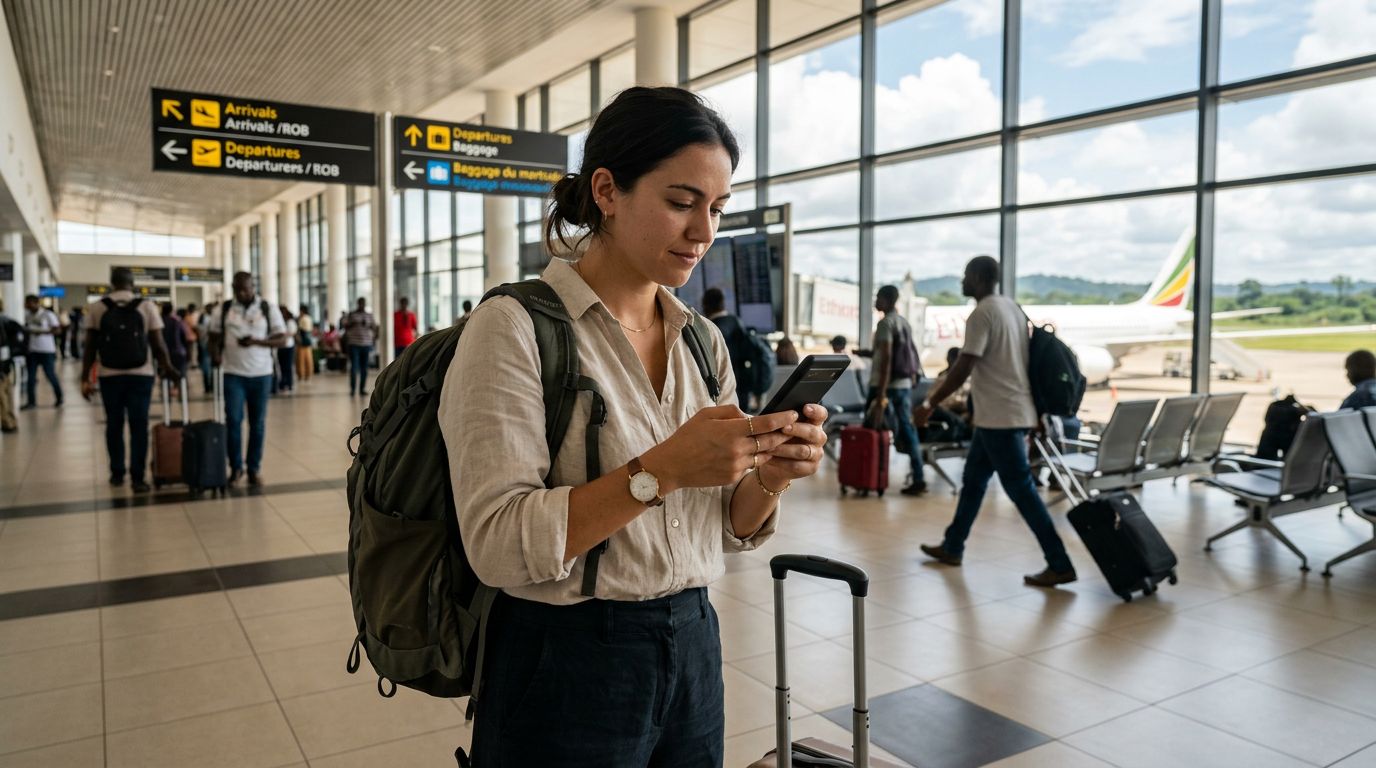
The physical SIM card has been the standard for international travelers for decades. Upon arriving at the airport in Moroni or visiting a local retail store in town, you can purchase a local SIM card. This process typically involves providing your passport for registration, which is a legal requirement in many countries, including Comoros.
The primary advantage of a physical SIM card is its universal compatibility. If you have an unlocked phone, a physical SIM will almost certainly work. It is a straightforward, tangible piece of hardware that you insert into your device. For travelers who are less comfortable with digital configurations or who are using older smartphones that do not support embedded SIM technology, this remains the most reliable path to connectivity.
However, there are notable downsides to this method. The most significant is the logistical hurdle of finding a store that is open during your arrival time. If you land late at night or on a weekend, you might find yourself without connectivity until the following business day. Additionally, there is the risk of losing your original home SIM card during the swap. Many travelers find the process of physically handling tiny cards and storing them safely to be an unnecessary stressor while trying to navigate a new country. Furthermore, language barriers at local kiosks can sometimes complicate the activation process, leading to delays in getting your data plan up and running.
The Modern Alternative: eSIM Technology
An eSIM, or embedded SIM, is a digital version of a physical SIM card. It is built directly into the hardware of your smartphone. Instead of inserting a physical chip, you simply download a profile that connects your device to a local network. This technology has revolutionized travel by removing the need to interact with physical retail outlets or handle small hardware components.
When you choose an eSIM for your trip to Comoros, you gain the ability to set up your connection before you even leave your home country. By purchasing your data plan through a provider like OneTapSIM, you receive a QR code or an activation link that allows you to configure your device in minutes. As soon as your plane touches down, you can switch to your eSIM profile and have immediate access to mobile data.
The convenience of this method cannot be overstated. You do not need to worry about store hours, passport registration queues, or the risk of misplacing your home SIM card. Because the eSIM exists as a digital profile, you can keep your home SIM card active in your phone simultaneously. This is particularly useful for travelers who need to receive SMS verification codes from their home bank or stay reachable on their primary phone number while using a secondary data plan for browsing and navigation.
Compatibility is the main factor to consider. Before opting for an eSIM, you must ensure that your smartphone is carrier-unlocked and supports eSIM functionality. Most modern flagship devices from major manufacturers support this technology, but it is always a good idea to check your device settings to confirm. If your phone is compatible, the transition to an eSIM is generally seamless and offers a much smoother user experience than the traditional route.
Making the Final Decision for Your Trip
Deciding between a Comoros SIM card vs eSIM ultimately comes down to your personal preferences regarding convenience and the capabilities of your device. If you are using a slightly older smartphone or prefer the tactile assurance of a physical card, a local SIM remains a perfectly functional option. You will have to dedicate some time upon arrival to visit a store, but you will be rewarded with a connection that works across the local network infrastructure.
On the other hand, if you value efficiency and want to avoid the administrative tasks associated with local retail outlets, an eSIM is the superior choice. It allows you to bypass the airport queues and start your trip with peace of mind, knowing that your data is already sorted. Services like OneTapSIM are designed to make this transition as easy as possible, providing clear instructions for installation and activation.
Consider your itinerary as well. If you are planning to travel extensively across the different islands of the Comoros, having a stable data connection is vital for navigation. An eSIM allows you to manage your data usage effectively without needing to swap hardware if you encounter connectivity issues. You can monitor your consumption and ensure that you remain connected throughout your entire stay.
Regardless of which path you choose, the most important step is to prepare in advance. Research the coverage areas of the local providers, ensure your device is unlocked, and have a plan for how you will access the internet the moment you arrive. By weighing the pros and cons of physical SIM cards versus eSIMs, you can choose the method that ensures your trip to the Comoros is defined by exploration and discovery, rather than technical headaches. Whether you opt for the traditional card or the modern digital profile, the goal remains the same: a reliable, stress-free connection that keeps you online while you enjoy the beauty of the islands.