Understanding Connectivity Options in Liberia
Traveling to Liberia offers a unique experience, from the bustling markets of Monrovia to the serene beaches along the Atlantic coast. Whether you are visiting for business or exploring the country’s rich history and natural beauty, staying connected is essential. For most travelers, the choice comes down to two primary methods: obtaining a physical local SIM card upon arrival or activating an eSIM before you even step off the plane.
A physical SIM card is the traditional method of connectivity. It involves purchasing a small plastic chip from a local provider, inserting it into your phone, and configuring the network settings. While this system has served travelers for decades, it requires finding a physical store, presenting identification, and often dealing with language barriers or long wait times.
On the other hand, an eSIM—or embedded SIM—is a digital alternative. It is a virtual version of a SIM card that is built directly into the hardware of modern smartphones. Because it is software-based, you can download a data plan remotely. This eliminates the need to swap out your home SIM card, which protects your original chip from being lost or damaged during your travels.
Comparing the Practicality of Physical SIMs and eSIMs
When deciding between a Liberia SIM card vs eSIM, the primary factor is convenience. Physical SIM cards require you to visit a kiosk or a retail outlet. In Liberia, this might mean waiting in line at the airport or searching for a shop in the city center. You will likely need to provide your passport for registration, as many local carriers have strict identity verification requirements for all new activations.
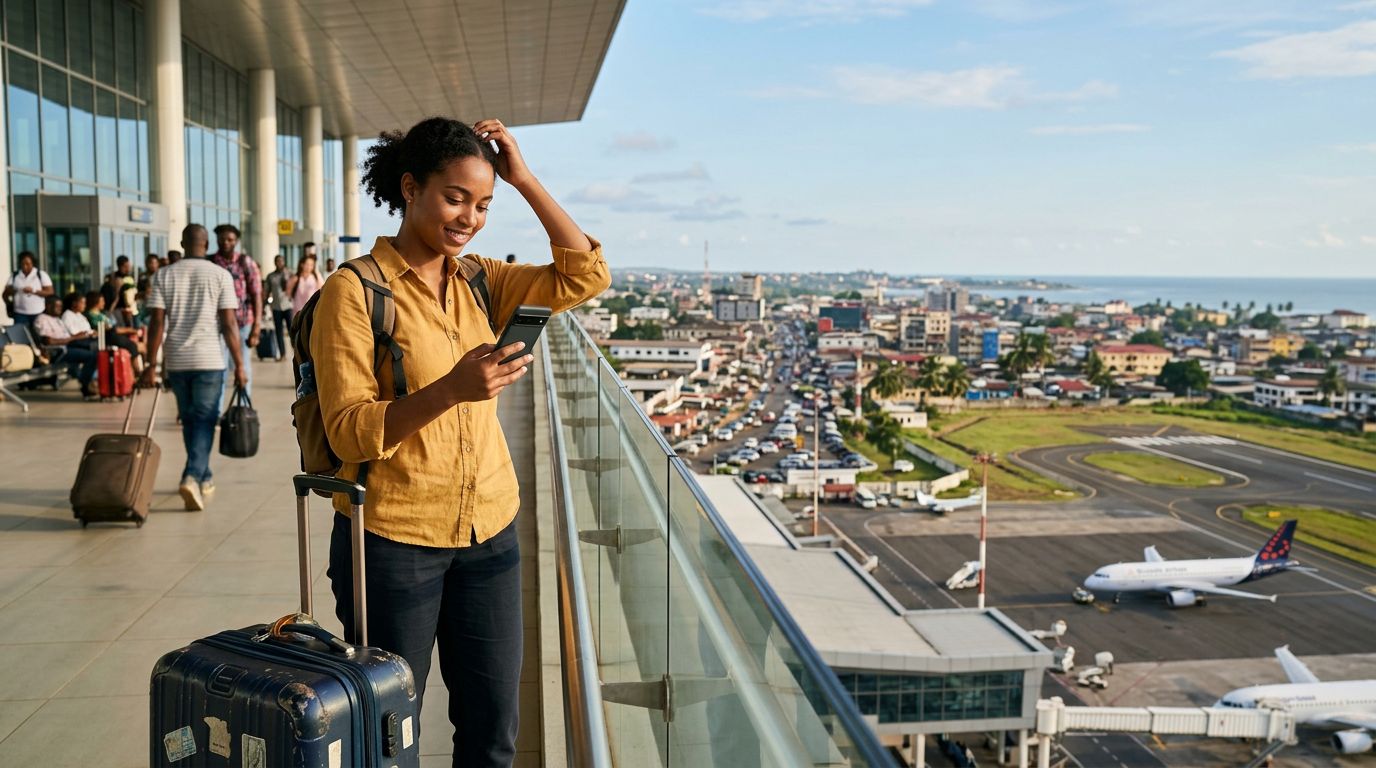
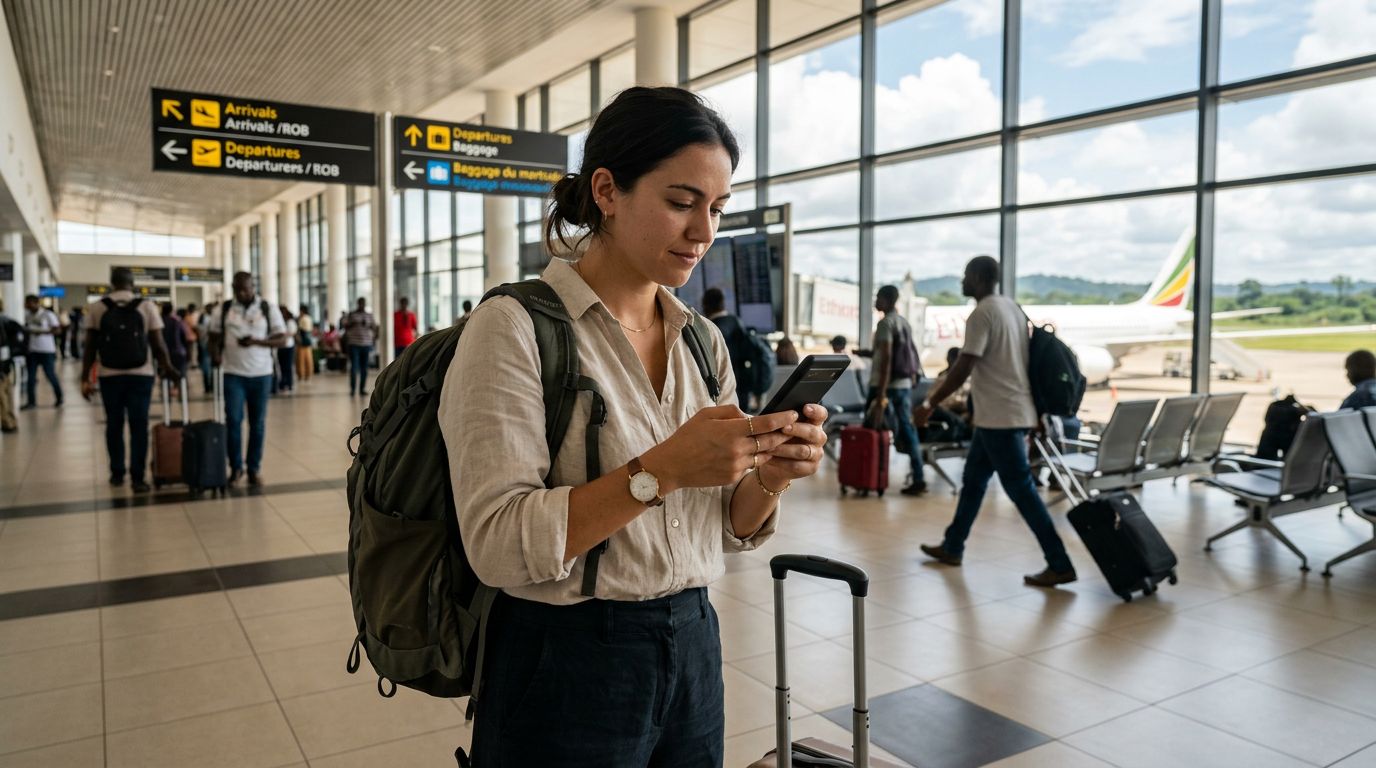
The eSIM process is significantly more streamlined. With a service like OneTapSIM, you can purchase and activate your data plan through a simple digital interface. Once you select your plan, you receive a QR code or an activation link. You scan this with your phone, and your device connects to the local network as soon as you land. This allows you to bypass the airport queues and have mobile data the moment you arrive.
Another critical consideration is the risk of losing your home SIM card. When you remove your physical SIM to insert a local one, you must keep track of that tiny piece of plastic for the duration of your trip. If you misplace it, you may face significant hurdles when trying to restore your service back home. An eSIM allows you to keep your primary SIM card safely inside your phone, meaning you can still receive important SMS messages or calls from your home number while using the eSIM for your data needs.
Compatibility and Technical Requirements
Before choosing your connectivity method, you must ensure your device is capable of supporting the technology. Most smartphones released in the last few years are eSIM-compatible. You can verify this by checking your phone’s settings menu under the cellular or mobile data section. If you see an option to "Add eSIM" or "Add Cellular Plan," your device is ready to use this technology.
If you are using an older device that does not support eSIM technology, you will be limited to using a physical SIM card. In such cases, you should research local Liberian network providers ahead of time to understand their coverage areas and data packages. Keep in mind that even if your phone is compatible with an eSIM, it must be carrier-unlocked. If your phone is locked to your home service provider, it will not accept a local SIM card or an eSIM from another provider. You should contact your home carrier before your trip to request a device unlock if necessary.
For those with compatible devices, the eSIM experience is generally superior due to the flexibility it provides. You can manage multiple profiles on one device, switching between them with a few taps. This is particularly useful if you are traveling through multiple countries, as you can add new plans to your device without needing to visit a store in every destination.
Coverage and Reliability in Liberia
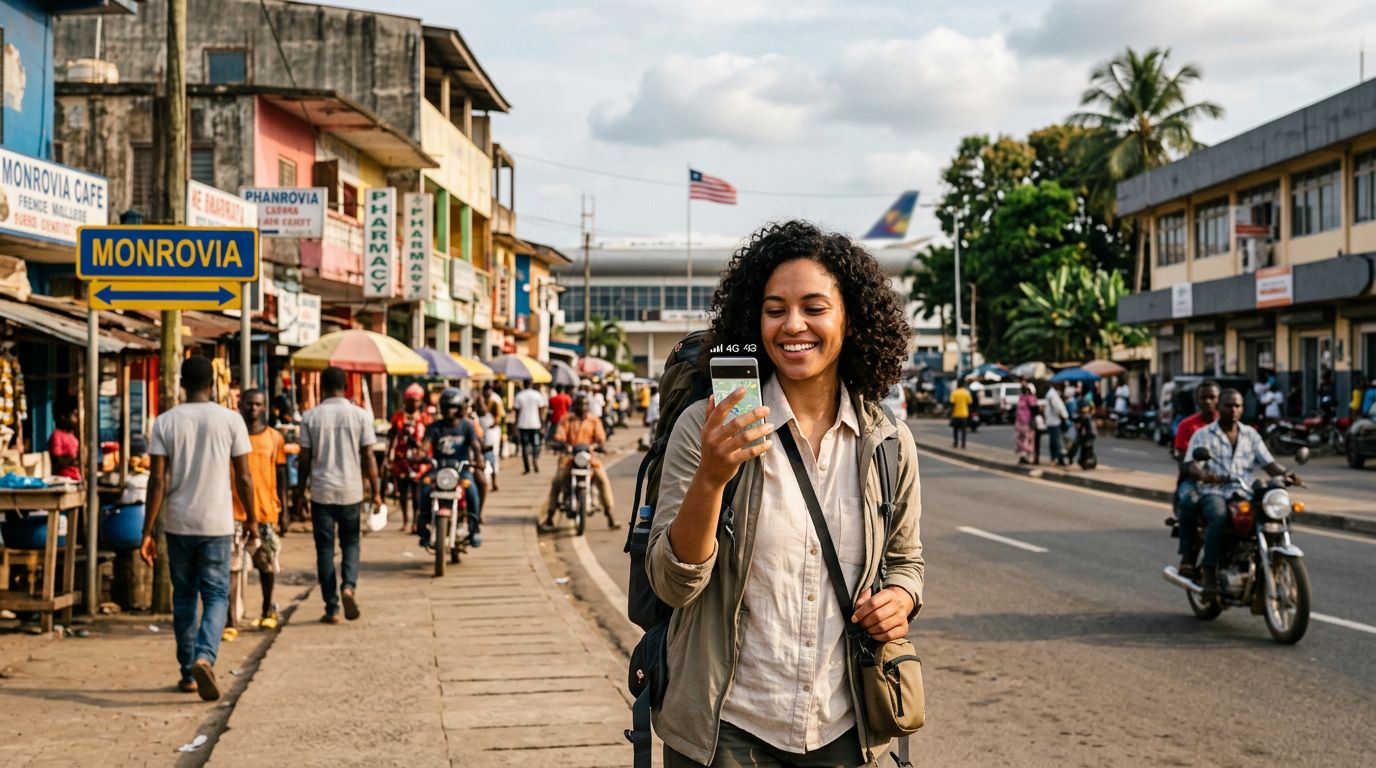
Connectivity in Liberia can vary depending on your location. While major urban centers like Monrovia have reliable network coverage, more remote areas may have limited service. Regardless of whether you choose a physical SIM or an eSIM, the underlying network infrastructure remains the same. Both options connect to the local towers operated by the major Liberian telecommunications companies.
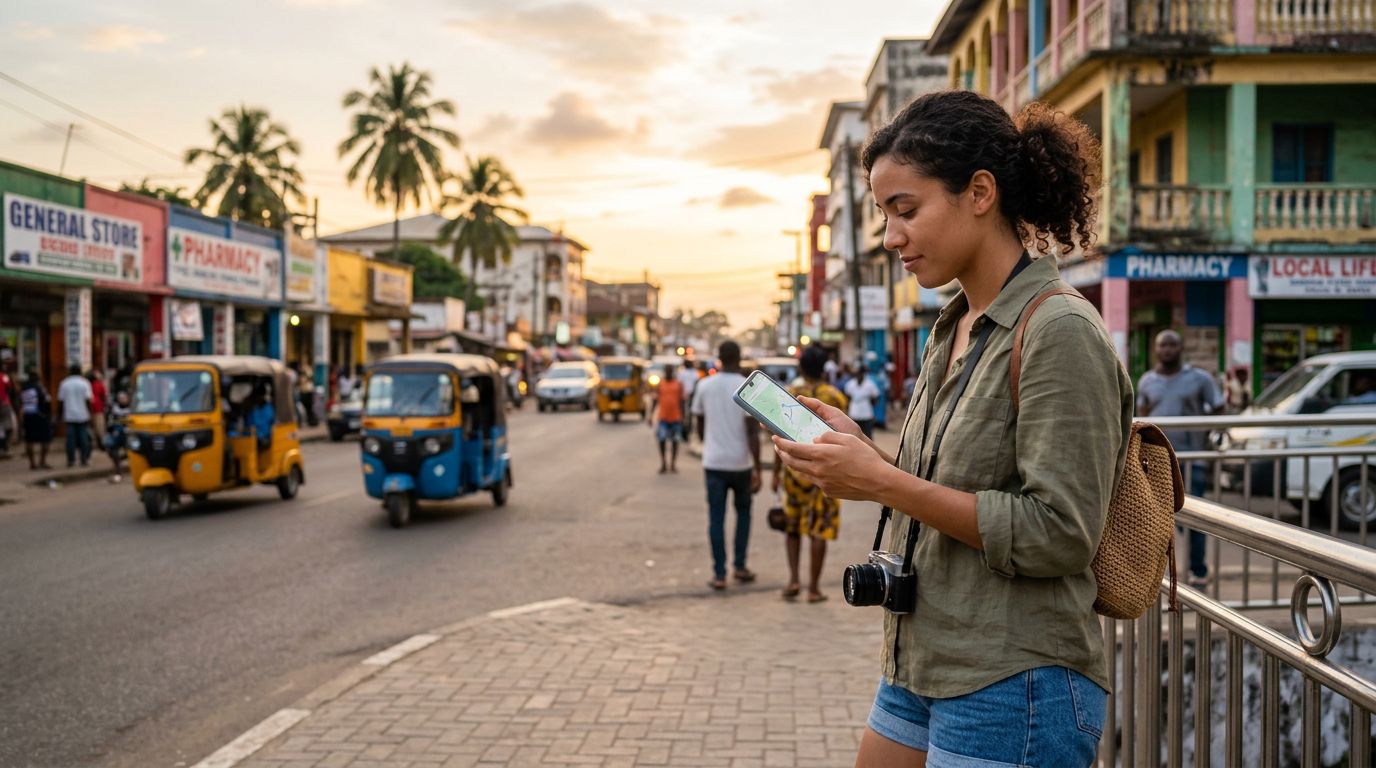
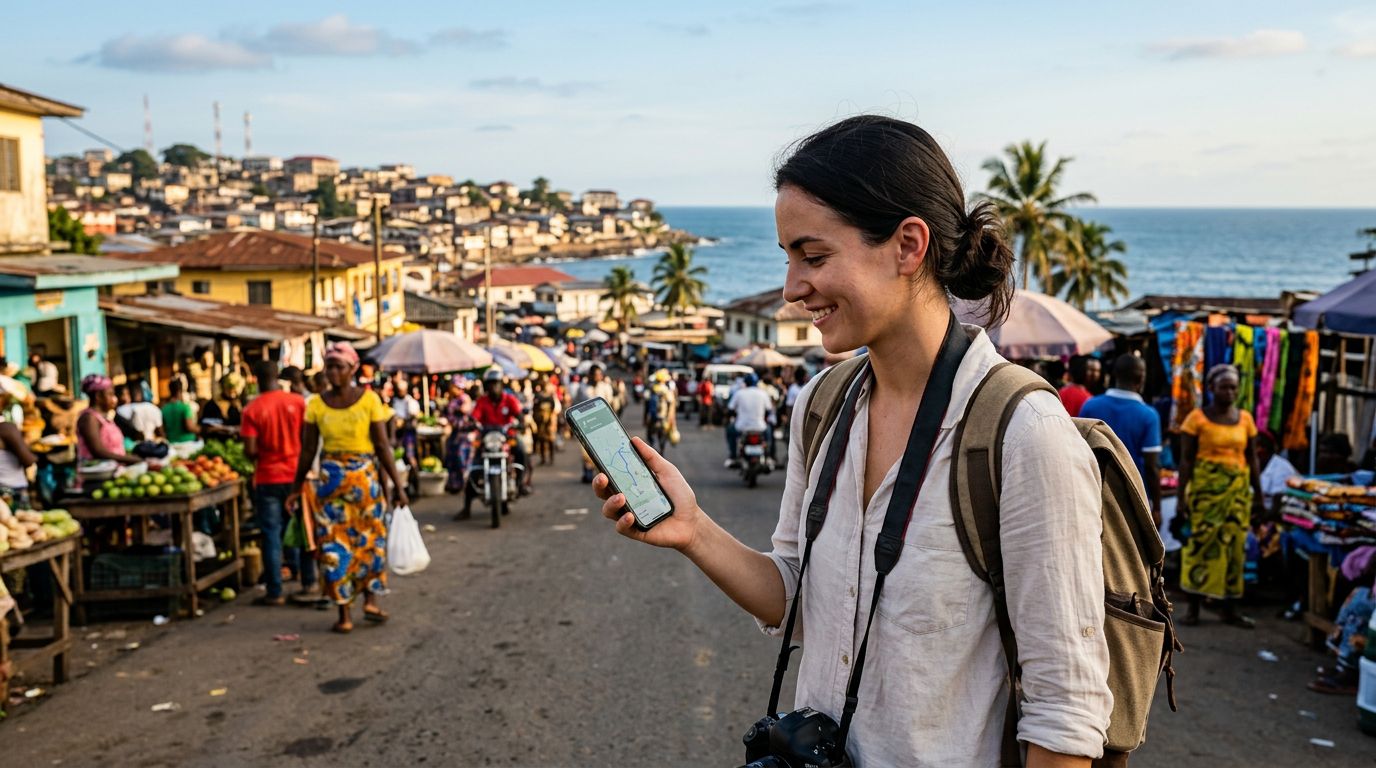
The advantage of using a reputable eSIM provider is the focus on traveler-specific needs. These services are designed to provide stable data connections that are optimized for tourists and business travelers. While a local SIM card might offer a wider range of voice and SMS packages, many travelers find that they primarily need data for navigation, messaging apps, and email. OneTapSIM focuses on providing reliable data access, ensuring you can use your favorite apps to find your way around or stay in touch with family without the hassle of configuring complex local settings.
When you rely on an eSIM, you also gain the ability to manage your data usage more effectively. You can monitor your consumption through your phone’s settings or the provider's app, ensuring you do not run out of data unexpectedly. If you do run low, you can often purchase a top-up or a new plan instantly, provided you have a Wi-Fi connection.
Final Considerations for Your Trip
Choosing between a Liberia SIM card vs eSIM ultimately depends on your device capabilities, your comfort with technology, and how much you value your time. If you prefer a hands-on approach and want to interact with local vendors, a physical SIM card might suit your style. However, if you want a seamless, efficient, and secure way to stay connected, an eSIM is the modern standard.
By preparing your connectivity before you leave home, you remove one of the biggest stressors of international travel. You arrive in Liberia with the peace of mind that your maps, communication tools, and information resources are ready to go. Whether you are visiting for the lush landscapes or the vibrant culture, staying connected ensures you can focus on the experience rather than the logistics of your mobile service. Remember to check your device compatibility, verify that your phone is unlocked, and consider the benefits of a digital solution to make your journey as smooth as possible.
Get an eSIM for
Plans for the destinations covered in this guide, with instant QR delivery.