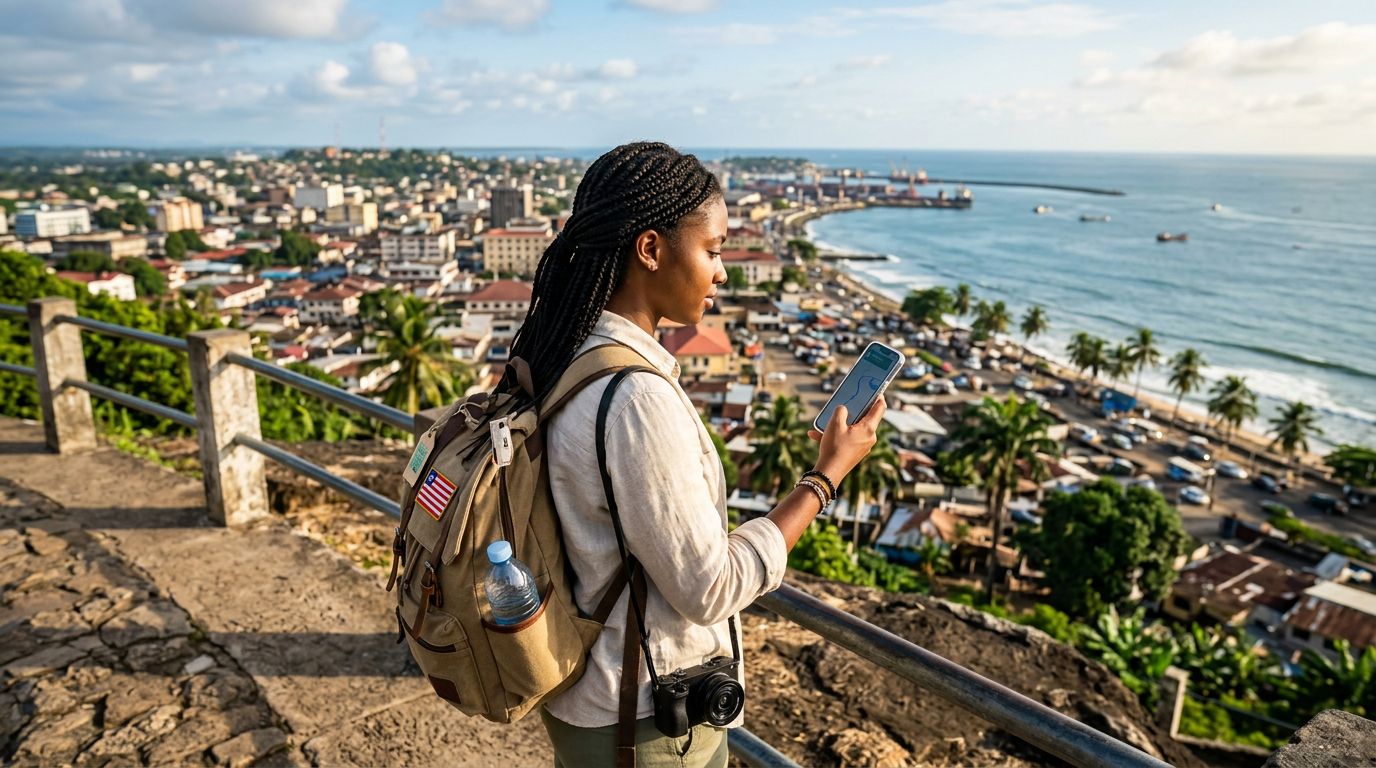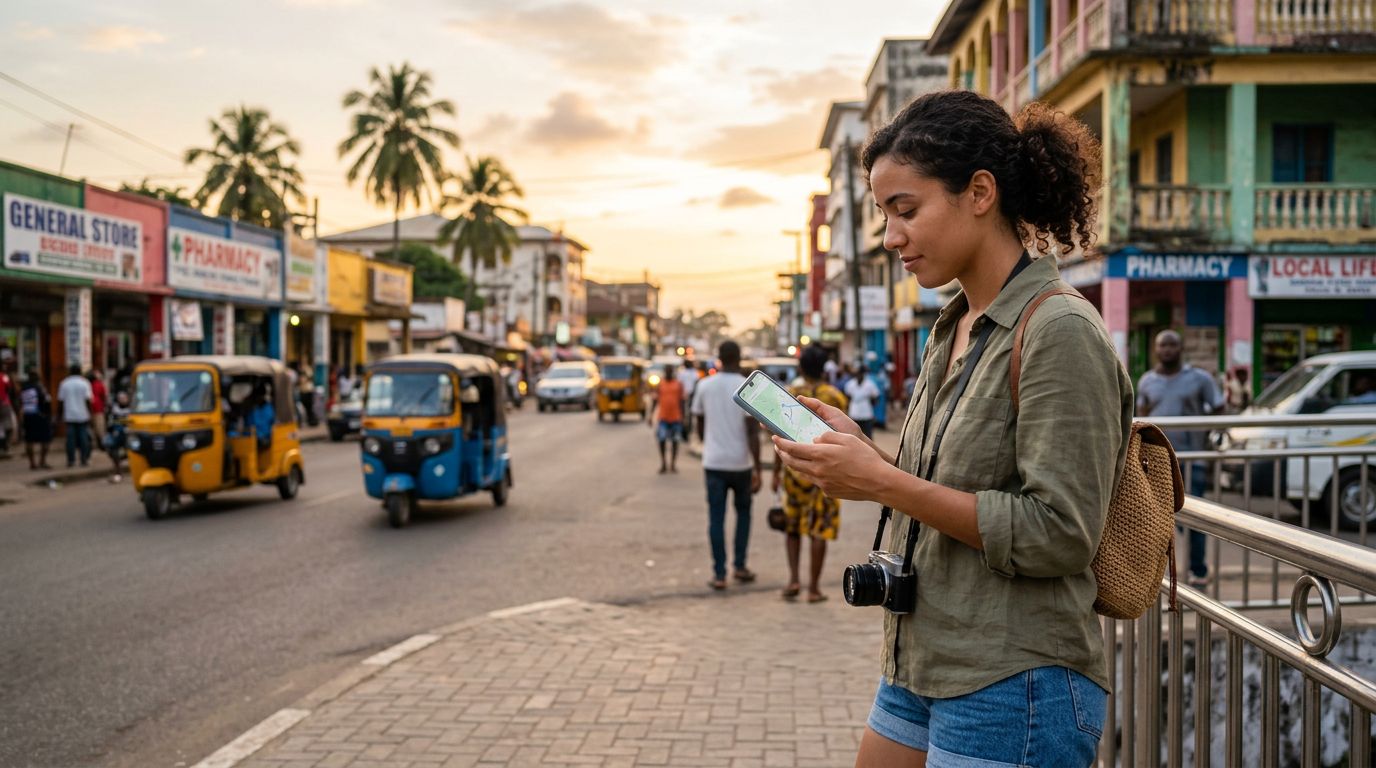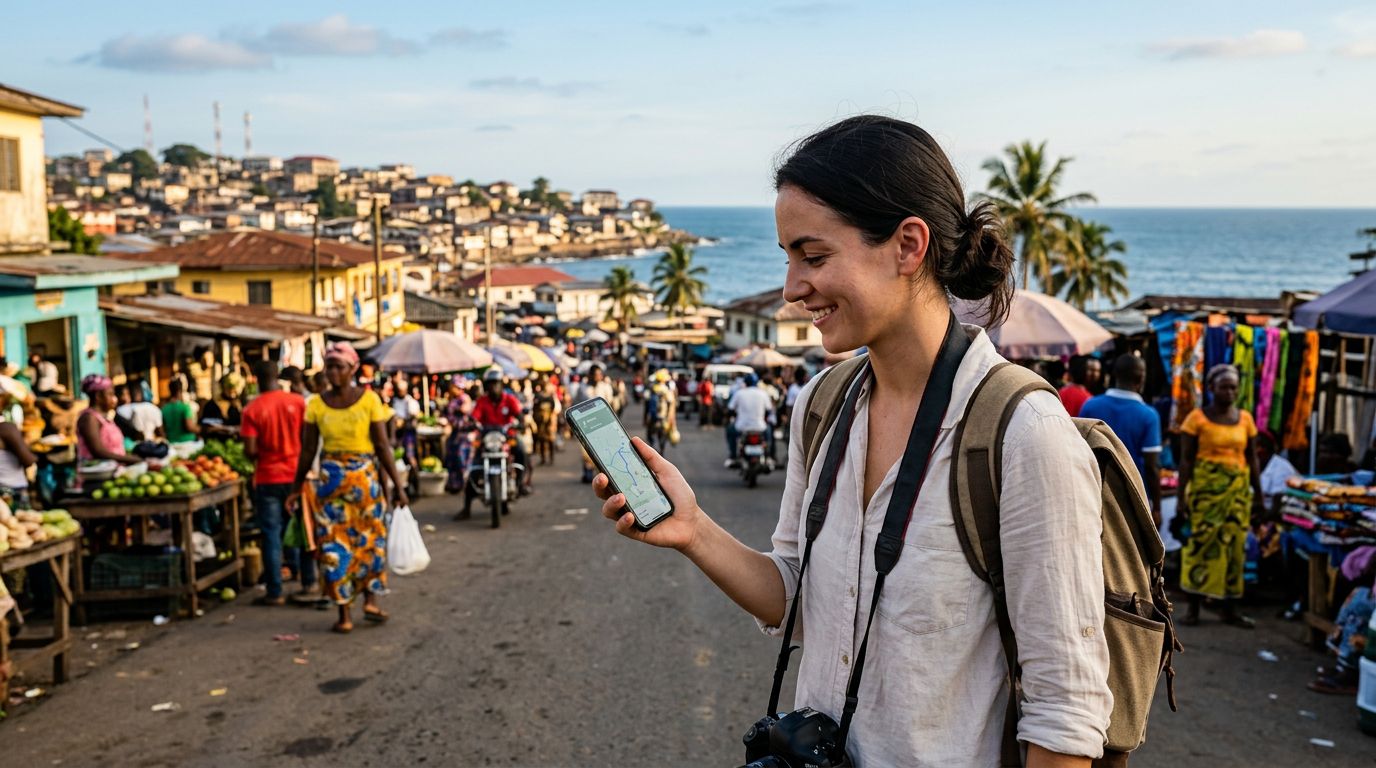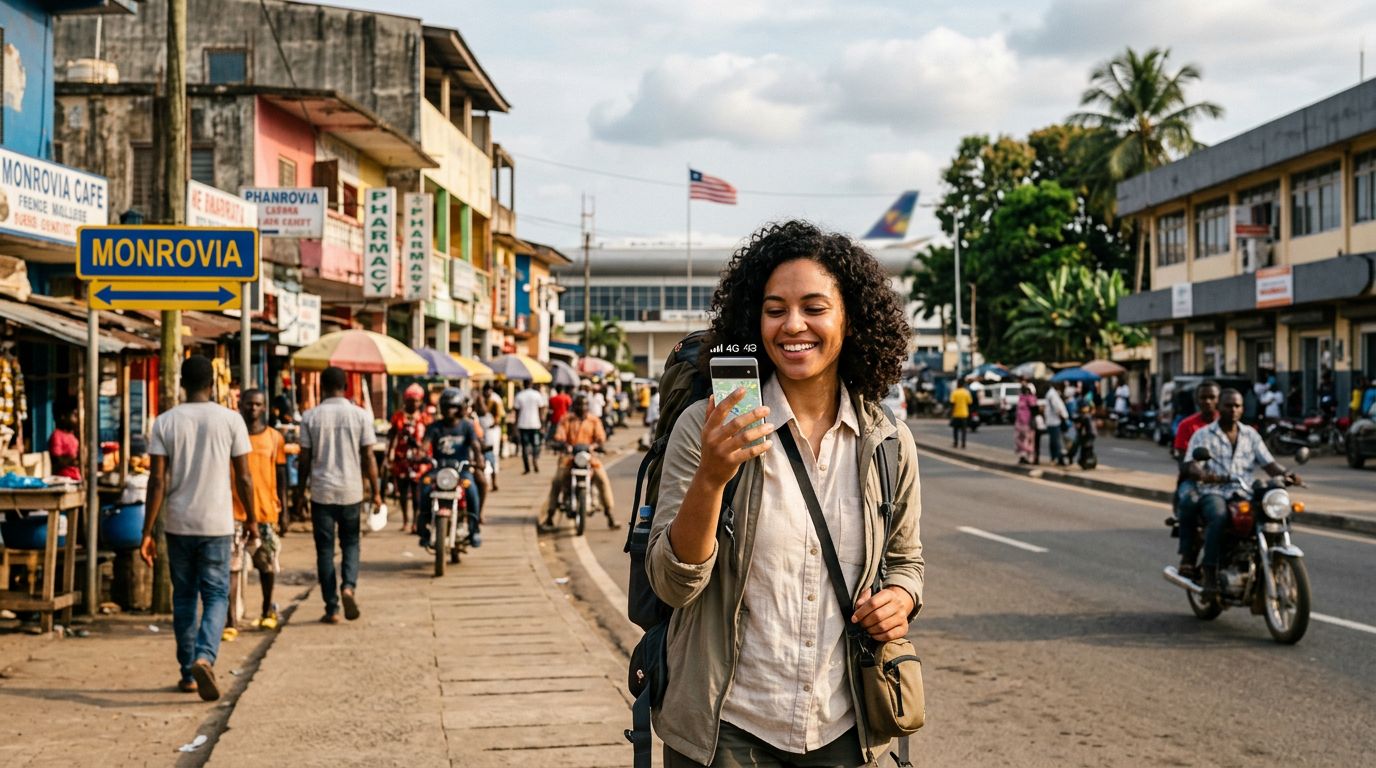
Travelers heading to West Africa often find themselves wondering how to maintain a reliable connection while exploring the vibrant landscapes and bustling streets of Monrovia or the serene coastal regions. Finding the best way to get data in Liberia is a priority for those who need to manage logistics, communicate with loved ones, or navigate unfamiliar areas. While the country has seen significant improvements in telecommunications infrastructure, the process of securing consistent internet access requires a bit of planning before you leave home.
Understanding the Local Connectivity Landscape
Liberia’s telecommunications market is primarily dominated by a few major local providers. These companies operate extensive cellular networks that cover the capital and many provincial centers. However, relying solely on local physical SIM cards can be a cumbersome experience for short-term visitors. Upon arriving at Roberts International Airport, you might encounter kiosks offering local SIM cards. While this is a traditional method, it often involves standing in queues, providing identification documentation, and manually swapping out your primary SIM card, which carries the risk of losing your original chip.
Furthermore, local networks may have specific requirements for device compatibility or APN settings that can be difficult to configure without technical support. For travelers who prioritize convenience and immediate connectivity upon landing, the traditional route of hunting for a physical shop in a foreign city can lead to unnecessary stress. Understanding that you have alternatives to these legacy methods is the first step toward a smoother travel experience. Modern technology has shifted the focus toward digital solutions that eliminate the need for physical hardware exchanges.
The Advantages of eSIM Technology
The most efficient way to maintain connectivity is through eSIM technology. An eSIM is a digital SIM card that is embedded directly into the hardware of your smartphone. Because it is software-based, you do not need to insert or remove any physical components. This technology allows you to download a data profile over a Wi-Fi connection and activate it the moment you arrive at your destination.
For travelers, the benefits are clear. You can manage your connectivity needs entirely through your phone’s settings menu. If you are using a modern device, such as recent models from major manufacturers, your phone is likely already equipped with the necessary hardware to support this feature. You can confirm your device compatibility by checking the settings on your phone or visiting the official support pages for your device manufacturer, such as the resources provided by Apple or Google.
OneTapSIM offers a streamlined approach to this process. By utilizing a digital eSIM, you avoid the logistical hurdles of finding a retail store in Liberia. Instead of dealing with language barriers or the potential for limited stock at airport kiosks, you can secure your data plan before your flight even departs. This ensures that as soon as your plane touches down, you can switch to your data profile and access maps, ride-sharing apps, or messaging services immediately. This proactive approach is widely considered the best way to get data in Liberia for those who value time and reliability.
Strategic Tips for Staying Connected
To ensure the best experience, there are several best practices to follow when using digital connectivity solutions in West Africa. First, always ensure your device is unlocked. Many mobile carriers lock phones to their specific network, which prevents the use of third-party eSIMs. If your phone is locked, you must contact your home carrier to request an unlock before you travel.
Second, manage your data usage effectively. Even with a high-capacity plan, streaming high-definition video or downloading large files over a cellular network can deplete your data allowance quickly. Use Wi-Fi at your hotel or accommodation for heavy tasks like backing up photos or downloading large updates. Reserve your cellular data for essential communication, navigation, and web browsing.
Third, keep your primary SIM card active if you need to receive important calls or SMS messages from home, but be mindful of international roaming charges. Most modern smartphones allow you to run two SIMs simultaneously—a feature known as Dual SIM. You can keep your home number active for calls while designating your OneTapSIM eSIM as the primary source for mobile data. This setup provides the perfect balance of accessibility and cost-efficiency.
Finally, consider the geography of your trip. While coverage in Monrovia is generally robust, rural areas may have more limited signal strength. If your itinerary includes remote excursions or travel to the interior, having a reliable data plan ensures you have access to offline maps and emergency information. Downloading offline maps via Google Maps before you leave your accommodation is a smart secondary precaution, regardless of which data provider you choose.
By choosing a digital solution, you bypass the friction of traditional roaming or physical SIM card acquisition. The shift toward eSIMs represents a significant upgrade in how international travelers manage their digital needs. Whether you are traveling for business or leisure, having a reliable connection is no longer about finding a local store; it is about having the right tools installed on your device before you step off the plane. For most modern travelers, this digital-first strategy proves to be the most reliable and stress-free method for staying connected in Liberia.
Get an eSIM for
Plans for the destinations covered in this guide, with instant QR delivery.