Understanding Connectivity Options for Kyrgyzstan
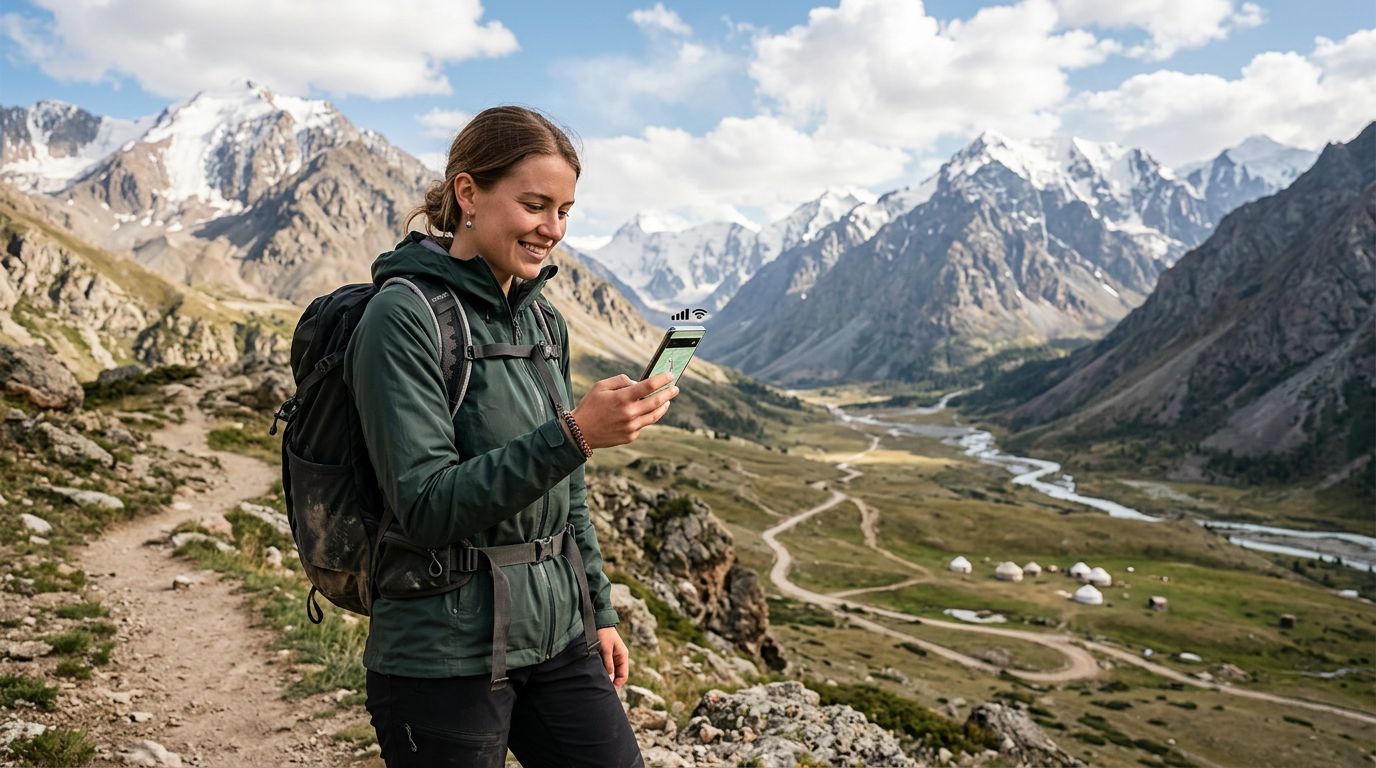
Kyrgyzstan is a land of dramatic mountain ranges, vast alpine lakes, and nomadic traditions that draw travelers from across the globe. Whether you are trekking through the Tian Shan mountains or exploring the bustling bazaars of Bishkek, staying connected is essential for navigation, language translation, and sharing your journey. When planning your trip, you will encounter two primary ways to get mobile data: purchasing a physical local SIM card upon arrival or activating a digital eSIM before you even board your plane.
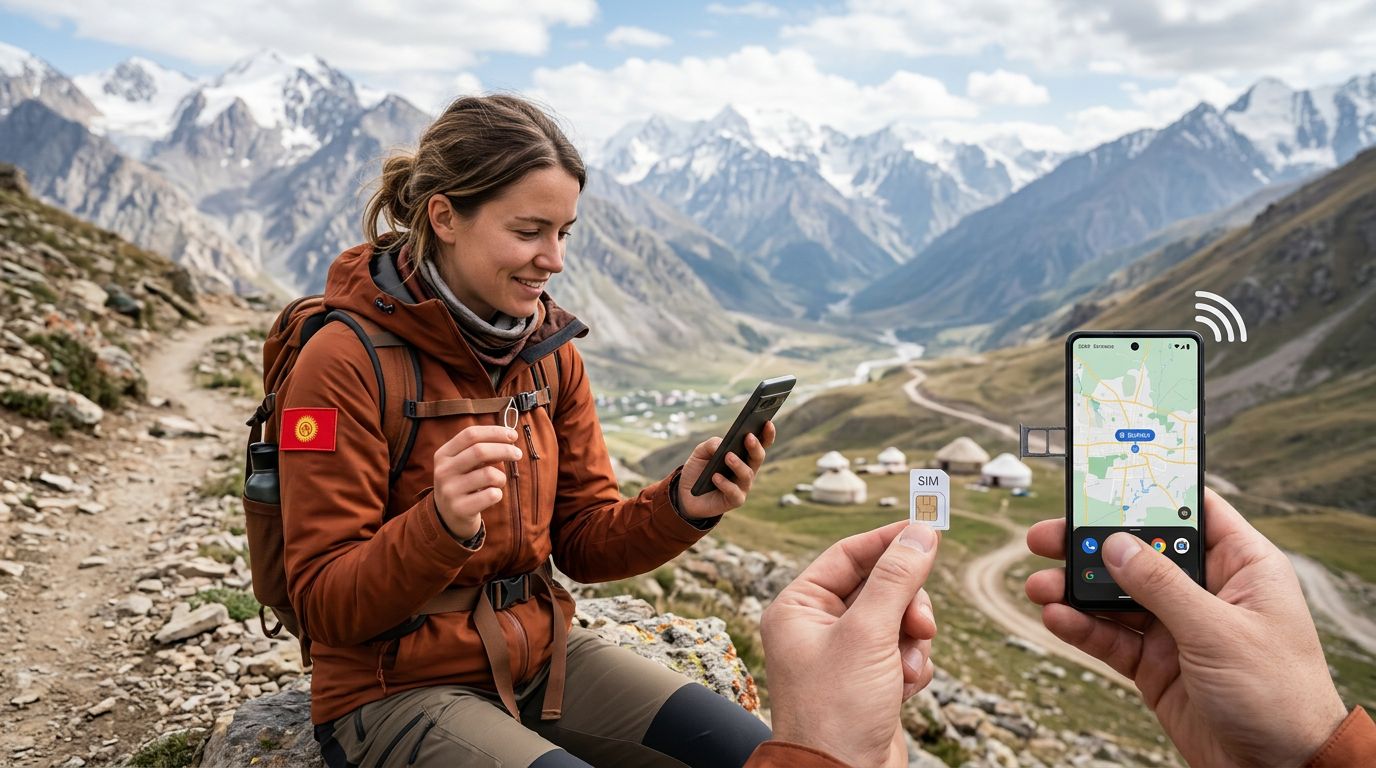
The traditional physical SIM card has long been the standard for international travelers. It involves finding a retail kiosk, presenting your passport for registration, and physically swapping a small plastic chip into your phone. While this method is reliable, it requires you to spend your first few hours in a new country searching for a mobile operator store, which can be challenging if you arrive late at night or at a remote border crossing.
In contrast, an eSIM—or embedded SIM—is a digital alternative that resides directly on your device’s hardware. Because it is software-based, you can purchase and install your data plan online, activating it the moment you land. For many travelers, the choice between a Kyrgyzstan SIM card vs eSIM comes down to a balance between convenience, cost-efficiency, and technical compatibility. Understanding how these two options function will help you decide which one best fits your travel style.
The Case for Physical SIM Cards
Physical SIM cards remain a popular choice for travelers who prefer a tangible solution or who are using older smartphone models that do not support eSIM technology. When you land at Manas International Airport or reach a city center, you will find several local mobile operators offering tourist-specific packages. These cards typically provide a generous amount of data and sometimes include local calling minutes, which can be useful if you need to coordinate with local guesthouses or drivers.
One of the primary advantages of a physical SIM is the direct relationship with the local provider. If you encounter technical issues, you can walk into a physical store and speak with a representative who can resolve the problem on the spot. Furthermore, for those planning an extended stay of several months, a local SIM card is often the most cost-effective way to maintain a long-term connection.
However, the process is not without its drawbacks. Language barriers can make the registration process at a kiosk confusing, especially if the staff does not speak your language fluently. You also run the risk of losing or damaging your original home SIM card during the physical swap. Keeping track of that tiny piece of plastic is a common stressor for travelers, and the process of switching back and forth can be tedious. If your primary goal is to have a simple, "set-it-and-forget-it" connection for a short trip, the physical SIM card route requires more logistical effort than many modern travelers prefer.
Why eSIMs are Changing the Travel Experience
The rise of eSIM technology has simplified international connectivity significantly. By choosing an eSIM provider like OneTapSIM, you bypass the need to visit a physical store or exchange physical components. Because the eSIM is downloaded directly to your phone, you can purchase your plan weeks in advance. As soon as your plane touches down in Bishkek, you simply switch to your data line, and you are instantly connected to the local network.
The most significant benefit of an eSIM is the ability to keep your home SIM card active simultaneously. This is a major advantage for travelers who need to receive important text messages or two-factor authentication codes from their home country while abroad. With a physical SIM, you would have to remove your home card, effectively cutting off your primary number. With an eSIM, your phone manages both lines, allowing you to use your home number for calls and your eSIM for high-speed data.
Compatibility is the main hurdle for eSIM users. Before committing to this option, you must ensure your device is unlocked and supports eSIM functionality. Most modern smartphones manufactured in the last few years are compatible, but it is always wise to check your device settings or consult the manufacturer’s support documentation to confirm. If your phone supports it, the transition to an eSIM is almost always smoother than the traditional method.
Making the Right Choice for Your Kyrgyzstan Adventure
Choosing between a Kyrgyzstan SIM card vs eSIM depends largely on your itinerary and your technical comfort level. If you are embarking on a long-term expedition where you might need to visit local shops for top-ups or if you are using an older device, a physical SIM card is a dependable, time-tested option. It ensures you have a local presence and a physical point of contact for any service issues.
However, for the vast majority of tourists, the eSIM offers a superior experience. It eliminates the "arrival anxiety" of needing to find a mobile shop immediately after a long flight. By using a service like OneTapSIM, you can ensure that your data is ready to go the moment you arrive, allowing you to use your phone for maps, ride-sharing apps, and translation tools without delay. This digital-first approach saves you time and allows you to focus on the beauty of Kyrgyzstan rather than the logistics of mobile connectivity.
Ultimately, your phone is your most important travel tool. Whether you opt for the physical card or the digital eSIM, ensure that your device is prepared for international use before you depart. By evaluating your specific needs—such as the length of your stay, your data requirements, and your device capabilities—you can make an informed decision that keeps you connected throughout your entire journey across the mountains and valleys of Kyrgyzstan.
Get an eSIM for
Plans for the destinations covered in this guide, with instant QR delivery.