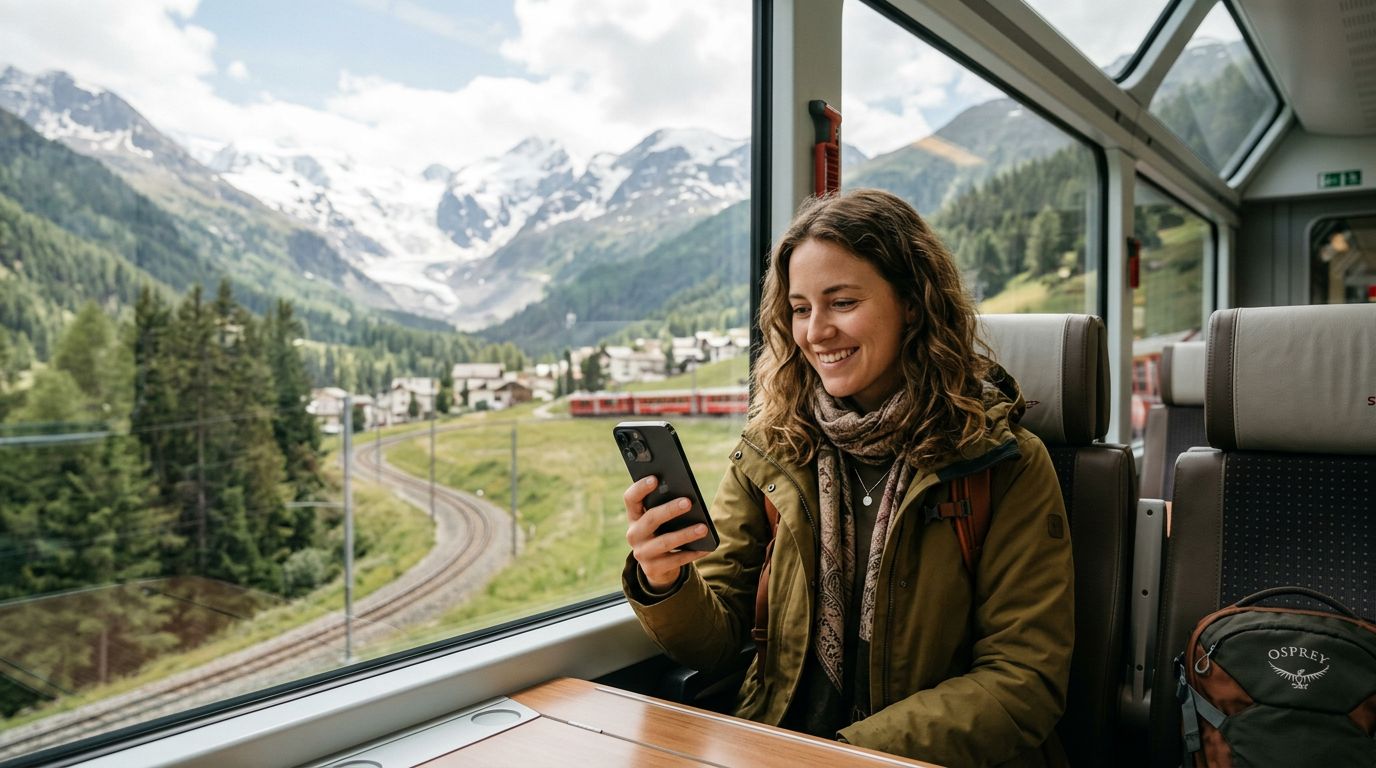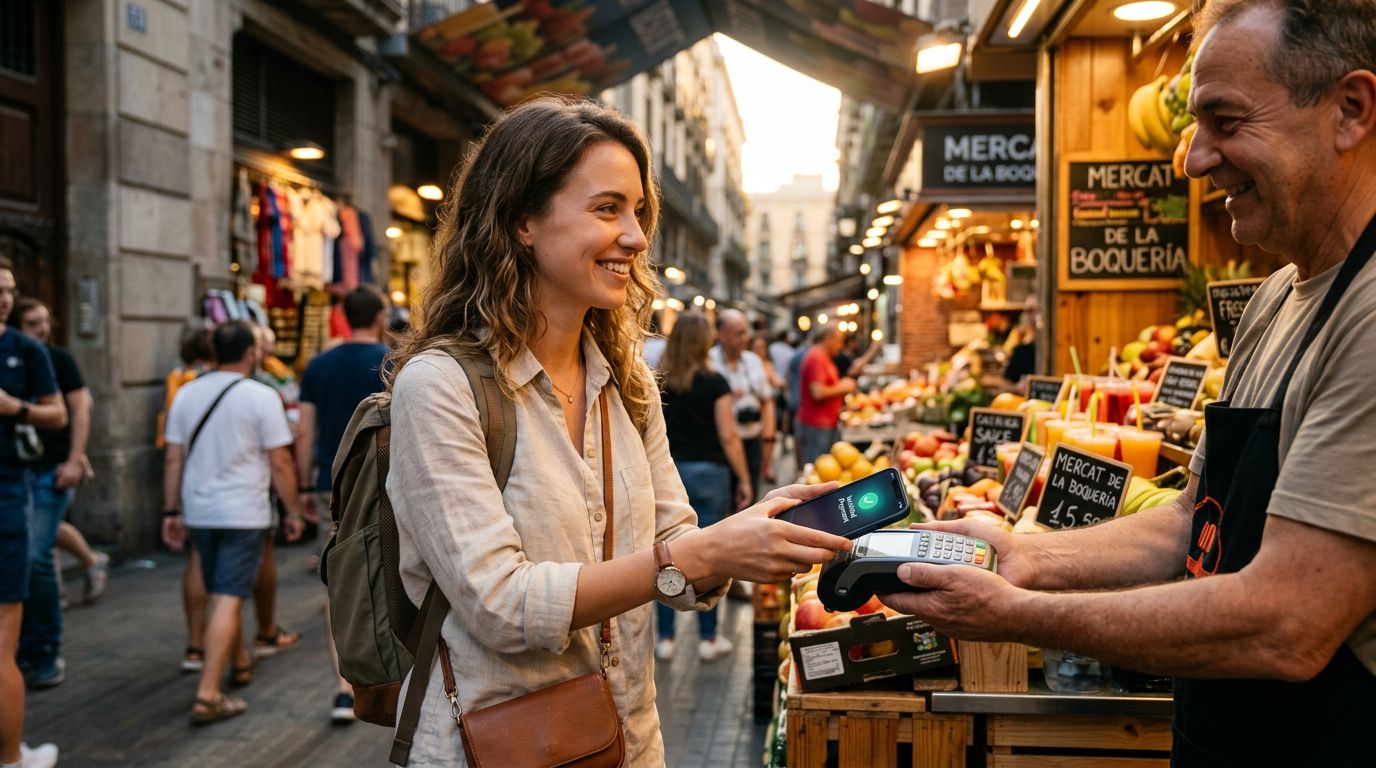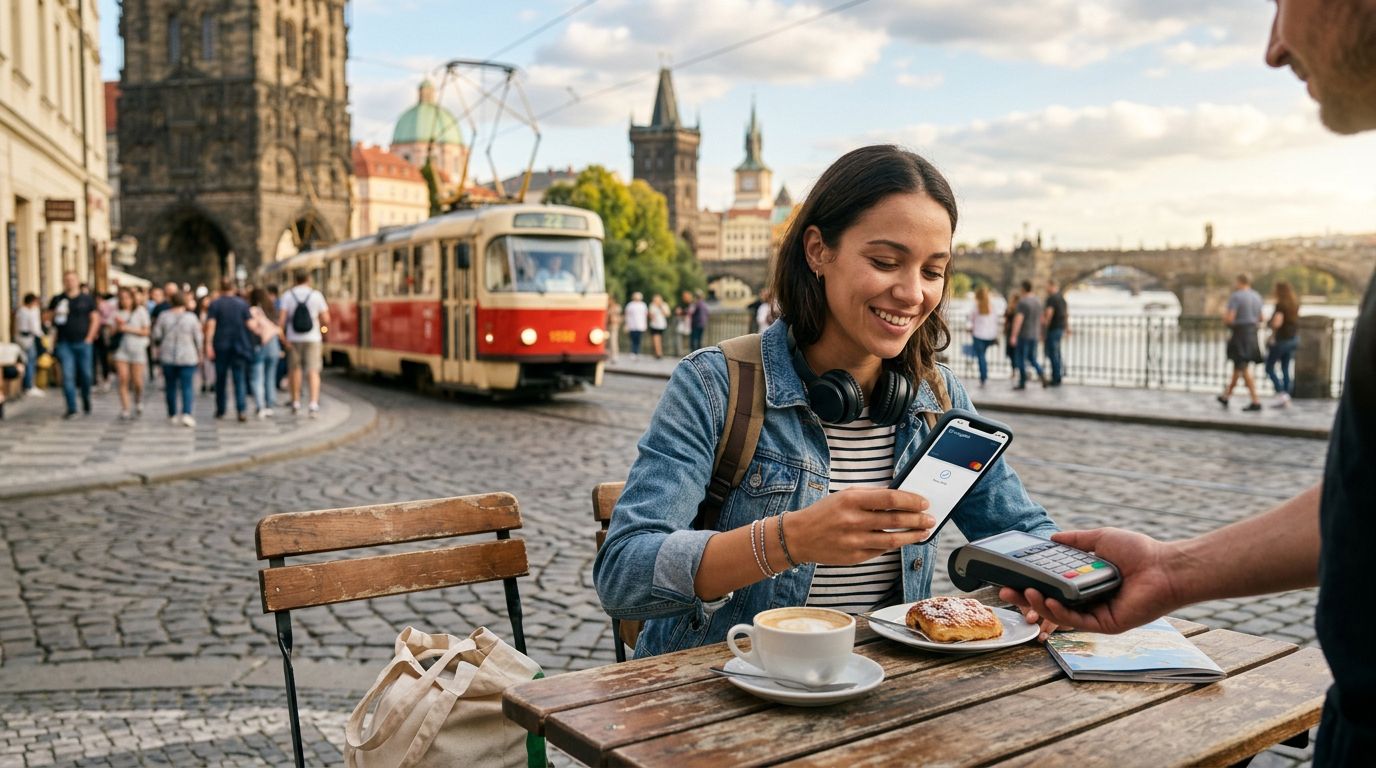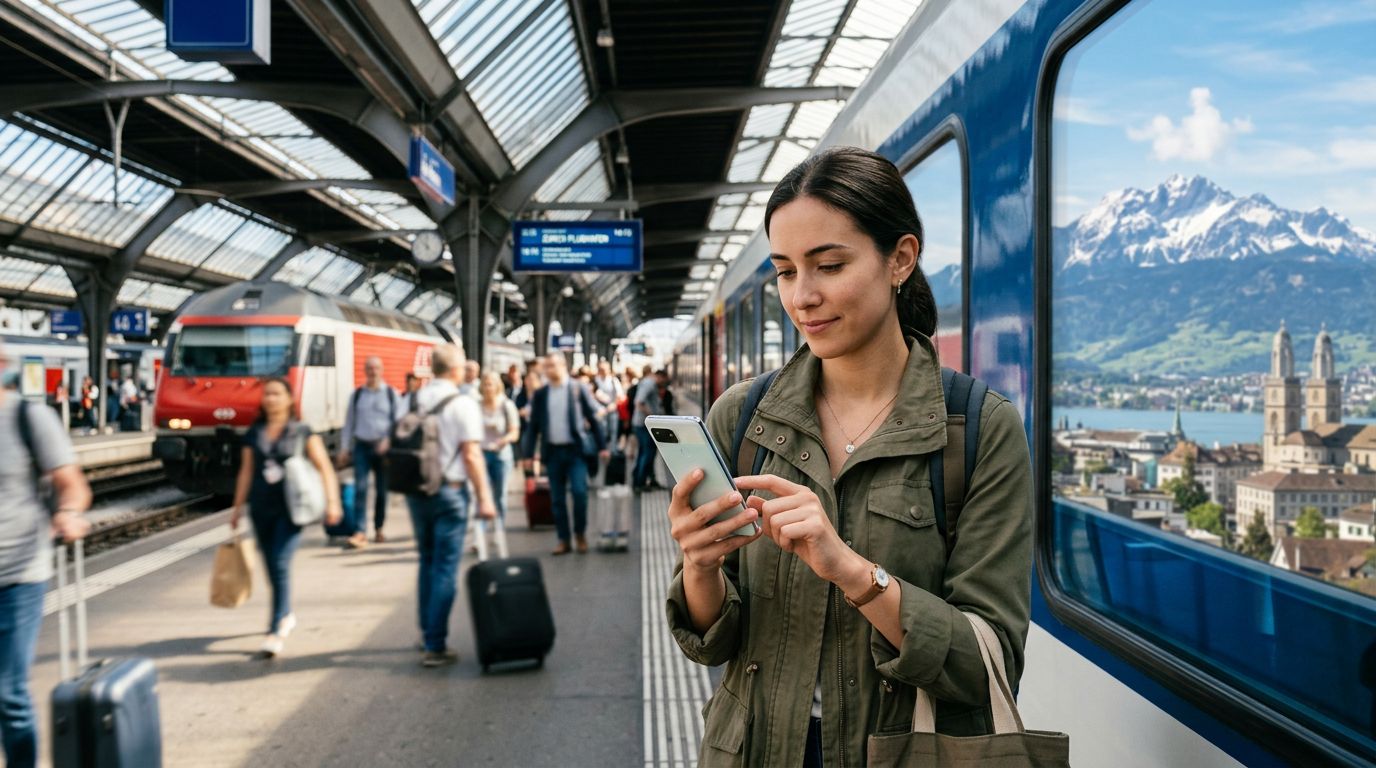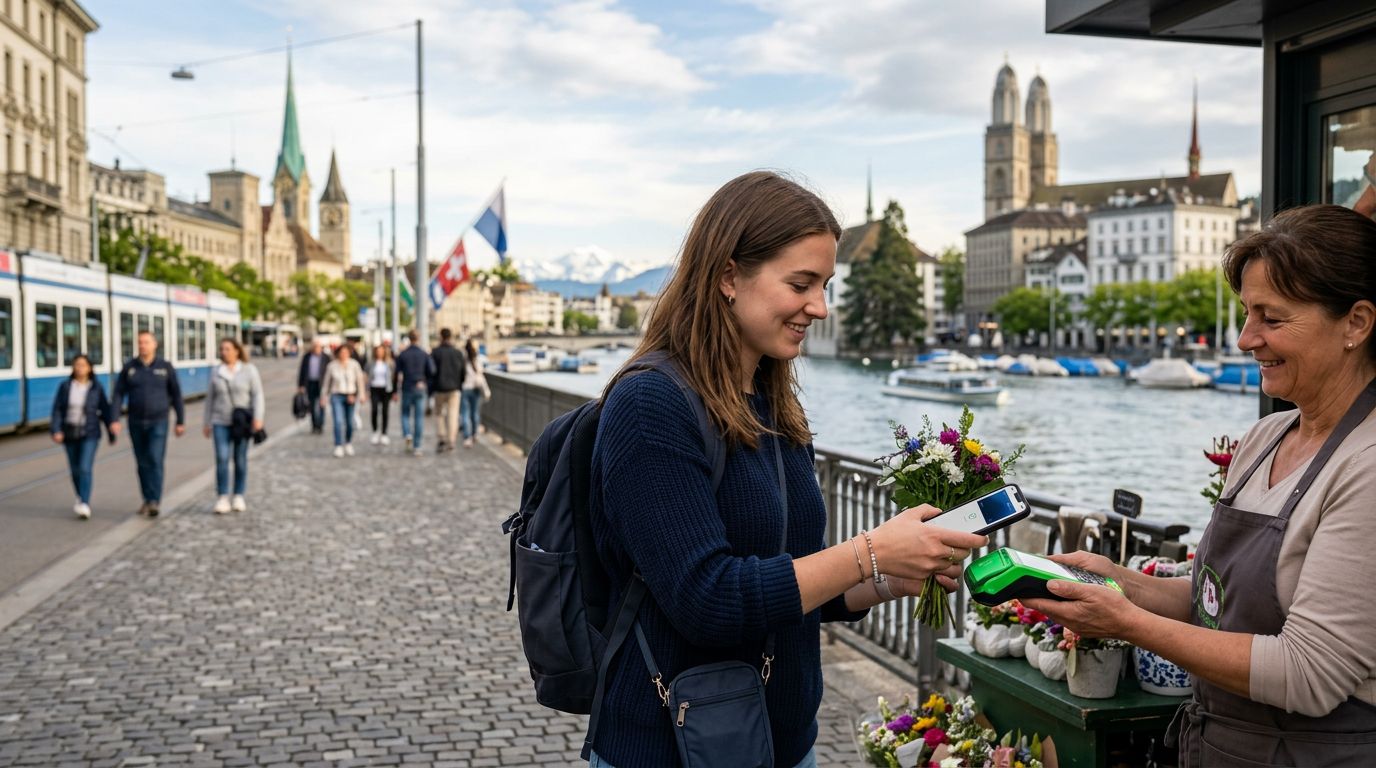
Switzerland is a country that thrives on efficiency. From the precision of its train schedules to the seamless integration of technology in daily life, everything is designed to make movement easier. For travelers, this means that carrying physical cash is rarely necessary. Instead, the Swiss rely heavily on digital payment systems, mobile wallets, and contactless technology. When you arrive with an eSIM, you are perfectly positioned to participate in this frictionless economy, provided you understand how your connectivity interacts with your financial apps.
The Role of Connectivity in Swiss Digital Payments
When you travel, your phone becomes your most important tool. It acts as your map, your translator, and, increasingly, your wallet. In Switzerland, contactless payments are the standard. Whether you are buying a coffee at a train station kiosk, paying for a museum ticket, or settling a bill at a restaurant, a simple tap of your phone or smartwatch is usually sufficient.
Using payment apps with an eSIM in Switzerland is straightforward, but it requires a stable data connection to function reliably. Unlike some regions where offline transactions are common, many banking and payment applications require a brief handshake with a server to authorize a transaction. An eSIM from OneTapSIM ensures that you have a dedicated data line the moment you land. Because the eSIM provides high-speed data, your payment apps can communicate with your home bank or digital wallet provider without the latency issues often associated with searching for public Wi-Fi.
One common misconception is that you need a local Swiss phone number to use mobile payments. In reality, most international payment apps—such as Apple Pay, Google Pay, or those tied to major credit card providers—work perfectly fine as long as your device has an active data connection. Your eSIM serves as the bridge that keeps these apps synced, allowing you to manage your finances while moving between cities like Zurich, Geneva, or Bern.
Preparing Your Payment Apps Before Your Trip
Before you board your flight, a little preparation goes a long way. The most important step is ensuring that your digital wallet is fully configured while you are still on your home network. Adding your credit or debit cards to your phone’s wallet app is a process that often requires verification via SMS or a banking app notification. If you wait until you arrive in Switzerland and have switched over to your eSIM, you might find that your home bank’s verification process is hindered because your primary SIM card is deactivated or in roaming mode.
Once your cards are successfully added to your device, they will remain there regardless of which data plan you are using. The beauty of using an eSIM for travel is that it separates your data needs from your physical SIM card. You can keep your home SIM active for essential SMS verification codes if necessary, while your OneTapSIM eSIM handles all the data traffic for your payment apps and navigation.
It is also wise to check the settings within your payment apps. Ensure that "Background App Refresh" is enabled for your financial applications. This allows the apps to stay updated with your transaction history and security certificates. If you are concerned about data usage, you can monitor your consumption through your phone’s settings, but payment apps typically use a negligible amount of data compared to streaming media or maps. By having a reliable data source through your eSIM, you avoid the frustration of a payment failing at the point of sale due to a poor connection.
Security and Best Practices for Mobile Transactions
While Switzerland is exceptionally safe, digital security remains a priority for any traveler. Using payment apps with an eSIM in Switzerland is inherently more secure than connecting to public Wi-Fi networks. Public networks are often unencrypted, which can expose your financial data to bad actors. By relying on your private eSIM data connection, you create a secure tunnel for your financial transactions.
When you use your phone to pay, the transaction is tokenized. This means your actual card number is never shared with the merchant. Instead, a unique code is generated for that specific transaction. This is a significant advantage over physical cards, which can be skimmed or photographed. To maximize this security, always ensure your phone is protected by biometric authentication, such as FaceID or a fingerprint scan.
If you find yourself in a situation where your data connection is weak—perhaps in a remote mountain village or deep inside an older building—do not panic. Most contactless payment terminals in Switzerland are designed to store transaction data locally and process it once a connection is re-established. However, if you are using a banking app that requires a login, that will always necessitate a data connection. Keeping your OneTapSIM eSIM active ensures that you are never left without the ability to authenticate your identity or check your balance.
Finally, keep a backup plan. While Switzerland is a digital-first society, having a physical credit card as a secondary option is a standard travel precaution. You might encounter a rare shop or a small mountain hut that does not accept mobile payments, though these instances are becoming increasingly infrequent. By combining the convenience of digital wallets with the reliable data coverage of an eSIM, you can focus on the scenery rather than worrying about whether your next purchase will go through. The integration of technology in Switzerland is meant to assist you, not hinder you, and with the right setup, your financial transactions will be as smooth as the Swiss rail system.
Get an eSIM for
Plans for the destinations covered in this guide, with instant QR delivery.