The Role of Mobile Connectivity in Financial Transactions
Traveling to Mali offers a unique opportunity to experience rich history, vibrant markets, and stunning landscapes. Whether you are visiting the bustling streets of Bamako or exploring the ancient architecture of Djenné, staying connected is essential for more than just navigation and communication. For many modern travelers, keeping a smartphone online is the primary way to manage finances. Relying on mobile data is critical when using payment apps while traveling in Mali, as these applications require a stable and secure internet connection to process transactions, check balances, and verify account security.
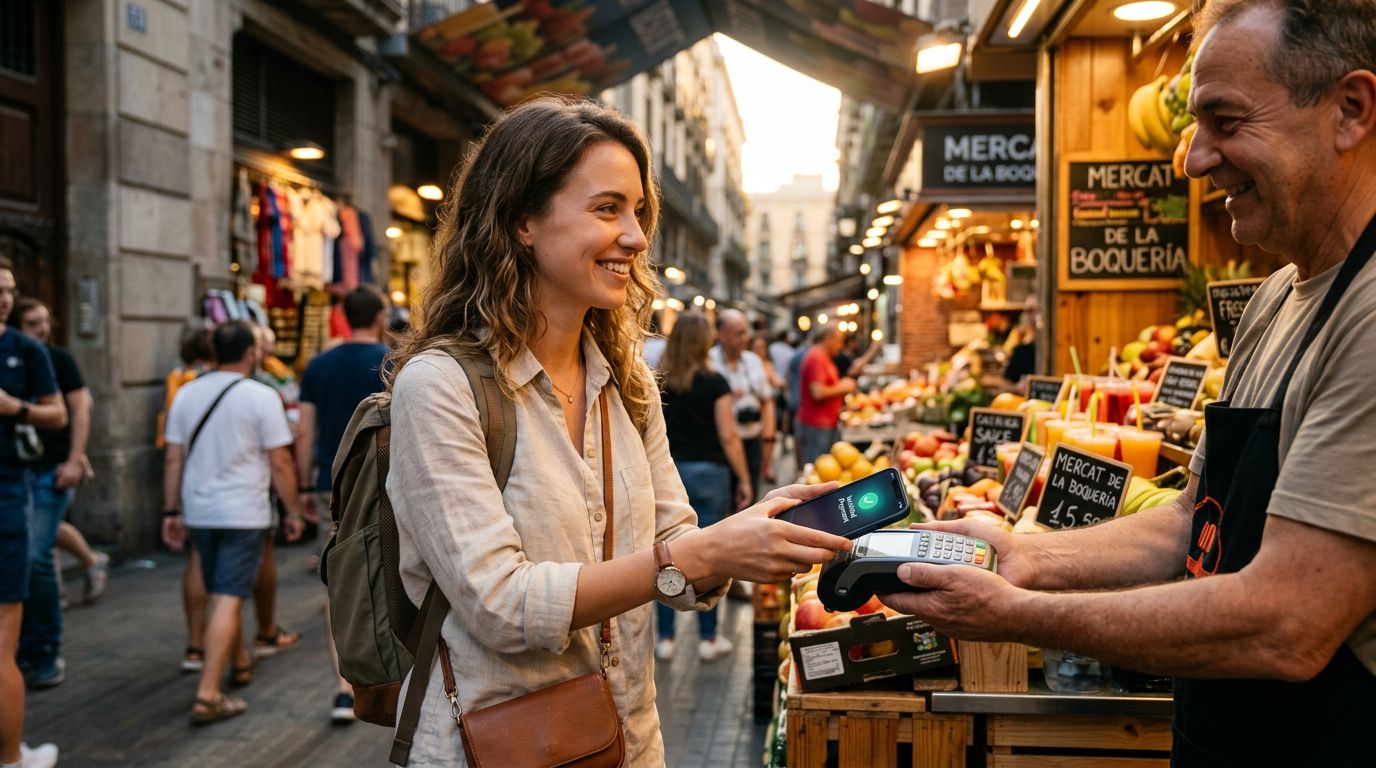
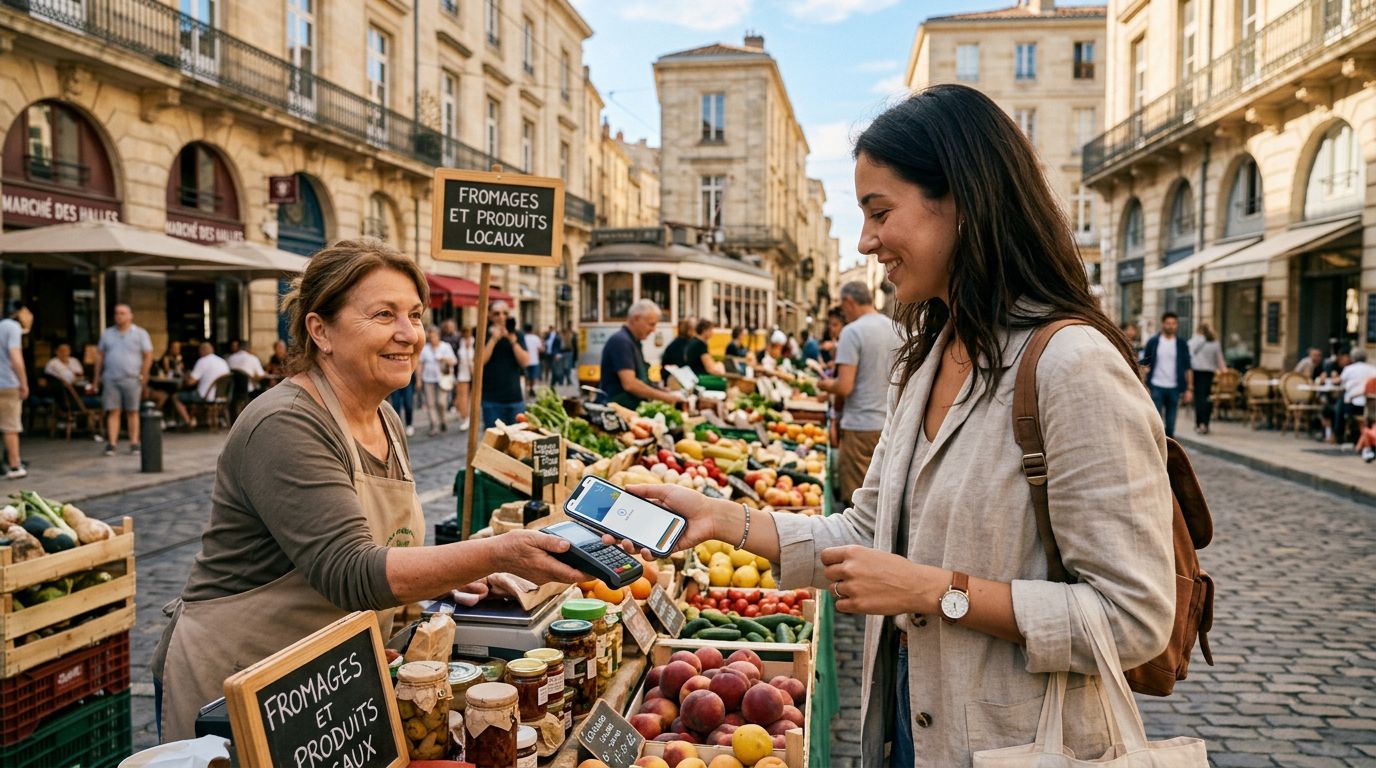
When you are abroad, the traditional banking model often feels cumbersome. Carrying large amounts of physical cash can be risky, and finding an ATM that accepts international cards is not always guaranteed in remote areas. This is where mobile payment apps become indispensable. However, these apps are not magic; they are software tools that depend entirely on the quality of your network. If your connection drops during a transaction, it can lead to confusion regarding whether a payment was successful or if your funds are currently in limbo.
To ensure a smooth experience, you need a reliable data source that does not rely on local Wi-Fi networks, which can be inconsistent or insecure. Using a travel eSIM from OneTapSIM provides the continuous data coverage necessary to keep your payment apps functioning reliably. By maintaining a steady connection, you can move through markets, pay for services, and manage your travel budget with confidence, knowing that your digital wallet is always accessible when you need it.
Best Practices for Secure Digital Payments Abroad
Security is the most important factor when managing money through a smartphone while traveling. Public Wi-Fi networks in hotels, cafes, or airports are often prime targets for cyber threats. If you connect your banking or payment apps to an open network, you risk exposing your financial data to unauthorized parties. Using your own dedicated cellular data via an eSIM is a significantly safer alternative. Because your connection is private and encrypted through the cellular network, you reduce the likelihood of interception.
Beyond the network connection, there are several habits you should adopt to protect your financial information. Always ensure that your payment apps are updated to their latest versions before you depart. Developers frequently release security patches that fix vulnerabilities, and running an outdated version can leave your account exposed. Furthermore, enable multi-factor authentication on all your banking and payment platforms. This adds an extra layer of verification, such as a code sent to your device, which is much harder for a malicious actor to bypass.
When using payment apps while traveling in Mali, be mindful of your surroundings. Even if your digital connection is secure, physical security matters. Try to handle your financial transactions in private, quiet areas rather than in the middle of a crowded street. If you are using a mobile wallet that utilizes NFC technology, ensure your device is kept in a secure pocket or bag when not in use to prevent accidental or unauthorized scans. By combining a secure cellular data connection with these defensive habits, you create a robust shield for your financial assets.
Managing Connectivity for Seamless Travel Experiences
The transition to using digital payments abroad is meant to simplify your travel, not complicate it. However, the biggest hurdle for most travelers is the fear of losing signal at the wrong moment. When you rely on a local SIM card, you often have to deal with the hassle of finding a physical shop, navigating language barriers, and configuring complex settings just to get a signal. This process is time-consuming and often leaves you without data for the first few hours of your trip.
A travel eSIM changes this dynamic by allowing you to set up your connectivity before you even step off the plane. With OneTapSIM, you can activate your data plan instantly, ensuring that as soon as you arrive, you have the signal strength needed to access your maps, ride-sharing apps, and payment platforms. This is particularly useful in a country like Mali, where the ability to quickly pay for a local guide or a craft item can be the difference between a smooth experience and a stressful one.
Furthermore, having a consistent data plan means you can monitor your transactions in real-time. If you notice an unrecognized charge, you can immediately contact your bank or freeze your account through your app. Without a reliable data connection, you might be left in the dark until you find a stable Wi-Fi connection, which could be hours or days away.
To make the most of your trip, test your payment apps in your home country before you leave to ensure they are configured for international use. Verify that your bank does not block transactions originating from Mali and inform them of your travel dates if necessary. By preparing your software and securing your hardware with a reliable eSIM, you can focus on the sights and sounds of your journey rather than worrying about the technicalities of your finances. Whether you are buying textiles in a local market or paying for a museum entry, having a dependable digital infrastructure ensures that your focus remains on the adventure, not the logistics.
Get an eSIM for
Plans for the destinations covered in this guide, with instant QR delivery.