Traveling to a new country is an exhilarating experience, but it often brings a unique set of logistical challenges. Beyond packing your bags and securing your flight, managing your finances is perhaps the most critical task. Finding the best way to pay abroad online is essential for ensuring that your trip remains stress-free and your personal information stays protected. Whether you are booking last-minute museum tickets, reserving a table at a local bistro, or managing your mobile data needs, having a solid strategy for digital payments is a necessity for the modern traveler.
Choosing the Right Payment Methods for International Transactions
When you are far from home, the security of your financial data becomes paramount. Relying on a single method of payment is rarely the best strategy. Instead, experienced travelers often combine several tools to minimize risk and maximize convenience.
Credit cards are frequently the go-to option for international travel. They offer robust fraud protection, and many issuers provide travel-specific benefits. However, not all cards are created equal. Before you depart, check whether your cards carry foreign transaction fees. These small percentages can add up quickly over the course of a long trip. It is also wise to notify your bank of your travel dates to prevent your account from being flagged for suspicious activity when you suddenly start making purchases in a different time zone.
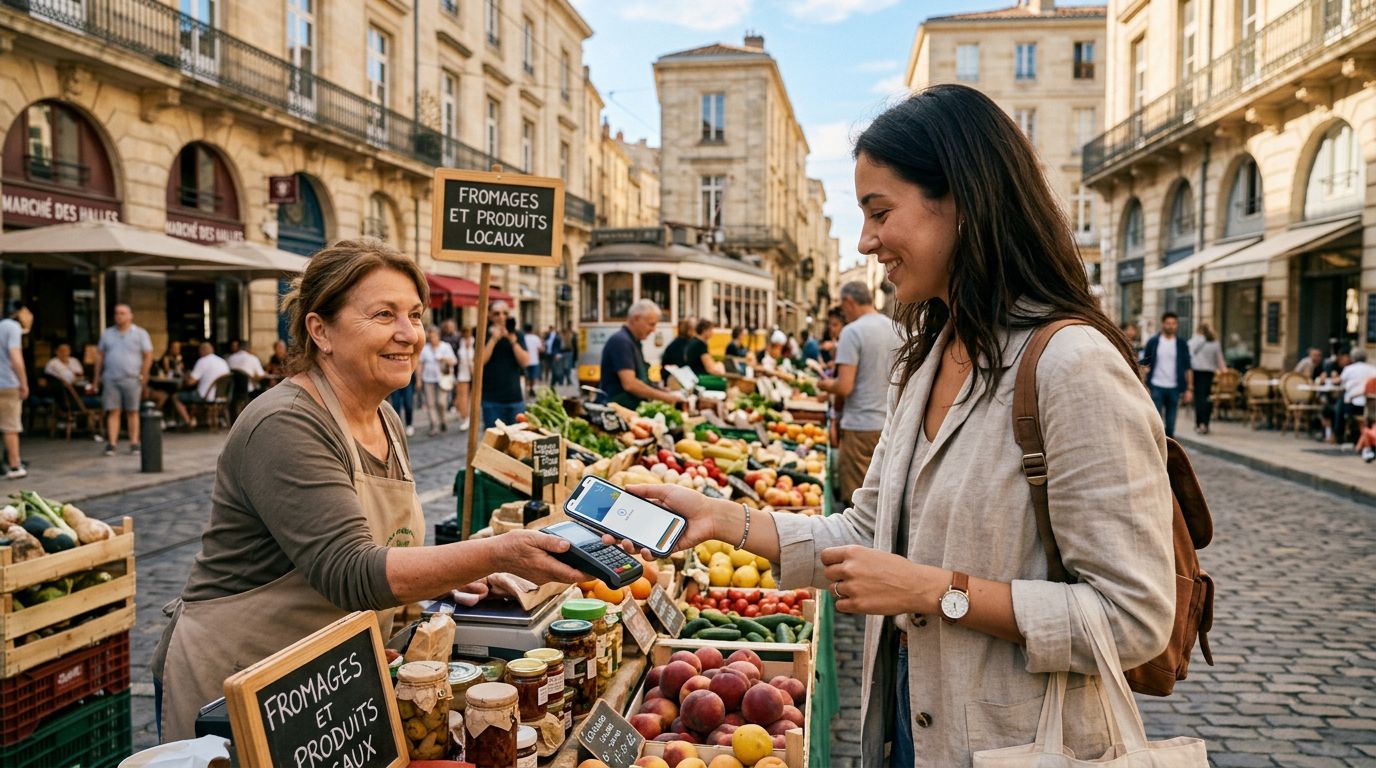
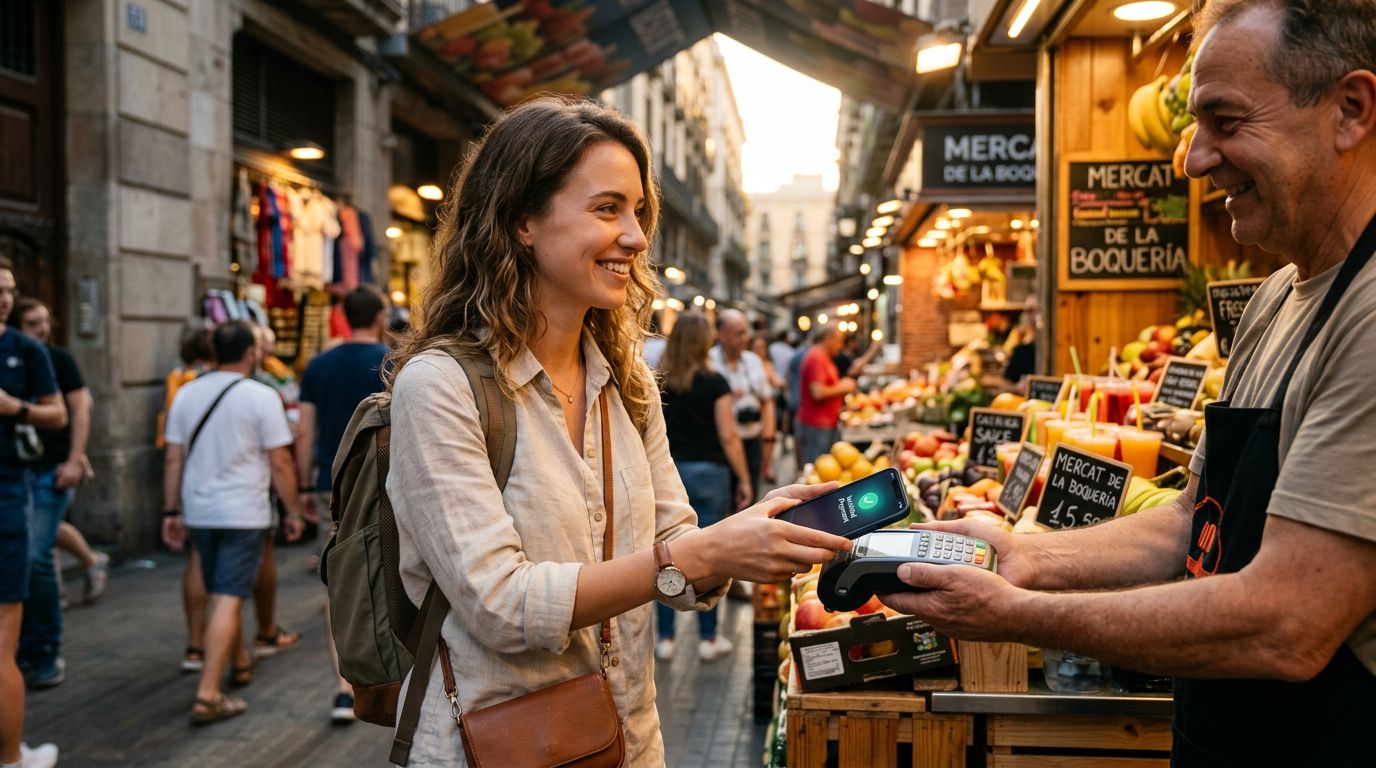
Digital wallets have revolutionized how we pay for goods and services. By linking your cards to a secure mobile wallet, you can often make payments using near-field communication or secure online portals without ever exposing your physical card details to a merchant. This adds a layer of encryption that makes it much harder for bad actors to intercept your sensitive data.
For those who prefer to keep their primary bank accounts separate from their travel spending, prepaid travel cards or dedicated multi-currency accounts are excellent alternatives. These allow you to load funds before you leave, ensuring that you never spend more than you intended and providing a buffer between your main savings and the risks of international commerce.
Digital Security and Connectivity Essentials
The best way to pay abroad online is only as secure as the connection you use. Many travelers make the mistake of using public Wi-Fi networks in airports, cafes, or hotels to access their banking apps or enter credit card information. Public networks are notoriously insecure, and they can leave your data vulnerable to interception.
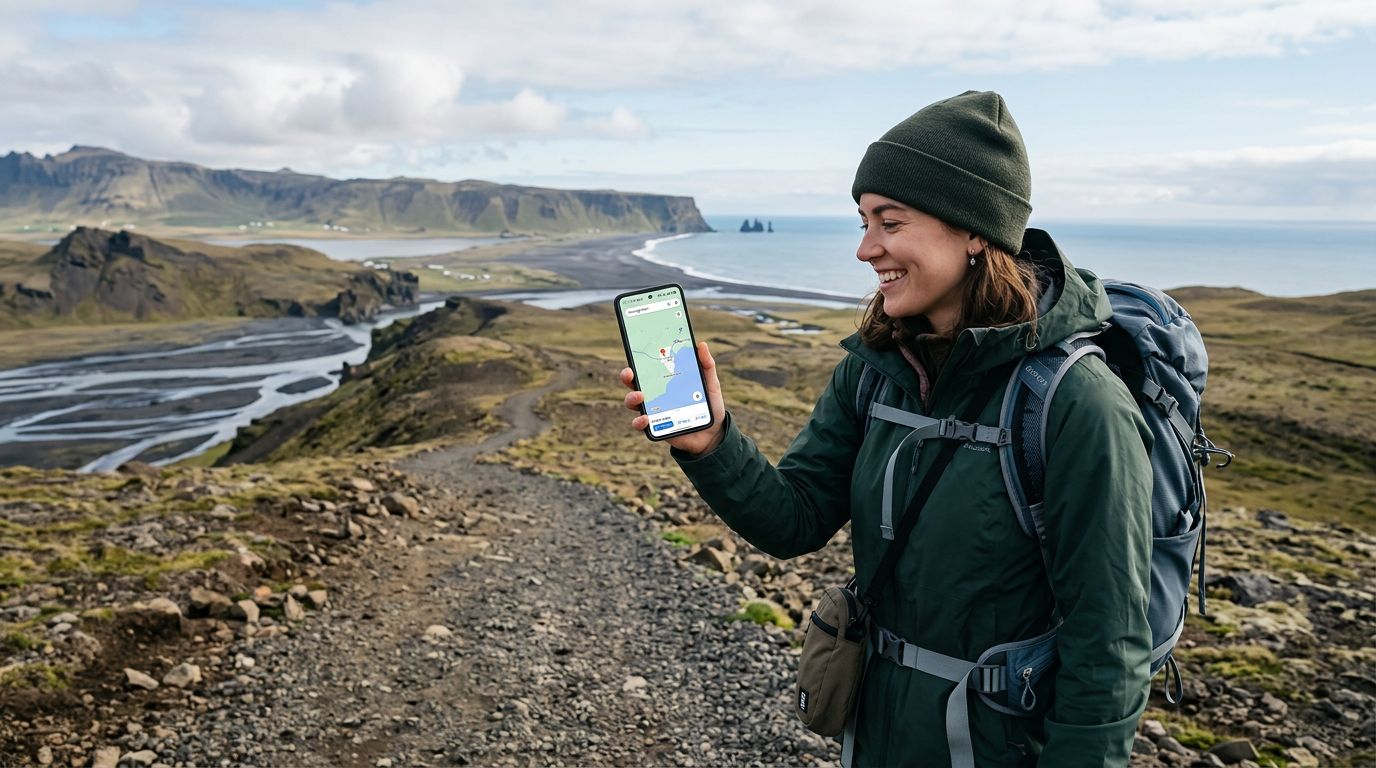
This is where maintaining your own reliable internet connection becomes a security feature, not just a convenience. Using a dedicated travel eSIM, such as OneTapSIM, allows you to maintain a private, secure cellular data connection throughout your journey. By relying on your own mobile data rather than shared public hotspots, you significantly reduce the risk of someone accessing your device while you are logged into your financial accounts.
When you are using your phone to manage your travel bookings or pay for services, ensure that your device is fully updated. Both Apple and Google provide regular security patches for their operating systems. Keeping your software current is one of the simplest yet most effective ways to protect your device from vulnerabilities that could be exploited during your trip. If you are ever unsure about how to manage your device settings or secure your digital identity, resources from support.apple.com or support.google.com can provide the technical guidance you need to stay safe while on the move.
Managing Your Digital Footprint While Traveling
Beyond the technical aspects of payment security, your behavior as a consumer plays a major role in keeping your finances safe. When booking travel services online, always prioritize reputable platforms. If you are arranging tours, transport, or accommodation, try to book through well-established websites that offer secure checkout processes.
Another strategy is to use virtual card numbers if your bank offers them. Many financial institutions now allow you to generate a unique, temporary card number for a single online purchase. If the merchant’s site is compromised later, the virtual number is useless to the thief, and your actual credit card remains untouched.
It is also helpful to keep a digital trail of your transactions. By checking your account activity regularly through a secure, private connection, you can spot any unauthorized charges immediately. If you notice something unusual, contact your bank right away. Most institutions have protocols in place to freeze cards and issue replacements even when you are abroad.
Finally, consider the importance of redundancy. Never carry all your payment methods in one place. Keep one card in your wallet, another in a secure compartment in your luggage, and perhaps a backup digital method stored in a secure cloud vault. If your wallet is lost or stolen, having a backup method that you can access via your phone ensures you are not left stranded without the ability to pay for essentials.
By combining the use of secure payment methods, maintaining your own private data connection, and practicing diligent digital hygiene, you can enjoy your travels with peace of mind. The goal is to spend your time focusing on the culture, the sights, and the experiences of your destination rather than worrying about the safety of your transactions. With the right preparation, managing your money abroad becomes a seamless part of your journey, allowing you to focus on what really matters: making memories.