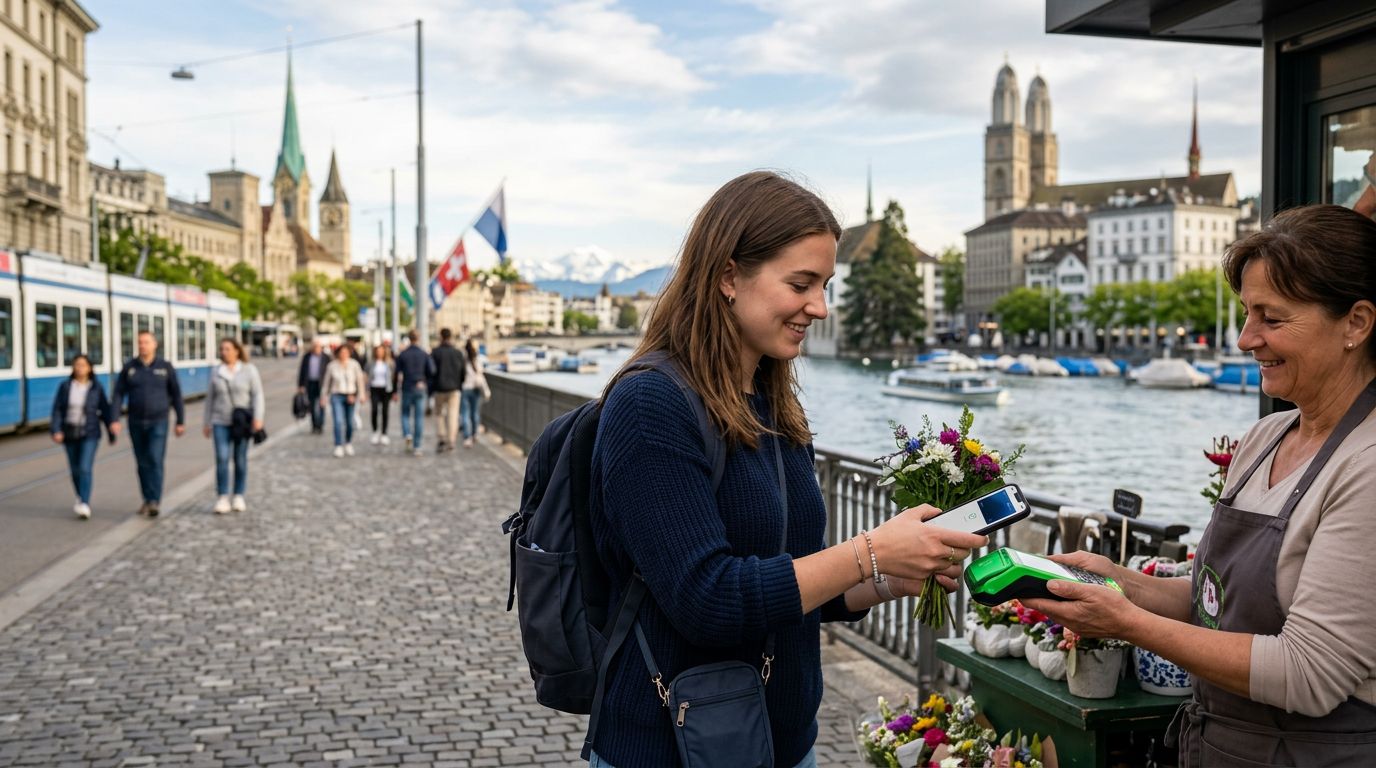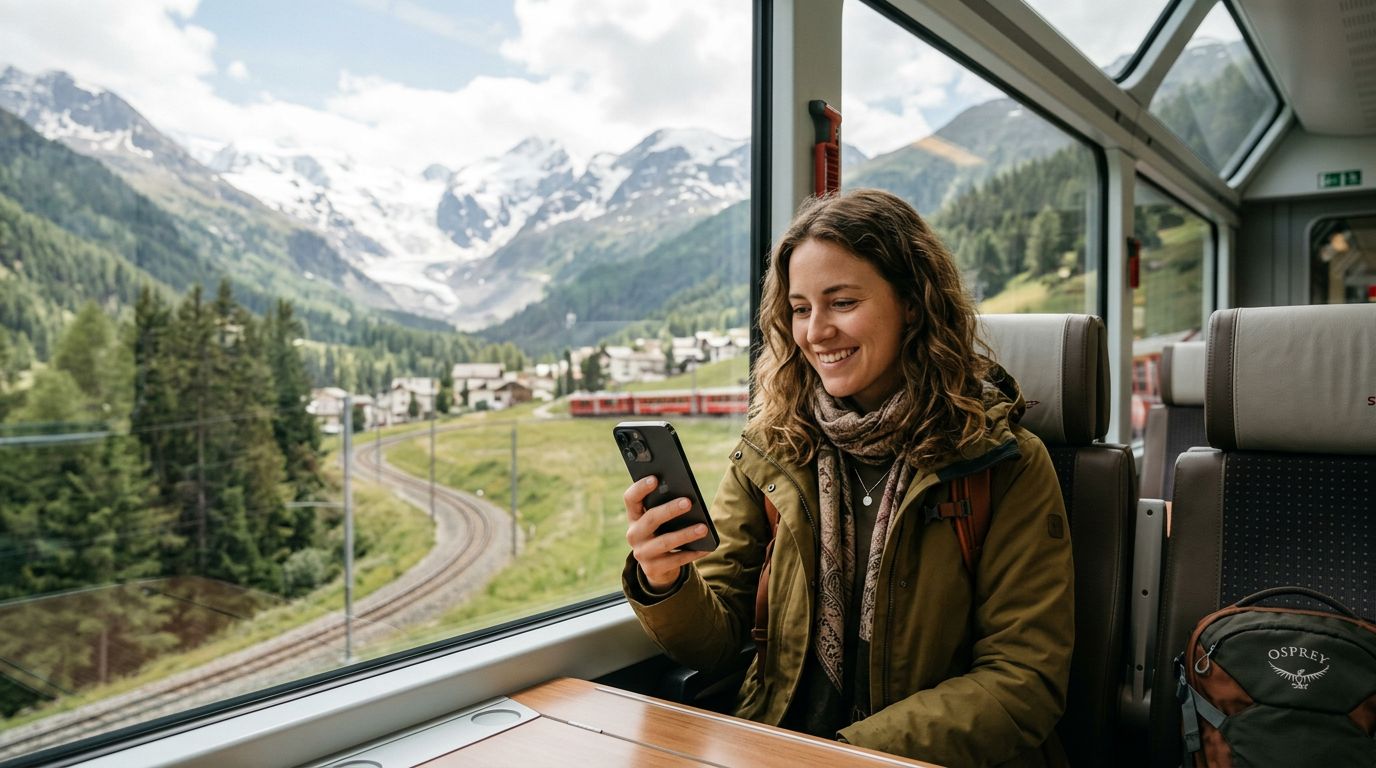
Switzerland is a dream destination for many travelers, offering everything from the snow-capped peaks of the Alps to the pristine shores of Lake Geneva and the bustling, efficient streets of Zurich. Whether you are planning to hike through the Bernese Oberland or attend business meetings in the heart of Europe’s financial hubs, staying connected is essential. If you are wondering, "does eSIM work in Switzerland," the answer is a resounding yes. In fact, using an eSIM is widely considered the most efficient way to manage your mobile data while visiting this beautiful country.
Understanding eSIM Technology for Swiss Travel
An eSIM, or embedded SIM, is a digital version of the traditional physical plastic SIM card. It is built directly into the hardware of modern smartphones, tablets, and smartwatches. Because it is software-based, you do not need to visit a local store, stand in line, or fumble with tiny metal trays and pins to swap out your home SIM card.
When you travel to Switzerland, your home carrier might offer an international roaming package, but these are often expensive and come with strict data caps. Alternatively, you might have considered buying a local prepaid SIM card upon arrival. While local SIMs provide local rates, they require you to find a shop, show your passport, and register the card, which can be a hassle after a long flight.
By choosing an eSIM, you bypass these physical inconveniences. You can purchase your data plan before you even leave home. Once you land at Zurich, Geneva, or Basel airport, your device connects to a local Swiss network automatically. This allows you to use GPS for navigation, translate menus, look up train schedules, and share your travel photos on social media without worrying about finding a Wi-Fi hotspot or incurring high roaming fees. OneTapSIM provides a seamless digital experience that ensures your connection is active the moment your wheels touch the ground.
Why Switzerland is the Perfect Destination for eSIM Users
Switzerland is known for its world-class telecommunications infrastructure. The country boasts extensive 4G and 5G coverage, meaning that no matter how remote your mountain hike might be, you are likely to find a strong signal. Because the local network infrastructure is so robust, eSIMs perform exceptionally well, offering fast, reliable data speeds that rival or exceed what you get with a physical local SIM.
Using an eSIM in Switzerland also provides a significant advantage for travelers who are visiting multiple countries. If your trip includes neighboring nations like France, Germany, Italy, or Austria, you can often manage your connectivity across borders with a single digital profile. This eliminates the need to buy multiple physical SIM cards as you cross borders.
Furthermore, using an eSIM allows you to keep your primary phone number active. Most modern smartphones allow you to keep your home SIM card in the device alongside your eSIM. You can set your home SIM to handle voice calls and SMS for urgent matters, while designating your eSIM as the primary source for cellular data. This configuration ensures that you stay reachable by friends and family back home while enjoying the high-speed data benefits of a local Swiss connection. Whether you are checking train times on the SBB mobile app or streaming music while riding the Glacier Express, the reliability of a dedicated data eSIM ensures your experience remains uninterrupted.
Setting Up Your Connection with OneTapSIM
Getting started with your eSIM is a straightforward process that takes only a few minutes. Before you begin, ensure that your device is carrier-unlocked. If your phone is locked to a specific mobile provider, it will not be able to accept an eSIM from a different service. You can typically verify this by checking your device settings or contacting your home carrier.
Once you have confirmed your phone is unlocked, the process of activating your plan is simple. You will receive a QR code or an activation link after selecting your plan through a provider like OneTapSIM. To install the eSIM, go to your phone’s cellular or mobile data settings, select the option to add a cellular plan, and scan the provided code.
After the installation is complete, you can label the plan—for example, "Switzerland Data"—to easily distinguish it from your primary line. When you arrive in Switzerland, turn on your data roaming for the eSIM profile. Do not worry; as long as you have selected a travel-specific data plan, this will not trigger the expensive roaming charges associated with your home carrier. Your phone will automatically register with a local Swiss carrier, and you will be ready to browse, navigate, and communicate.
If you encounter any issues during setup, most modern operating systems provide clear, step-by-step guidance within the settings menu. Apple and Google both offer comprehensive support documentation on their respective websites that can help you manage your eSIM profiles, adjust your data preferences, and troubleshoot basic connectivity issues.
By taking the time to set up your eSIM before you depart, you transform your travel experience. You no longer need to worry about being disconnected in a foreign country or paying excessive fees for the privilege of staying online. With a reliable eSIM, you can focus on what truly matters: exploring the breathtaking scenery, enjoying the local culture, and making the most of your time in Switzerland. Whether you are a solo backpacker or a business traveler, the convenience of digital connectivity is an essential tool for a modern, stress-free trip.
Get an eSIM for
Plans for the destinations covered in this guide, with instant QR delivery.