Understanding eSIM Compatibility for Your Indonesian Trip
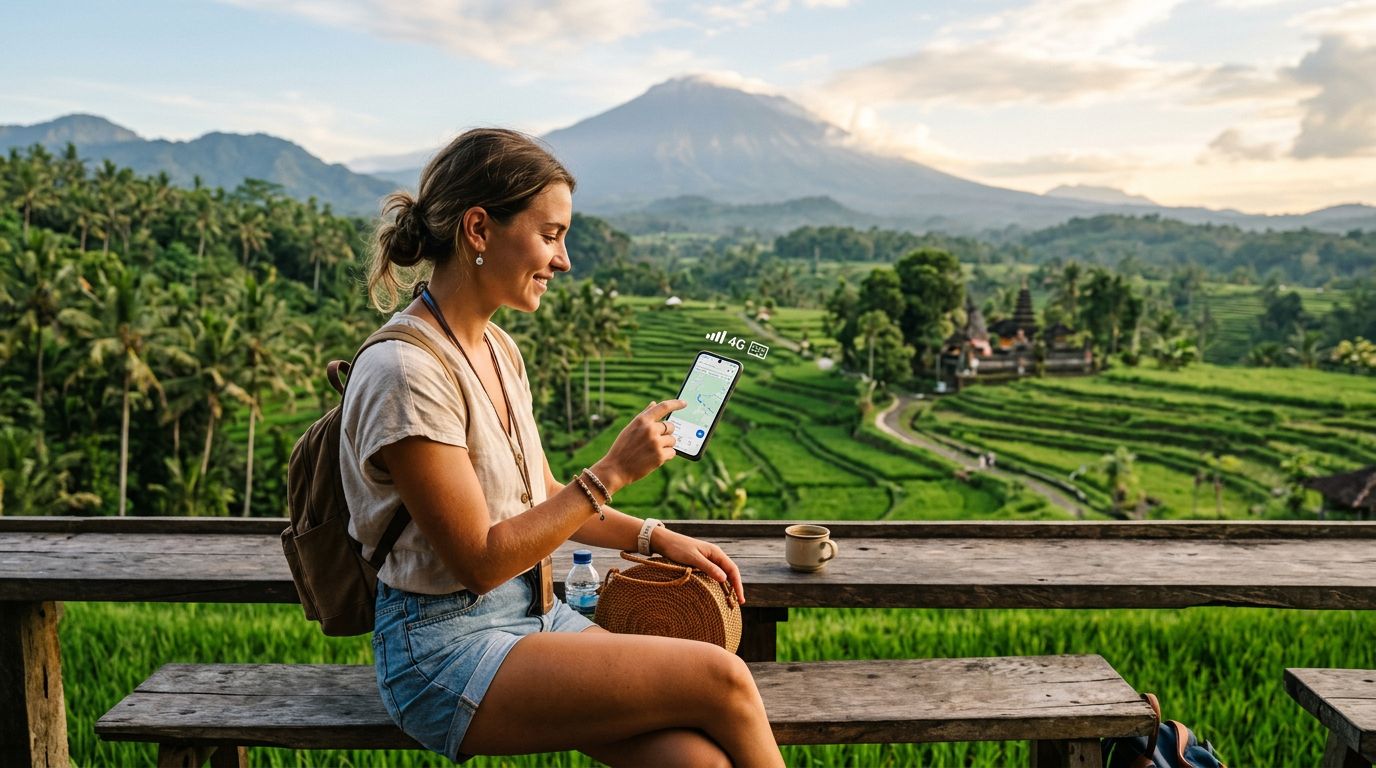
Indonesia is a sprawling archipelago that offers everything from the cultural heart of Ubud to the bustling streets of Jakarta and the pristine beaches of Raja Ampat. As you plan your itinerary, staying connected is essential for using navigation apps, booking local transport, and sharing your journey. Many travelers ask, "does eSIM work in Indonesia?" The answer is a resounding yes. eSIM technology has become the gold standard for international travelers, replacing the need to hunt for physical SIM cards at kiosks upon arrival.
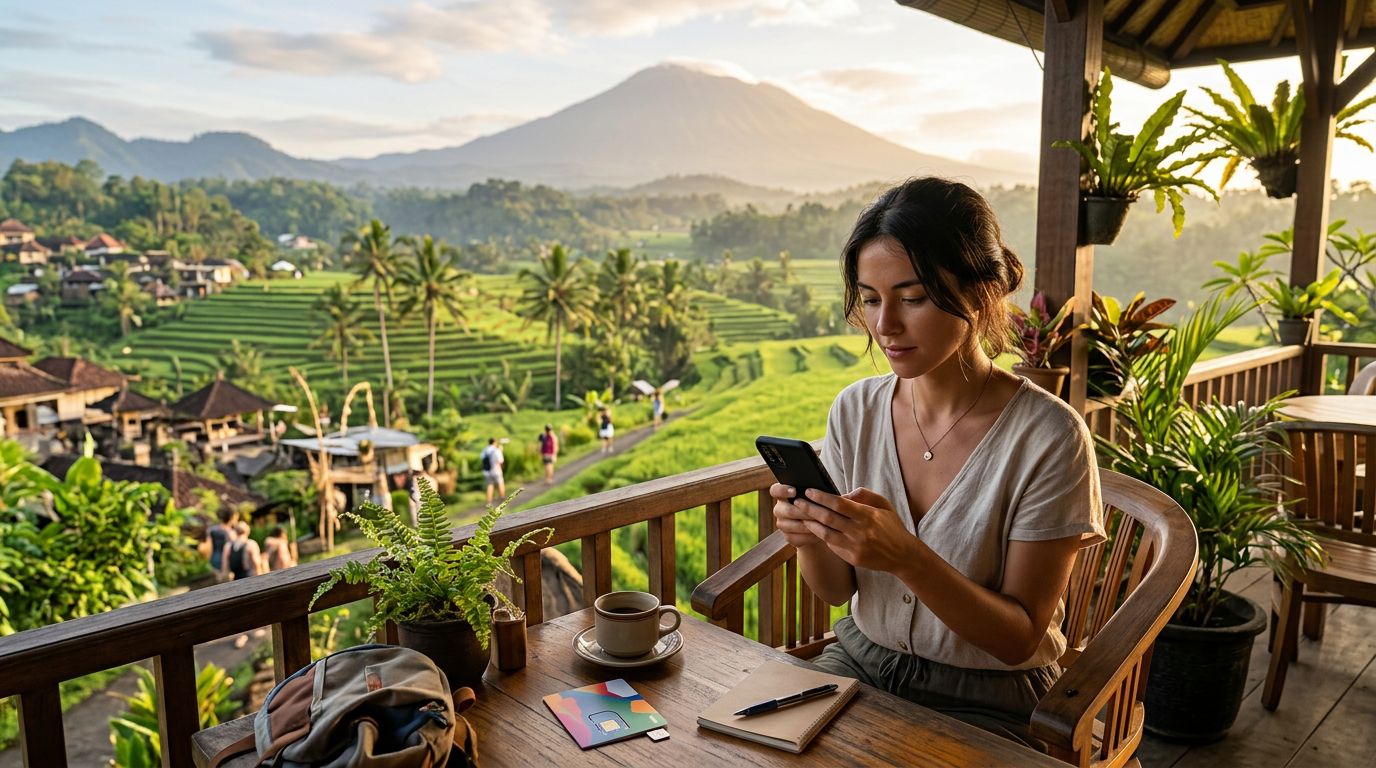
An eSIM is a digital version of a traditional SIM card. It is embedded directly into your smartphone’s hardware, allowing you to activate a cellular plan without inserting a plastic chip. This technology is particularly beneficial in Indonesia, where regional connectivity can vary. By using an eSIM, you can maintain your primary phone number for essential calls while using a separate data plan for your local browsing needs.
Before you depart, you must ensure your device is compatible. Most modern smartphones released in the last few years support eSIM functionality. You can verify this by checking your device’s settings or visiting the official support pages for Apple or Google. If your phone is carrier-locked, you will need to contact your home service provider to have it unlocked before you can use an eSIM from a third-party provider like OneTapSIM. Once your device is confirmed as unlocked and compatible, you are ready to enjoy seamless connectivity the moment your plane touches down.
Why Choose an eSIM for Your Indonesian Adventure
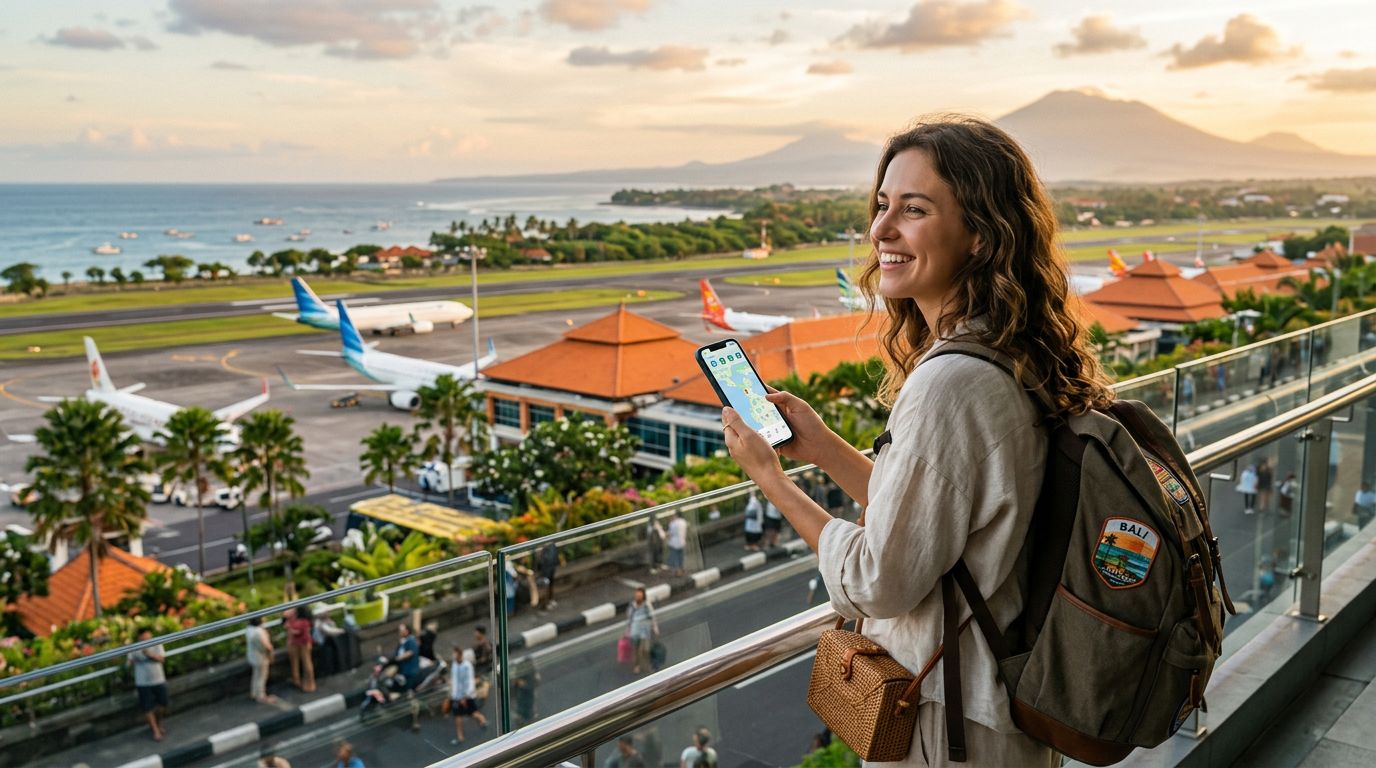
The primary advantage of choosing an eSIM for Indonesia is convenience. In the past, arriving at an international airport meant navigating long queues at mobile provider booths, filling out registration forms, and dealing with language barriers to get a physical SIM card. With an eSIM, you can complete the entire setup process before you even leave your home. By installing your OneTapSIM profile in advance, your phone will automatically connect to a local network as soon as you land, allowing you to call a ride-sharing service or check your hotel location immediately.
Another significant benefit is the ability to manage your data usage effectively. Indonesia offers a diverse range of environments, and having a reliable data connection ensures you can access real-time information regardless of whether you are in a dense city center or exploring a more remote island. eSIMs allow you to switch between different data plans or providers without the physical hassle of swapping chips. This flexibility is perfect for travelers who might start their trip in Bali and continue to Java or Lombok.
Furthermore, eSIMs are a more sustainable and secure option. Because there is no physical card to handle, you eliminate the risk of losing your home SIM card during the transition. You also avoid the potential damage that can occur when inserting and removing small plastic cards from your device’s tray. Using a reputable provider ensures that your connection is stable and that your data security remains a priority throughout your travels. It is a streamlined approach that fits perfectly into the modern travel experience, providing peace of mind so you can focus on the sights, sounds, and flavors of Indonesia.
Tips for a Seamless Connectivity Experience
To ensure your trip to Indonesia is as smooth as possible, there are a few best practices to follow regarding your eSIM. First, always make sure your device’s operating system is updated to the latest version. Software updates often include improvements to eSIM management and network compatibility, which can prevent connectivity issues during your trip.
When you install your eSIM, it is helpful to label your plans clearly in your phone’s settings. You can designate your primary home SIM for calls and texts and your OneTapSIM eSIM specifically for cellular data. This configuration prevents accidental roaming charges on your home plan while ensuring you have a high-speed data connection for your maps, social media, and translation apps.
While in Indonesia, you may notice that network coverage strength fluctuates depending on your specific location. In major cities like Jakarta, Surabaya, or Denpasar, you can expect robust 4G or 5G coverage. In more rural areas or remote islands, the connection might shift to 3G or lower speeds. If you find yourself in an area with a weak signal, try toggling your "Airplane Mode" on and off; this forces your device to re-scan for the strongest available tower.
It is also wise to monitor your data consumption. While many eSIM plans offer generous data packages, streaming high-definition video or downloading large files can deplete your allowance faster than expected. Most smartphones have a built-in data usage monitor that allows you to track how much data each app is consuming. By keeping an eye on this, you can ensure your connection lasts for the duration of your stay.
Finally, remember that your eSIM is tied to your specific device. If you plan on bringing multiple devices, such as a phone and a tablet, ensure that each one is eSIM-compatible if you require individual data access for each. By preparing your device, understanding how to manage your dual-SIM settings, and keeping an eye on your usage, you can enjoy a stress-free trip. Whether you are trekking through the jungles of Sumatra or enjoying the sunset in Uluwatu, having a reliable digital connection will enhance your travel experience and keep you connected to what matters most. With the right preparation, you will find that staying online in Indonesia is easier than ever before.
Get an eSIM for
Plans for the destinations covered in this guide, with instant QR delivery.