Understanding Your Connectivity Options in Switzerland
Planning a trip to Switzerland involves many logistical details, from coordinating train schedules to choosing the right hiking gear. Amidst these preparations, deciding how to stay connected is a priority for most travelers. Whether you need to use navigation apps to find your hotel in Zurich, translate menus in a local cafe, or share photos of the Alps with friends and family, having a reliable internet connection is essential.
When comparing a Switzerland SIM card vs eSIM, you are essentially choosing between a traditional physical component and a modern, software-based alternative. A physical SIM card is a small plastic chip that you insert into your device. It has been the standard for decades and requires a physical exchange of hardware. On the other hand, an eSIM—or embedded SIM—is a digital version of that same technology. It is built directly into the hardware of compatible smartphones, allowing you to activate a cellular plan by downloading a profile rather than swapping out a tiny piece of plastic.
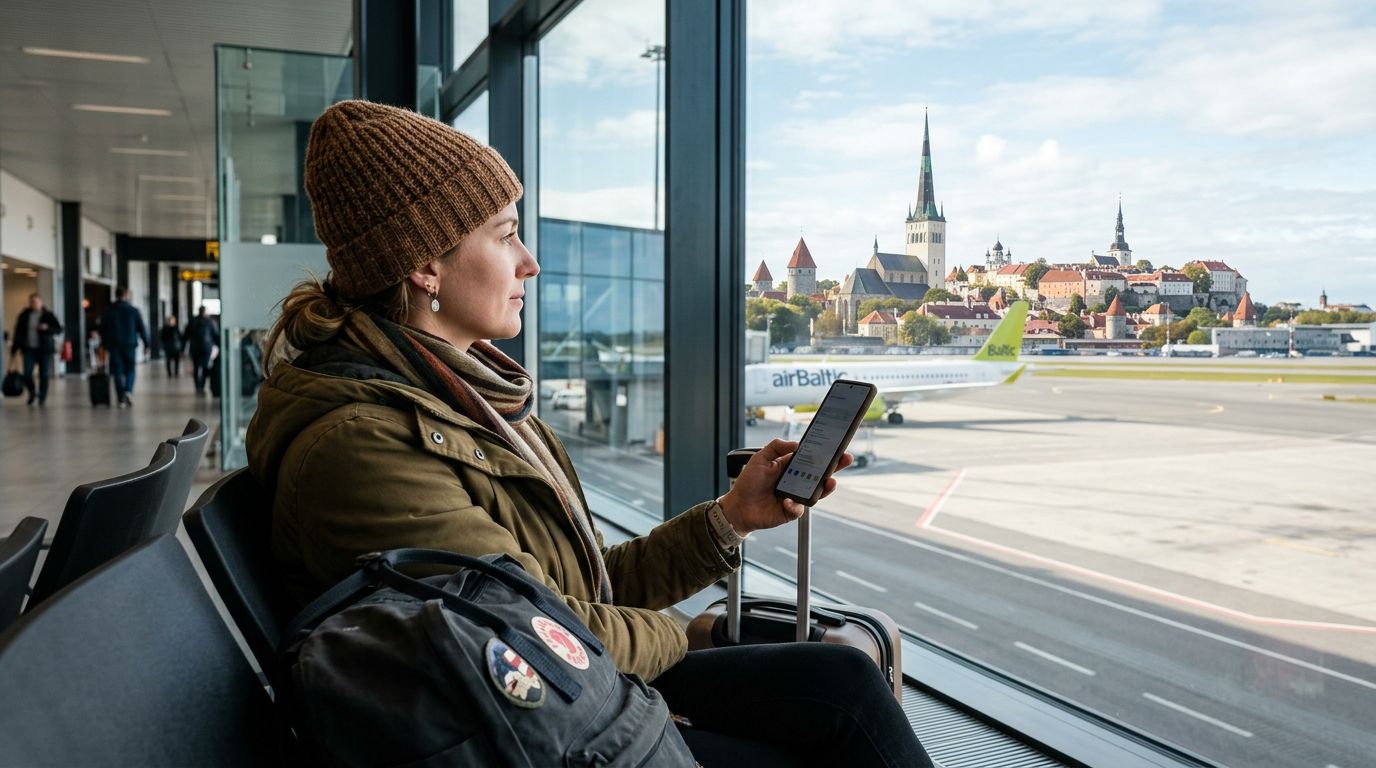
For many travelers, the appeal of the eSIM lies in its convenience. You no longer need to hunt for a kiosk at the airport or deal with the risk of losing your original home SIM card while it sits in your wallet. With a service like OneTapSIM, the process is streamlined to ensure you are ready to go as soon as your plane touches down on the runway. However, understanding the nuances of both options will help you make the choice that best fits your specific travel style and device capabilities.
The Practical Differences: Physical SIMs vs. eSIMs
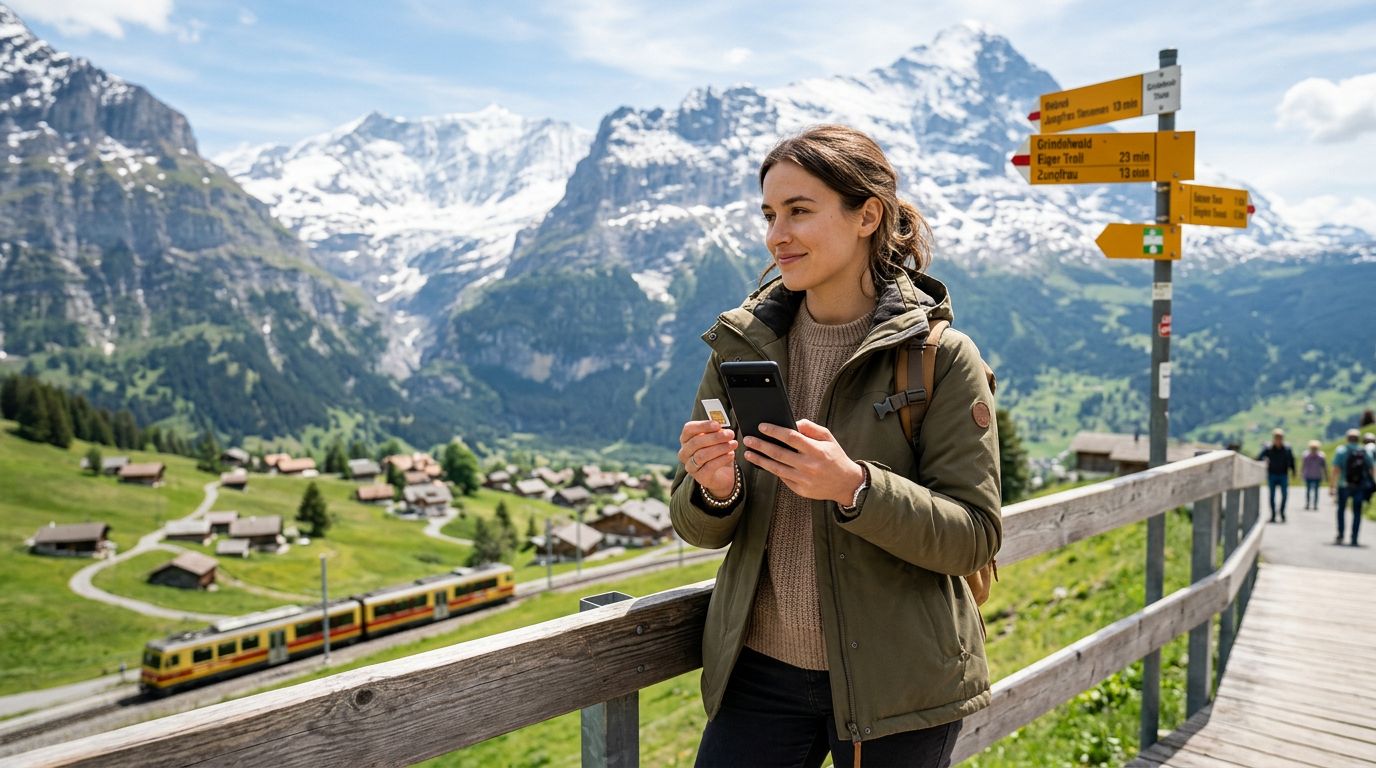
The most significant difference between these two options is the installation process. To use a physical SIM card, you must locate a point of sale, present your identification, and manually open your phone’s SIM tray. This can be time-consuming, especially if you arrive late at night or during a busy holiday period when shops are closed or lines are long. Furthermore, physical SIM cards are fragile. If you drop the chip while trying to insert it into your phone, you could be left without connectivity for the duration of your trip.
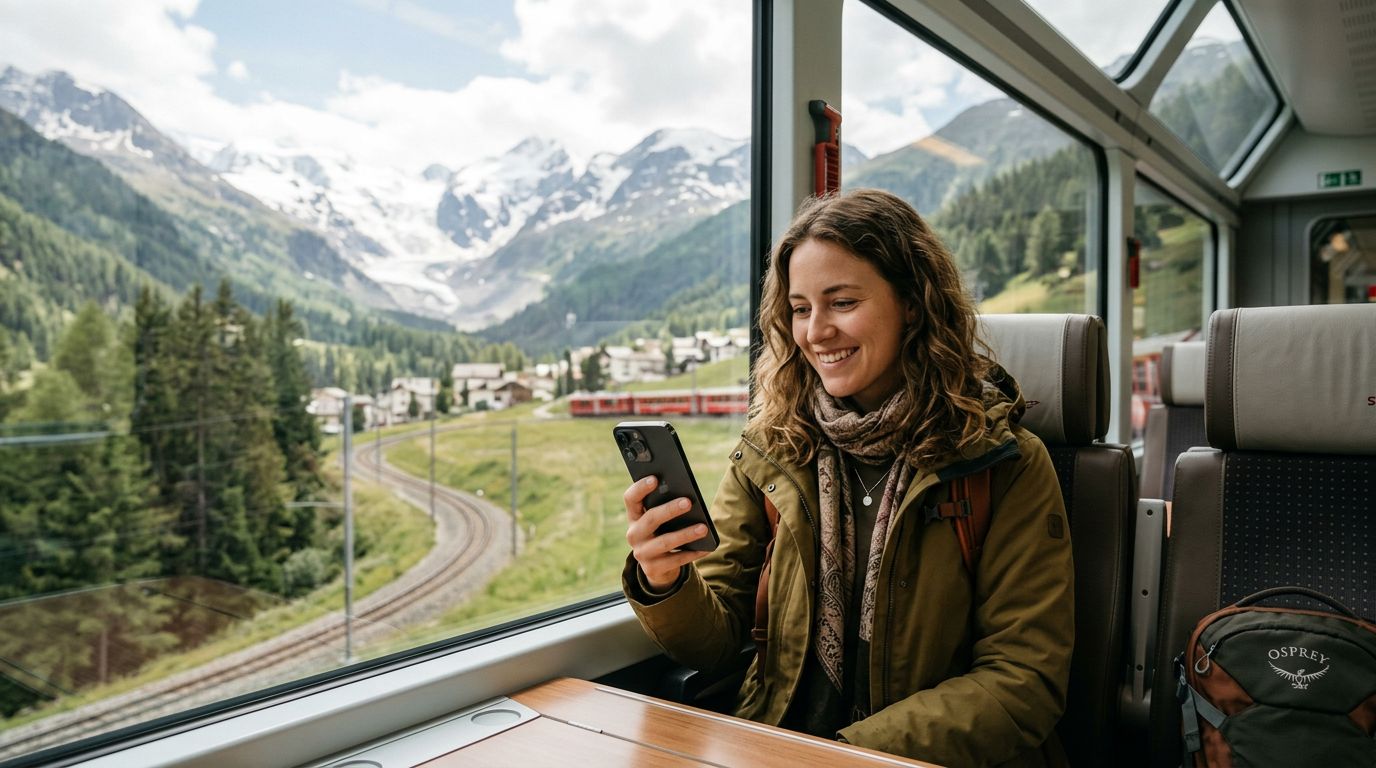
An eSIM removes these physical barriers. Because the technology is integrated into your phone, you can purchase and activate your data plan from the comfort of your home before you even leave for the airport. Once you arrive in Switzerland, your phone connects to the local network automatically. This "set it and forget it" approach is a major advantage for travelers who prefer to minimize stress upon arrival.
Compatibility is the one area where physical SIM cards still hold a slight advantage. Almost every mobile phone manufactured in the last two decades supports a physical SIM card. Conversely, while most modern smartphones manufactured in the last few years are eSIM-capable, older models or certain regional versions of phones may not support the technology. Before you decide, it is wise to check your phone’s settings to ensure your device is unlocked and supports eSIM functionality. If your device is compatible, the transition to a digital solution is generally smooth and permanent, as you will likely prefer the convenience for all your future travels.
Why Travelers Are Switching to Digital Solutions
The shift toward digital connectivity is driven by the need for flexibility. When you travel through Switzerland, you might cross borders or simply want to switch between different data providers based on signal strength in remote mountainous regions. With a physical SIM card, switching providers requires another trip to a store and another physical swap. With an eSIM, you can manage multiple profiles on your device. You can keep your home number active for calls and texts while using a dedicated data plan for your internet needs.
Reliability is another key factor. OneTapSIM provides a seamless experience by allowing you to manage your data usage through a digital interface. This removes the uncertainty of dealing with foreign language contracts or confusing billing structures often found at local kiosks. When you rely on a digital service, you have a clear understanding of your data limits and the duration of your coverage.
Furthermore, the environmental impact of physical plastic cards cannot be ignored. Every year, millions of plastic SIM cards are produced and discarded. By choosing an eSIM, you are opting for a more sustainable way to stay connected. You are not generating waste, and you are not contributing to the logistical footprint of shipping and packaging physical cards.
Finally, consider the security aspect. Physical SIM cards can be stolen or damaged. If you lose your phone, losing a physical SIM card is just one more headache to deal with. With an eSIM, the profile is tied to your device’s internal hardware. If you are a frequent traveler, the ability to maintain a consistent, digital-first approach to connectivity simplifies your life significantly. Whether you are navigating the streets of Geneva or exploring the trails near Zermatt, having a reliable, pre-activated connection ensures that you can focus on the scenery rather than troubleshooting your phone settings. By evaluating your device's capabilities and your personal preference for convenience, you can determine if the digital route is the right move for your next Swiss adventure.
Get an eSIM for
Plans for the destinations covered in this guide, with instant QR delivery.