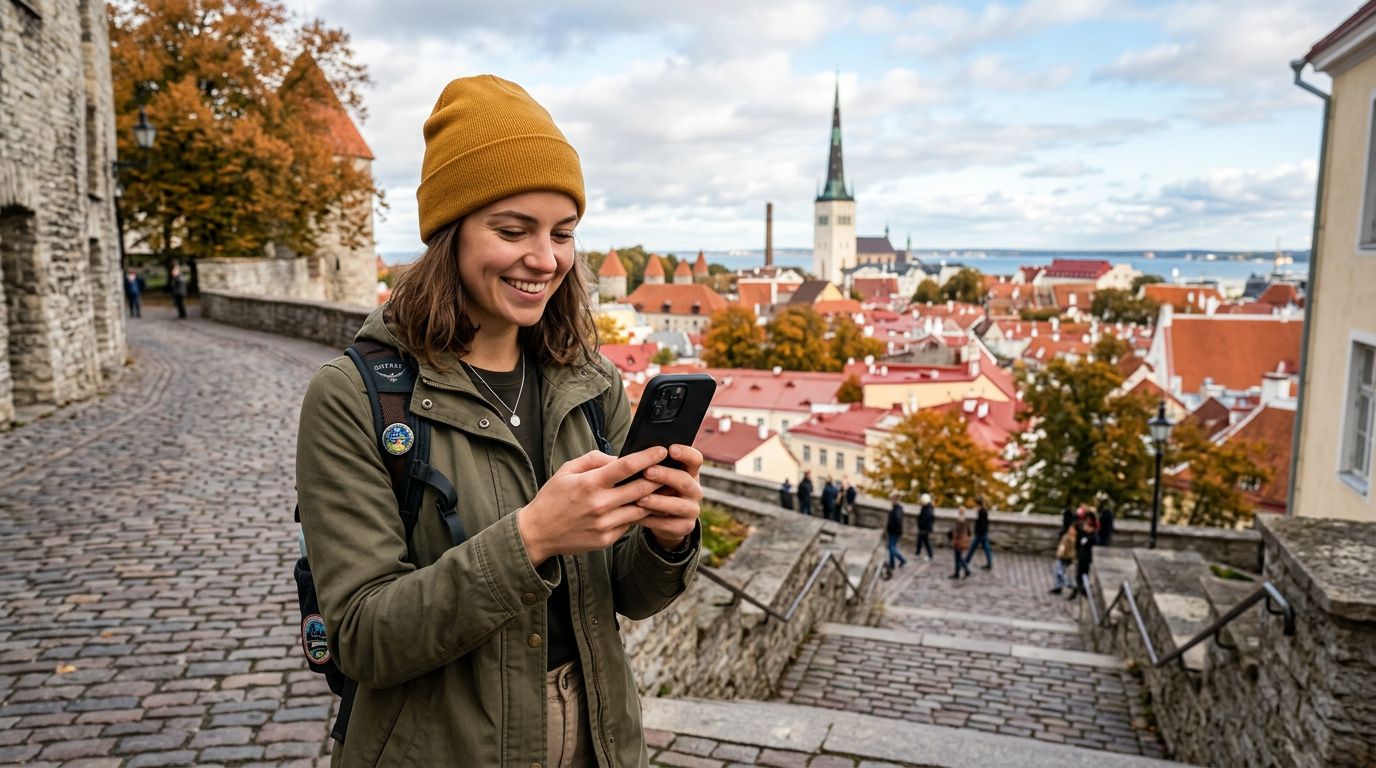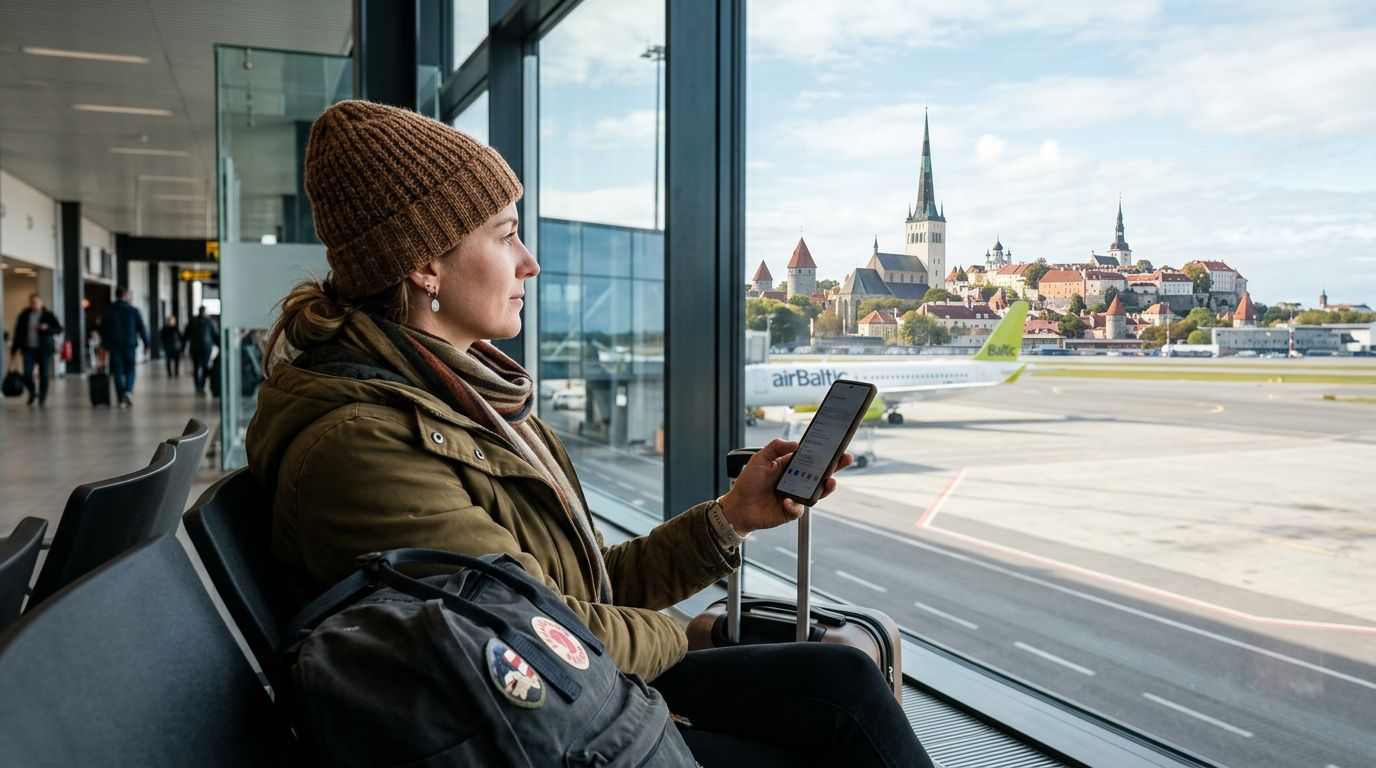
Estonia is a country defined by its digital infrastructure, from the cobbled streets of Tallinn’s medieval Old Town to its advanced e-residency programs. As a traveler, staying connected here is essential, whether you are uploading photos of the Alexander Nevsky Cathedral or using ride-sharing apps to get to the airport. When planning your trip, you will inevitably face the choice between a traditional physical SIM card and the more modern eSIM technology. Understanding the differences between an Estonia SIM card vs eSIM is the first step toward a stress-free journey.
Comparing Physical SIM Cards and eSIM Technology
A physical SIM card has been the industry standard for decades. It is a small piece of plastic that you insert into a dedicated tray on your phone. To get one in Estonia, you typically visit a local mobile carrier kiosk at the airport, a convenience store, or a dedicated retail shop in the city center. Once you have the card, you pop out your home SIM, store it safely in your wallet, and insert the local one. While this method is familiar, it comes with the risk of losing your original SIM card or damaging the delicate tray mechanism on your device.
An eSIM, or embedded SIM, is a digital alternative that resides within your phone’s internal hardware. There is no physical card to swap, lose, or break. Instead, you activate your connection by scanning a QR code or downloading a profile directly to your device. Because the technology is built into the phone, you can switch between your home carrier and your travel plan with just a few taps in your settings menu. This makes it an increasingly popular choice for travelers who value convenience and efficiency.
When weighing the Estonia SIM card vs eSIM debate, consider your hardware. Most modern smartphones manufactured in the last several years are eSIM-compatible. If you are unsure whether your phone supports this, you can check the device settings or search for your specific model on the manufacturer’s official support pages. If your device is compatible, the transition to a digital plan is seamless, allowing you to bypass the need to hunt for a physical shop upon arrival.
The Benefits of Choosing an eSIM for Your Estonian Adventure
The primary advantage of using an eSIM over a physical SIM card is the ability to stay connected the moment you land. With a traditional SIM, you often have to wait until you reach a store, navigate language barriers, and potentially wait in line. With an eSIM, you can purchase and install your plan before you even leave home. As soon as your plane touches down at Tallinn Airport, you simply toggle your data settings, and you are ready to navigate, translate, and share your experiences.
Another significant benefit is the ability to keep your home number active. If you rely on your primary SIM for two-factor authentication, banking alerts, or urgent calls from home, a physical SIM swap forces you to choose between your local data and your home connectivity. Most dual-SIM capable phones allow you to run an eSIM alongside your physical SIM. This means you can keep your home line active for texts and calls while using your eSIM for high-speed data. OneTapSIM offers a streamlined way to manage this, ensuring you have reliable coverage without the hassle of juggling plastic chips.
Security is also a factor. Physical SIM cards can be stolen or compromised if you lose your phone. An eSIM is tied directly to your device’s internal hardware, making it impossible for someone to simply pull it out and use it in another phone. Furthermore, because the process is entirely digital, you avoid the physical wear and tear on your phone’s SIM port, which can be prone to jamming or damage after repeated use.
Practical Considerations for Your Trip to Estonia
While Estonia is highly connected, there are practical realities to consider when choosing your connectivity method. If you are a traveler who prefers a "set it and forget it" approach, the eSIM is superior. You can manage your data usage, check your balance, and extend your coverage through an app or a digital dashboard. This eliminates the need to visit a physical store to top up your credit if you run out of data mid-trip.
However, there are rare scenarios where a physical SIM might be preferred. If you are traveling with a much older device that lacks eSIM hardware, or if you are planning an extended stay where you might need a local Estonian phone number for government services or long-term rental agreements, a physical SIM from a local carrier might be necessary. Local carriers have specific requirements for registration that sometimes necessitate a physical visit to a shop with your passport.
For the vast majority of tourists, business travelers, and digital nomads, the convenience of an eSIM outweighs the niche benefits of a physical card. By choosing a provider like OneTapSIM, you ensure that your connectivity is handled through a reliable, user-friendly interface. You get the benefit of local network speeds without the friction of traditional retail logistics.
When you arrive in Estonia, you will find that the country’s network coverage is excellent, even in rural areas like Lahemaa National Park or the islands of Saaremaa and Hiiumaa. Whether you are streaming high-definition video or just checking emails, having a stable data connection is non-negotiable. By comparing the Estonia SIM card vs eSIM options before you travel, you can make an informed decision that keeps you connected throughout your stay. Remember to check your phone’s compatibility, plan your data needs according to your usage patterns, and enjoy the digital freedom that comes with modern travel technology. With your connectivity sorted, you are free to focus on the history, culture, and beauty that Estonia has to offer.