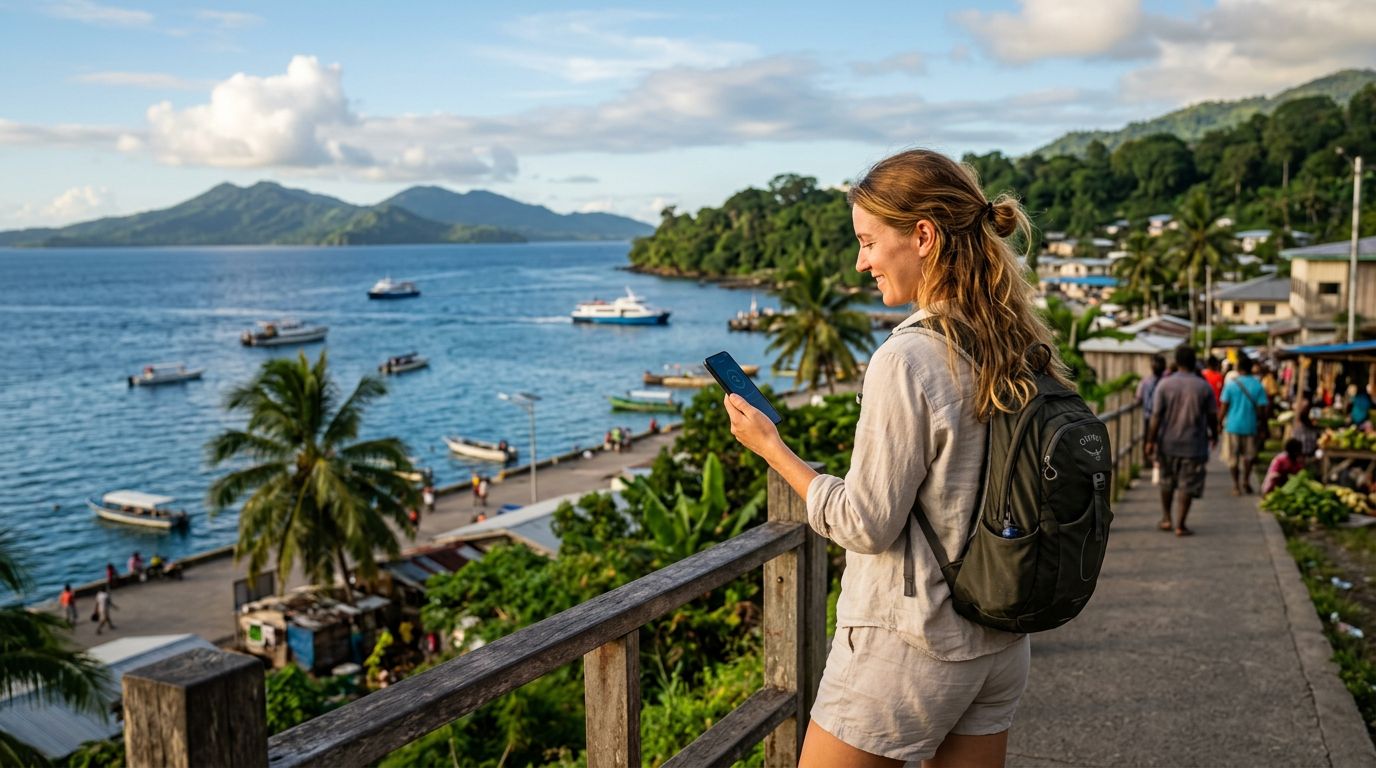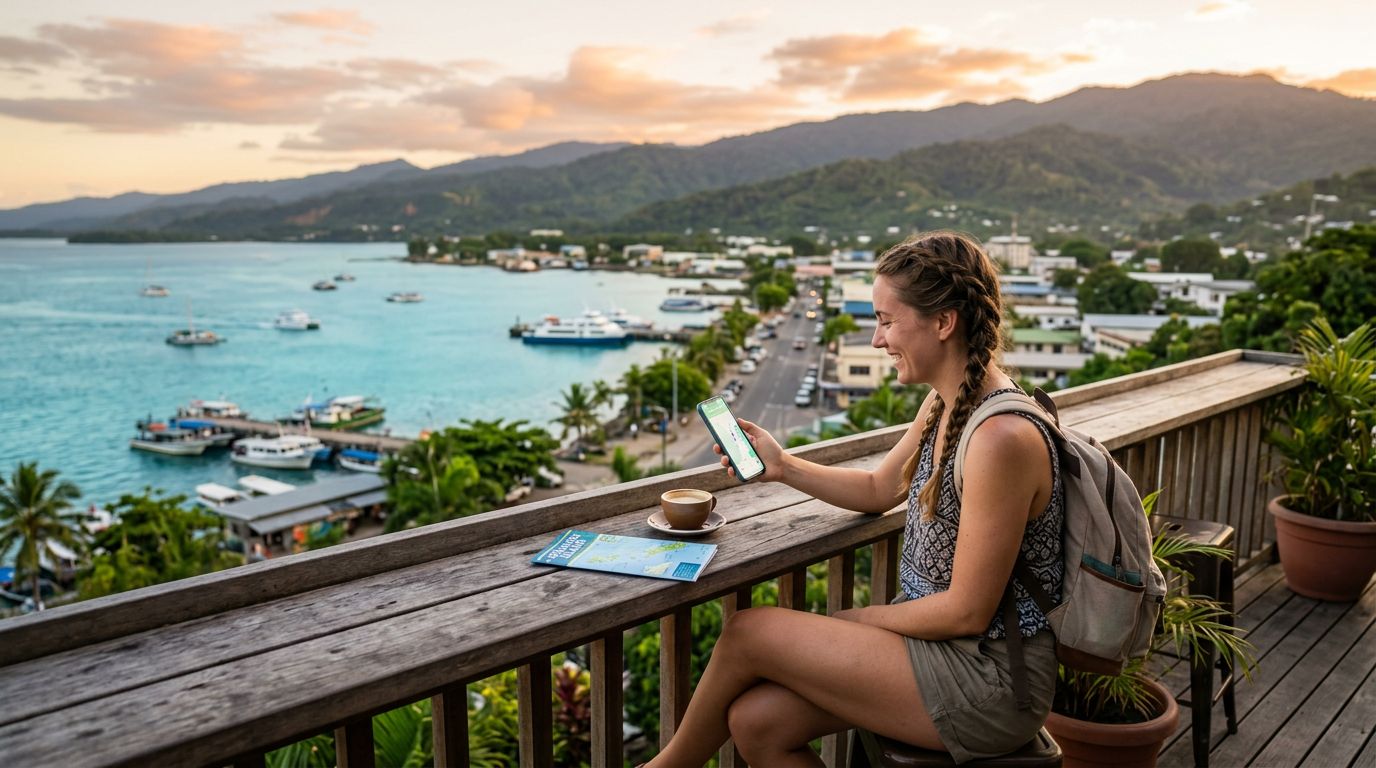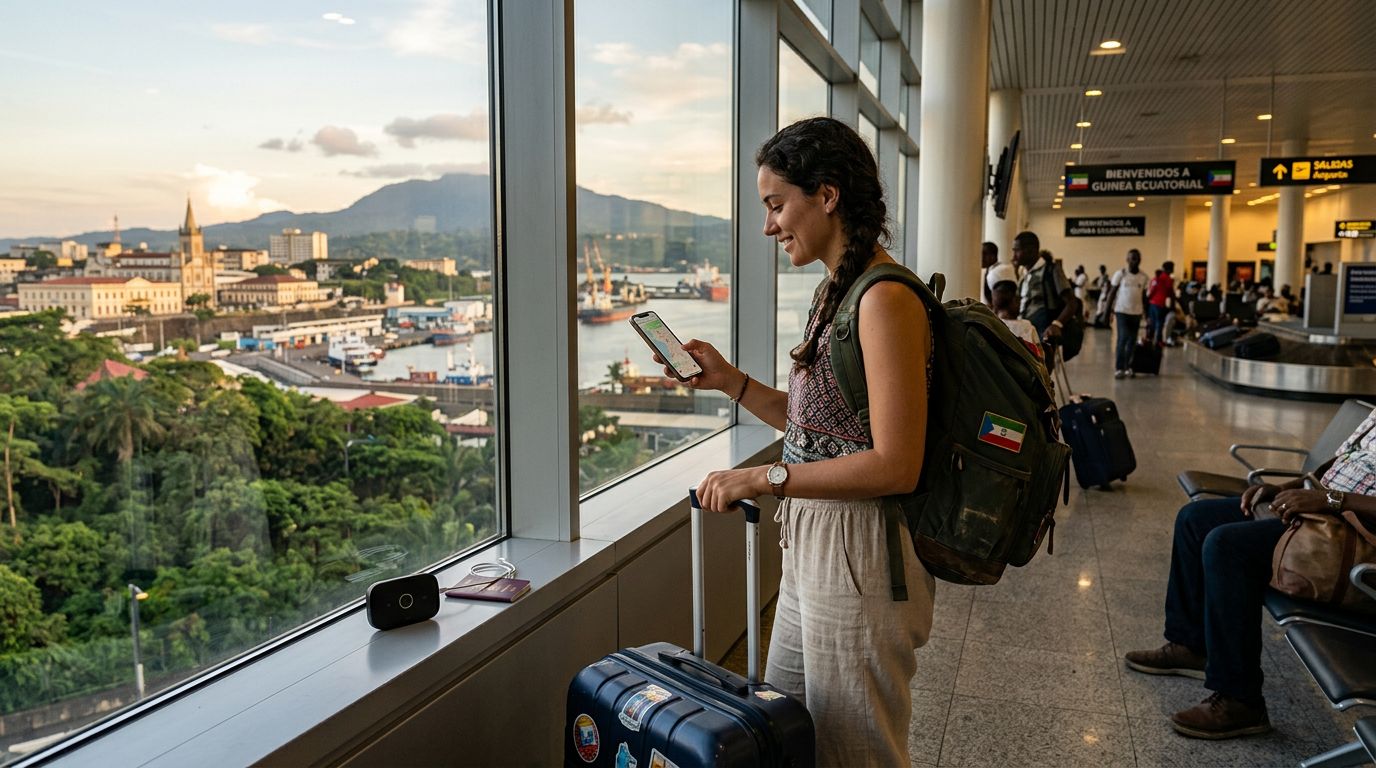
The Solomon Islands are a dream destination for the intrepid backpacker. With over 900 islands, crystal-clear lagoons, and a history etched into the coral reefs and jungle canopy, it offers a raw, unfiltered travel experience. However, the very isolation that makes the archipelago so appealing also presents a significant challenge: reliable internet access. When you are trekking through the rainforests of Guadalcanal or island-hopping in the Western Province, finding a stable connection is not just about convenience; it is a vital tool for safety, navigation, and keeping in touch with home.
The Reality of Connectivity in Remote Archipelagos
Backpacking through the Solomon Islands requires a shift in mindset. You are moving away from the high-speed, ubiquitous connectivity found in major urban hubs. In the capital, Honiara, you will find pockets of decent cellular service and occasional public Wi-Fi spots. Once you leave the city limits, however, the landscape changes dramatically. Infrastructure is limited, and topography plays a massive role in signal strength. Dense jungle can block signals, and many of the more remote islands rely on satellite-based systems that may be intermittent or slow.
Preparation is the best defense against digital isolation. Many travelers arrive expecting their home SIM cards to work seamlessly, only to find themselves paying exorbitant roaming fees or, worse, having no service at all. Relying on local Wi-Fi at guest houses is also a gamble. While some eco-lodges offer internet access, it is often restricted to a main lobby area and can be sluggish during peak hours when everyone is trying to upload photos or check emails. For a backpacker who needs to check ferry schedules, confirm bookings, or use GPS to navigate between remote villages, having a dedicated, reliable data source is essential.
Choosing the Right Technology for Your Journey
When planning your trip, the move toward eSIM technology has transformed how backpackers handle international travel. An eSIM, or embedded SIM, allows you to activate a cellular data plan without needing a physical plastic card. This is particularly advantageous in the Solomon Islands, where swapping out a physical SIM card can be a hassle, especially when you are worried about losing tiny components in the sand or on a boat.
Using a service like OneTapSIM allows you to prepare your connectivity before you even step off the plane. By setting up your data plan in advance, you ensure that as soon as you land in Honiara or reach a location with coverage, your device connects to the local network automatically. This eliminates the need to hunt for a local kiosk or navigate language barriers at a mobile shop while carrying your heavy backpack.
Before you rely on an eSIM, ensure your smartphone is unlocked and compatible with this technology. Most modern smartphones manufactured in the last few years support eSIM functionality. You can verify your device’s compatibility through the official support pages for your manufacturer, such as those provided by Apple or Google. Once you confirm your phone is ready, the process of installing a digital profile is straightforward and keeps your primary number active for emergencies, while your data is handled by the local network profile.
Practical Tips for Staying Online While on the Move
Maintaining a connection while moving between islands requires a strategic approach to data management. Even with a reliable eSIM, you should treat your data as a finite resource. The Solomon Islands are not the place for high-definition streaming or massive cloud backups. Instead, focus on using your data for essential tasks. Download offline maps for the specific islands you are visiting, as these will be your primary navigation tool when you are out of range of a cell tower.
Another helpful habit is to adjust your phone settings to prevent background data usage. Many apps automatically update or sync photos to the cloud when they detect a connection. By switching off background data for non-essential apps, you preserve your bandwidth for things that truly matter, like checking the weather forecast or sending a quick message to a local guide.
When you are in a village or a remote lodge, treat connectivity as a luxury. If you find a spot with a signal, use it to download the information you need for the next few days—ferry times, contact numbers for your next accommodation, and any necessary travel documents. If you are traveling with a group, consider designating one phone as the primary navigation device to save on total data consumption.
Finally, always carry a portable power bank. The humidity and heat of the Solomon Islands can drain phone batteries faster than usual, and you will often find yourself in places without reliable electricity. A dead phone is just as useless as having no service. Keep your device charged, keep your data usage intentional, and use your digital tools to enhance your experience rather than letting them dictate your schedule. By planning your connectivity ahead of time, you can spend less time worrying about how to get online and more time exploring the incredible reefs and culture that make the Solomon Islands a unique destination for any backpacker.