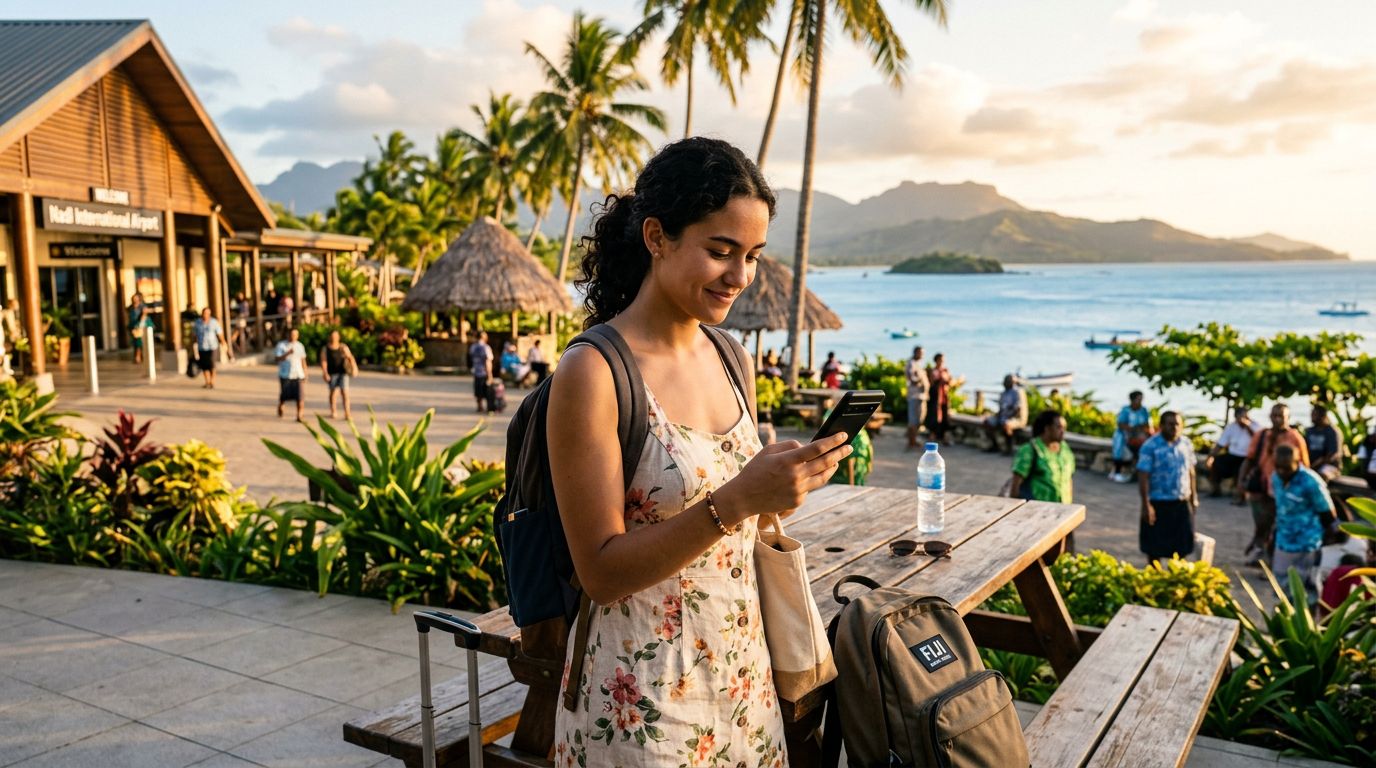
Understanding Connectivity in the Solomon Islands
The Solomon Islands is a breathtaking archipelago known for its pristine beaches, world-class diving, and rich cultural heritage. However, for travelers accustomed to seamless connectivity, the islands present a unique set of challenges. Infrastructure in the Pacific can be limited, and relying on traditional roaming methods often leads to unexpected complications or restricted access.
To ensure you stay connected while exploring Honiara or the remote lagoons of the Western Province, it is essential to understand the local telecommunications landscape. Most visitors find that relying on their home provider’s international roaming plan is not the most efficient approach. International roaming often comes with severe limitations, such as throttled speeds or high latency, which can make simple tasks like checking maps or uploading photos to social media frustratingly slow.
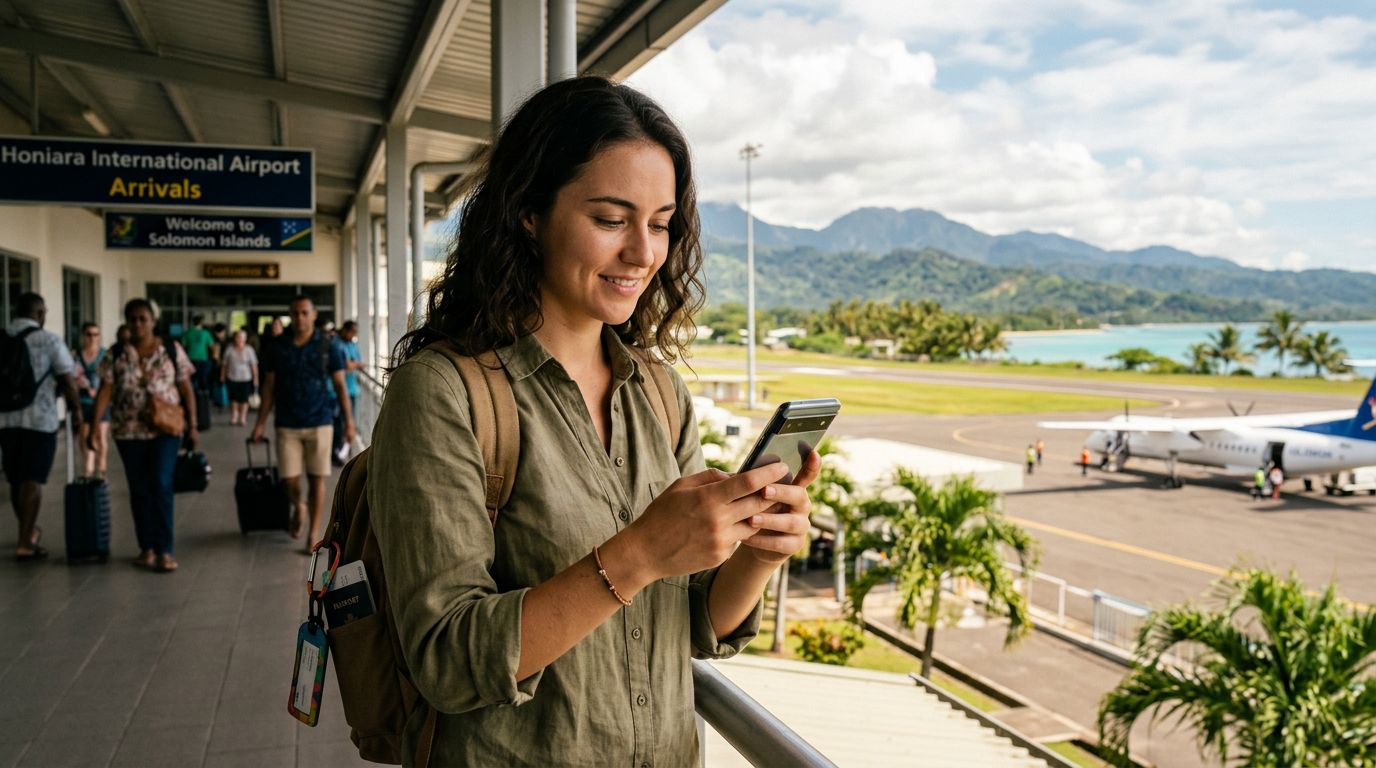
The best way to get data in Solomon Islands is to prioritize local or regional network access that bypasses the need for your home carrier’s expensive and often unreliable roaming agreements. By choosing a solution that connects directly to local infrastructure, you gain better signal stability and more predictable performance. This is where modern digital solutions like eSIM technology have changed the game for travelers. By pre-configuring your device before you board your flight, you ensure that you have a data connection the moment you step onto the tarmac.
Why eSIMs are the Preferred Choice for Travelers
For years, the standard procedure for international travelers was to hunt for a physical SIM card kiosk at the airport upon arrival. While this method still exists, it is often inconvenient. You may face long queues, language barriers, or the risk of running out of stock at smaller regional airports. Furthermore, swapping physical cards increases the risk of losing your original SIM card, which is a stressful situation to manage while abroad.
An eSIM, or embedded SIM, eliminates these physical hurdles. Because the technology is integrated directly into the hardware of modern smartphones, you can switch between different network profiles without ever opening your device’s SIM tray. This is particularly advantageous in the Solomon Islands, where you want to keep your primary number active for potential emergency calls or SMS verification codes from your bank, while utilizing a secondary data-only eSIM for your internet needs.
OneTapSIM offers a streamlined experience for travelers who want to avoid the complexities of local carrier registration. By using an eSIM, you are essentially opting for a digital-first approach that allows you to manage your connectivity through your phone’s settings. This method is compatible with most modern devices, including the latest models from major manufacturers. If you are unsure whether your device supports this technology, you can check your phone’s settings menu or consult the official support pages provided by Apple or Google to confirm your device’s eSIM capability.
The primary benefit here is convenience. You can purchase and install your data plan before you leave home. Once you arrive in the Solomon Islands, you simply activate the plan in your settings, and your phone will automatically detect the local network. This immediate access allows you to look up transport options, translate local phrases, or share your experiences with friends and family without wasting time searching for a local shop.
Tips for Managing Data Usage in Remote Regions
Even with a reliable data plan, the Solomon Islands is a remote destination where network coverage can fluctuate depending on your exact location. While the capital, Honiara, generally offers consistent access, moving to more isolated islands or remote resorts can lead to weaker signals or limited bandwidth. To make the most of your data, it is wise to adopt a few strategic habits.
First, adjust your smartphone settings to restrict background data usage. Many apps, such as social media platforms or cloud storage services, automatically sync in the background, consuming data without your knowledge. By toggling these features off for the duration of your trip, you ensure that your data allowance is reserved for the tasks that actually matter, such as navigation and communication.
Second, download offline maps and essential documents before you head into areas where cellular service might be sparse. Google Maps, for instance, allows you to save large areas for offline use. Having these resources downloaded to your device means you can navigate between landmarks even when you are outside of a coverage zone. Similarly, if you have specific travel documents or hotel confirmations, keep them stored locally on your device rather than relying on cloud access.
Third, be mindful of high-bandwidth activities. Streaming high-definition video or participating in long video calls will deplete your data rapidly. Save these activities for when you are back at your accommodation, where you might have access to local Wi-Fi. By treating your mobile data as a utility for essential communication and information, you will find that your experience in the Solomon Islands is much smoother and more enjoyable.
Finally, remember that the Solomon Islands is a place to disconnect and immerse yourself in nature. While having a reliable data connection via a service like OneTapSIM provides peace of mind and safety, the true value of your trip lies in the experiences you have away from the screen. Use your data to research your next destination or check the weather, then put the phone away and enjoy the incredible beauty of the Pacific. By balancing your digital needs with the reality of remote travel, you can enjoy the best of both worlds: the comfort of connectivity and the thrill of exploration.
Get an eSIM for
Plans for the destinations covered in this guide, with instant QR delivery.