Traditional Physical SIM Cards in the Solomon Islands
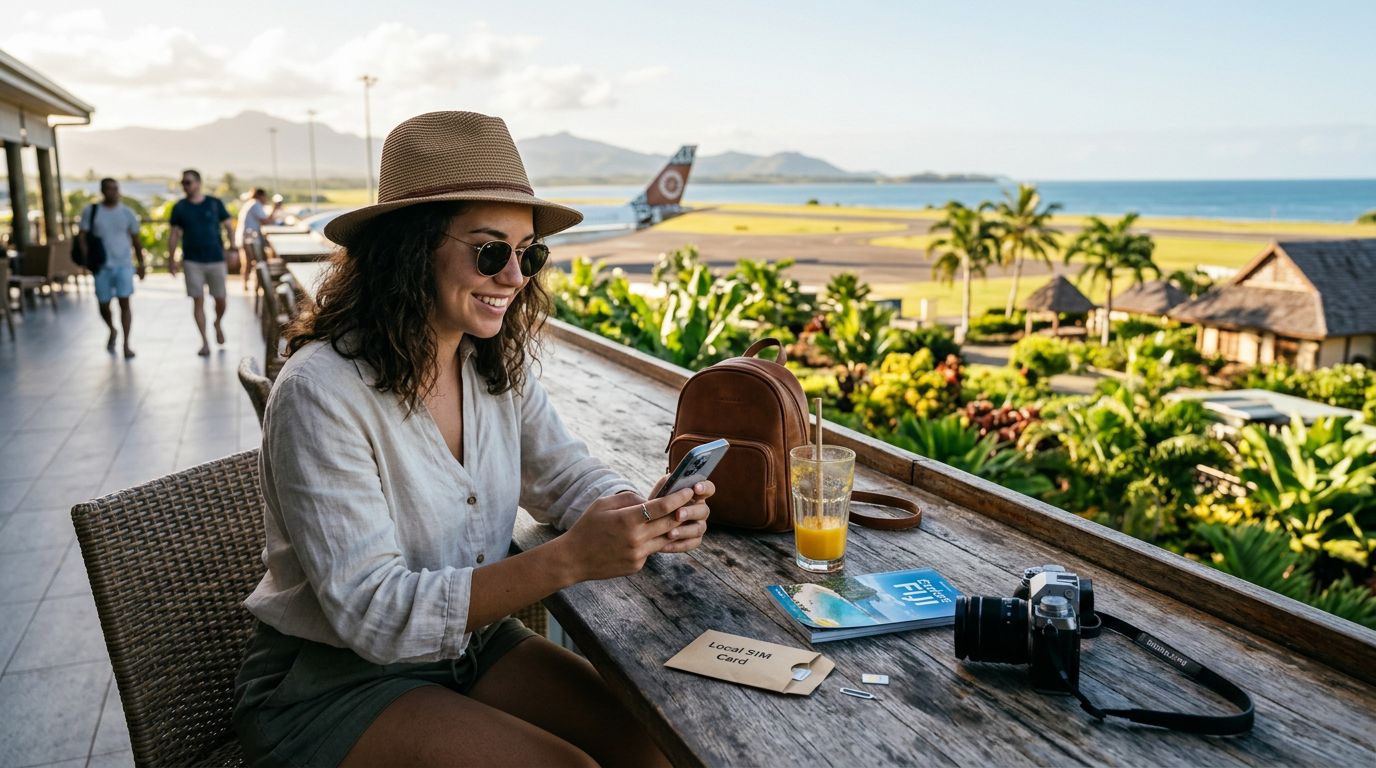
For many travelers, the physical SIM card is the familiar standard. When visiting the Solomon Islands, you might be accustomed to the process of landing at the airport, locating a mobile kiosk, and purchasing a local prepaid card. This method involves removing your home SIM card, inserting the new one, and manually configuring your device settings to ensure connectivity.
The primary advantage of a physical SIM card is its ubiquity. Local providers in Honiara and other hubs have established networks that are well-understood by residents and long-term visitors. If you have a device that is locked to a specific carrier, a physical SIM might be your only option, provided you have arranged for your phone to be unlocked before your trip. However, this convenience comes with logistical hurdles. You must keep track of your original SIM card to avoid losing it, and you are often required to provide identification or passport details at the point of sale, which can be time-consuming after a long flight.
Furthermore, relying on a physical card means you are tethered to the operating hours of local retail outlets. If your flight arrives late at night or on a weekend, you might find yourself without a way to contact your hotel or use navigation apps until the shops reopen. There is also the risk of damage or loss; handling small, fragile chips while traveling through remote islands increases the chance of losing your connection entirely. While this method remains a functional choice for some, it lacks the flexibility that modern travelers increasingly demand.
The Rise of eSIM Technology for Island Hopping
The Solomon Islands consist of hundreds of islands, and maintaining a reliable connection while moving between them is essential for safety and coordination. This is where eSIM technology changes the landscape. An eSIM is a digital version of a SIM card that is embedded directly into the hardware of compatible smartphones. Instead of swapping out a physical chip, you simply scan a QR code or enter activation details provided by your service provider to download a profile onto your device.
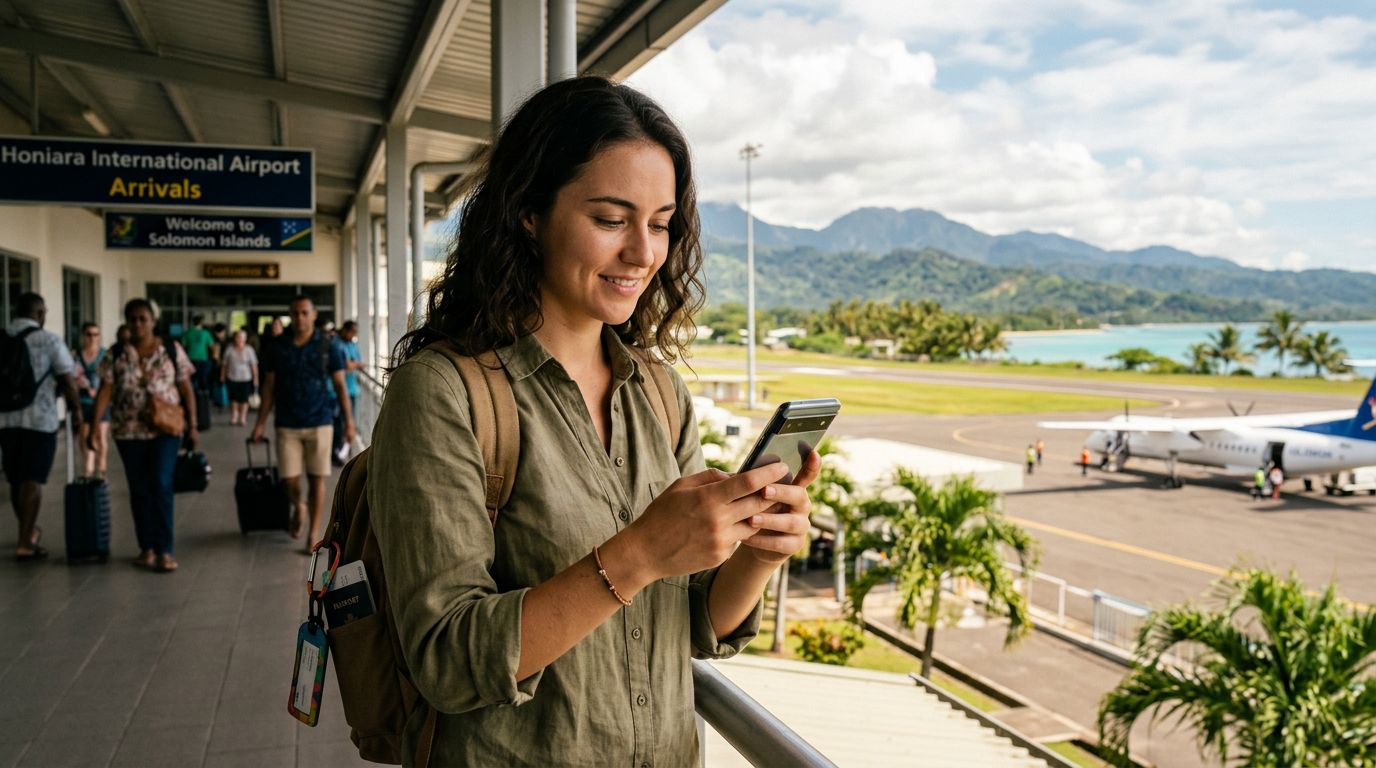
OneTapSIM offers a streamlined way to manage this process, allowing you to prepare your connectivity before you even leave your home country. By setting up your eSIM in advance, you ensure that as soon as your plane touches down at Honiara International Airport, your device is ready to connect to the local network. This eliminates the need to queue at airport kiosks or search for a store in an unfamiliar city.
Compatibility is the first factor to consider. Most modern smartphones manufactured in recent years support eSIM functionality. You can verify your device's capabilities by checking the official support pages for Apple or Google. Because the eSIM is software-based, you can store multiple profiles on a single device. This means you can keep your home SIM active for calls while using your travel eSIM for mobile data. This dual-SIM capability is a significant benefit for anyone who needs to stay reachable for work or family emergencies while exploring the archipelago.
Comparing Convenience and Reliability
When choosing between a Solomon Islands SIM card vs eSIM, the decision often comes down to your priorities regarding convenience and reliability. A physical SIM card requires physical interaction with your device. If you are prone to misplacing small items, the risk of losing your home SIM card during the swap is a genuine concern. An eSIM removes this risk entirely, as your primary SIM remains safely inside your phone throughout the entire duration of your trip.
Connectivity in the Solomon Islands can vary depending on your location. Whether you are in the bustling capital or visiting more remote provinces, having a stable data connection is necessary for using maps, translating languages, or checking ferry schedules. Because eSIM providers often partner with multiple local networks, they can offer a more robust connection experience by allowing your device to switch to the strongest available signal. This is particularly useful in an island nation where topography and distance from cell towers can impact signal strength.
Sustainability and waste reduction are also worth noting. Physical SIM cards and their plastic packaging contribute to unnecessary waste. By switching to a digital-only solution, you reduce your environmental footprint. Additionally, the ability to manage your data usage through an app or a web portal provides a level of control that traditional prepaid plans often lack. You can monitor your consumption in real-time, preventing unexpected outages.
If you value a stress-free arrival and the ability to maintain your home number while accessing local data, the eSIM is the clear winner. It removes the friction of international travel, allowing you to focus on the experience of the Solomon Islands rather than the logistics of your mobile service. By planning ahead with a service like OneTapSIM, you can ensure that your technology works for you, rather than becoming a source of frustration during your journey. Whether you are trekking through tropical rainforests or diving in the pristine waters of the Marovo Lagoon, having a reliable digital connection ensures you stay connected to what matters most.
Get an eSIM for
Plans for the destinations covered in this guide, with instant QR delivery.