Understanding Connectivity in the Solomon Islands
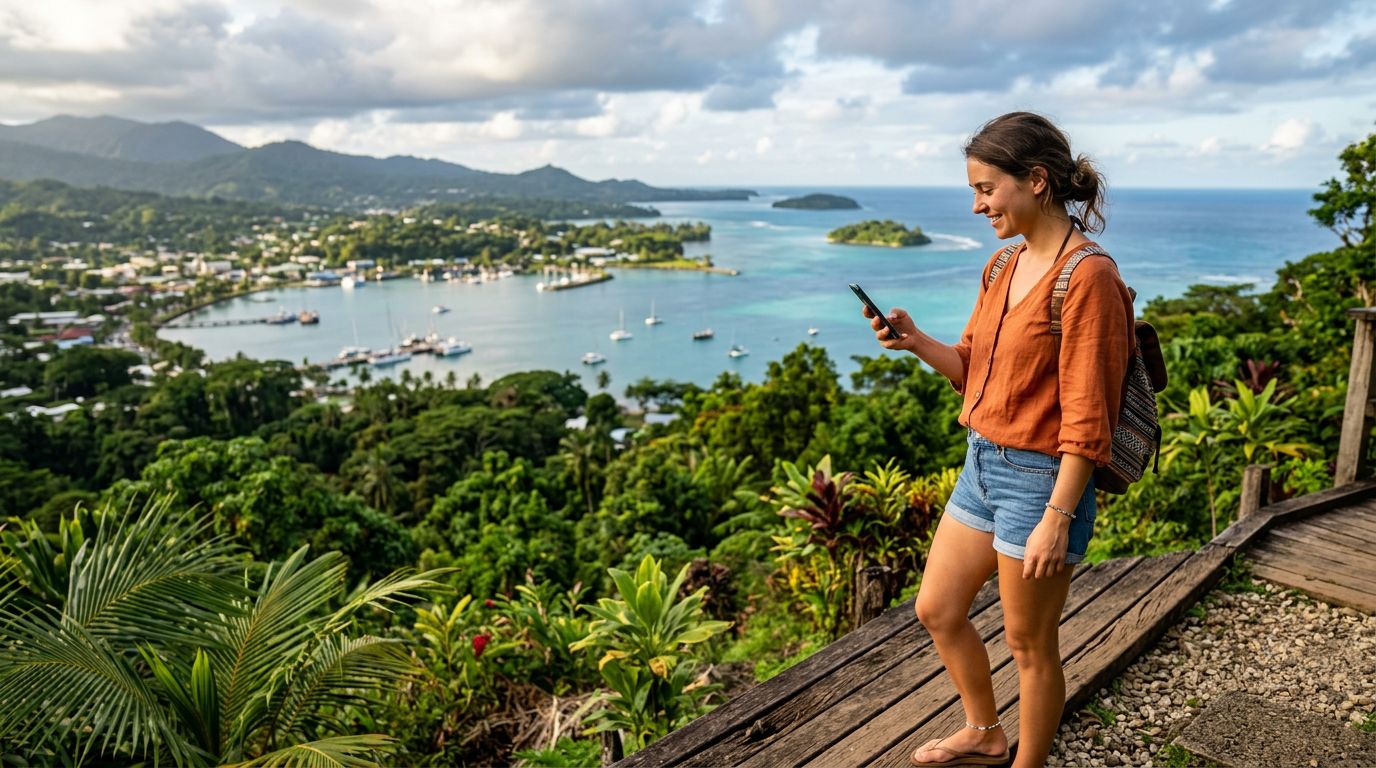
The Solomon Islands, a sprawling archipelago in the South Pacific, offers travelers an escape into pristine lagoons, volcanic landscapes, and rich cultural history. However, for those accustomed to constant high-speed internet, the remote nature of these islands presents a unique challenge. When planning a trip to this region, the question of "does eSIM work in Solomon Islands" often arises among tech-savvy travelers looking to avoid the complexities of traditional physical SIM cards.
Connectivity in the Solomon Islands is primarily managed by local telecommunications providers that have historically relied on physical infrastructure. While the major urban centers, particularly Honiara on Guadalcanal, have seen improvements in network reliability, the outer islands remain significantly more isolated. For a long time, the standard procedure for visitors involved locating a physical shop upon arrival, presenting identification, and manually swapping out a plastic card.
The emergence of eSIM technology has changed how travelers approach international roaming. An eSIM is a digital version of a standard SIM card embedded directly into your phone’s hardware. Because it is software-based, it allows you to switch between different carrier profiles without physically opening your device. For travelers heading to the Solomon Islands, the primary consideration is whether the local infrastructure supports the activation of these digital profiles. While global roaming providers have expanded their reach, the coverage in the Solomon Islands is still developing, making it essential to understand the limitations before you depart.
The Reality of eSIM Compatibility and Coverage
When you ask, "does eSIM work in Solomon Islands," the answer requires a nuanced look at both your device capabilities and the local network environment. First, your smartphone must be carrier-unlocked. If your device is locked to a specific network provider in your home country, it will not accept an eSIM from a third-party travel provider, regardless of the destination. You can verify your device status through your home carrier or by checking your phone’s settings menu.
Regarding the destination itself, the Solomon Islands does not yet have a widespread, native public eSIM infrastructure for tourists in the same way that many European or Southeast Asian nations do. Most local connectivity is still heavily reliant on physical SIM cards sold by the dominant local telecommunications companies. However, this does not mean you are without options. International roaming eSIMs, such as those offered by OneTapSIM, act as a bridge. These services partner with global roaming agreements to provide data access even in regions where local eSIM adoption is in its infancy.
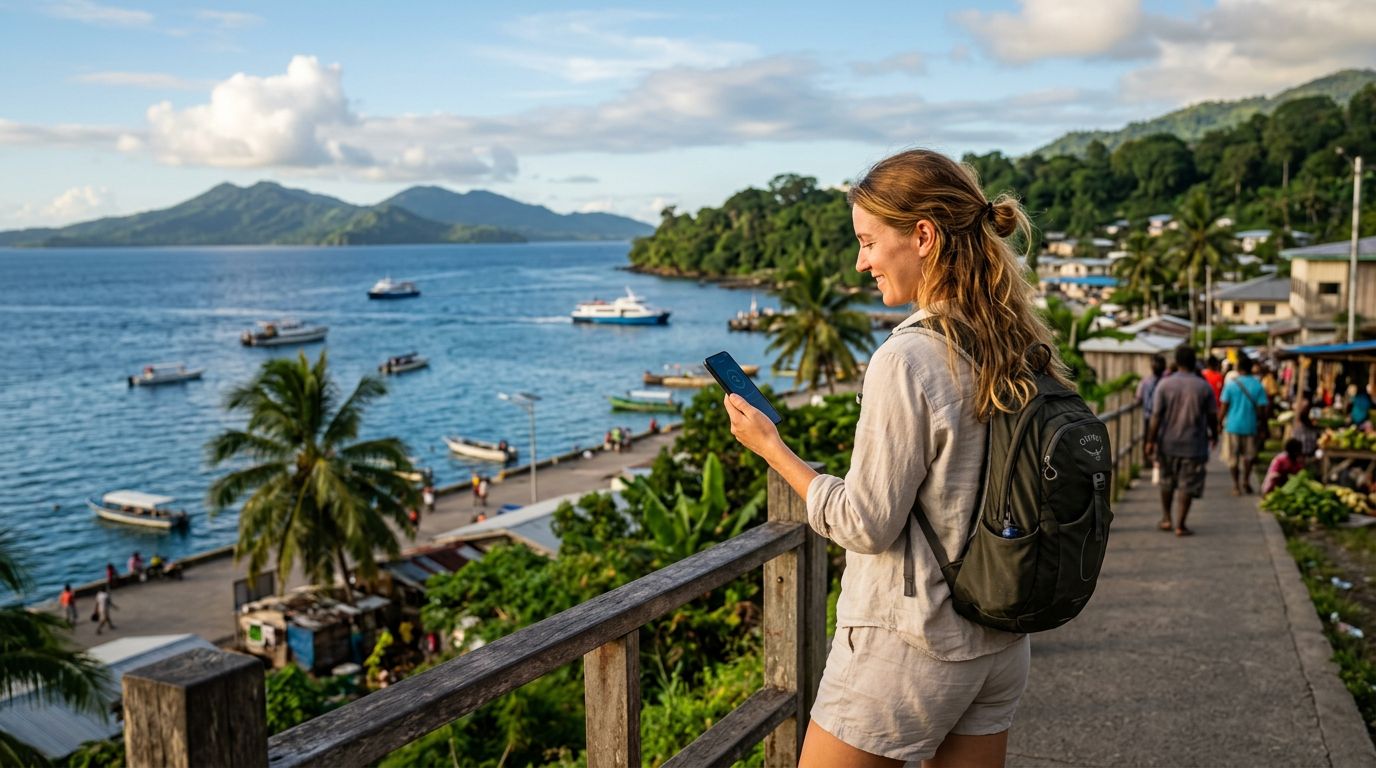
It is important to manage expectations regarding speed and stability. Because the Solomon Islands relies on satellite and microwave links for much of its connectivity, you should not expect the same fiber-optic speeds found in major global cities. In Honiara, you will likely find decent 4G coverage, but as you venture into the remote provinces or stay at secluded eco-resorts, signal strength can fluctuate significantly. An eSIM is an excellent convenience for staying connected, but it functions best as a supplemental tool rather than a replacement for high-bandwidth home internet.
Preparing Your Device for Your Solomon Islands Adventure
To ensure a smooth experience, preparation is key. Before you leave home, ensure your device is compatible with eSIM technology. Most modern smartphones released in the last few years support this feature. You can check the official support pages for Apple or Google to see if your specific model is eSIM-capable. If you are using an iPhone, you can manage these settings in the Cellular menu; for Android users, this is typically found under Network & Internet settings.
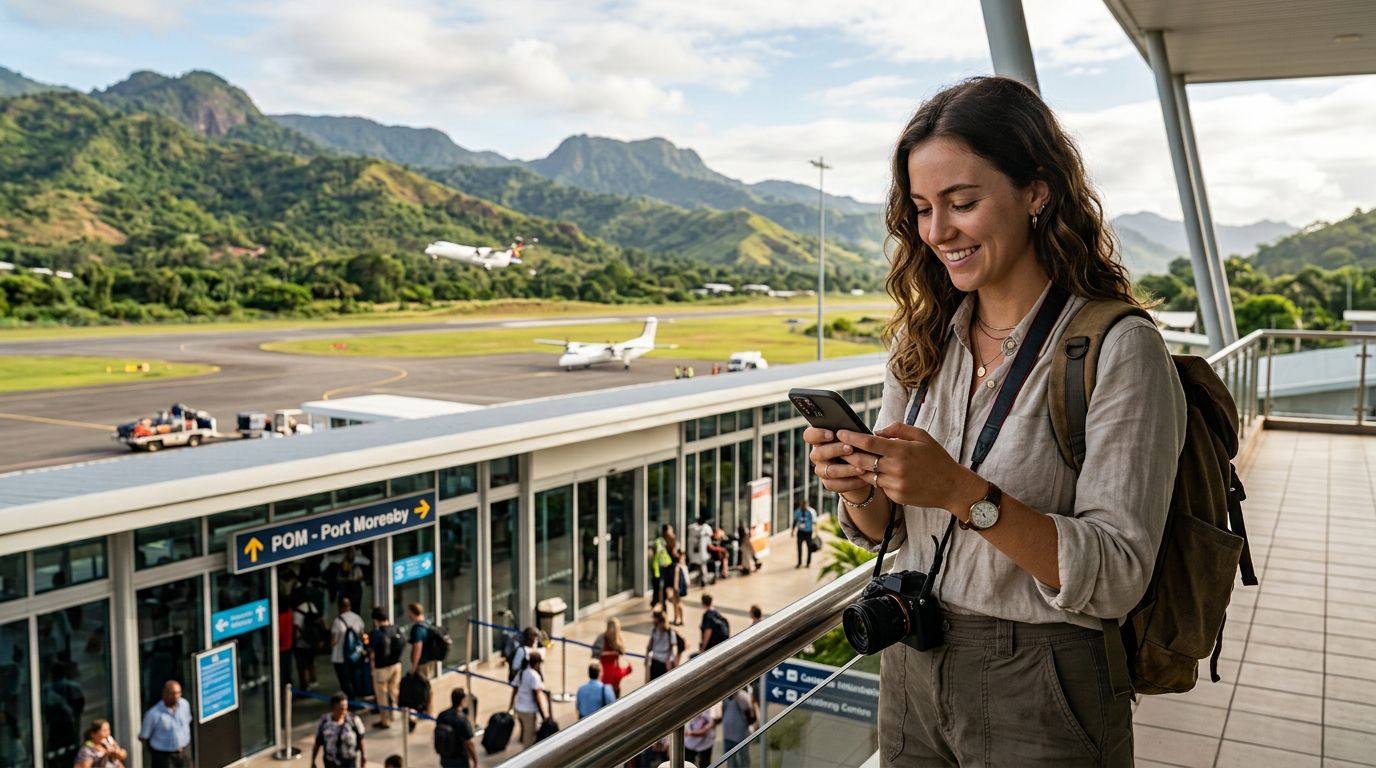
When using a service like OneTapSIM, you will typically receive a QR code or an activation string via email. It is highly recommended to set this up while you are still at home or at the airport where you have a stable Wi-Fi connection. Activating an eSIM requires a brief handshake with the network, and trying to do this in a remote area with poor connectivity can lead to frustration. Once the eSIM profile is downloaded, it will remain dormant until you arrive at your destination and turn on data roaming for that specific line.
Upon landing in the Solomon Islands, you may need to manually select the network provider in your phone’s settings if it does not connect automatically. Keep in mind that in remote island nations, the "auto-select" feature on your phone might occasionally struggle to find the correct partner network. If you find yourself without signal, manually toggling your network search to view available carriers can often force the device to register with the local tower.
Finally, consider your data usage habits. Because connectivity in the Solomon Islands can be intermittent, it is wise to download offline maps, essential travel documents, and translation apps before you depart. Relying on cloud-based services for navigation or information can be risky in areas where the network is thin. By preparing your device in advance and understanding the limitations of the local infrastructure, you can enjoy the natural beauty of the Solomon Islands while keeping a reliable line of communication open for emergencies or essential updates. While the technology is still evolving in this corner of the world, having an eSIM setup provides a level of flexibility that traditional physical SIM cards simply cannot match.
Get an eSIM for
Plans for the destinations covered in this guide, with instant QR delivery.