Understanding Connectivity Challenges in the Central African Republic
Traveling to the Central African Republic presents a unique set of logistical hurdles, and staying connected is often at the top of the list. Whether you are visiting Bangui for business or exploring the diverse landscapes of the interior, having reliable internet access is essential for safety, navigation, and communication. Traditionally, travelers have relied on physical SIM cards, but the emergence of eSIM technology has shifted how we approach international roaming.
When you arrive at a destination, the immediate instinct is often to find a local mobile provider. In the Central African Republic, the telecommunications infrastructure is still developing. While major operators provide coverage in populated urban centers, signal strength can fluctuate significantly as you move into rural areas or national parks. Choosing between a local physical SIM card and a digital eSIM depends largely on your itinerary, the length of your stay, and your device compatibility.
A physical SIM card requires you to physically swap out your home provider’s card. This process can be cumbersome, as it involves finding a local kiosk, presenting identification, and potentially dealing with language barriers or limited inventory. Furthermore, once you remove your home SIM, you lose access to your primary phone number for incoming calls and texts, which can be a significant disadvantage if you need to receive two-factor authentication codes for banking or travel apps.
Comparing Physical SIM Cards and eSIMs
The primary difference between a traditional SIM card and an eSIM lies in the hardware. A physical SIM is a small, removable chip that holds your subscriber information. An eSIM, or embedded SIM, is a digital version that is built directly into the hardware of modern smartphones. Because it is software-based, you can activate it remotely without ever touching a physical tray.
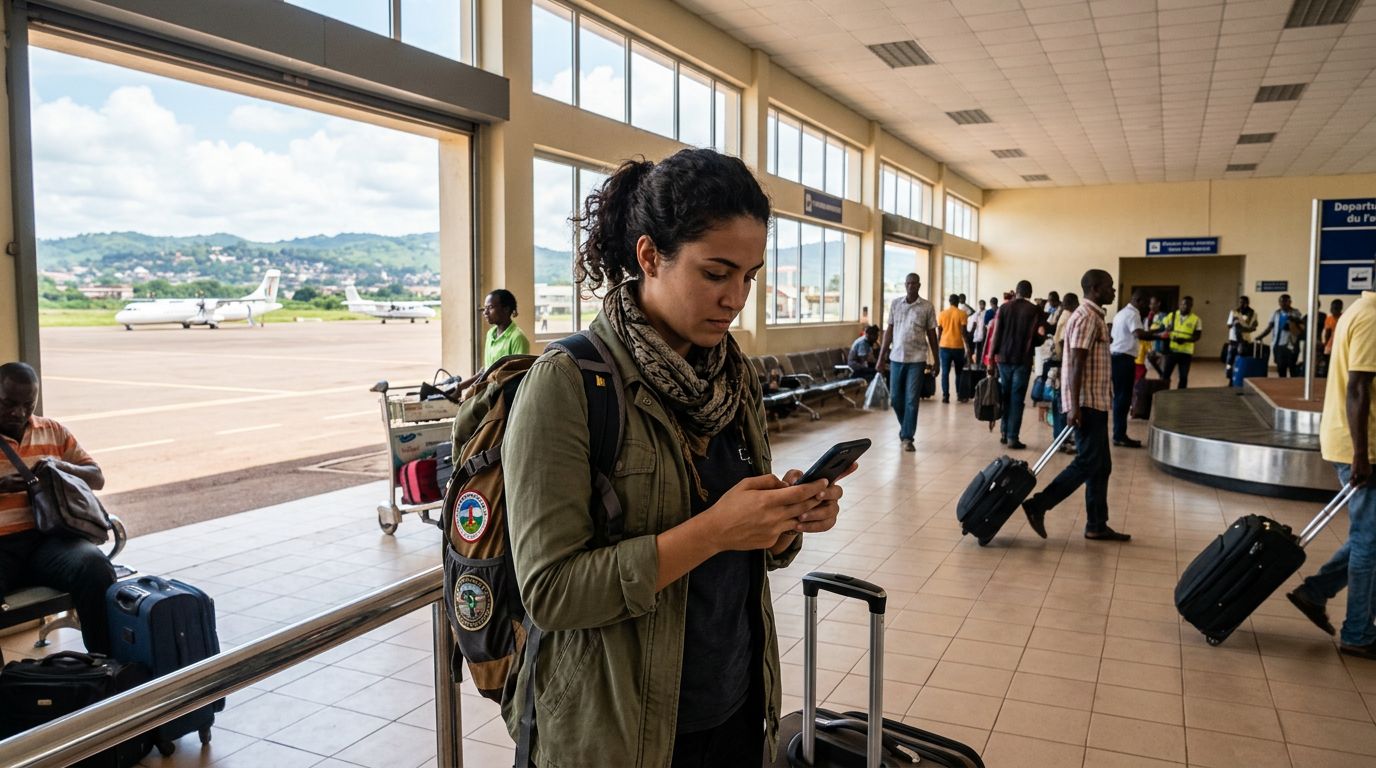
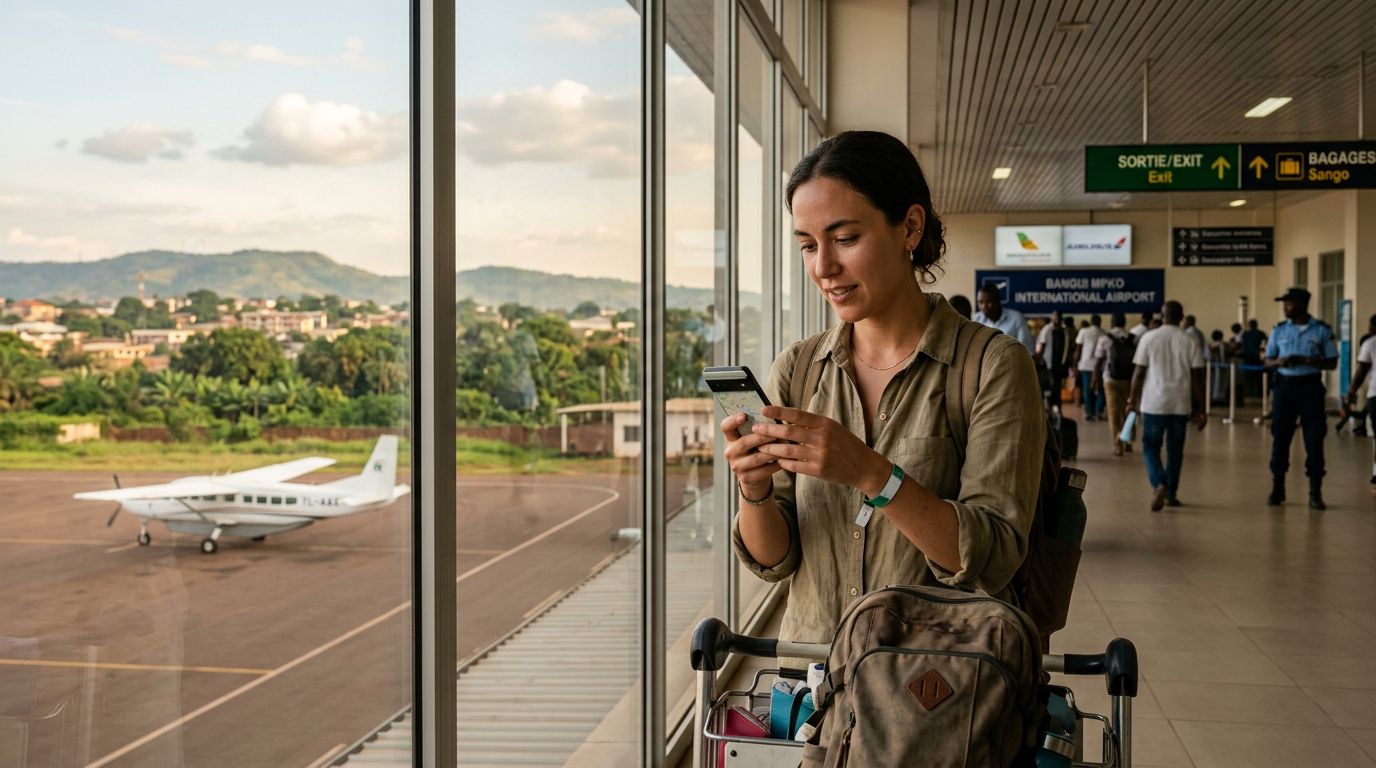
For travelers heading to the Central African Republic, the convenience of the eSIM is its greatest asset. With an eSIM, you can purchase and install your data plan before you even board your flight. As soon as you land, your device connects to a supported local network, allowing you to bypass the airport queues and the search for a local vendor. This is particularly beneficial if you are arriving late at night or if your travel schedule is packed with meetings or tours.
However, it is important to verify that your smartphone is unlocked and eSIM-compatible. Most flagship devices released in the last few years support this technology. If you are using an older device or a model that is locked to a specific carrier, you may be restricted to using a physical SIM card. In such cases, you would need to purchase a local card upon arrival.
OneTapSIM offers a streamlined way to manage these digital connections. By utilizing a provider that specializes in travel-specific data, you avoid the complexity of navigating local retail environments. Instead of worrying about whether a local shop has stock or if your passport information will be processed correctly, you manage your connectivity through a user-friendly interface. This digital approach minimizes the risk of losing your original SIM card, which is a common hazard when swapping small plastic chips in a busy airport.
Making the Right Choice for Your Trip
Deciding between a Central African Republic SIM card vs eSIM comes down to your personal priorities regarding convenience and flexibility. If you are a frequent traveler who values efficiency and wants to maintain your home number while having a secondary data line, the eSIM is the clear winner. It allows you to keep your primary SIM active for essential calls while using the eSIM for data-heavy tasks like map usage, translation services, and social media.
On the other hand, if you are planning a very long-term stay—perhaps several months—a local physical SIM card might be more cost-effective. Local providers often offer specific long-term packages that are designed for residents rather than short-term visitors. However, these plans often require a more rigorous registration process, including local proof of residence or extended identification checks, which can be difficult for a tourist to provide.
Reliability is another factor to consider. When you use a service like OneTapSIM, you are often accessing roaming agreements that prioritize connectivity across multiple local networks. This can sometimes provide a more stable experience than being locked into a single local provider’s network, which might have gaps in coverage. Having the ability to switch between networks or manage your data usage through a dedicated app provides a level of control that is rarely available with a basic prepaid local SIM.
Before your departure, take a moment to check your phone settings to ensure your device is ready for an eSIM. If you have a compatible device, the transition to digital connectivity is straightforward. You simply scan a QR code or enter the details provided by your service partner to add the plan to your device. This process is secure and keeps your personal data contained within your own device, rather than handing your physical SIM card over to a third-party vendor in a foreign country.
Ultimately, the goal of your travel connectivity should be to reduce stress. The Central African Republic is a destination that requires your full attention to enjoy, and worrying about whether your phone will work should not be part of the experience. By opting for an eSIM, you ensure that you are connected from the moment you touch down, allowing you to focus on your itinerary rather than troubleshooting your mobile settings. Whether you are navigating the streets of Bangui or venturing further afield, having a reliable digital connection is an essential tool for the modern traveler.
Get an eSIM for
Plans for the destinations covered in this guide, with instant QR delivery.