Understanding eSIM Connectivity in Costa Rica
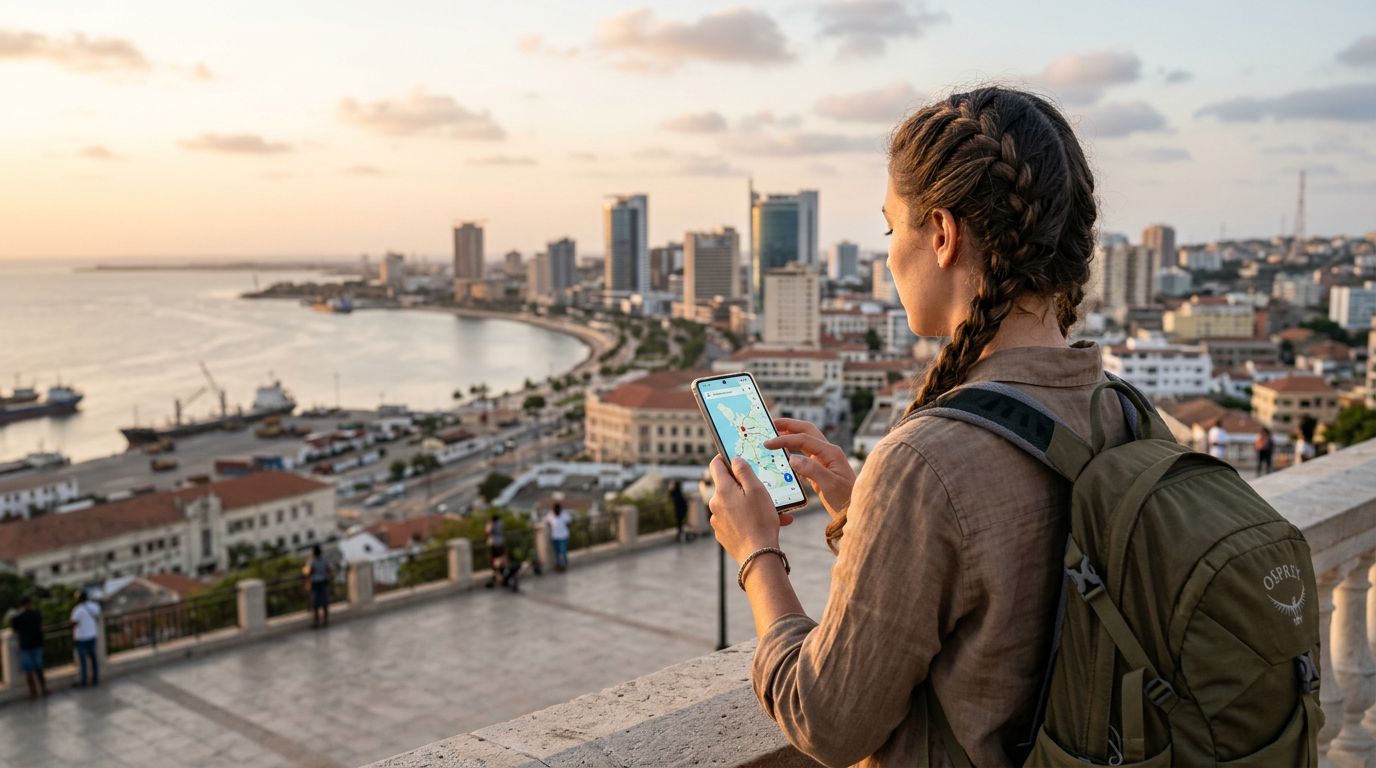
Costa Rica is a destination that offers everything from lush rainforests and volcanic peaks to pristine Pacific and Caribbean beaches. Whether you are planning to zip-line through the Monteverde Cloud Forest, surf in Santa Teresa, or search for sloths in Manuel Antonio, staying connected is essential for safety, navigation, and sharing your experiences. A common question travelers ask is: does eSIM work in Costa Rica? The short answer is yes. eSIM technology is widely supported across the country, making it a reliable and convenient way to access mobile data without the hassle of physical SIM cards.
An eSIM, or embedded SIM, is a digital version of the traditional plastic SIM card. It is built directly into the hardware of modern smartphones. Because it is digital, you do not need to visit a local store upon arrival or worry about losing a tiny card while switching between networks. For travelers visiting Costa Rica, using an eSIM means you can activate a local data plan before your plane even touches down at Juan Santamaría International Airport.
OneTapSIM provides a seamless bridge for travelers who want to avoid the roaming charges often imposed by home carriers. By utilizing local network infrastructure, an eSIM ensures that you have consistent access to maps, translation tools, and messaging apps while moving between remote eco-lodges and urban centers. Since Costa Rica’s major telecommunications providers have invested heavily in 4G and 5G infrastructure, an eSIM allows you to tap into these high-speed networks efficiently.
Why Choose an eSIM for Your Costa Rican Adventure
The primary benefit of using an eSIM in Costa Rica is the convenience of instant activation. When you land in a foreign country, the last thing you want to do is hunt for a kiosk to buy a local SIM card, provide identification, and manually configure APN settings. With OneTapSIM, the process is streamlined to ensure you are online as soon as you arrive.
Beyond convenience, there is the matter of security. Physical SIM cards are susceptible to damage or loss, and swapping them out frequently increases the risk of misplacing your original card. With an eSIM, your primary home SIM remains safely inside your device. You can simply toggle between your home line and your travel data plan through your phone’s settings menu. This dual-SIM functionality allows you to keep your primary number active for important calls or two-factor authentication codes while using your eSIM specifically for data-heavy tasks like GPS navigation or uploading photos.
Reliability is another major factor. Costa Rica features diverse geography, and while major towns are well-connected, remote areas can be challenging. By opting for a reputable eSIM provider, you ensure that your device is configured to connect to the most robust local networks available. This is particularly useful for solo travelers or those heading off the beaten path who rely on real-time weather updates or emergency communication. Because OneTapSIM partners with reliable network providers, you get a stable connection that mirrors the performance of a local resident’s phone, rather than the restricted, throttled speeds often associated with international roaming packages.
How to Set Up and Use Your eSIM
Setting up an eSIM for your trip is a straightforward process, provided your device is carrier-unlocked. Before you purchase a plan, it is important to verify that your smartphone supports eSIM technology. Most flagship devices released in the last few years—including recent models from major manufacturers—are compatible. You can check your device compatibility through the manufacturer’s official support pages, such as those provided by Apple or Google.
Once you have confirmed compatibility, the installation process usually involves scanning a QR code or entering manual details provided by your eSIM service provider. With OneTapSIM, you receive clear instructions on how to add the eSIM to your cellular settings. It is recommended to perform the initial setup while you are still at home and have access to a stable Wi-Fi connection. Once the eSIM is installed, you can leave it turned off until you land in Costa Rica.
Upon arrival, simply navigate to your phone's cellular or mobile data settings, select your travel eSIM, and ensure that data roaming is enabled for that specific line. Your phone will automatically register with the local network. If you encounter any issues, a quick toggle of "Airplane Mode" usually forces the device to re-scan for available signals.
Managing your data usage is also easier with an eSIM. Most modern operating systems allow you to monitor exactly how much data each app is consuming, helping you avoid unexpected overages. If you find yourself enjoying your trip longer than expected, many eSIM providers allow you to top up your data remotely, provided you have a Wi-Fi connection. This flexibility is perfect for travelers who prefer to keep their itinerary open-ended, allowing them to extend their stay in a specific region without worrying about losing connectivity. By choosing a digital solution, you are not only simplifying your travel logistics but also ensuring that your focus remains on the breathtaking biodiversity and culture that Costa Rica has to offer.
Get an eSIM for
Plans for the destinations covered in this guide, with instant QR delivery.