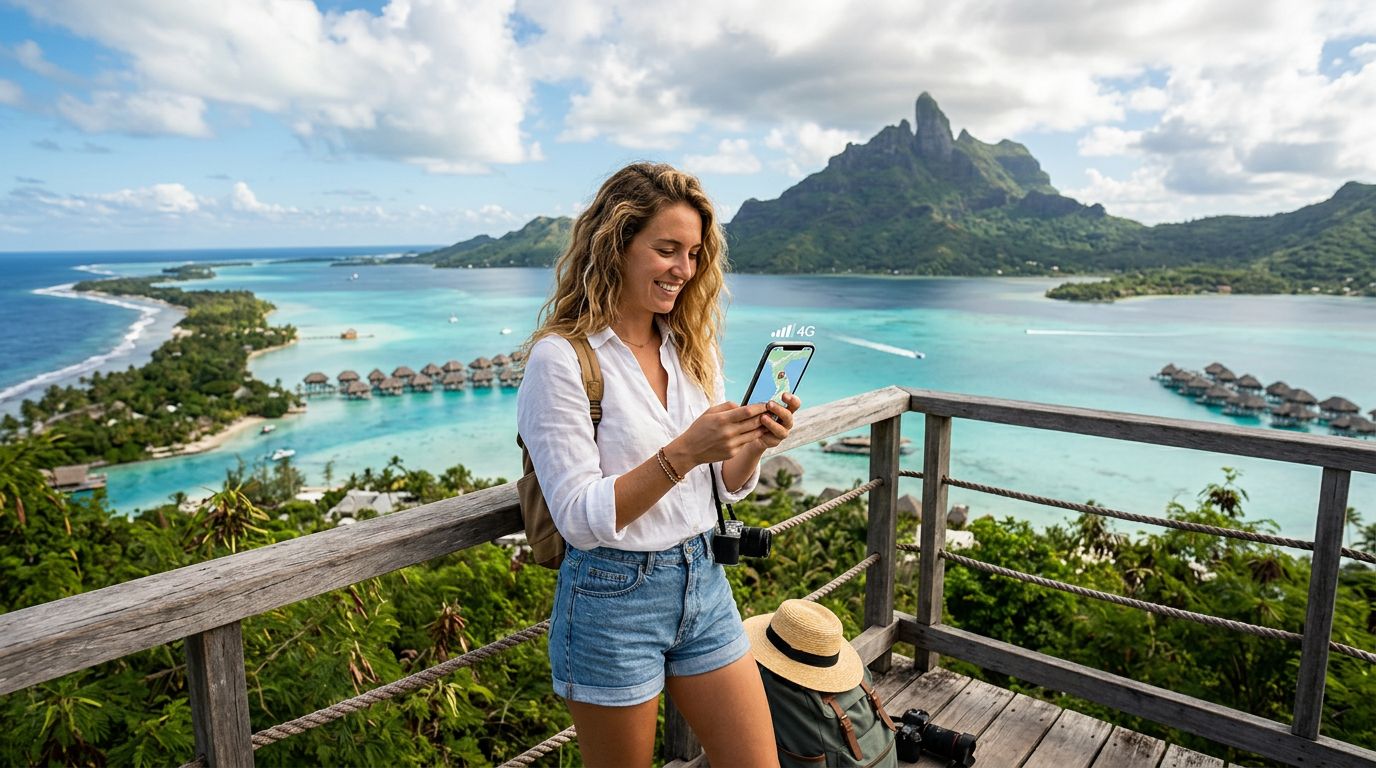
Understanding Connectivity in French Polynesia
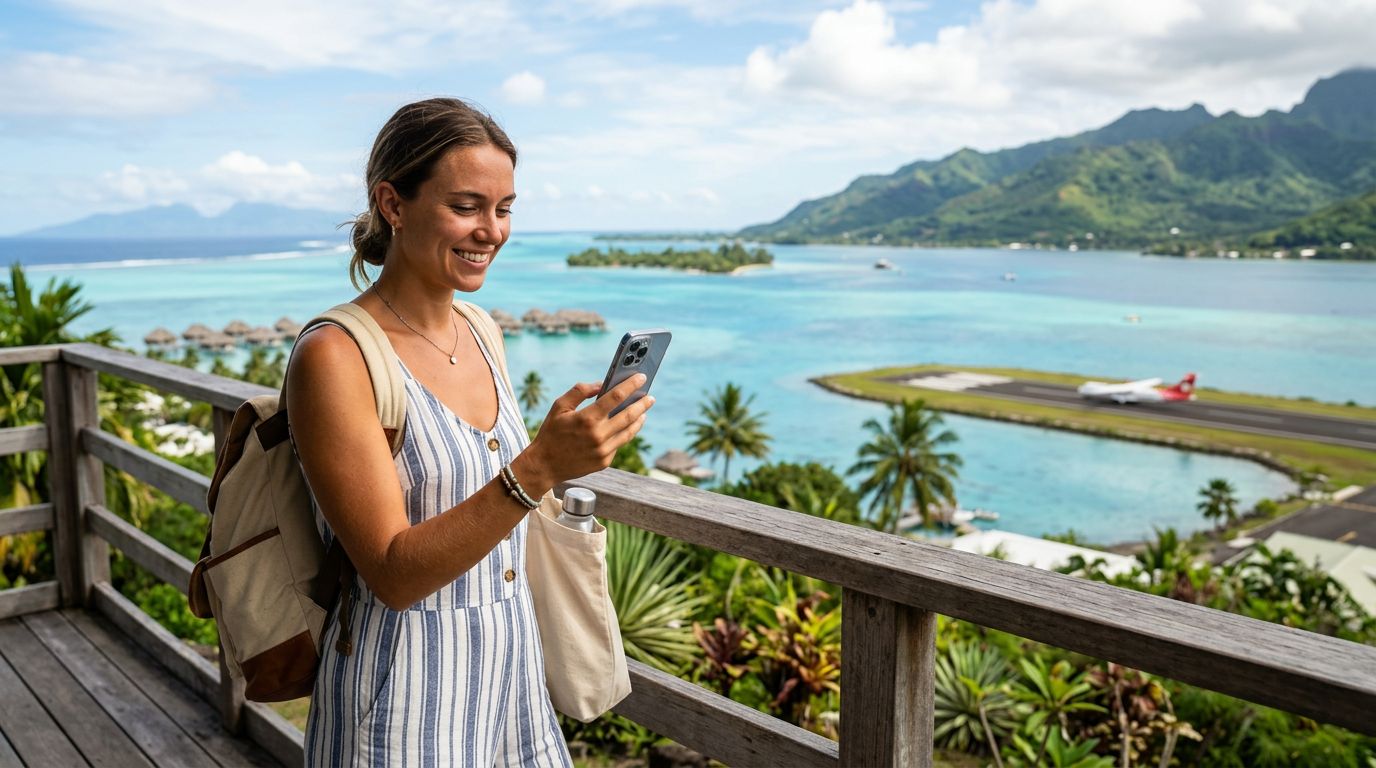
French Polynesia is a breathtaking destination, spanning a vast area of the South Pacific. From the iconic overwater bungalows of Bora Bora to the rugged landscapes of Tahiti and the remote beauty of the Marquesas, staying connected can be a complex task. Because the islands are spread out across such a large expanse of ocean, the infrastructure for telecommunications is unique. Most travelers find that relying solely on hotel Wi-Fi is insufficient, especially if they plan to island-hop or explore beyond their resort.
The geography of the region means that physical infrastructure is often limited to the main population centers. While major resorts offer wireless internet, these connections can be inconsistent, slow, or restricted to common areas. For those who need to use navigation apps, translate local phrases, or share their experiences in real-time, having a reliable mobile data connection is essential. The best way to get data in French Polynesia is to plan your connectivity strategy before you leave home, ensuring you are not reliant on expensive roaming agreements or the search for public hotspots.
Comparing Your Mobile Data Options
When preparing for your trip, you will encounter several ways to access the internet. Understanding the pros and cons of each will help you decide which method suits your travel style.
Traditional roaming is often the first option travelers consider. This involves using your existing SIM card from your home provider. While it is convenient because you keep your original phone number, it is frequently the most expensive choice. Many home carriers impose strict limitations on international data usage, and the speeds provided can be throttled, making it difficult to load maps or upload photos.
Local physical SIM cards are another alternative. Upon arrival at Faa'a International Airport or in the main towns, you can visit a local carrier’s store to purchase a physical SIM. This provides a local number and data access at local rates. However, this method requires you to physically swap your SIM card, which carries the risk of losing your original one. Furthermore, store hours in French Polynesia can be limited, and you may find yourself waiting in long queues after a tiring flight, which is not the ideal start to a vacation.
The modern alternative is the eSIM. An eSIM is a digital version of a physical SIM card that is embedded directly into your device. It allows you to activate a data plan without needing to visit a store or handle small plastic cards. OneTapSIM offers a streamlined process for travelers, allowing you to set up your data connection before you even board your plane. By using an eSIM, you keep your primary SIM active for calls or texts while dedicating the eSIM to high-speed data, ensuring you remain connected the moment you touch down on the islands.
Why eSIMs Are the Preferred Choice for Island Hopping
The nature of travel in French Polynesia often involves moving between islands. Whether you are taking a domestic flight to Moorea or a ferry to a remote atoll, you want a connection that travels with you. Physical SIM cards can be problematic if you encounter compatibility issues with local networks or if you lose your card during the transit process.
An eSIM provides a seamless transition. Because the technology is integrated into your smartphone, you do not have to worry about hardware failures or physical damage. If you have a compatible device, you can manage your data settings directly through your phone’s interface. This is particularly helpful when you are moving between different islands where signal strength might vary. With a provider like OneTapSIM, you can monitor your data usage and ensure that you have enough coverage for your entire itinerary.
To use this technology, ensure your phone is carrier-unlocked. Most modern smartphones from major manufacturers support eSIM functionality. You can verify your device's compatibility by checking the settings menu on your phone or by visiting the official support pages for Apple or Google. Once you confirm that your device is ready, the setup process involves scanning a QR code or entering details provided by your eSIM service. This setup is usually completed in minutes, saving you hours of time that would otherwise be spent searching for a local mobile shop.
Beyond the convenience of setup, using an eSIM is a more sustainable and organized way to travel. You avoid the clutter of multiple physical cards and the environmental impact of plastic waste. Furthermore, because you are not tied to a specific local contract, you have the flexibility to choose a data package that fits the duration of your stay. Whether you are visiting for a long weekend or an extended tropical getaway, having a dedicated data plan ensures that you can use your GPS for hiking, look up ferry schedules, or contact local tour operators without stress.
Ultimately, the best way to get data in French Polynesia is to prioritize ease of use and reliability. By opting for an eSIM, you remove the barriers to staying connected in one of the most remote and beautiful parts of the world. You gain the freedom to explore at your own pace, knowing that your digital connection is as mobile as you are. As you prepare for your journey, take a moment to check your device settings, select a plan that meets your data needs, and enjoy the peace of mind that comes with being prepared for your island adventure.
Get an eSIM for
Plans for the destinations covered in this guide, with instant QR delivery.