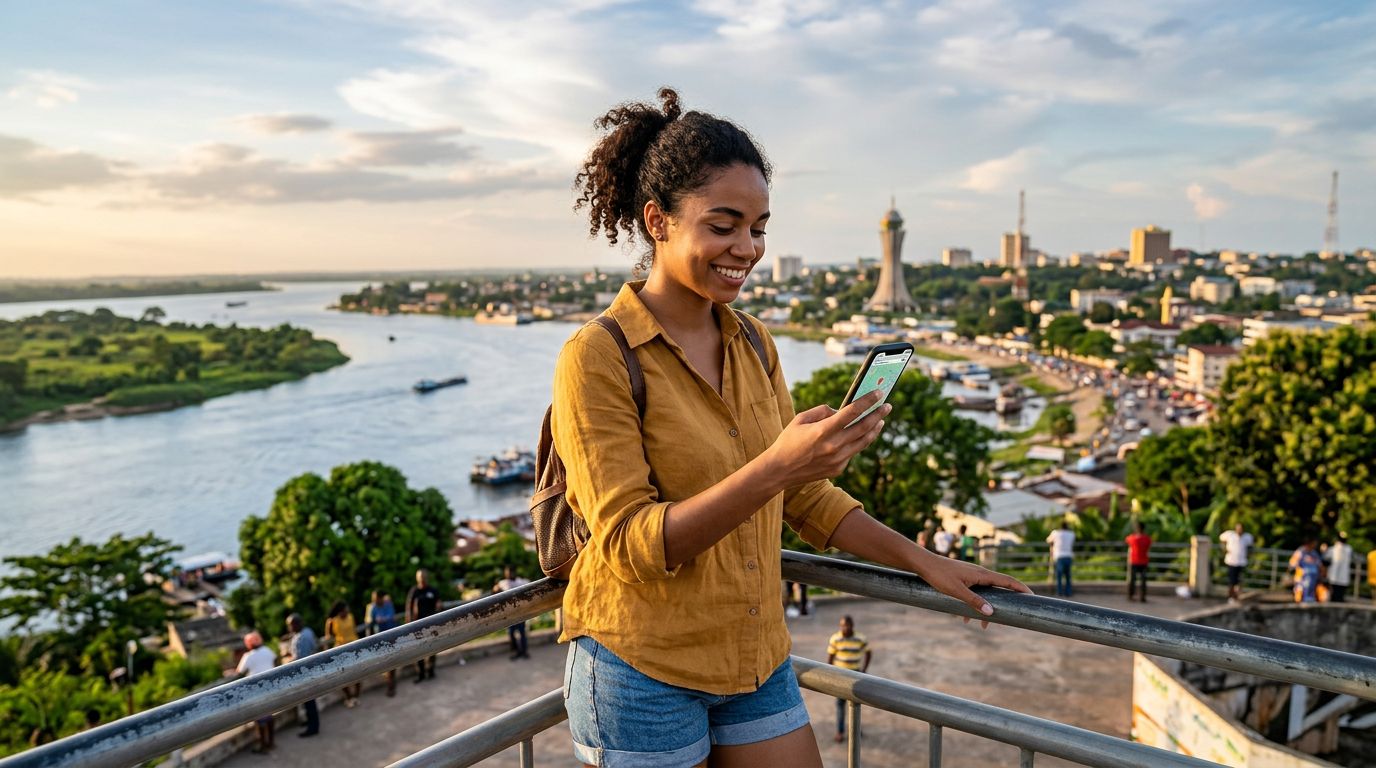
Understanding Connectivity in the Republic of the Congo
Traveling to the Republic of the Congo, often referred to as Congo-Brazzaville, offers an experience unlike any other in Central Africa. From the dense rainforests of Odzala-Kokoua National Park to the bustling, vibrant streets of Brazzaville, the country is a place of immense natural beauty and cultural depth. However, staying connected in a region where infrastructure can be challenging requires a bit of foresight. Whether you are visiting for business, wildlife photography, or an adventurous trek, having reliable internet access is essential for navigation, communication, and sharing your experiences.
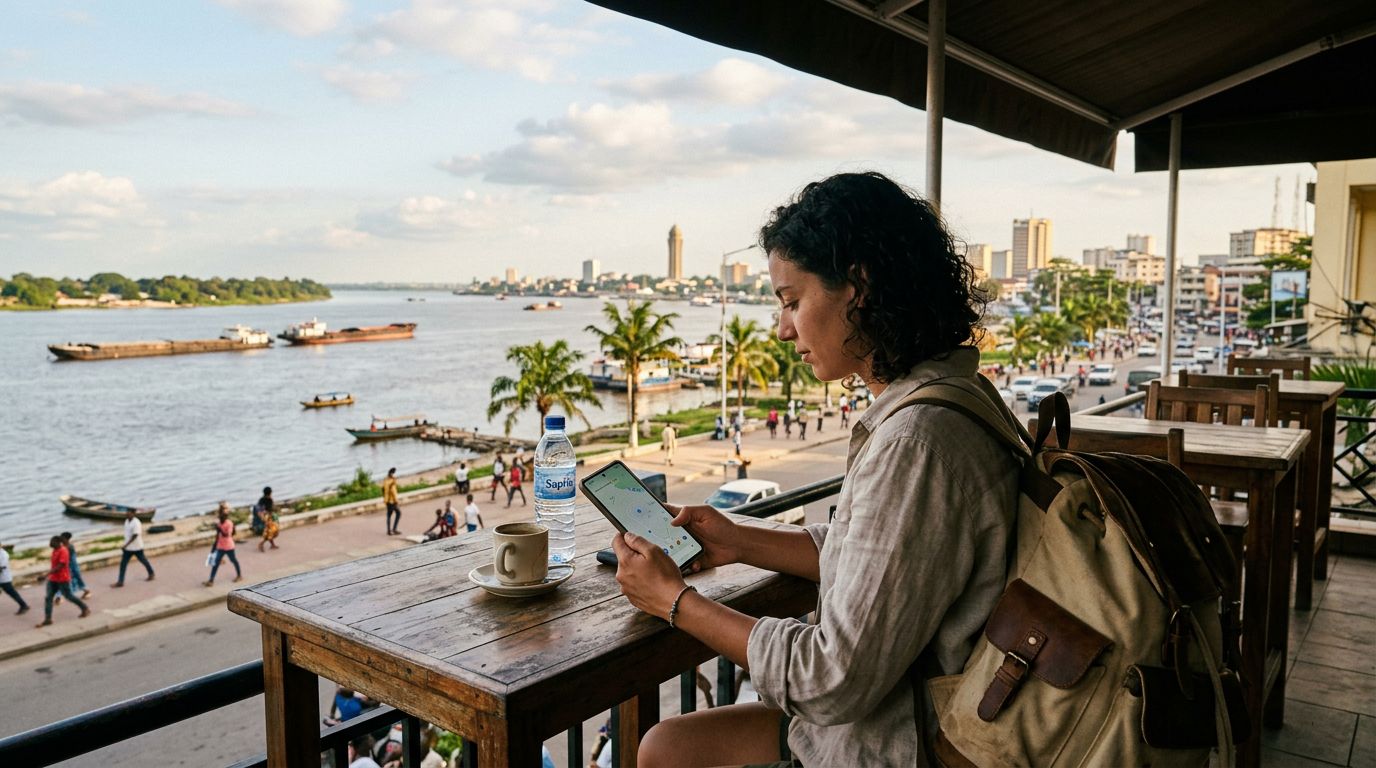
Many travelers arrive expecting their home mobile service to work seamlessly, only to find that international roaming agreements are either non-existent or prohibitively restrictive in this part of the world. Relying on hotel Wi-Fi is a common strategy, but it is rarely a sustainable solution. Wi-Fi in Congo-Brazzaville can be inconsistent, often limited to common areas, and frequently suffers from slow speeds or outages. If your travel plans involve moving between urban centers and remote lodges, you need a solution that travels with you. Finding the best way to get data in Congo-Brazzaville means prioritizing reliability and ease of setup before you even step off the plane.
The Traditional Approach vs. Modern Digital Solutions
Historically, the standard method for obtaining mobile data upon arrival was to visit a local telecommunications provider’s retail outlet. This process typically involves standing in queues, presenting your passport for registration, and purchasing a physical local SIM card. While this method remains a functional way to secure a local number and data package, it is far from convenient. Language barriers can complicate the registration process, and local stores may have limited operating hours, leaving you without connectivity for the first several hours of your trip.
In contrast, the evolution of mobile technology has introduced eSIM (embedded SIM) capability. An eSIM functions exactly like a physical SIM card but is entirely digital. It is built into the hardware of most modern smartphones, allowing you to activate a mobile data plan by simply scanning a QR code or installing a profile. This eliminates the need to swap out your physical card or risk losing your home SIM while traveling.
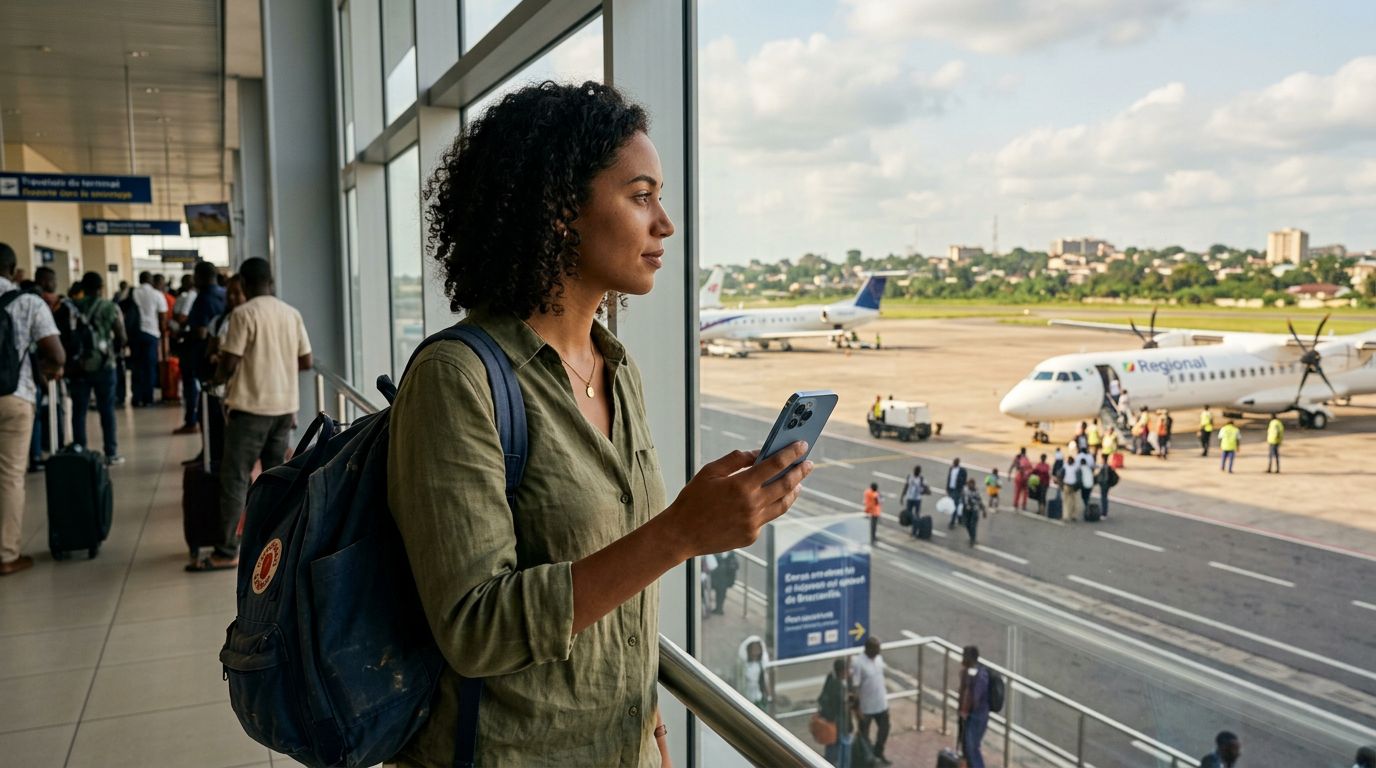
For those planning their trip, OneTapSIM offers a streamlined experience that allows you to secure your data connection before you reach your destination. By setting up your eSIM in advance, you ensure that as soon as your plane touches down in Brazzaville or Pointe-Noire, your device is ready to connect to local networks. This removes the stress of hunting for a kiosk at the airport and allows you to focus on your itinerary rather than administrative tasks.
Tips for Optimizing Your Data Usage While Traveling
Once you have secured your connection, managing your data effectively ensures that you stay online for the duration of your trip. Congo-Brazzaville’s mobile networks are constantly improving, but data speeds can vary significantly depending on your proximity to major urban centers versus remote wilderness areas.
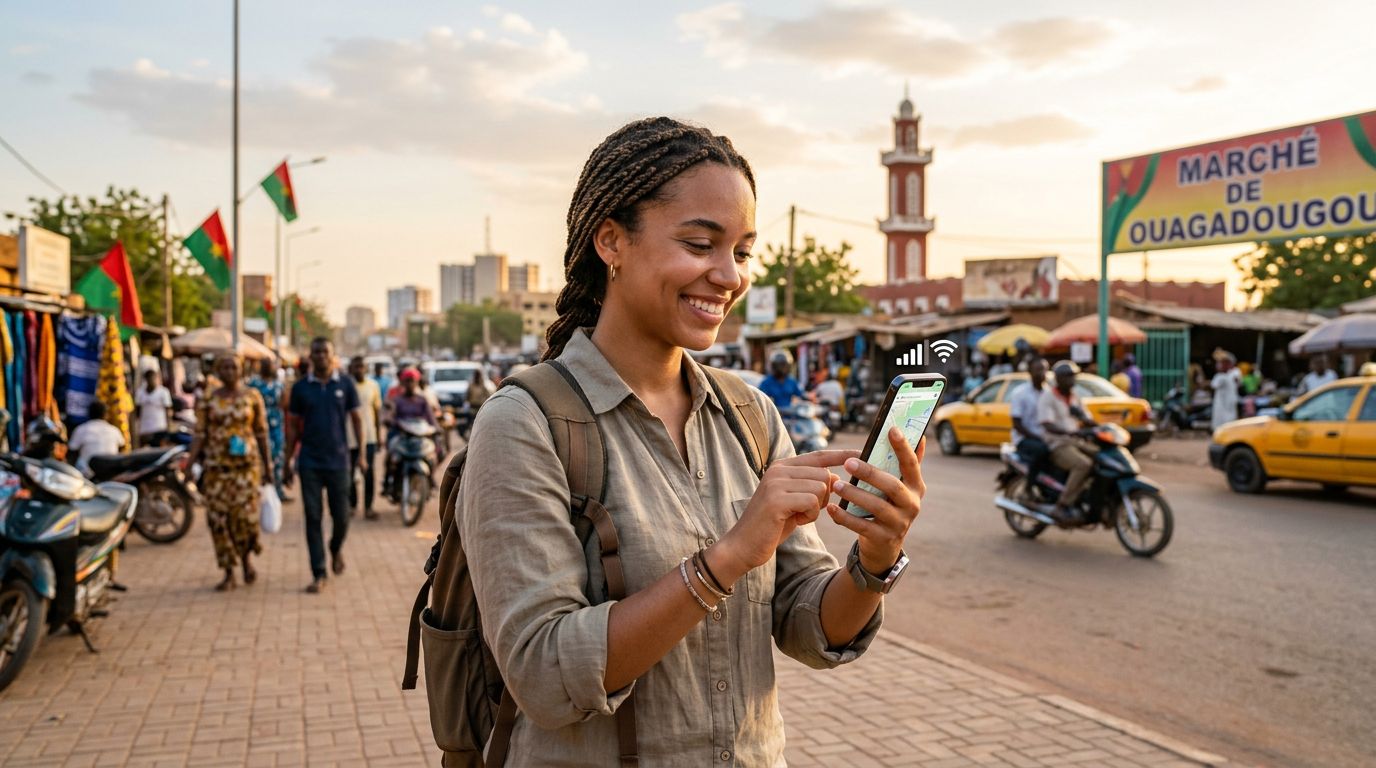
To make the most of your data, start by adjusting your phone’s settings. Many applications on your smartphone are designed to update in the background, consuming data without your knowledge. Disable "Background App Refresh" for non-essential apps and ensure that automatic software updates are set to occur only when you are connected to a stable Wi-Fi network. If you are using maps for navigation, download offline versions of the areas you plan to visit. Google Maps allows users to save specific regions for offline use, which is an excellent way to maintain navigation capabilities even if you move into a zone with a weaker signal.
Another important consideration is your choice of communication apps. Voice and video calls consume significantly more data than text-based messaging. If you need to reach family or colleagues, prioritize text or voice messages over video conferencing whenever possible. If you must use video, try to do so in areas where you have a strong signal, such as near the city center of Brazzaville, where network infrastructure is most robust.
Finally, keep an eye on your usage through your device’s settings menu. Both iOS and Android devices provide built-in tools to monitor how much data each app is using. If you notice a specific application is consuming an unusual amount of data, you can restrict its access to mobile networks. By combining a reliable service like OneTapSIM with smart data management habits, you can enjoy your time in Congo-Brazzaville with the peace of mind that comes from being connected, without the frustration of unexpected connectivity gaps. Whether you are documenting the wildlife or keeping in touch with the office, these steps will help ensure that your digital experience is as smooth as your physical journey through this remarkable country.
Get an eSIM for
Plans for the destinations covered in this guide, with instant QR delivery.