Understanding Connectivity in Congo-Brazzaville
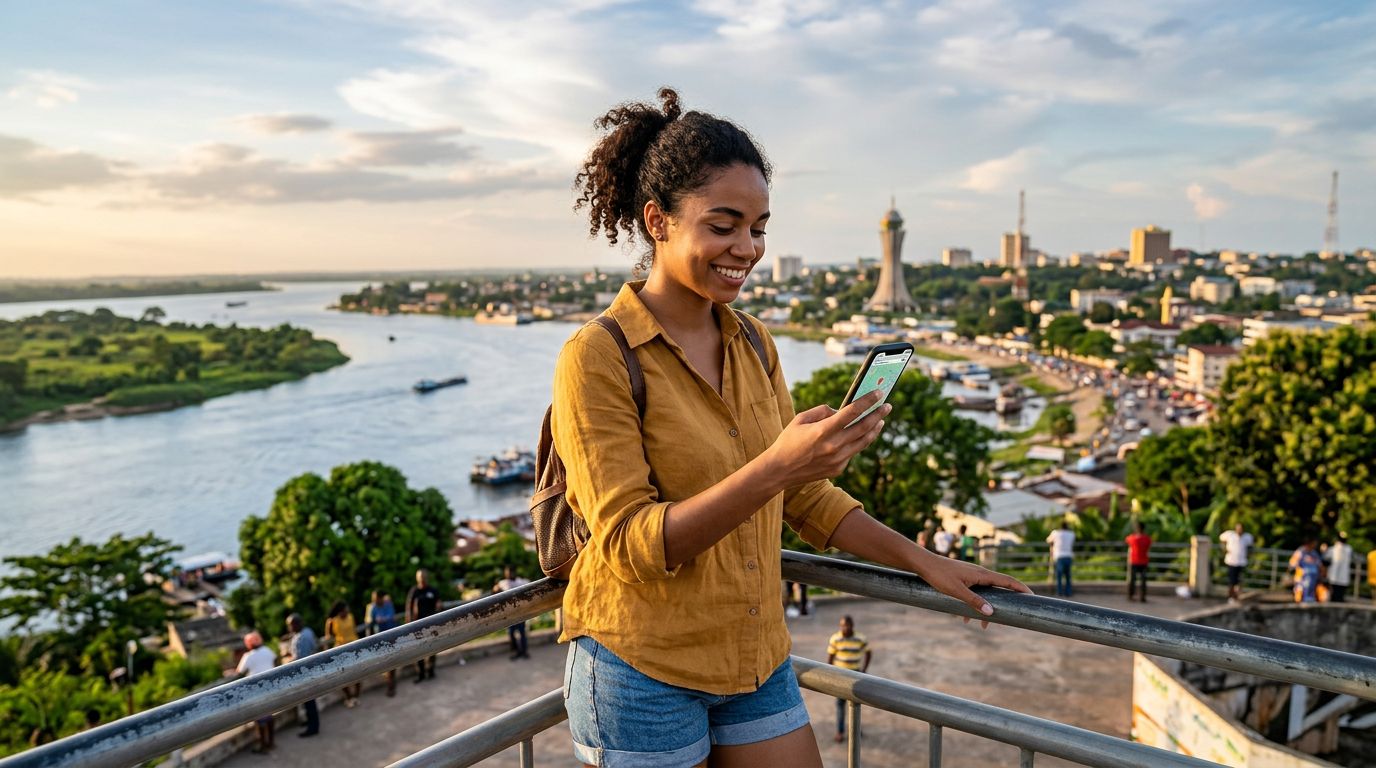
Traveling to the Republic of the Congo, often referred to as Congo-Brazzaville, offers a unique experience ranging from the vibrant urban life of Brazzaville to the dense, biodiverse rainforests of the interior. Whether you are visiting for business or exploring the Congo Basin, maintaining a reliable internet connection is essential for navigation, communication, and safety.
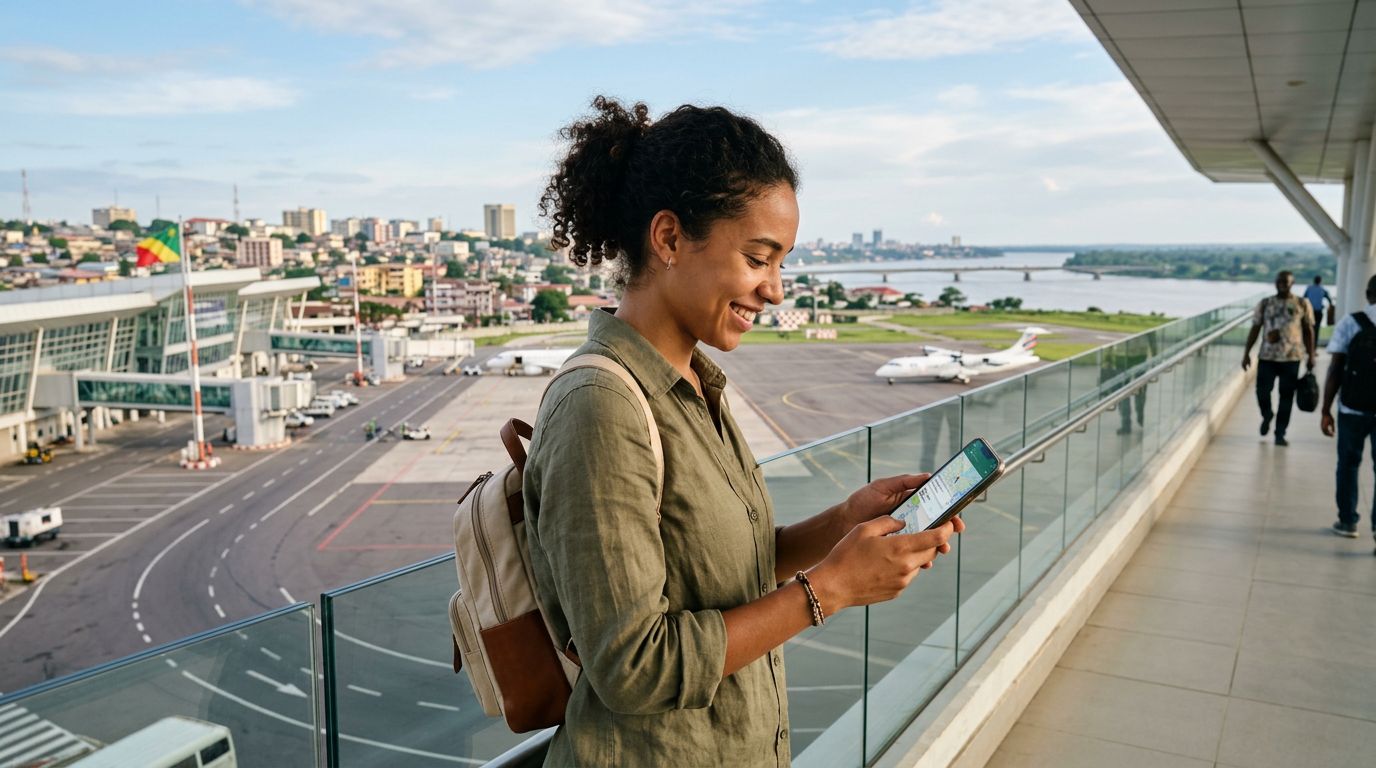
Many travelers ask, "does esim work in congo brazzaville?" The short answer is yes, but it requires a bit of preparation. Unlike some major tourist hubs where physical SIM cards are sold at every airport kiosk, acquiring a local SIM card in Congo-Brazzaville can involve long queues, language barriers, and the need for formal identification documentation. An eSIM, or embedded SIM, allows you to bypass these logistical hurdles by activating a cellular plan digitally before you even board your flight.
Because the telecommunications infrastructure in Central Africa is still developing, coverage can vary significantly between urban centers and remote regions. In cities like Brazzaville and Pointe-Noire, 4G connectivity is generally available and stable. However, as you move into rural areas or national parks, signal strength may drop to 3G or even 2G. Having an eSIM that supports roaming on multiple local networks is often the most effective way to ensure you remain connected as you travel across different provinces.
How eSIM Technology Enhances Your Travel Experience
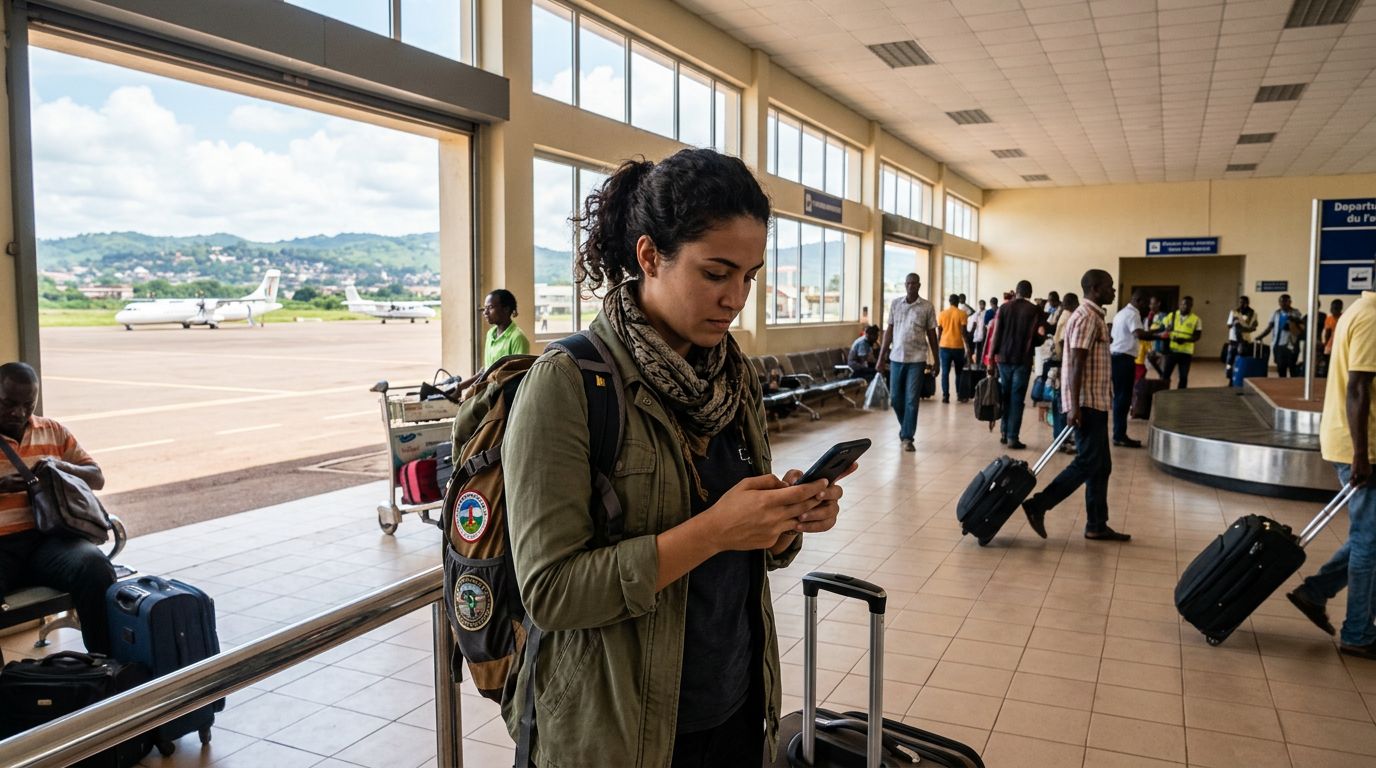
The primary advantage of using an eSIM for your trip to Congo-Brazzaville is the convenience of instant activation. With a traditional physical SIM, you are often forced to hunt for a mobile provider’s retail store upon arrival. This can be time-consuming and frustrating after a long international flight. With an eSIM, you simply scan a QR code or enter activation details provided by your service provider, and your device connects to a local network as soon as you land.
OneTapSIM provides a streamlined way to manage your connectivity needs. By choosing an eSIM, you keep your primary phone number active for calls and texts while dedicating your secondary eSIM slot to data. This is particularly useful for travelers who need to stay reachable via their home number for banking alerts or urgent work communications while using a separate data plan for maps, translation apps, and social media.
Furthermore, eSIM technology is inherently more secure than physical SIM cards. Because the chip is soldered into your device, it cannot be lost or stolen in the same way a small plastic card can. If you happen to lose your phone, your connectivity settings are tied to your device’s hardware, making it easier to manage your account remotely. Before you depart, ensure your smartphone is carrier-unlocked. You can verify your device's compatibility by checking the settings menu on your phone or visiting the official support pages for Apple or Google devices. If your phone is locked to a specific carrier, you will be unable to add an international eSIM, regardless of the provider you choose.
Tips for Maintaining a Stable Connection
While eSIMs provide a seamless way to access the internet, maintaining a stable connection in Congo-Brazzaville requires a proactive approach. First, monitor your data usage. Streaming high-definition video or downloading large files over a cellular network can deplete your data allowance quickly. To preserve your data, adjust your phone settings to restrict background app refreshes and ensure that automatic software updates are disabled while you are on your roaming plan.
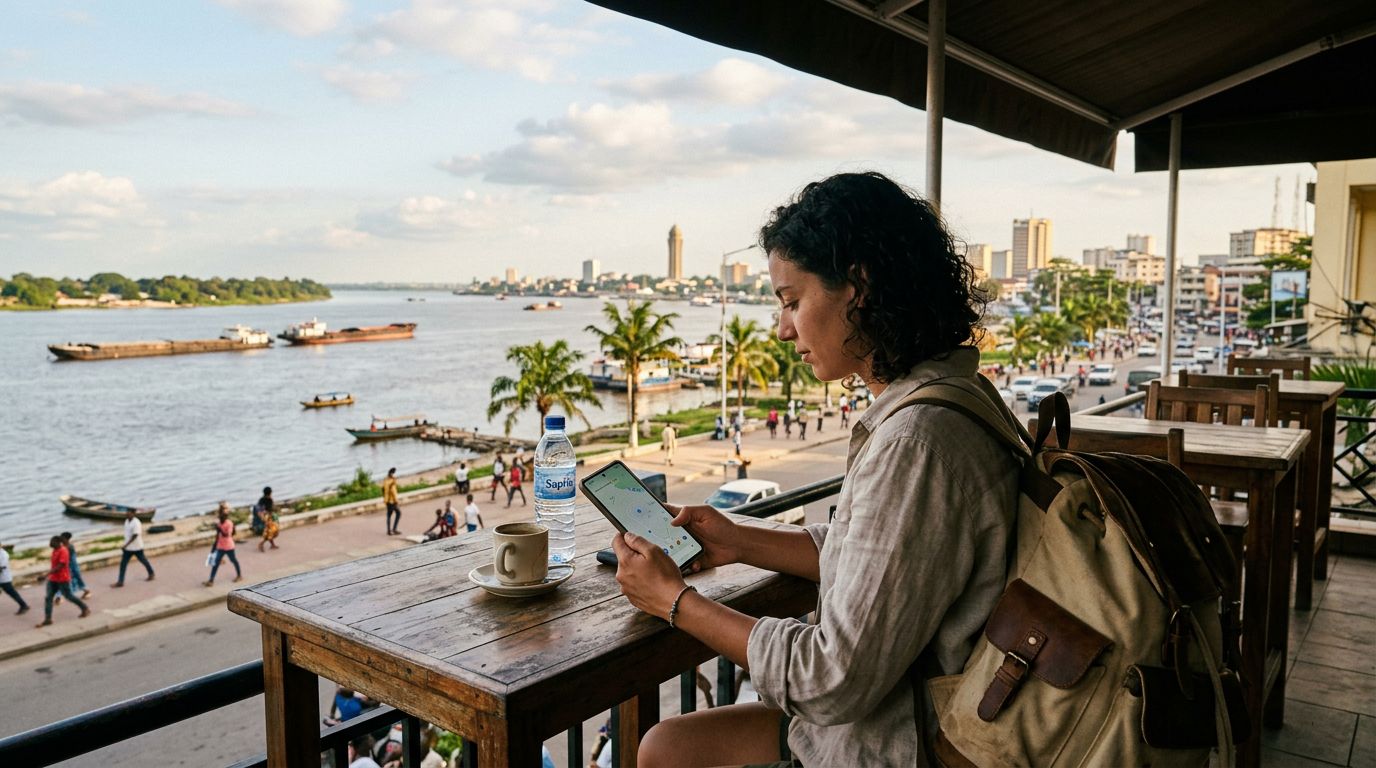
Second, be aware of the geographical limitations. While Brazzaville and Pointe-Noire offer relatively robust coverage, the infrastructure in the northern regions of the country is less developed. If you are planning an excursion into the rainforest or visiting remote conservation areas, do not rely solely on cellular data for navigation. Download offline maps via Google Maps or other mapping services before you leave your hotel. This ensures that even if you lose signal, you can still find your way back to your accommodation or track your current location.
Third, consider the battery impact of roaming. Searching for a signal in areas with weak coverage can cause your phone to work harder, which drains the battery faster than usual. Carrying a portable power bank is a standard recommendation for any traveler in this region. Additionally, if you find yourself in a location with no signal, toggle your phone into Airplane Mode to prevent it from constantly scanning for a network, which will help conserve your battery life until you reach an area with better reception.
Finally, remember that an eSIM is a data-only solution in most cases. If you require a local phone number for making traditional voice calls to local businesses or hotels, you may need to use Voice over IP (VoIP) services. Apps that allow for internet-based calling are highly effective in Congo-Brazzaville, provided you have a stable data connection. By combining the flexibility of an eSIM from a provider like OneTapSIM with smart data management habits, you can enjoy a connected and stress-free journey through one of Central Africa’s most fascinating nations. Always double-check your device settings upon arrival to ensure that data roaming is enabled for your eSIM profile, as this is the most common reason travelers experience initial connectivity issues. With these steps taken, you will be well-prepared to navigate the country with confidence.
Get an eSIM for
Plans for the destinations covered in this guide, with instant QR delivery.