Understanding Connectivity in Congo Brazzaville
Traveling to the Republic of the Congo, often referred to as Congo-Brazzaville, offers a unique experience characterized by lush rainforests, vibrant river life, and a distinct cultural landscape. Whether you are visiting for business in the bustling capital or exploring the biodiversity of the Odzala-Kokoua National Park, staying connected is essential for safety, navigation, and communication. Travelers have traditionally relied on physical SIM cards, but the emergence of eSIM technology has shifted how we approach international roaming.
When you arrive in Congo-Brazzaville, your primary goal is to secure a reliable data connection without the frustration of language barriers or complex registration processes. The traditional method involves finding a local mobile network operator’s kiosk, presenting your passport, and purchasing a physical plastic card. While this has been the standard for decades, it comes with inherent risks, such as losing your original home SIM card during the swap or dealing with incompatible hardware.
The comparison between a Congo Brazzaville SIM card vs eSIM is essentially a choice between legacy convenience and modern efficiency. A local physical SIM requires physical access to a shop and a time-consuming setup process. Conversely, an eSIM, such as those offered by OneTapSIM, allows you to activate your mobile data plan digitally before you even step off the plane. By understanding the functional differences between these two options, you can choose the method that best suits your travel style and technical requirements.
The Traditional Physical SIM Card Experience
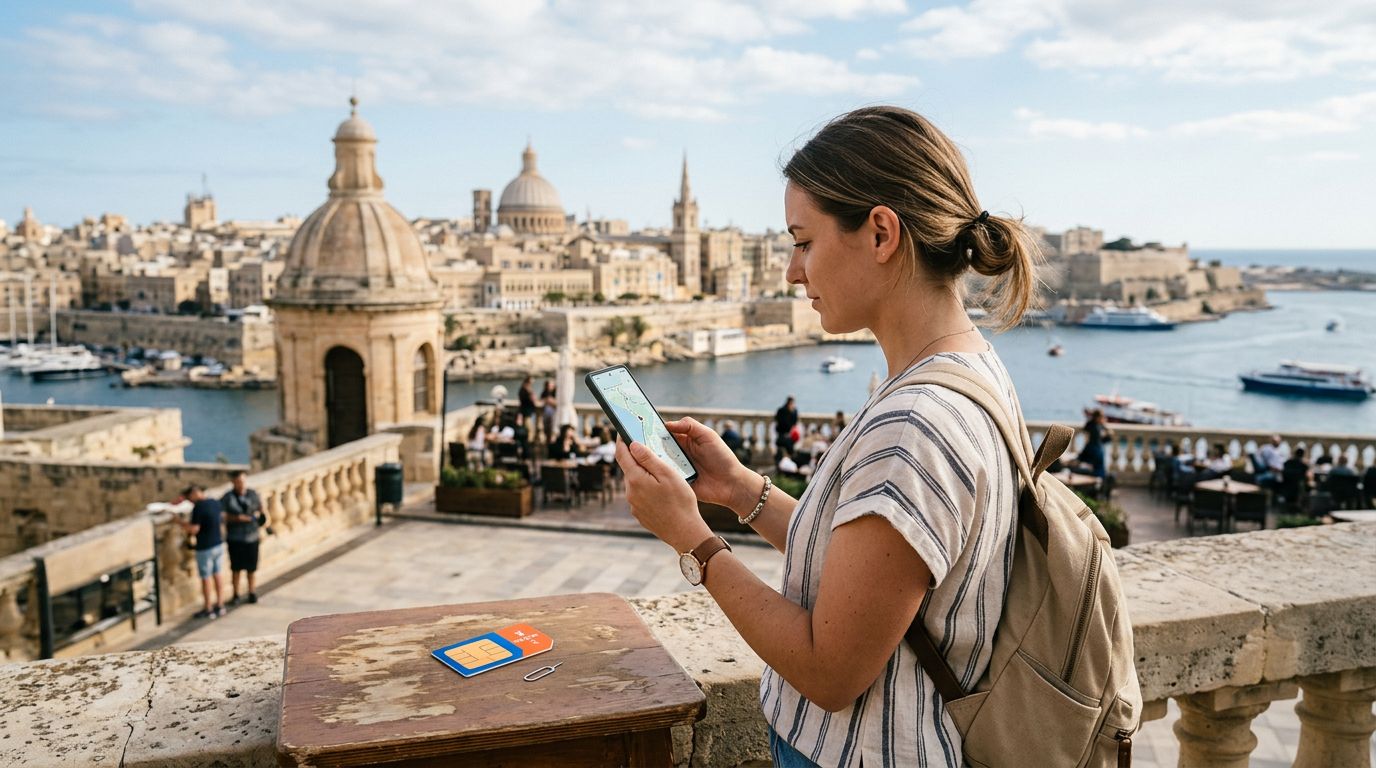
Using a physical SIM card in Congo-Brazzaville is a process that requires patience and preparation. Upon arrival at Maya-Maya Airport or in the city center, you will likely encounter several mobile network operator outlets. To obtain a local number, you must provide identification, usually a passport, and often undergo a registration process mandated by local telecommunications authorities.
One of the primary drawbacks of the physical SIM card is the physical interaction required. You must remove your existing SIM card from your device, which creates a significant risk of misplacing it. For many travelers, this tiny piece of plastic is the only way to receive important two-factor authentication codes from banks or other services back home. If you lose your home SIM, you may face significant hurdles in managing your accounts while abroad.
Furthermore, physical SIM cards are subject to the availability of local stock. If you arrive late at night or on a public holiday, finding an open shop can be difficult. You are also limited by the coverage maps of the specific carrier you choose. If that carrier has poor signal strength in the specific region you are visiting, you are stuck with that card for the duration of your trip unless you go through the entire purchase process again with a different provider. While physical SIMs are a reliable way to get a local number, the administrative burden and the risk of hardware damage make them less appealing to the modern traveler.
The Advantages of eSIM Technology
eSIM, or embedded SIM, technology has revolutionized international travel by removing the need for physical hardware. An eSIM is a digital version of a SIM card that is built directly into the hardware of modern smartphones. Instead of physically swapping chips, you simply scan a QR code or enter activation details provided by your service provider to connect to a local network.
The most significant benefit of using an eSIM in Congo-Brazzaville is the ability to maintain your home SIM card in your device simultaneously. This allows you to keep your primary number active for calls or messages while using a secondary eSIM data plan for your internet needs. This dual-sim capability ensures that you are always reachable on your main number while enjoying the benefits of local data rates.
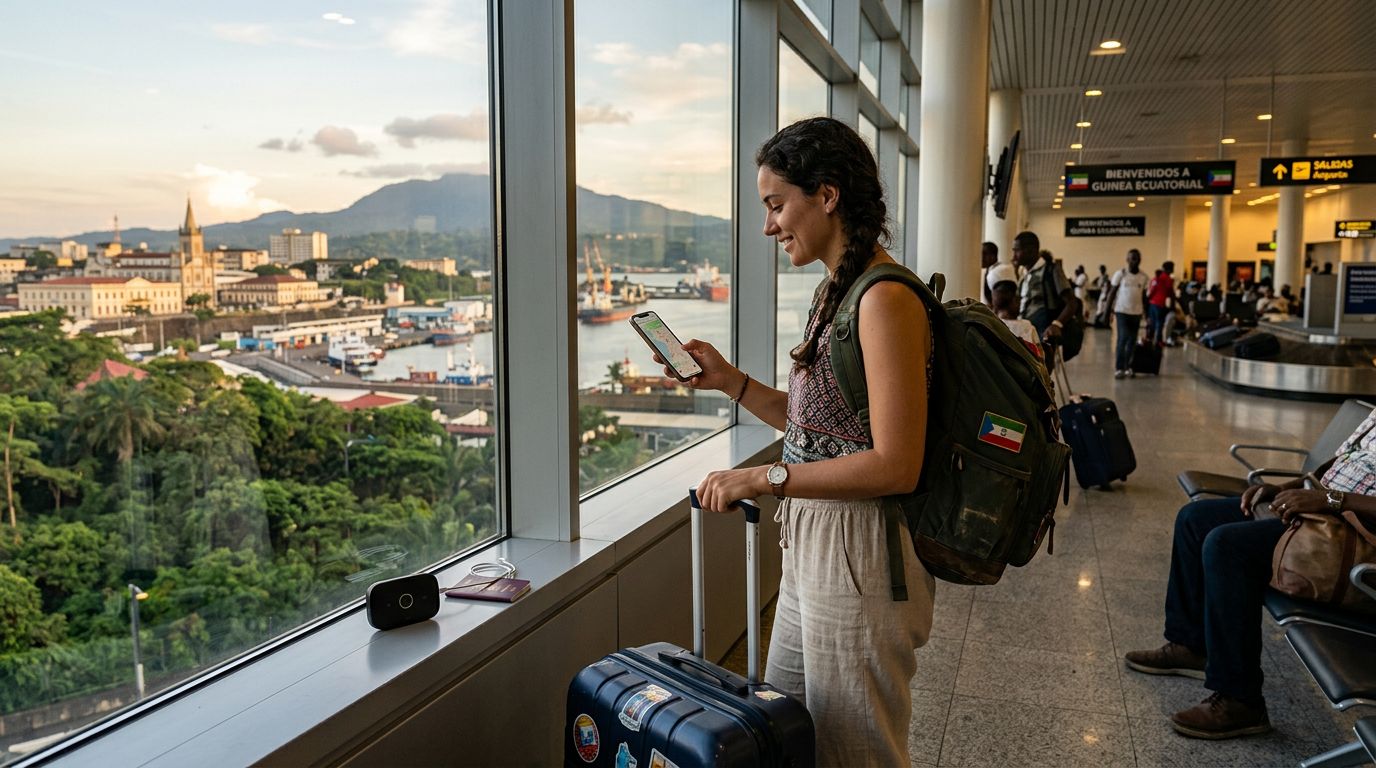
OneTapSIM simplifies this process by providing a streamlined interface for travelers to select and activate their data plans. Because the process is entirely digital, you can set up your connection while waiting for your luggage or even while still at home. There is no need to stand in line at a kiosk or worry about passport registration at a retail counter. As long as your device is compatible—which you can verify through resources provided by manufacturers like Apple or Google—you can switch between data plans with just a few taps in your phone’s settings.
Another critical advantage is the flexibility of data management. With an eSIM, you can monitor your data usage in real-time. If you find yourself using more data than expected for navigation or video calls, you can often purchase additional top-ups or switch plans instantly through your provider’s dashboard. This level of control is rarely available with prepaid physical SIM cards, which often require you to visit a shop to purchase physical top-up vouchers.
Making the Final Decision
When deciding between a Congo Brazzaville SIM card vs eSIM, consider the duration of your stay and your technical comfort level. If you are staying for several months and require a local phone number for extensive voice calls to local businesses, a physical SIM card from a local carrier might be necessary. However, for the vast majority of tourists and short-term business travelers, the convenience of an eSIM far outweighs the benefits of a physical card.
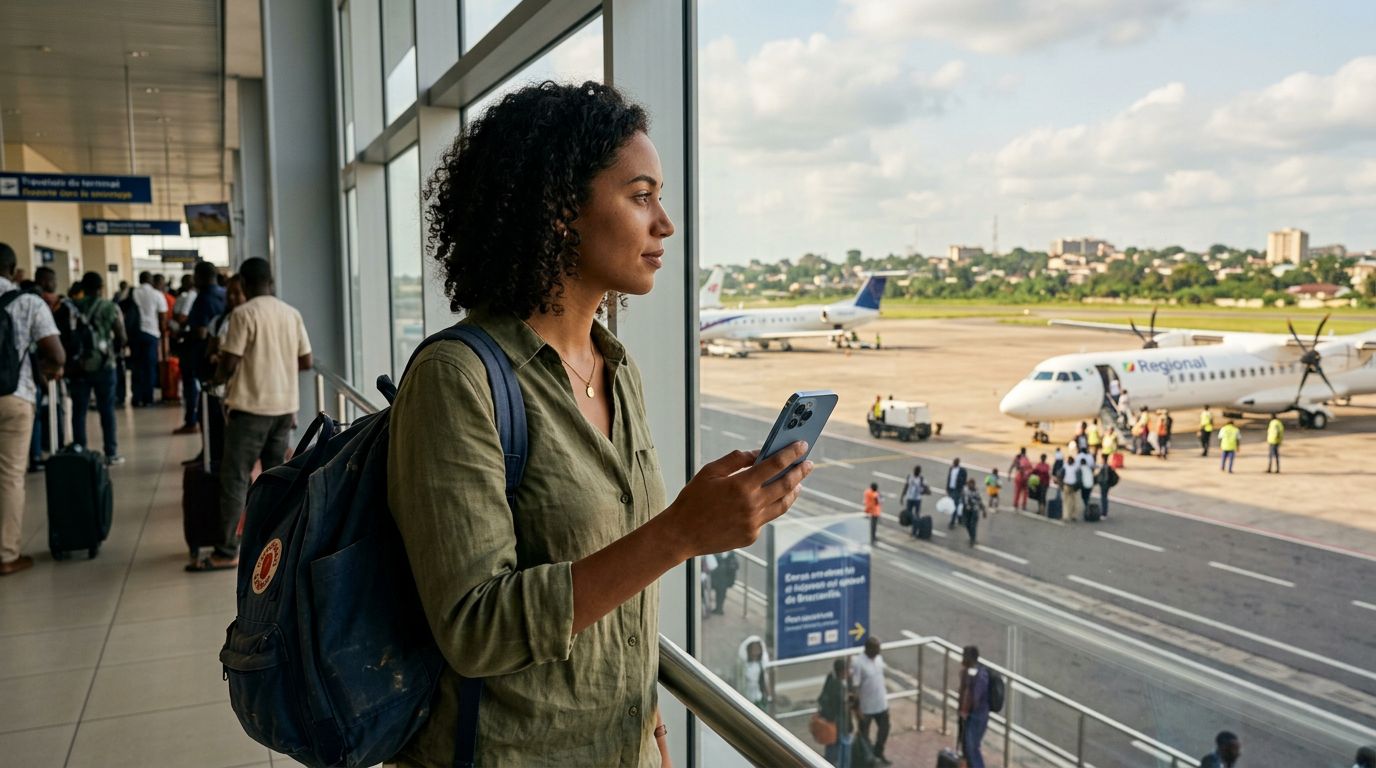
The shift toward eSIMs represents a move toward a more seamless travel experience. By choosing an eSIM, you eliminate the stress of finding a shop, the risk of losing your home SIM, and the administrative hassle of local registration. You gain the freedom to land in Congo-Brazzaville and immediately have access to maps, ride-sharing apps, and communication tools.
Before you depart, ensure your smartphone is unlocked and supports eSIM functionality. Most devices released in the last few years are fully compatible. By preparing your digital connection in advance with a service like OneTapSIM, you can focus on the sights and sounds of the Republic of the Congo rather than worrying about your mobile connectivity. The transition to digital SIMs is not just a trend; it is a practical upgrade for anyone who values time, security, and efficiency during their travels. Whether you are trekking through the rainforest or attending meetings in the capital, having a reliable, pre-activated data connection ensures that your trip remains smooth and connected from start to finish.