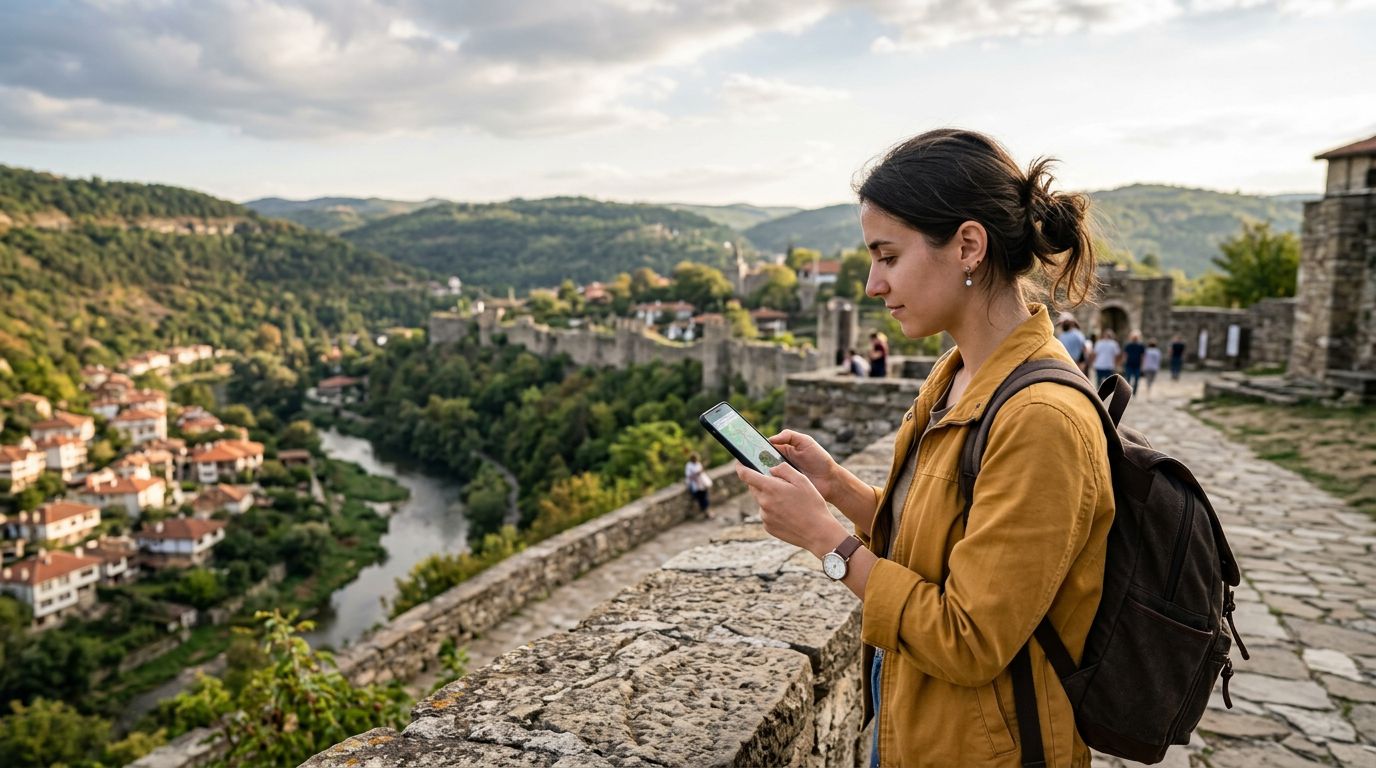
The Evolution of Connectivity in Bulgaria
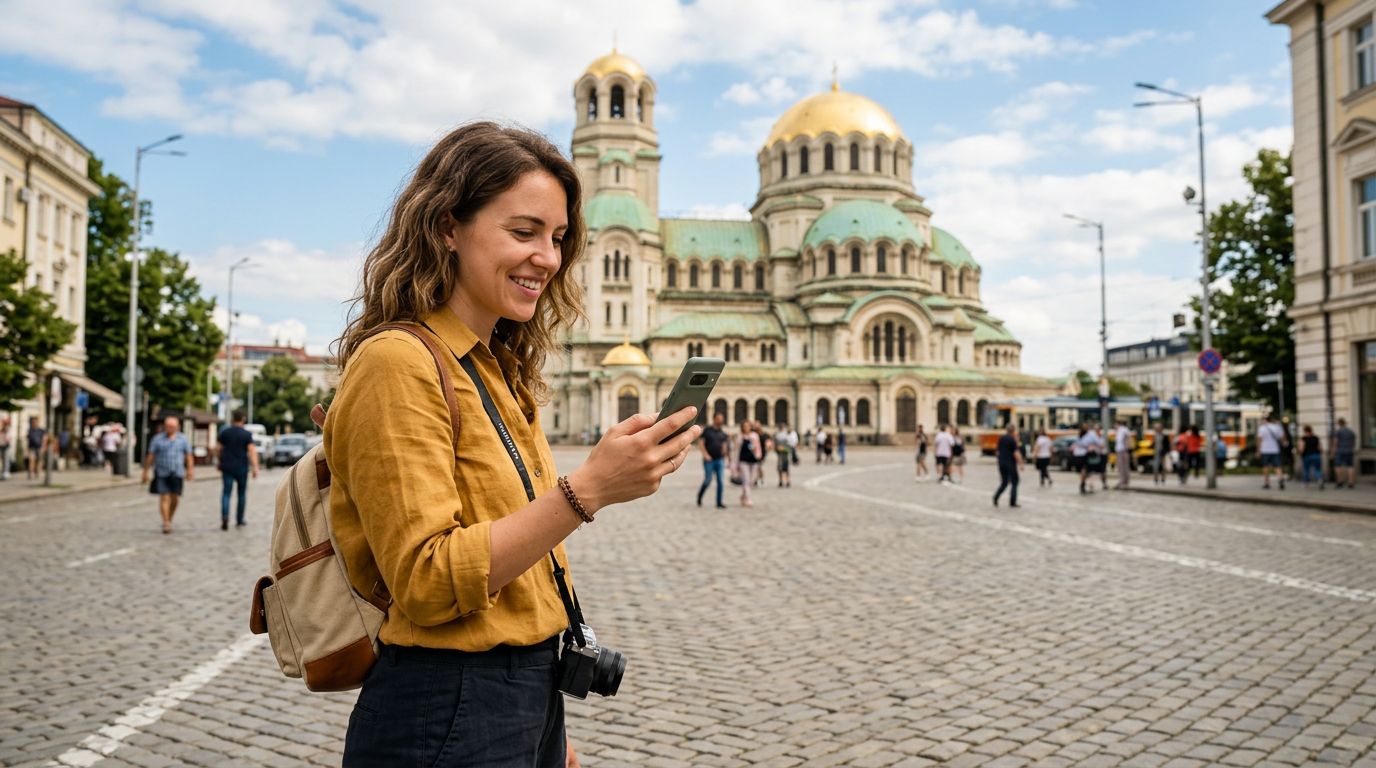
Planning a trip to Bulgaria involves more than just booking flights and hotels. Whether you are wandering through the historic streets of Plovdiv, relaxing on the Black Sea coast, or hiking the Rila Mountains, staying connected is essential. For years, travelers relied exclusively on physical SIM cards purchased at kiosks or airports. However, the rise of eSIM technology has changed how we approach mobile data abroad.
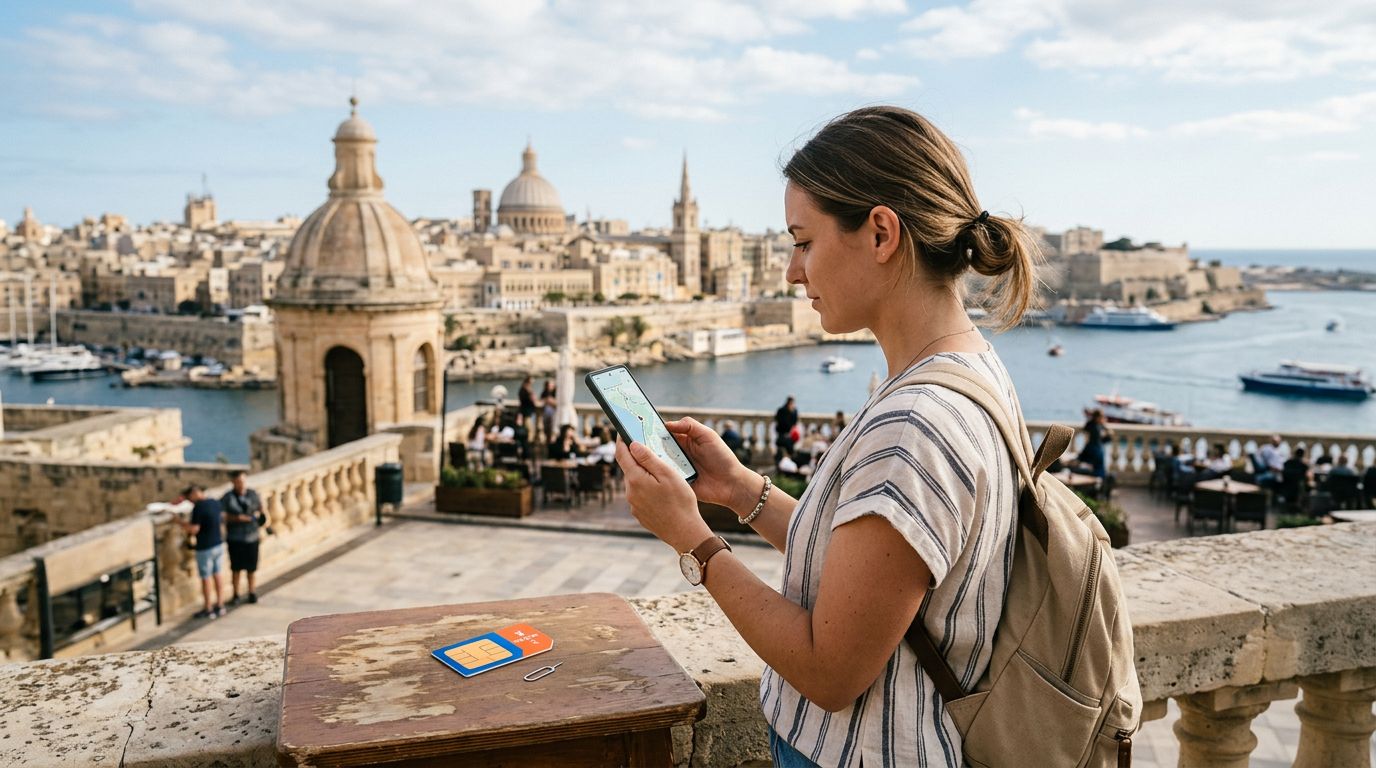
When comparing a Bulgaria SIM card vs eSIM, the primary difference lies in convenience and hardware requirements. A physical SIM card is a small plastic chip that you insert into your device. To get one, you typically need to visit a local provider, present your passport for registration, and manually swap out your home SIM card. This process can be time-consuming, especially if you arrive late at night or are in a rush to reach your accommodation.
An eSIM, or embedded SIM, is a digital version of that plastic card. It is built into the hardware of modern smartphones. Instead of visiting a store, you simply scan a QR code or download a profile to activate your connection. This shift eliminates the risk of losing your original home SIM card, which is a common anxiety for many travelers. By choosing an eSIM, you maintain your primary number for essential calls or texts while using a secondary data-only profile for your Bulgarian adventures.
Practical Differences and Performance
The performance of your mobile connection in Bulgaria depends more on the local network infrastructure than the type of SIM you use. Both physical SIMs and eSIMs connect to the same local cellular towers. Bulgaria boasts strong 4G and 5G coverage, particularly in urban centers like Sofia, Varna, and Burgas. Remote mountainous regions may experience occasional signal fluctuations regardless of your provider, but overall, connectivity is reliable for navigation, social media, and communication.
The main advantage of an eSIM is the flexibility it offers. With a physical SIM, you are often tethered to a specific local carrier and their specific retail hours. If you run out of data, you must find a physical store to top up. With an eSIM provider like OneTapSIM, you can manage your data usage and purchase additional packages directly from your phone. This is particularly beneficial for travelers who move between cities or need to extend their stay unexpectedly.
Another factor to consider is device compatibility. While most modern smartphones support eSIM technology, it is always wise to check your device settings before you travel. You can verify your phone's capabilities through the official support pages for Apple or Google. If your phone is locked to a specific carrier back home, you may be unable to use an eSIM or a local physical SIM until you have the device unlocked. Always ensure your phone is carrier-unlocked before leaving home to avoid connectivity issues upon arrival.
Making the Right Choice for Your Itinerary
Choosing between a traditional SIM card and an eSIM often comes down to your travel style and technical comfort level. If you are a minimalist traveler who prefers to have everything organized before stepping off the plane, the eSIM is the superior choice. You can set up your connection while still at home or at the airport, ensuring you have data the moment you land. This allows you to call a taxi, check your map, or message your host without searching for a local shop.
On the other hand, some travelers prefer the physical SIM card because it feels more tangible. If you are staying in Bulgaria for an extended period—perhaps several months—a local physical SIM might offer specific long-term contracts that are more cost-effective. These contracts often require local identification and a more formal sign-up process. However, for the average vacationer or short-term visitor, the administrative burden of a local contract rarely outweighs the convenience of a digital solution.
When you opt for an eSIM, you also reduce the amount of physical waste generated by plastic cards and packaging. It is a more sustainable way to stay connected. Furthermore, because the eSIM profile is stored digitally, you can switch between different data plans if you decide to travel to neighboring countries during your trip. This cross-border flexibility is a major benefit for those on a multi-country Balkan tour.
Ultimately, the decision rests on your priorities. If you value time, ease of use, and the ability to keep your home SIM card safely in your phone, the eSIM is the modern standard for international travel. Services like OneTapSIM are designed to bridge the gap, providing a seamless activation process that removes the stress of finding a local store in a foreign country. By preparing your connectivity in advance, you can spend less time worrying about your signal and more time exploring the beautiful landscapes and rich history that Bulgaria has to offer. Whether you choose the traditional route or the digital path, having a plan in place ensures that your journey remains smooth and well-connected from start to finish.
Get an eSIM for
Plans for the destinations covered in this guide, with instant QR delivery.