Understanding the Connectivity Landscape in Zimbabwe
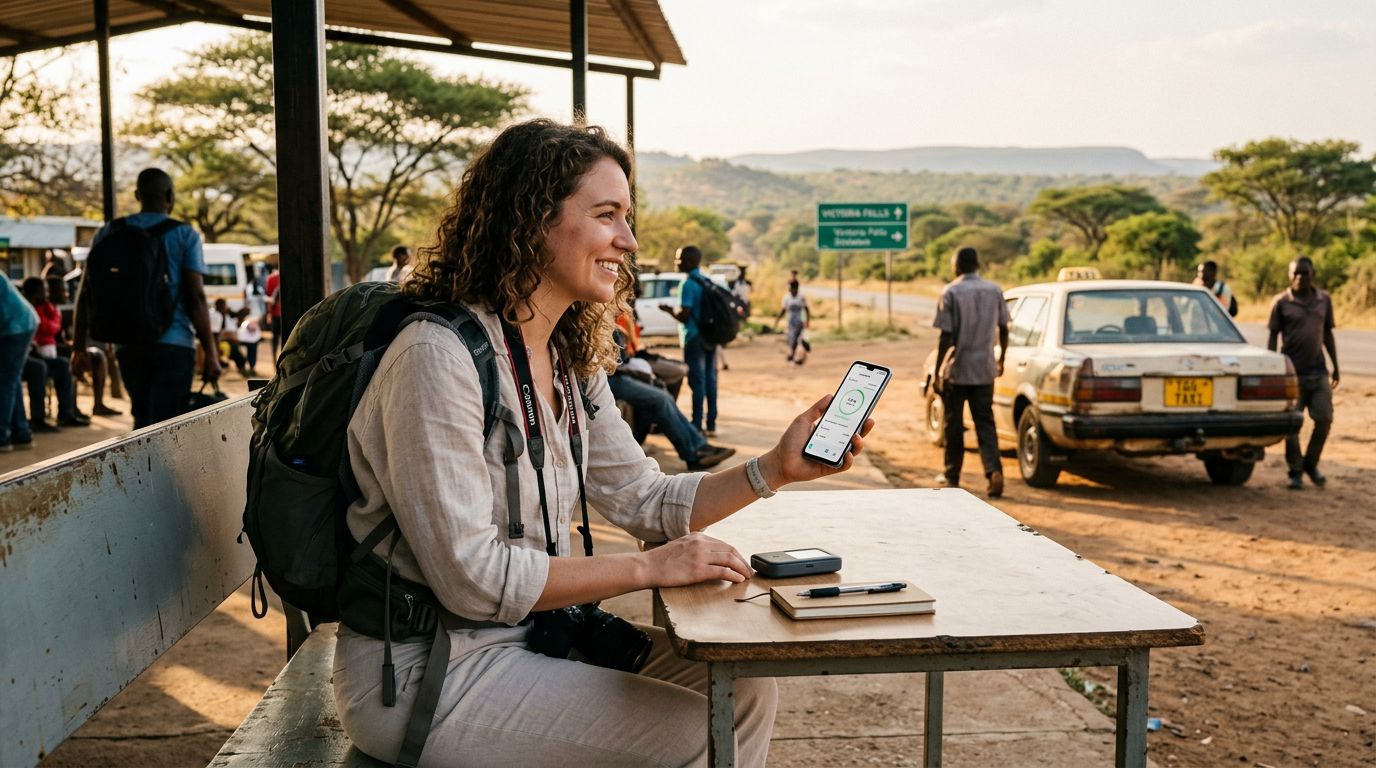
Planning a trip to Zimbabwe involves coordinating many moving parts, from securing visas to mapping out safari routes through Hwange or Mana Pools. Among these preparations, ensuring you have reliable mobile data is often overlooked until the moment you land. When you arrive at Robert Gabriel Mugabe International Airport or cross a land border, the immediate need for navigation, translation, and communication becomes apparent. Travelers generally have two primary options: purchasing a physical local SIM card or opting for a digital eSIM.
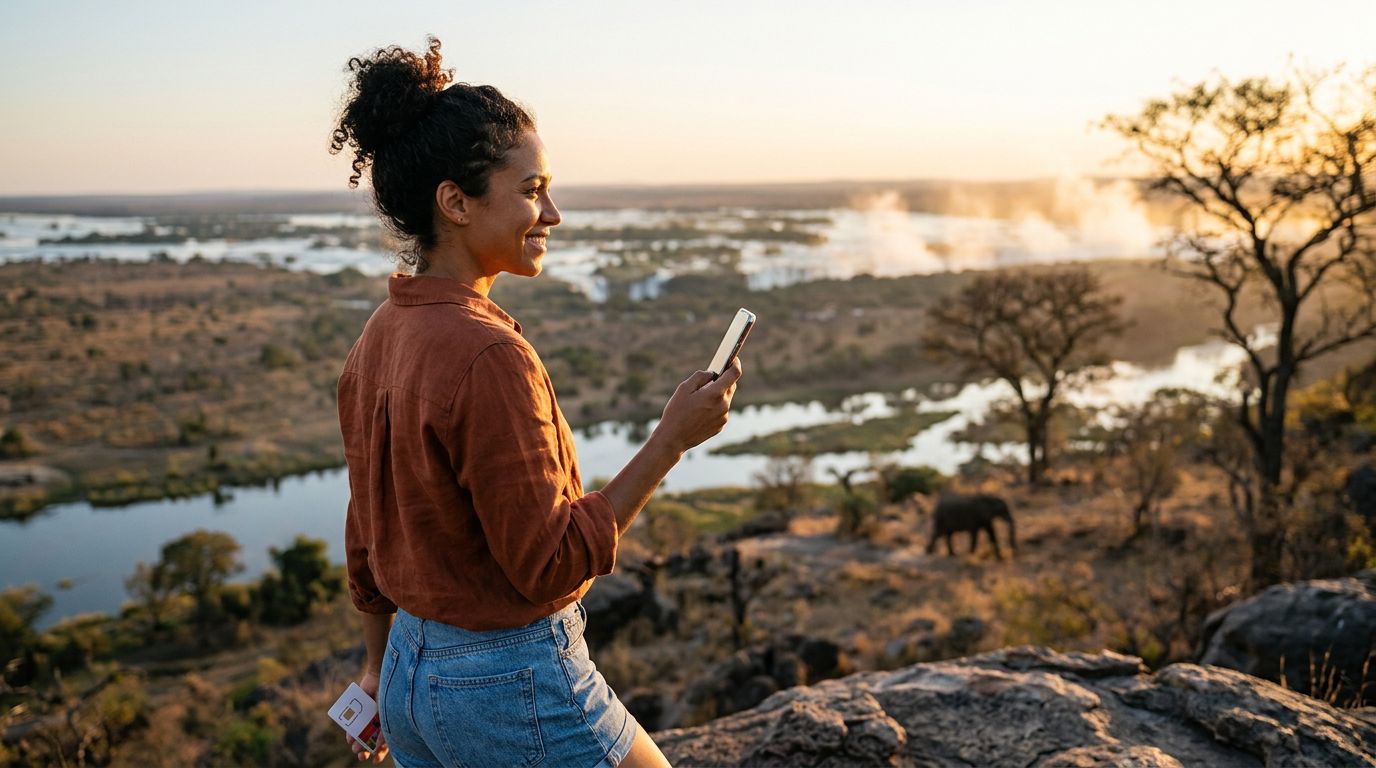
The traditional method involves finding a mobile network operator kiosk, presenting your passport, filling out registration forms, and swapping out your home SIM card. While this has been the standard for decades, it comes with inherent risks. You might lose your original SIM card, face language barriers at the kiosk, or deal with long queues after a tiring flight. Conversely, the eSIM technology allows you to download a digital profile directly to your device, bypassing the need for physical hardware entirely.
For most modern travelers, the convenience of having connectivity ready the moment the plane touches down is the deciding factor. By choosing an eSIM, you eliminate the frantic search for a retail outlet during your first few hours in the country. This transition to digital-first connectivity is changing how people experience travel, allowing for a seamless shift from domestic life to international exploration.
Comparing Physical SIM Cards and eSIMs
When evaluating a Zimbabwe SIM card vs eSIM, the differences extend beyond just the physical form factor. A local physical SIM card requires your phone to be carrier-unlocked. If your home provider has locked your device, you will be unable to use a local SIM, leaving you stranded without service unless you have an alternative. With a physical SIM, you must also manage the physical handling of your home card, which is small, easy to misplace, and fragile.
An eSIM, or embedded SIM, is a chip already integrated into your smartphone’s motherboard. Because it is software-based, you can manage your connection through your device settings. This provides a level of flexibility that physical cards cannot match. If you are traveling through multiple countries in Southern Africa, you can manage different data plans on the same device without ever needing to open your SIM tray.
From a security perspective, an eSIM is safer. Because it cannot be physically removed from your phone, it is less susceptible to theft or loss. Furthermore, the installation process for providers like OneTapSIM is streamlined. Instead of waiting for a shop to open or navigating complex activation procedures in a foreign language, you can complete the setup process before you even leave your home country. Once you arrive in Zimbabwe, your device automatically connects to the local network, provided you have enabled data roaming for that specific profile.
Why Travelers Are Choosing Digital Solutions
The primary advantage of choosing an eSIM for your Zimbabwe adventure is the preservation of your home number. With a physical local SIM, you have to remove your primary card, which means you stop receiving SMS messages and calls to your home number. This can be problematic if you need to receive two-factor authentication codes for banking or urgent messages from family. By using an eSIM, you can keep your primary SIM active for calls and texts while using the eSIM specifically for your data needs.
Reliability is another critical factor. Local networks in Zimbabwe provide varying levels of coverage depending on whether you are in urban centers like Harare and Bulawayo or remote safari regions. By using a reputable eSIM provider, you are often granted access to the best available network infrastructure, ensuring that your connection remains stable as you move between different regions.
Sustainability and efficiency also play a role. Physical SIM cards require plastic manufacturing, packaging, and international shipping or retail storage. An eSIM is entirely digital, reducing waste and the environmental footprint associated with travel logistics. For the traveler who values efficiency, the ability to manage everything from a smartphone interface is a significant upgrade.
Practical Tips for Your Zimbabwe Trip
Before you commit to an eSIM, ensure your device is compatible. Most smartphones manufactured in the last few years support this technology, but it is always wise to check your specific model’s settings or manufacturer support pages. If your phone is compatible, the process of activating your data plan is straightforward. You will typically receive a QR code or an activation link that triggers the download of your new network profile.
Once you land in Zimbabwe, ensure that your device settings are configured correctly. You should designate your eSIM as the primary source for cellular data while keeping your home SIM for voice and SMS if you wish to remain reachable. It is also helpful to download offline maps and any necessary travel documents before you depart, as this provides a safety net while you are in transit.
If you are planning a multi-stop itinerary, consider how your data needs might change. Many travelers find that having a dedicated data plan allows them to share photos, stay in touch with tour operators, and research local history in real-time without worrying about excessive roaming charges from their home carrier. By preparing your connectivity strategy in advance, you remove a major source of stress, allowing you to focus on the breathtaking landscapes and wildlife that make Zimbabwe a unique destination.
Whether you are visiting for business or leisure, the shift toward eSIM technology is a practical evolution in travel. By choosing a digital solution, you gain more control, better security, and a more convenient experience. As you finalize your travel plans, consider how a digital-first approach to connectivity can enhance your journey, ensuring you stay connected throughout your time in Zimbabwe.
Ottieni una eSIM per
Piani per le destinazioni di questa guida, con consegna immediata via QR.