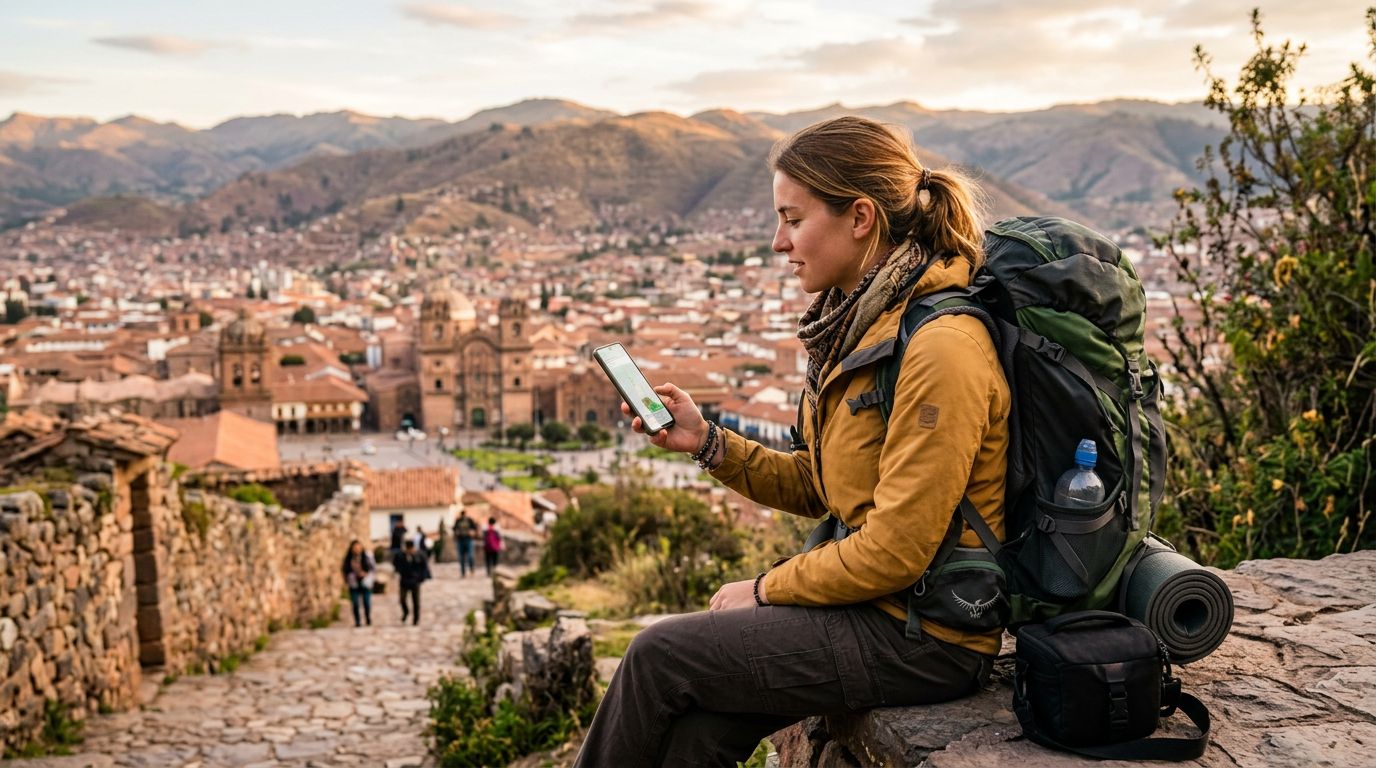
Backpacking is about freedom, spontaneity, and the thrill of the unknown. Whether you are trekking through the highlands of Southeast Asia or hopping between European hostels, the ability to access information on the fly is essential. While the spirit of travel is about disconnecting from the daily grind, having a reliable internet connection is a safety net that makes the experience smoother, safer, and more enjoyable.
The Importance of Reliable Connectivity for Backpackers
When you are miles away from home, your smartphone becomes your most valuable tool. It is your map, your translator, your guidebook, and your primary method of contacting family or local emergency services. Relying solely on public Wi-Fi networks in cafes or transit hubs is often a recipe for frustration. These networks are frequently unstable, slow, and pose significant security risks to your personal data.
Staying connected while backpacking abroad allows you to manage your itinerary in real-time. If a train is canceled or a hostel booking falls through, you need immediate access to booking platforms and maps to adjust your plans. Furthermore, having a consistent data connection ensures you can use ridesharing apps, which are often safer and more transparent than hailing local taxis in unfamiliar environments.
Beyond logistics, staying connected helps you share your journey. Whether you are uploading photos to keep friends updated or checking reviews for a hidden gem of a restaurant, a steady connection keeps you integrated with the world. It bridges the gap between the isolation of the trail and the comfort of knowing you are never truly lost.
Why eSIM Technology is the Modern Solution
For years, backpackers relied on physical SIM cards. This meant hunting for a local kiosk upon arrival, dealing with language barriers, and physically swapping out tiny, fragile cards that were easy to lose. If you were visiting multiple countries in a single trip, the process became a tedious cycle of buying and discarding cards at every border crossing.
eSIM technology has transformed this experience. An eSIM is a digital version of a physical SIM card that is embedded directly into your phone’s hardware. Because it is digital, you can download and activate a data plan before you even board your flight. As soon as you land, your phone connects to a local network, allowing you to walk out of the airport with full connectivity.
OneTapSIM offers a streamlined way to manage these connections. By removing the need to visit a physical store, you save precious time that is better spent exploring your destination. Since the eSIM is managed through your device settings, you can switch between different data profiles if you are traveling through a multi-country route. This flexibility is ideal for backpackers who prefer to keep their travel plans fluid rather than rigid.
Most modern smartphones support this technology. If you are unsure if your device is compatible, you can check the official support pages for your specific phone manufacturer, such as the resources provided by Apple or Google. Once you confirm compatibility, the setup process is typically as simple as scanning a QR code or entering a set of activation details provided by your service provider.
Practical Tips for Managing Data on the Road
Even with a reliable eSIM, data management is a skill every backpacker should master to ensure they do not run out of connectivity when they need it most. The first step is to audit your phone’s settings before you leave. Many apps are designed to refresh in the background, consuming data without you ever opening them. By disabling background app refresh for non-essential applications, you can significantly extend the life of your data package.
Another effective strategy is to download offline maps and language packs. Major mapping services allow you to save entire regions for offline use. This means you can navigate city streets or hiking trails using your phone’s GPS without needing a live data connection. Similarly, downloading offline dictionaries or translation tools ensures that you can communicate effectively even in remote areas where network coverage might be spotty.
When you are in a location with stable Wi-Fi, such as your hostel or a library, take the time to perform data-heavy tasks. This includes updating your operating system, backing up your photos to cloud storage, or downloading long-form content like podcasts and videos for your next transit leg. By front-loading these tasks, you preserve your cellular data for essential functions like navigation and communication.
Finally, consider the benefit of having a dedicated data plan for your trip. Using your home carrier’s international roaming package can be prohibitively expensive and often comes with restrictive caps. By opting for a travel-specific eSIM, you gain access to local rates and transparent usage tracking. This keeps your travel budget predictable and prevents the shock of a massive bill upon your return.
As you prepare for your next adventure, remember that technology should serve your journey, not distract from it. By setting up your connectivity in advance, you can focus on the sights, sounds, and people that make backpacking such a rewarding experience. With the right tools in your pocket, you can venture further, stay safer, and make the most of every moment on the road.
Get an eSIM for
Plans for the destinations covered in this guide, with instant QR delivery.