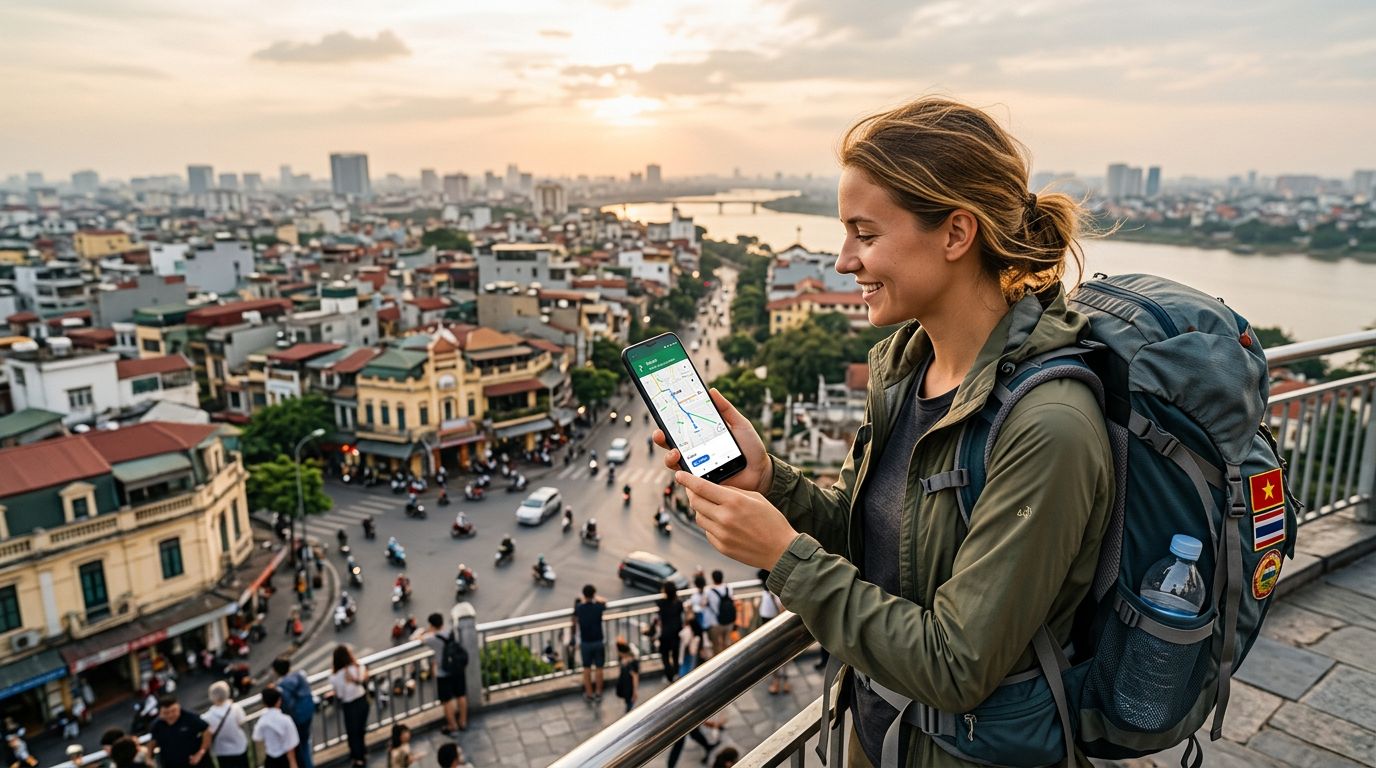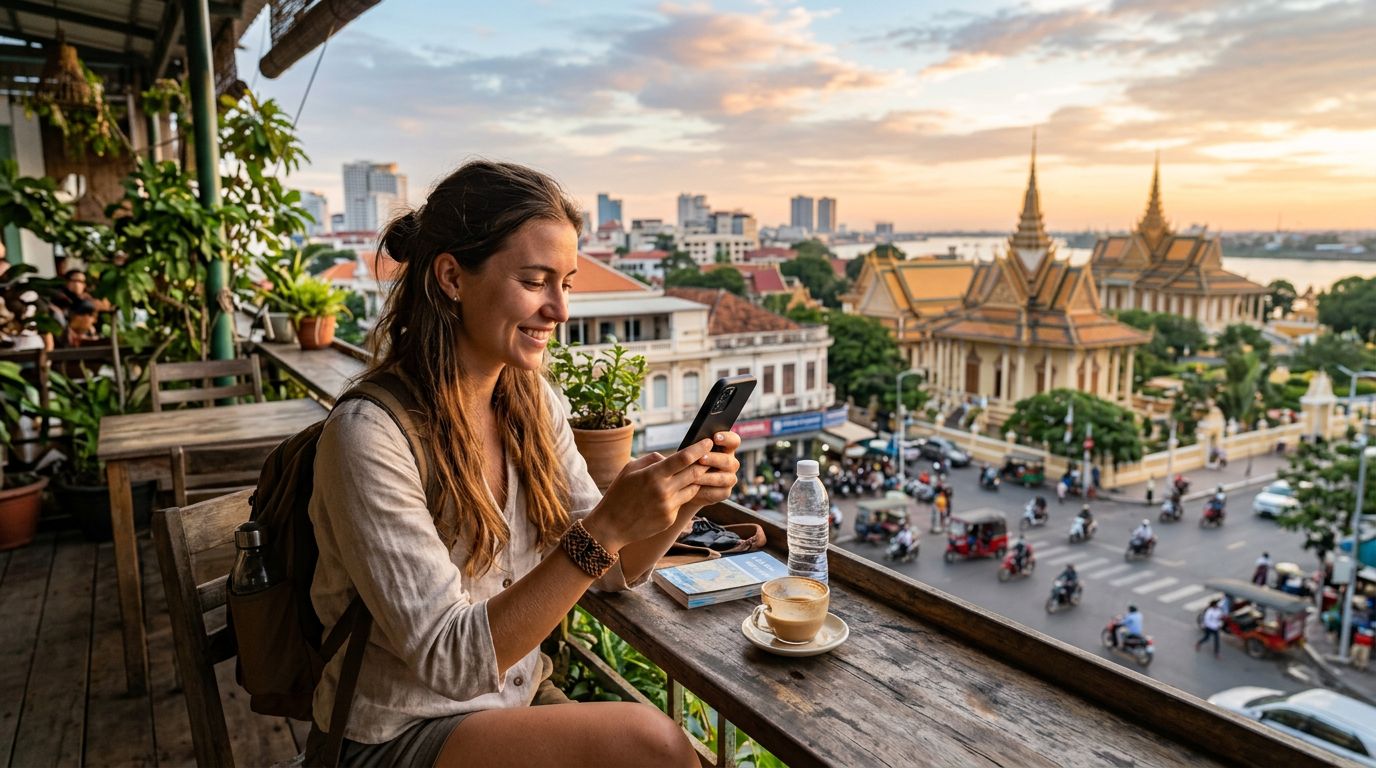
Backpacking through Cambodia is a rite of passage for many travelers. From the sunrise over the ancient spires of Angkor Wat to the bustling riverside energy of Phnom Penh and the laid-back island vibes of Koh Rong, the country offers a sensory overload that is difficult to match. However, the logistical challenge of keeping your phone functional while moving between remote temples and urban hubs is a common hurdle. Without reliable data, finding a hostel, booking a bus, or translating a Khmer menu can quickly turn an adventure into a source of stress.
Why Reliable Data is Essential for Cambodian Travel
Cambodia has evolved significantly in terms of infrastructure, but it remains a place where having a map and a translator in your pocket is vital. While many cafes and hotels offer wireless internet, relying solely on these hotspots is a recipe for frustration. Public networks are often unstable, slow, or insecure, making it difficult to manage your travel bookings or share updates with family.
When you are navigating the chaotic streets of Siem Reap or trying to find a remote guesthouse in the countryside, you need a connection that follows you. Using a local SIM card is a traditional approach, but it often involves hunting for a physical kiosk, dealing with language barriers, and potentially losing your original SIM card in the process. This is where modern eSIM technology changes the game. By using a service like OneTapSIM, you can activate your data plan before you even land at the airport, ensuring that you have a map and a ride-hailing app ready the moment you step off the plane.
Beyond convenience, safety is a primary reason to prioritize connectivity. Whether you are checking the latest weather reports, confirming your bus departure times, or using a digital translation tool to communicate with a local vendor, having a persistent data connection provides a safety net. It allows you to stay informed, pivot your plans when unexpected road closures occur, and keep your travel companions updated on your location.
Comparing Connectivity Options for Backpackers
When planning your trip, you will encounter three main ways to handle your mobile data: roaming with your home provider, buying a physical SIM card locally, or using an eSIM.
Roaming with your home carrier is frequently the most expensive option. Even if your provider offers an international plan, it is often limited in scope and can lead to unexpected charges if you go over your data limit. It is generally a method that provides peace of mind at a high premium, which rarely fits the budget-conscious lifestyle of a backpacker.
Physical local SIM cards have been the standard for years. You arrive, find a shop, show your passport, and get a small chip inserted into your phone. While this is a cost-effective way to get data, it comes with physical inconveniences. You have to manage a tiny piece of plastic that is easy to lose. Furthermore, if your phone only has one physical SIM slot, you have to choose between having your home number active for important texts or having your local data plan.
The eSIM approach, such as those provided by OneTapSIM, eliminates these physical burdens. Because the technology is embedded in your phone, you can store multiple plans simultaneously. You can keep your primary number active for receiving essential calls or two-factor authentication codes while running your data through a secondary eSIM profile. This is particularly useful in Cambodia, where you might want to switch between different regional data profiles if you are hopping across borders to Thailand or Vietnam during the same trip. Setting this up is a straightforward process that works on most modern smartphones, allowing you to bypass the airport kiosks entirely.
Practical Tips for Managing Data on the Road
Once you have your connection sorted, managing your data usage effectively will ensure you stay online for the duration of your trip without interruption. Cambodia is a visually stunning country, and it is tempting to upload high-definition videos of your travels the moment you capture them. However, uploading large files over a mobile network can drain your data allowance quickly.
To conserve your data, adjust your phone settings to prevent apps from updating automatically while on cellular data. Most modern operating systems allow you to restrict background app refresh, which stops applications from consuming data when you are not actively using them. If you are planning to spend a few days in a remote area, download your offline maps in advance. Google Maps allows you to save specific regions for offline use, which is a lifesaver when you are trekking through rural areas where signal strength might be intermittent.
Another tip for the budget-conscious backpacker is to use messaging apps that are optimized for lower data consumption. When you need to make a voice or video call, try to wait until you are in a location with a stable, secure connection, or use apps that offer data-saving modes.
Finally, keep a portable power bank in your daypack. High-speed data usage and GPS tracking are significant drains on your battery. There is nothing worse than having a perfectly functional eSIM but a dead phone. By keeping your device charged and managing your app permissions, you can ensure that your technology remains a tool that enhances your experience rather than a distraction.
Staying connected while backpacking in Cambodia is no longer about finding the best shop to buy a plastic chip. It is about preparation and leveraging technology to make your journey smoother. By choosing a flexible, digital solution like OneTapSIM, you can focus on the sights, sounds, and flavors of the Kingdom of Wonder, knowing that you are only a tap away from the information you need to keep your adventure moving forward. Whether you are exploring the intricate carvings of the jungle-clad temples or relaxing on the white sands of the southern islands, having a reliable digital companion ensures that the only thing you have to worry about is which temple to visit next.
Get an eSIM for
Plans for the destinations covered in this guide, with instant QR delivery.