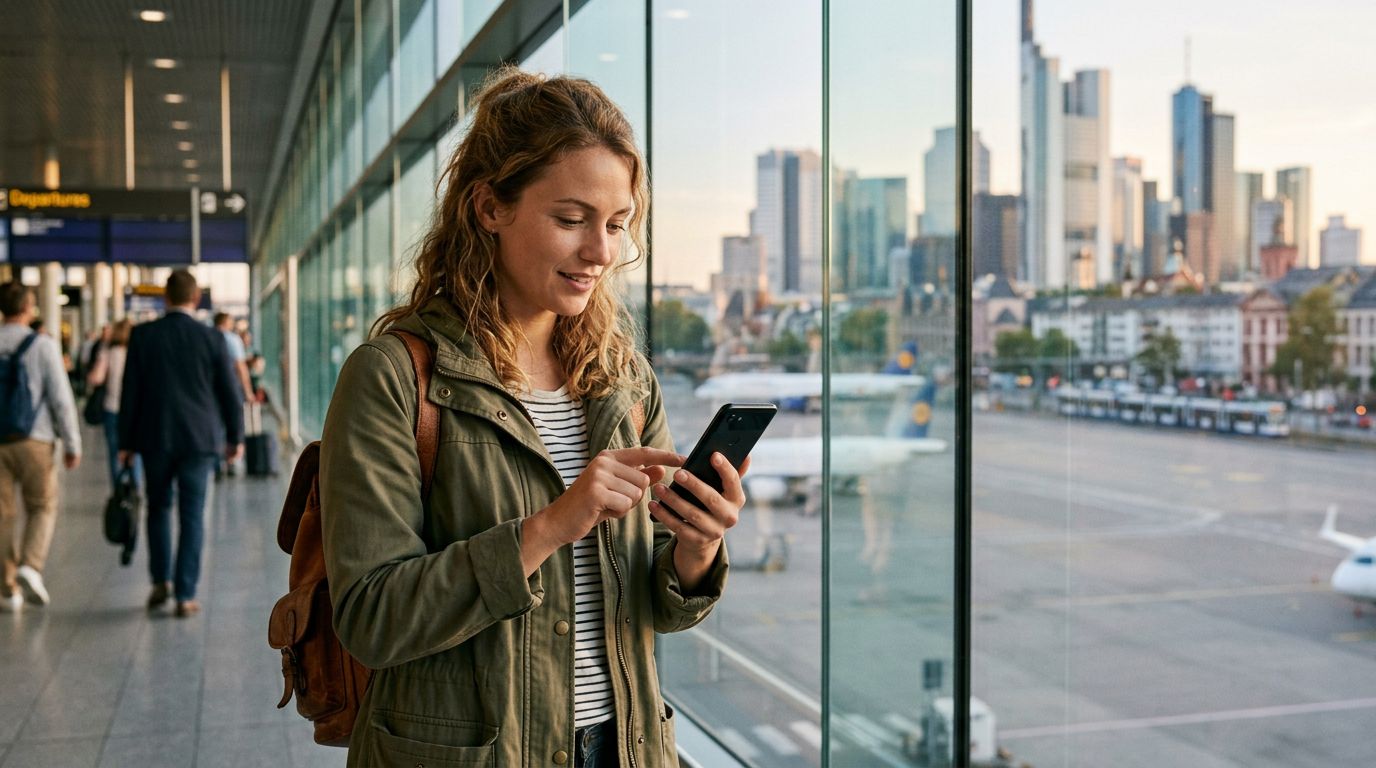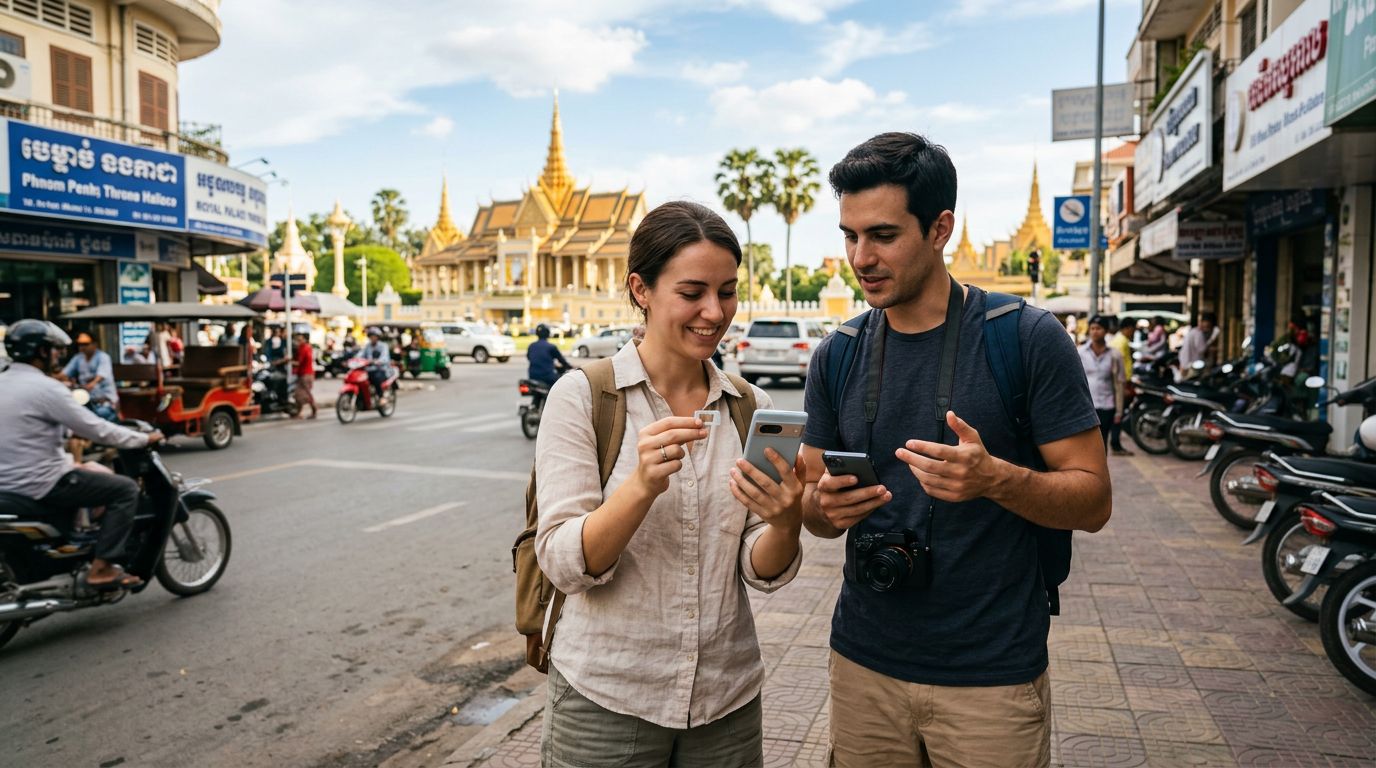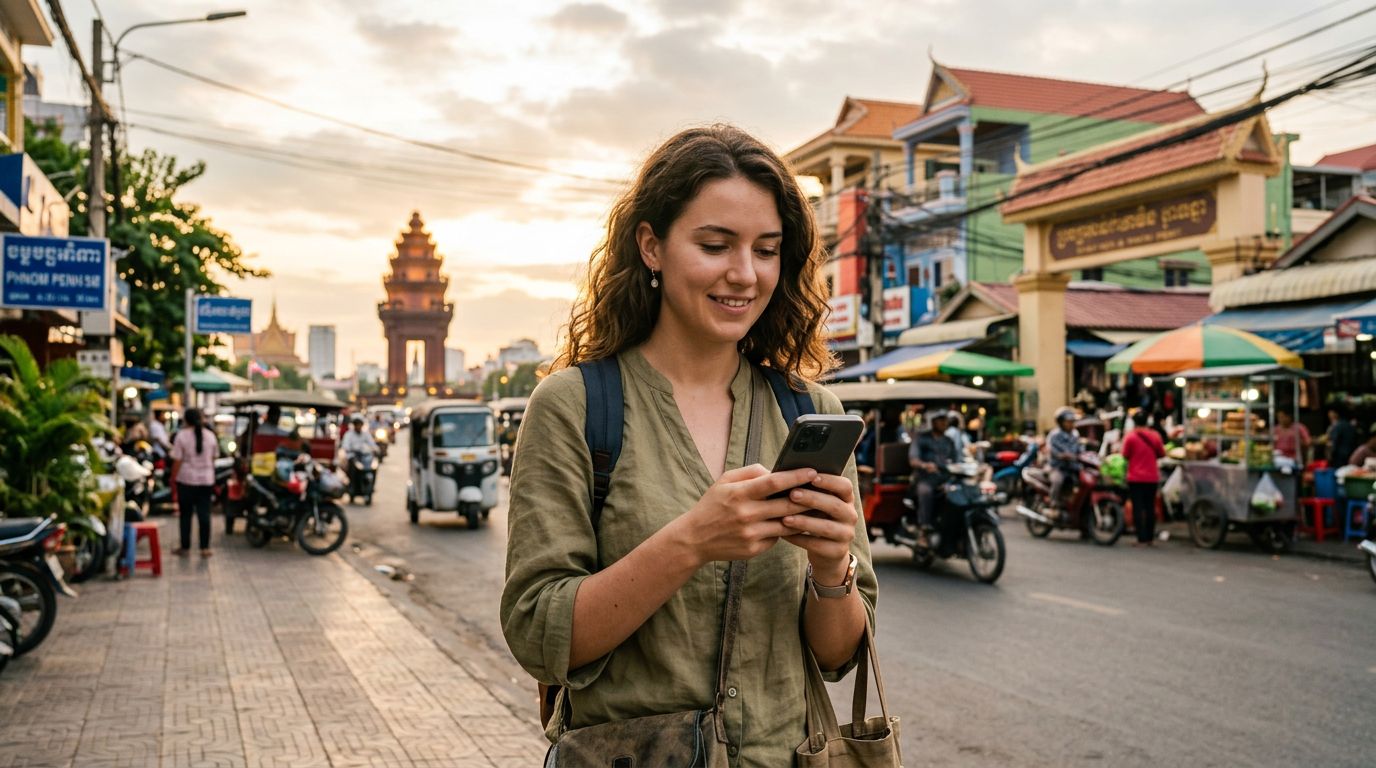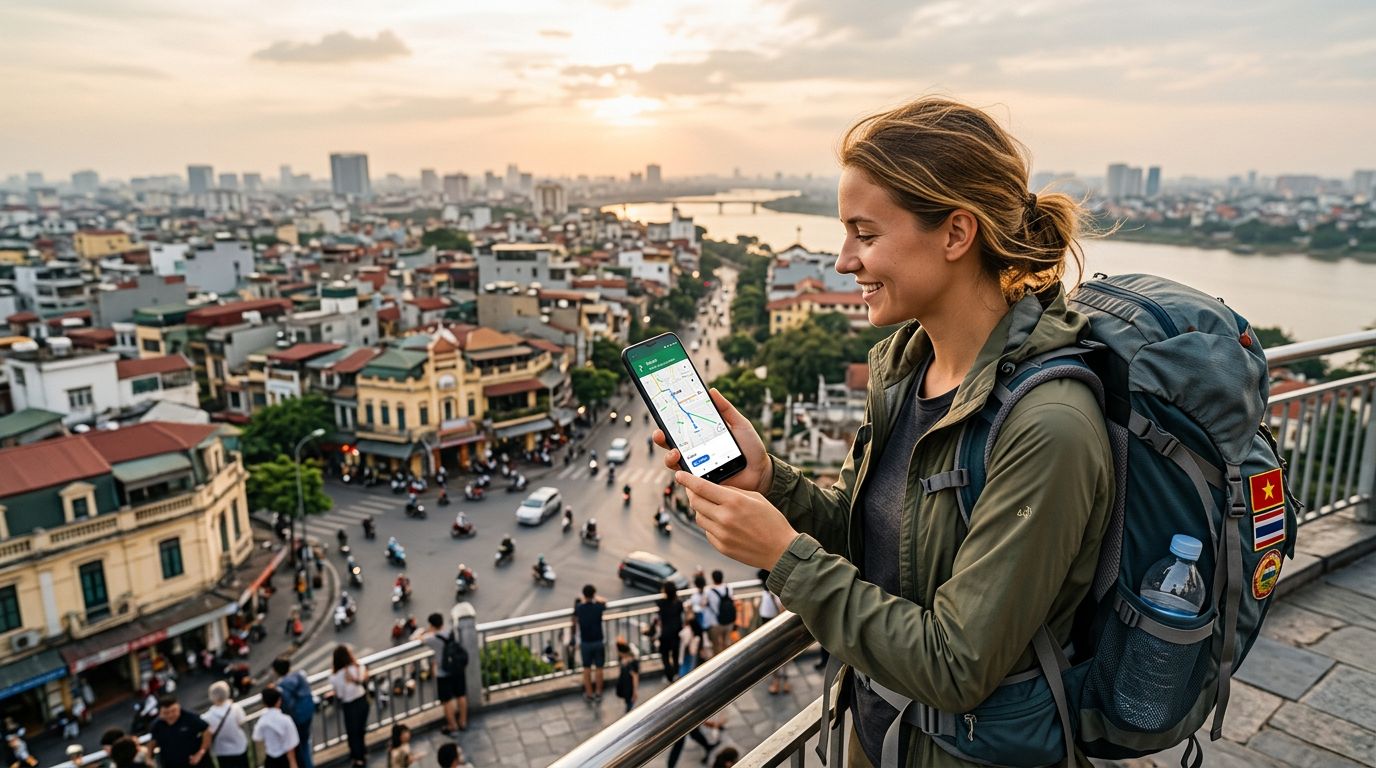
Backpacking through Asia is a dream for many travelers. Whether you are trekking through the lush jungles of Northern Thailand, exploring the neon-lit streets of Tokyo, or finding peace in the temples of Bali, the experience is transformative. However, the logistics of travel can be daunting, and one of the most common points of friction is staying connected while backpacking in Asia. Having reliable internet access is no longer just about posting photos; it is about safety, navigation, and keeping in touch with loved ones back home.
The Evolution of Connectivity for Backpackers
Years ago, staying connected meant hunting for internet cafes or relying on spotty hotel Wi-Fi that often required a local phone number to access. You might remember the days of buying physical SIM cards at every border crossing, fumbling with tiny plastic chips, and hoping your phone was unlocked. While physical SIM cards served their purpose, they are often inconvenient. You have to find a kiosk, provide your passport details, and manage the risk of losing your original SIM card while swapping them out.
Modern travel technology has shifted toward eSIMs, which are embedded digital SIM cards. Instead of a physical card, you download a profile directly to your device. This allows you to switch between networks or countries without ever touching your phone’s SIM tray. For those backpacking across multiple countries, this is a significant improvement. You can arrive in a new country and have a data connection the moment you step off the plane or cross the border.
Why eSIMs Are Essential for Your Asian Adventure
When you are moving between countries like Vietnam, Cambodia, and Laos, the last thing you want to do is spend your first few hours in a new city searching for a mobile shop. With an eSIM, you can manage your connectivity before you even leave your current location. This is where a service like OneTapSIM proves its value. By setting up your data plan in advance, you ensure that you have access to maps, ride-sharing apps, and translation tools the moment you reach your destination.
Reliability is another major factor. Backpacking often takes you off the beaten path. While major cities in Asia have excellent infrastructure, rural areas can be challenging. Using a reputable eSIM provider allows you to tap into local networks that are optimized for travelers. You avoid the high roaming fees charged by your home carrier, which can often be exorbitant and unpredictable. By choosing a dedicated travel data plan, you keep your expenses predictable and your connection stable.
Furthermore, security is a concern when traveling. Public Wi-Fi networks in hostels, cafes, and airports are notoriously insecure. Relying on your own mobile data connection is a much safer way to handle sensitive tasks like checking your bank account or booking onward travel. When you use your own private data connection, you minimize the risk of exposing your personal information to hackers lurking on open networks.
Practical Tips for Managing Your Data on the Road
To make the most of your connectivity, you need to manage your data usage effectively. Even with an unlimited or high-allowance plan, it is wise to be mindful of how your phone consumes data. Start by checking your settings to see which apps are using the most bandwidth. Background app refresh and automatic video playback are two of the biggest culprits. Turning these off while you are on mobile data can save a significant amount of capacity.
Another tip is to download offline maps. While you will have data, there may be times when you are in a remote area or a concrete building where the signal is weak. Having a map of the city or region saved on your phone ensures you never get lost, regardless of your connectivity status. Similarly, download language packs for translation apps so you can communicate even if you are temporarily offline.
It is also important to ensure your device is compatible. Most modern smartphones support eSIM technology, but it is always a good idea to verify your device settings before you depart. You can check the official documentation from your phone manufacturer to confirm that your specific model is eSIM-ready. If you are using an older device, you might need to upgrade before your trip to take advantage of these digital conveniences.
Finally, keep a power bank in your daypack. Using GPS, translation apps, and social media throughout the day will drain your battery much faster than normal. A portable charger ensures that your phone stays alive, which is critical if you are relying on it for your digital boarding passes, hotel reservations, or emergency contacts.
Staying connected while backpacking in Asia is about finding a balance. You want the freedom to explore and disconnect when you choose, but you also want the security of knowing you can reach out for help or find your way back to your accommodation when needed. By preparing your digital setup before you leave, you remove the stress of connectivity issues and allow yourself to focus on the journey. Whether you are navigating a bustling night market or finding a quiet beach, having a reliable data plan ensures that your adventure remains smooth, safe, and memorable.
Get an eSIM for
Plans for the destinations covered in this guide, with instant QR delivery.