Understanding Connectivity Challenges in Laos
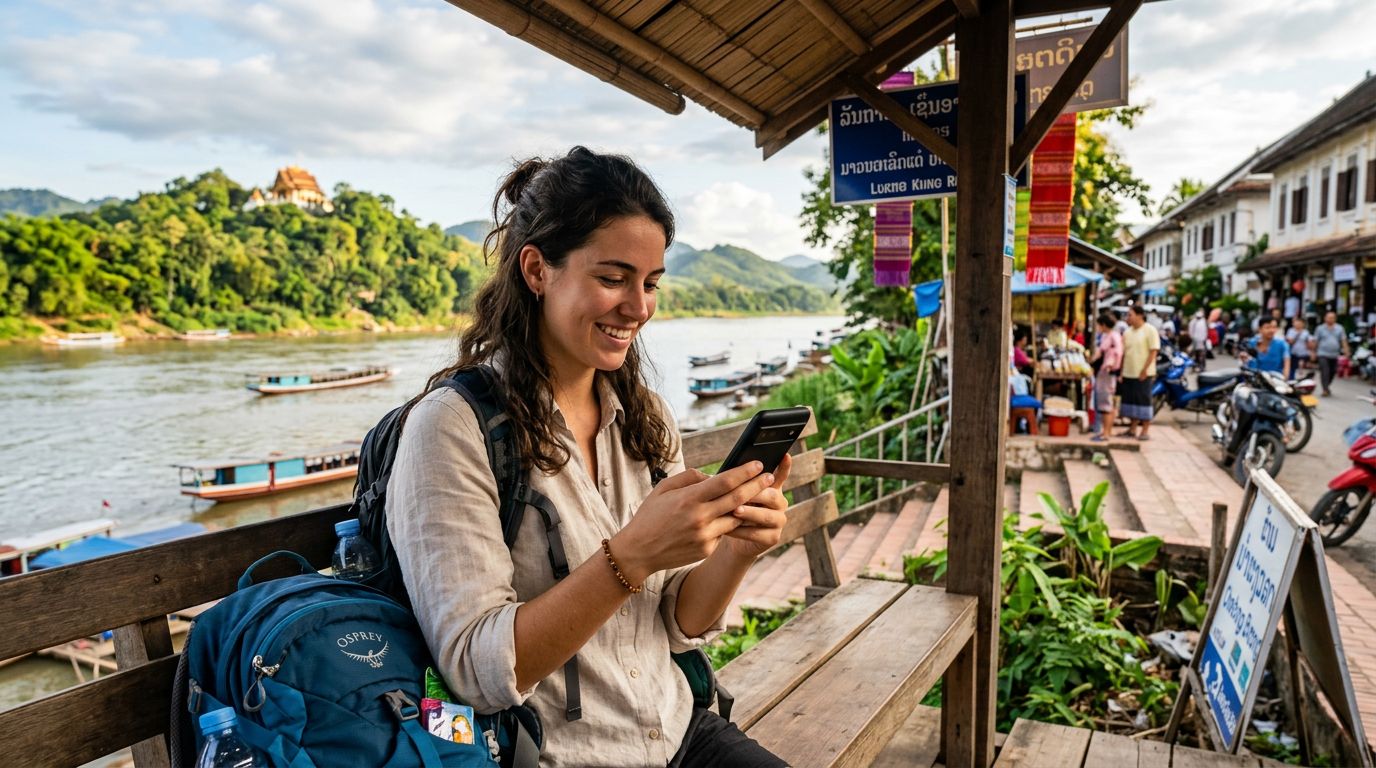
Laos is a country defined by its stunning landscapes, ranging from the misty mountains of Luang Prabang to the serene waters of the 4,000 Islands. While the pace of life here is famously slow, your need for reliable internet access remains constant. Whether you are using maps to find a hidden waterfall, translating menus in a local market, or uploading photos of the Kuang Si Falls to social media, staying connected is essential for a smooth trip.
Travelers often find that the infrastructure in Laos can be unpredictable. While major cities like Vientiane and Luang Prabang have decent network coverage, the rural areas and mountainous regions present more significant challenges. Relying solely on hotel Wi-Fi is rarely a viable strategy, as connections can be intermittent or restricted to lobby areas. Furthermore, public Wi-Fi networks in cafes and hostels are often unencrypted, leaving your personal data vulnerable to security risks.
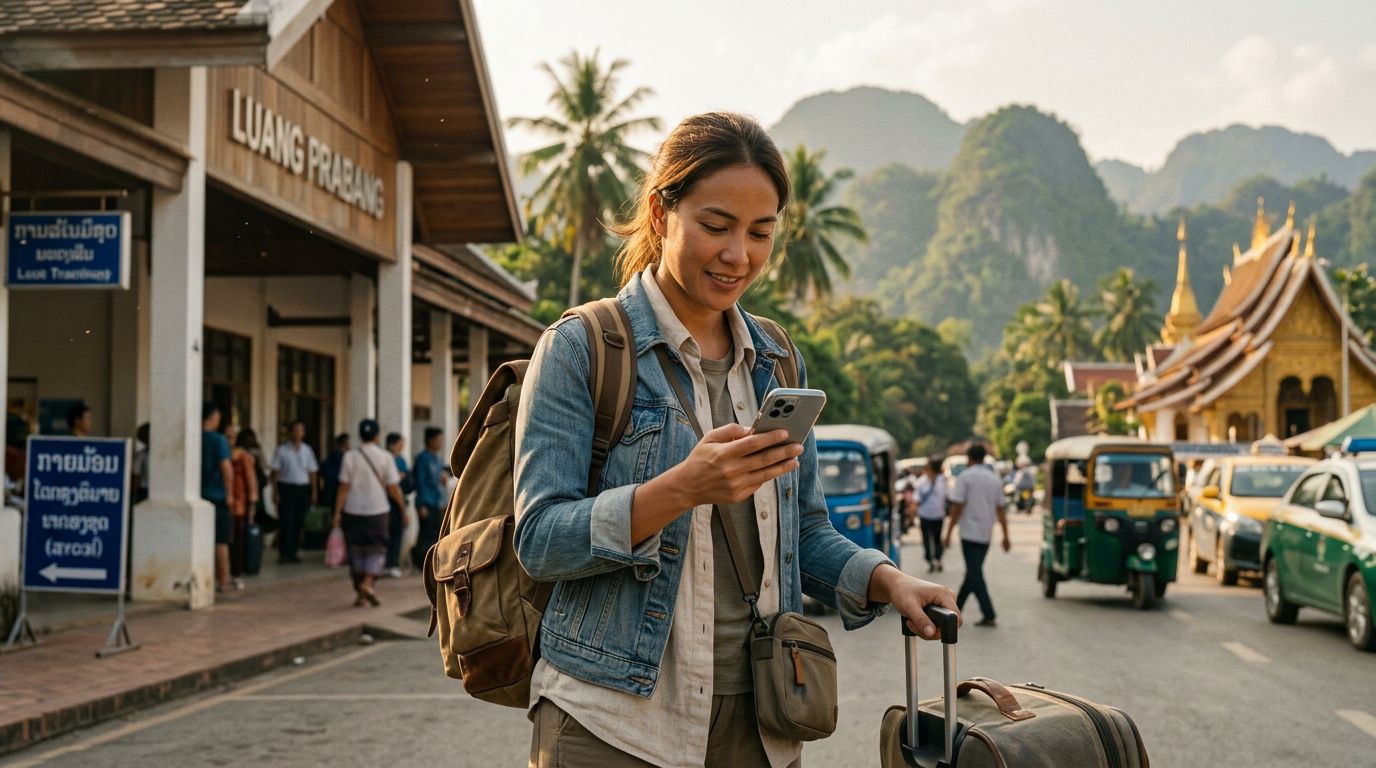
Finding the best way to get data in Laos requires balancing convenience, reliability, and cost-effectiveness. Many tourists arrive at the airport and immediately look for physical SIM card kiosks. While this is a traditional approach, it often involves long queues, language barriers, and the tedious process of swapping out your home SIM card, which carries the risk of loss or damage. Modern travelers are increasingly shifting toward eSIM technology to bypass these physical hurdles entirely.
The Advantages of Using an eSIM for Your Laotian Adventure
An eSIM, or embedded SIM, is a digital version of the traditional plastic card that has been a staple of mobile phones for decades. Because the technology is built directly into the hardware of modern smartphones, you do not need to physically insert or remove anything. This makes it the most efficient way to manage your mobile data while traveling across borders.
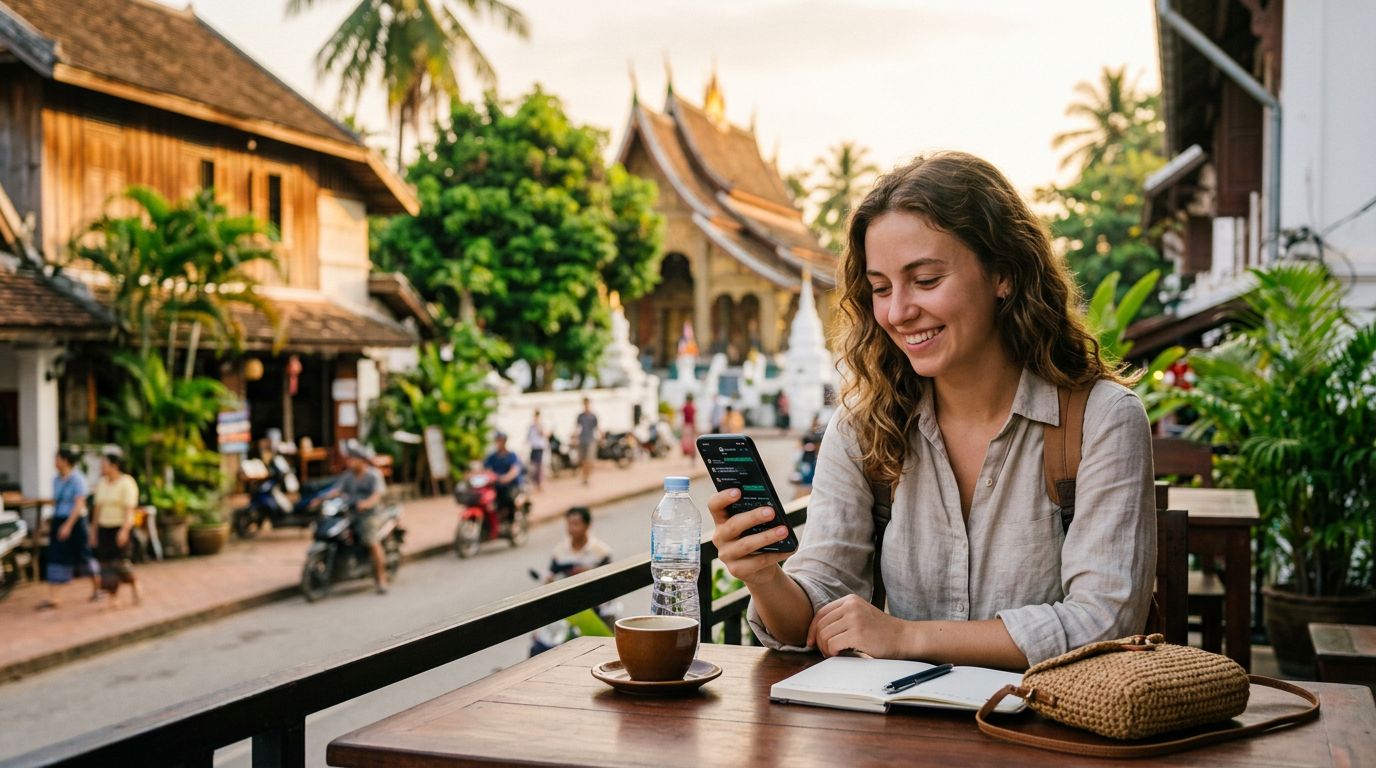
One of the primary benefits of using an eSIM is the ability to maintain your home phone number for calls and text messages while using a separate data plan for your internet needs. With a device that supports dual-SIM functionality, you can keep your primary line active for essential contacts while directing all your data traffic through your travel plan. This ensures you never miss an important notification while you are out exploring the streets of Vang Vieng.
The setup process is remarkably straightforward. By choosing a provider like OneTapSIM, you can secure your data plan before you even board your flight. Once you arrive in Laos, your device will automatically connect to the local network, allowing you to access maps and ride-hailing apps the moment you step off the plane. This eliminates the frantic search for a local shop or a reliable Wi-Fi signal upon arrival.
Furthermore, eSIMs are significantly better for the environment. By eliminating the need for plastic cards, packaging, and the logistics of shipping physical goods, you reduce your travel footprint. The digital nature of the service also means you can manage your data usage, top up your plan, or switch between different regions directly from your phone settings. It is a seamless integration that allows you to focus on the scenery rather than the logistics of your mobile connection.
Tips for Managing Data and Staying Connected on the Go
Once you have secured your data plan, managing your usage effectively will ensure you stay connected throughout your entire trip. Laos is a country where you will likely spend much of your time outdoors, so optimizing your phone settings is a smart move.
First, consider adjusting your background app refresh settings. Many applications on your smartphone automatically update in the background, consuming data without you realizing it. By restricting these updates to Wi-Fi only or turning them off entirely for non-essential apps, you can significantly extend the longevity of your data package. Additionally, downloading offline maps is a highly recommended practice. Whether you are using navigation apps or exploring remote trekking routes, having map data stored locally on your device ensures you can find your way even if you wander into a dead zone.
Another tip is to monitor your cloud storage synchronization. Applications that automatically upload photos and videos to the cloud can drain your data allowance in minutes. Configure your settings so that high-resolution media backups only occur when you are connected to a stable Wi-Fi network at your accommodation. This simple change helps you preserve your mobile data for tasks that require immediate connectivity, such as checking transportation schedules or researching local attractions.
If you find yourself in a particularly remote area, remember that signal strength can fluctuate based on topography. If you are in a deep valley or a dense forest, you might experience temporary drops in connectivity. If you find your signal is weak, try moving to higher ground or a more open area. Often, simply stepping outside of a concrete building can improve your reception significantly.
Ultimately, the best way to get data in Laos is to prioritize a solution that offers flexibility and ease of use. By opting for a digital solution, you gain the freedom to move through the country without the constant worry of losing your physical SIM or dealing with local service providers in a language you may not speak. With your digital connection established, you can spend less time troubleshooting your phone and more time enjoying the tranquil beauty of the Mekong, the vibrant night markets, and the rich cultural heritage that makes Laos such an unforgettable destination. Whether you are a solo backpacker or traveling with a group, having a reliable data connection is the key to unlocking a stress-free and enriching experience in Southeast Asia.