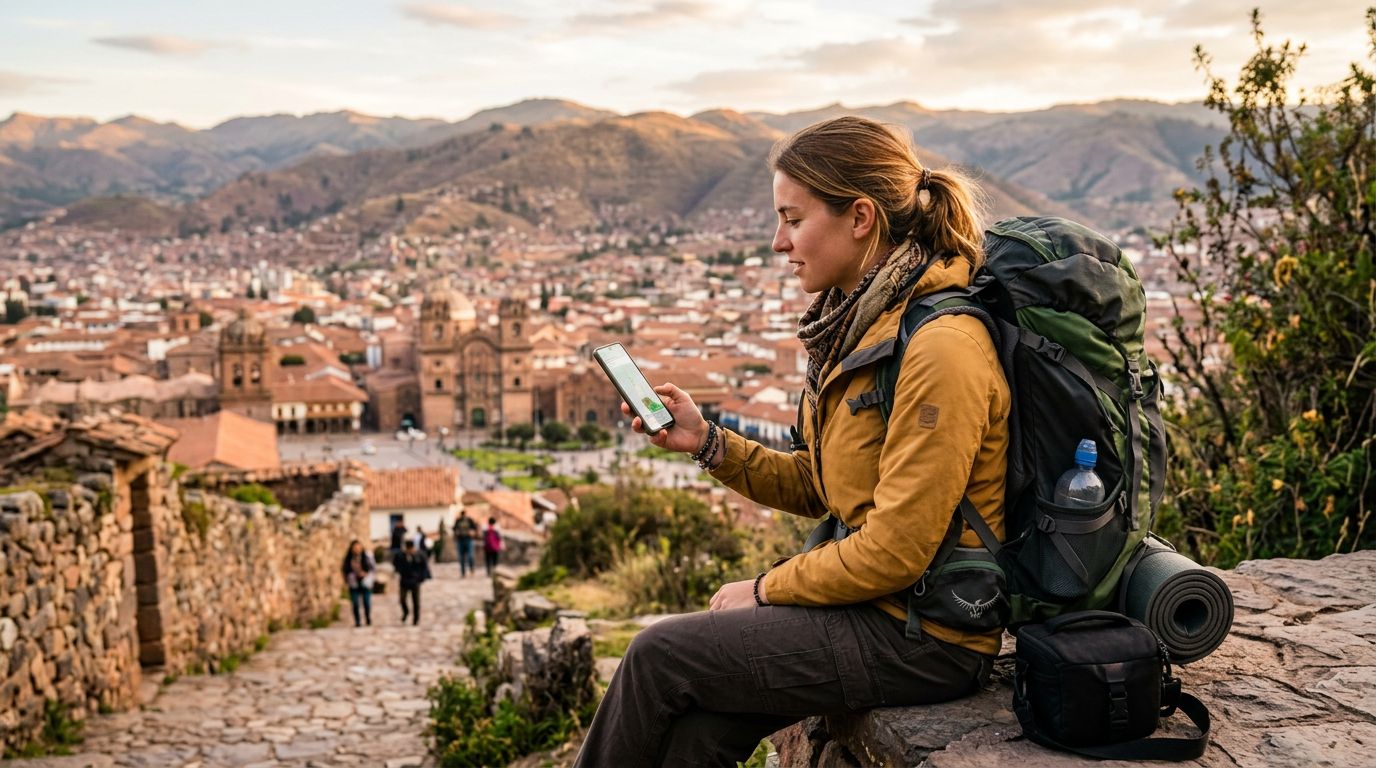
Backpacking is the ultimate exercise in freedom. It is the art of carrying your life on your back, moving from city to city, and embracing the spontaneity of the open road. Yet, the romantic ideal of being completely off the grid can quickly turn into a logistical nightmare when you are trying to locate a hostel after dark, translate a train schedule, or coordinate a meeting with new friends. Staying connected while backpacking abroad is no longer just about convenience; it is a vital component of safety and efficiency.
The days of hunting for physical SIM card kiosks in crowded airports or relying solely on spotty hostel Wi-Fi are fading. Modern technology has shifted toward more flexible, digital solutions that allow travelers to maintain a reliable data connection without the hassle of swapping tiny plastic chips or worrying about losing their home SIM card.
The Evolution of Travel Connectivity
For decades, the standard procedure for international travelers involved landing in a new country, finding a local mobile provider, and purchasing a prepaid SIM card. While this method is time-tested, it comes with significant friction. You often have to deal with language barriers at the service desk, wait in long queues, and ensure your phone is physically unlocked to accept foreign cards. Furthermore, the risk of losing your original home SIM card while juggling multiple tiny pieces of plastic is a constant source of anxiety for many backpackers.
The rise of eSIM technology has changed the landscape entirely. An eSIM, or embedded SIM, is a digital version of a traditional SIM card. It is built directly into the hardware of modern smartphones. Because it is software-based, you can activate a cellular plan remotely, often before you even board your flight. This means that as soon as your plane touches down, your device registers with the local network, and you are ready to go.
This shift is particularly transformative for backpackers who cross borders frequently. Instead of visiting a physical store in every new country, you can manage your connectivity from a single interface. Services like OneTapSIM allow you to select and activate coverage for specific regions or individual countries with minimal effort. By removing the physical barriers to connectivity, you can spend less time managing your logistics and more time exploring the destinations themselves.
Why Reliable Data is Essential for Backpackers
Beyond the obvious benefit of keeping in touch with family, a steady data connection acts as a digital safety net. When you are backpacking, your phone serves as your map, your translator, your guidebook, and your emergency contact device.
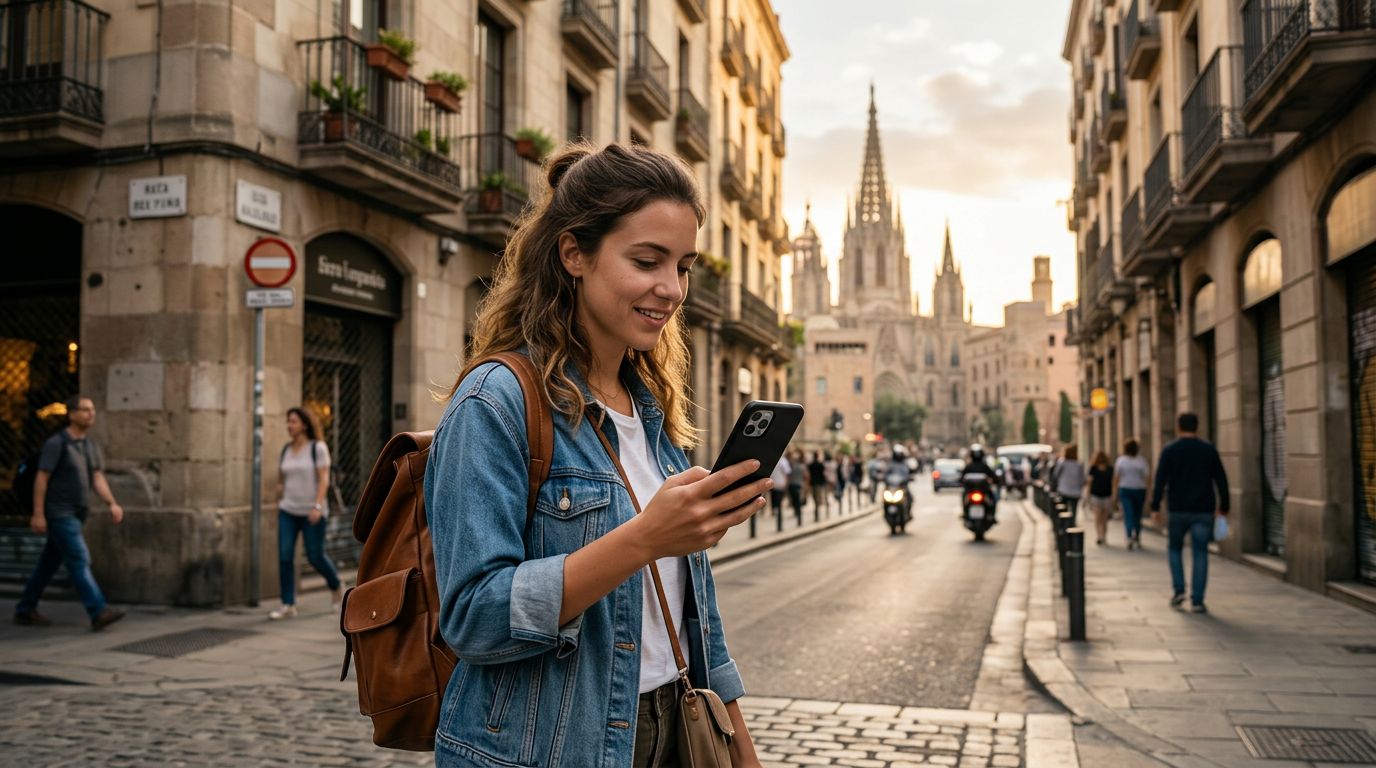
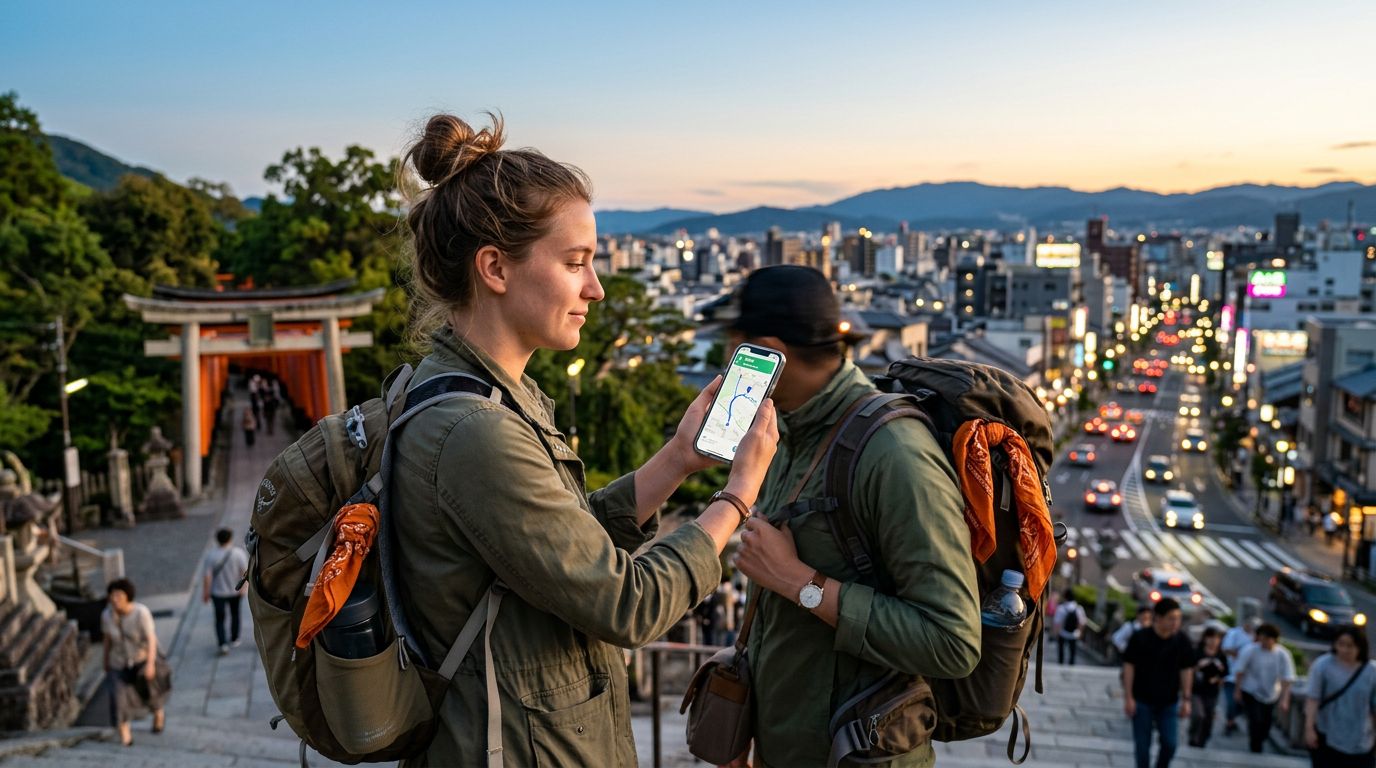
Navigation is perhaps the most critical use case. Whether you are walking through the narrow, winding alleys of a historic European city or trying to find a remote bus station in Southeast Asia, digital maps are indispensable. Having the ability to load real-time traffic data, check public transit schedules, and pin your hostel location ensures that you spend less time lost and more time enjoying the journey.
Language barriers are another hurdle that data connectivity helps overcome. Real-time translation apps are incredibly powerful, but they require internet access to function at their best. Being able to translate a menu, ask for directions, or communicate with a local host can turn a potentially stressful situation into a smooth interaction.
Safety is the final, and most important, factor. Having a reliable connection means you can access local emergency services, reach out to your embassy if necessary, and keep your travel companions updated on your location. It also allows you to manage your finances securely. Many banking apps require two-factor authentication via SMS or push notifications, which are much easier to receive when you have a stable, active data plan on your primary device. By using an eSIM, you keep your home number active for those critical security codes while dedicating your secondary eSIM slot to data-heavy travel tasks.
Strategies for Managing Your Digital Footprint
While connectivity is vital, it is important to manage your data usage wisely to ensure you do not run out of service at an inopportune moment. Backpacking often takes you into areas where signal strength can fluctuate, so being proactive is key.
Start by optimizing your phone settings. Many apps are designed to run in the background, consuming data even when you are not actively using them. Disable background app refresh for non-essential services and ensure that automatic software updates are set to occur only over Wi-Fi. This simple step can save significant amounts of data, allowing your plan to last throughout your trip.
Offline capabilities are your best friend. Before heading out for the day, download maps for the area you are visiting. Most major mapping platforms allow you to save large regions for offline use. Similarly, download language packs for translation apps and save important documents—such as hostel bookings, train tickets, and travel insurance information—as PDFs that can be accessed without an active signal.
When choosing a data plan, consider your travel style. If you are moving through several countries in a short period, a regional eSIM plan is often more cost-effective and convenient than purchasing individual plans for each country. OneTapSIM offers various options that allow you to cover entire regions, which is ideal for backpackers on a multi-country tour. This approach eliminates the need to constantly reconfigure your settings or worry about where your next data allowance will come from.
Finally, remember that the goal of staying connected is to enhance your experience, not to replace it. Use your phone as a tool to facilitate your adventures—to find the best local street food, to learn the history of a landmark, or to coordinate a meeting with fellow travelers. By setting up your digital infrastructure before you leave home, you create a foundation of reliability that allows you to step off the plane with confidence. Whether you are navigating a bustling metropolis or trekking through a quiet village, having a seamless connection ensures that you remain in control of your journey, leaving you free to focus on the memories you are creating along the way.
Get an eSIM for
Plans for the destinations covered in this guide, with instant QR delivery.