Why Reliable Connectivity Matters in Nicaragua
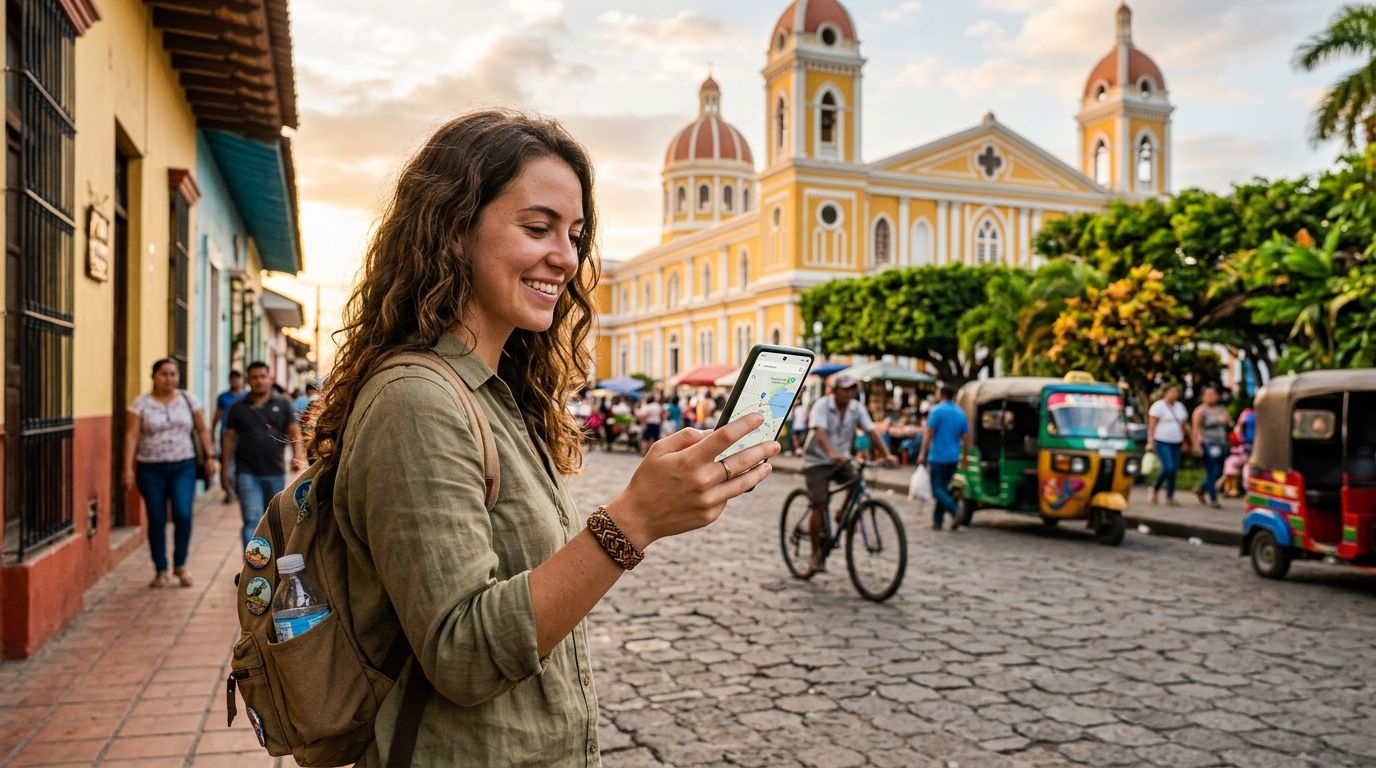
Nicaragua is a land of dramatic landscapes, from the towering volcanic peaks of Ometepe to the pristine, surf-drenched beaches of San Juan del Sur. For backpackers, the allure lies in the raw, untamed nature of the country. However, this rugged beauty often comes with challenges regarding infrastructure. Whether you are trying to coordinate a shuttle to León, checking the latest weather reports for a hike up Telica, or simply trying to share a photo of a sunset with family back home, having a dependable internet connection is essential.
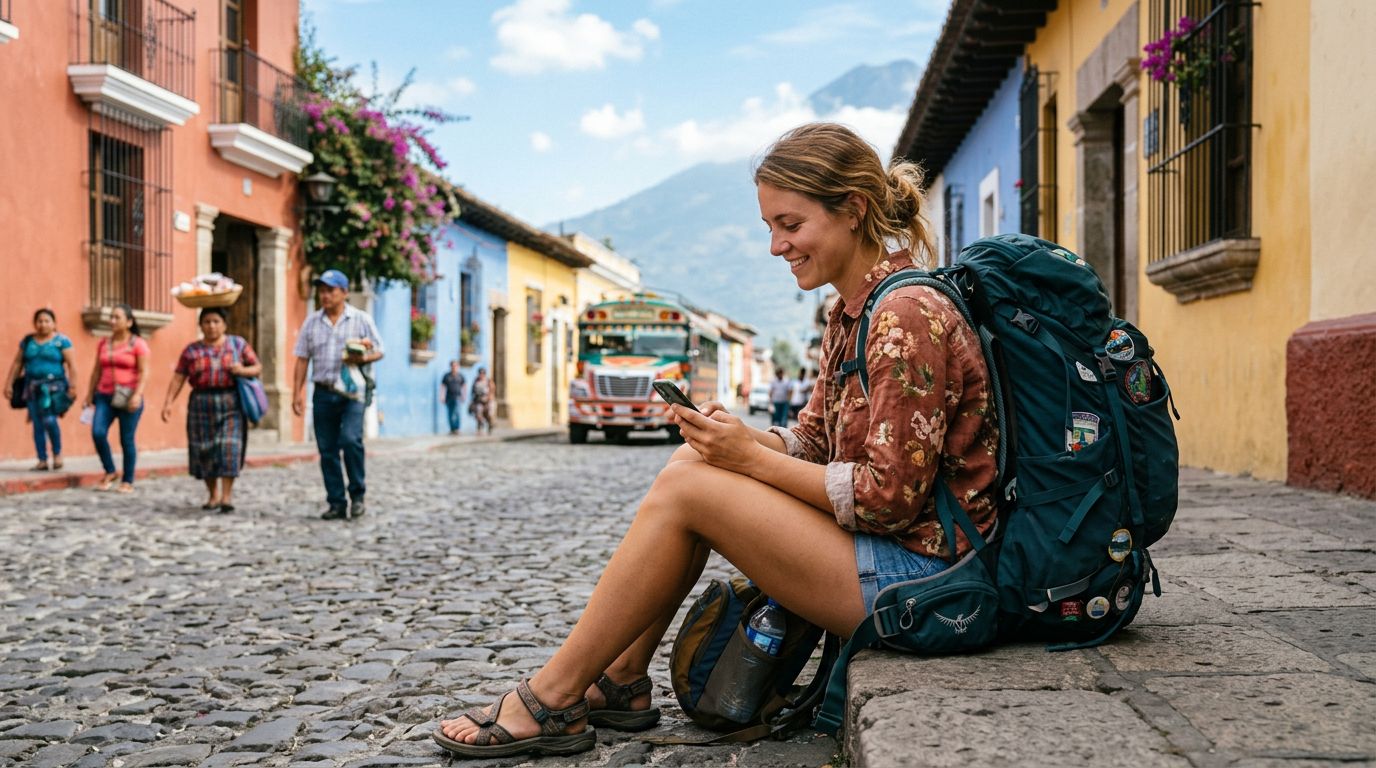
Many travelers underestimate the importance of connectivity until they find themselves stranded at a bus station or unable to pull up a map in a remote colonial town. While some hostels offer Wi-Fi, these networks are notoriously unreliable, often dropping out during power fluctuations or becoming unusable when too many guests log on at once. Relying solely on public hotspots can leave you vulnerable, especially when you need to book last-minute transport or access travel documents stored in the cloud.
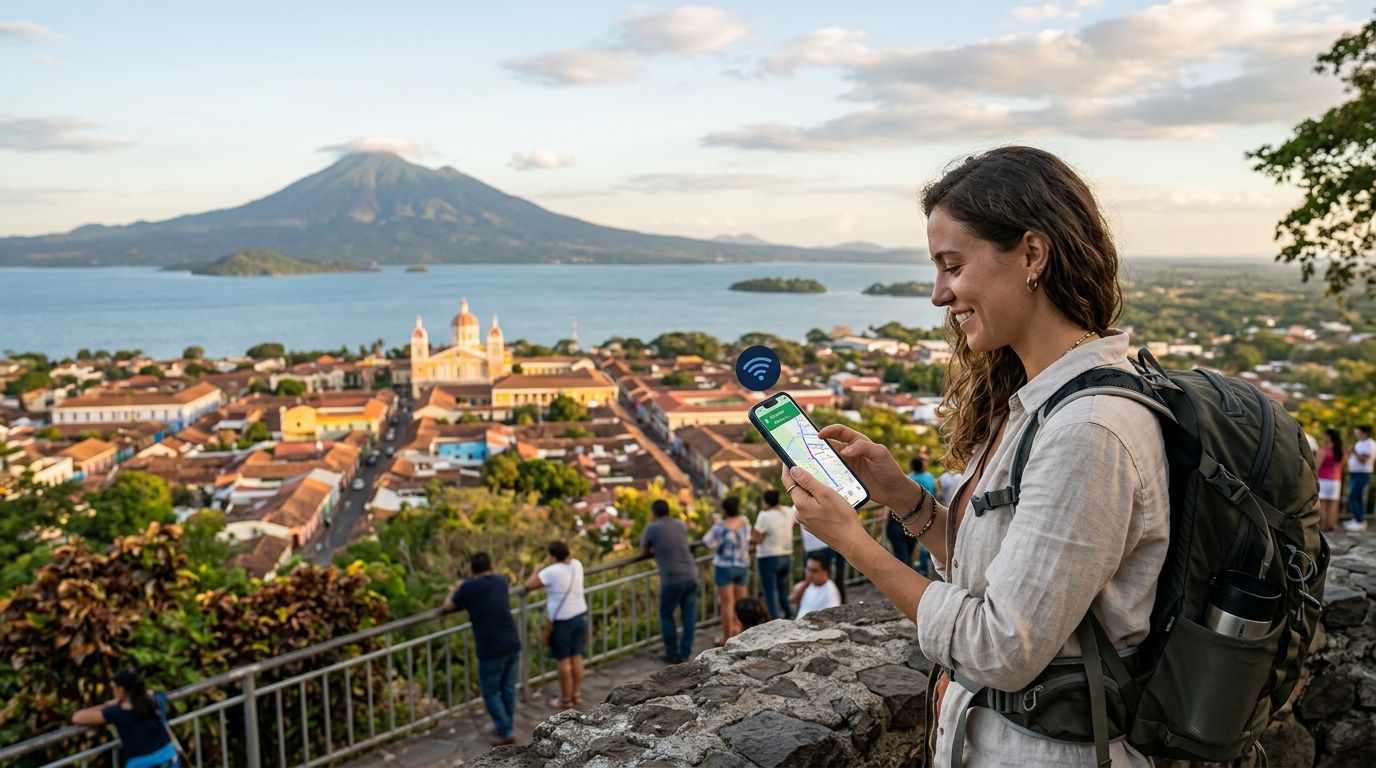
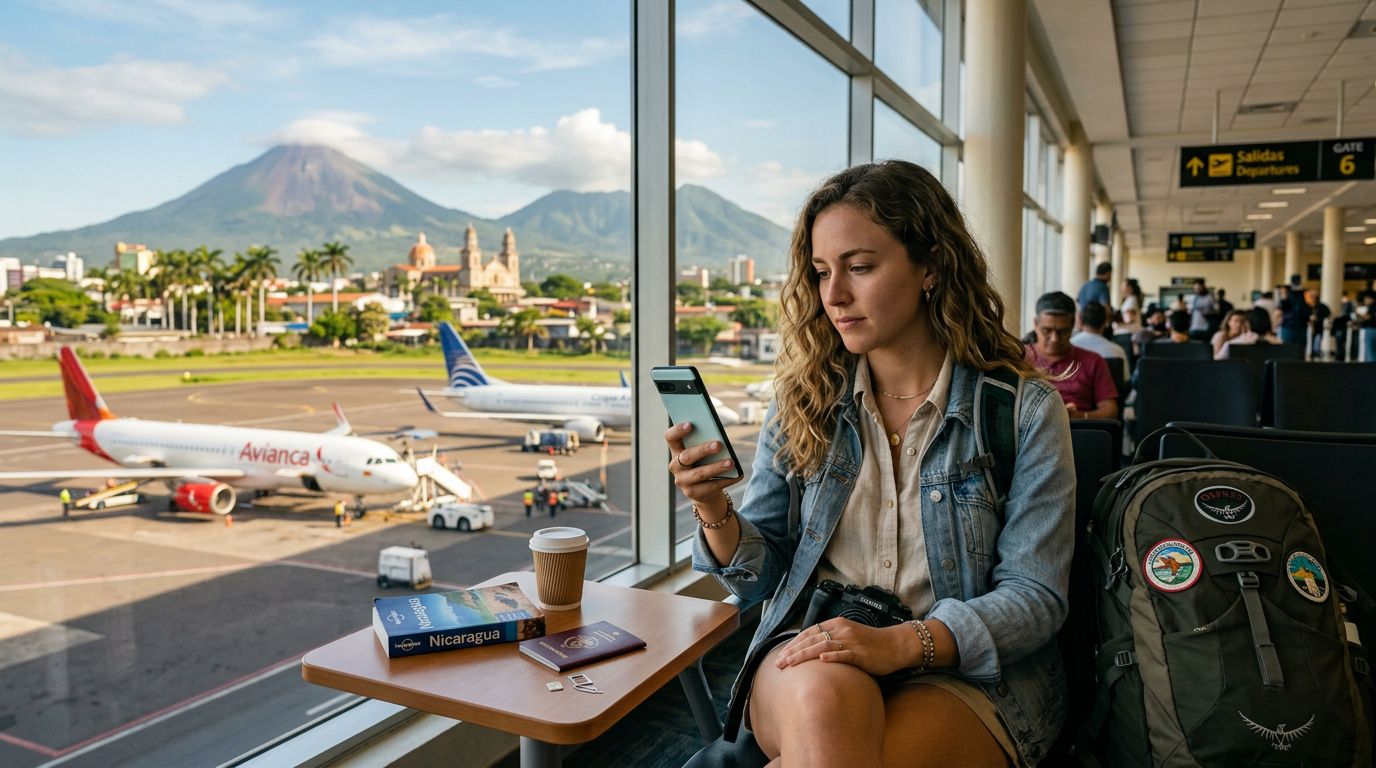
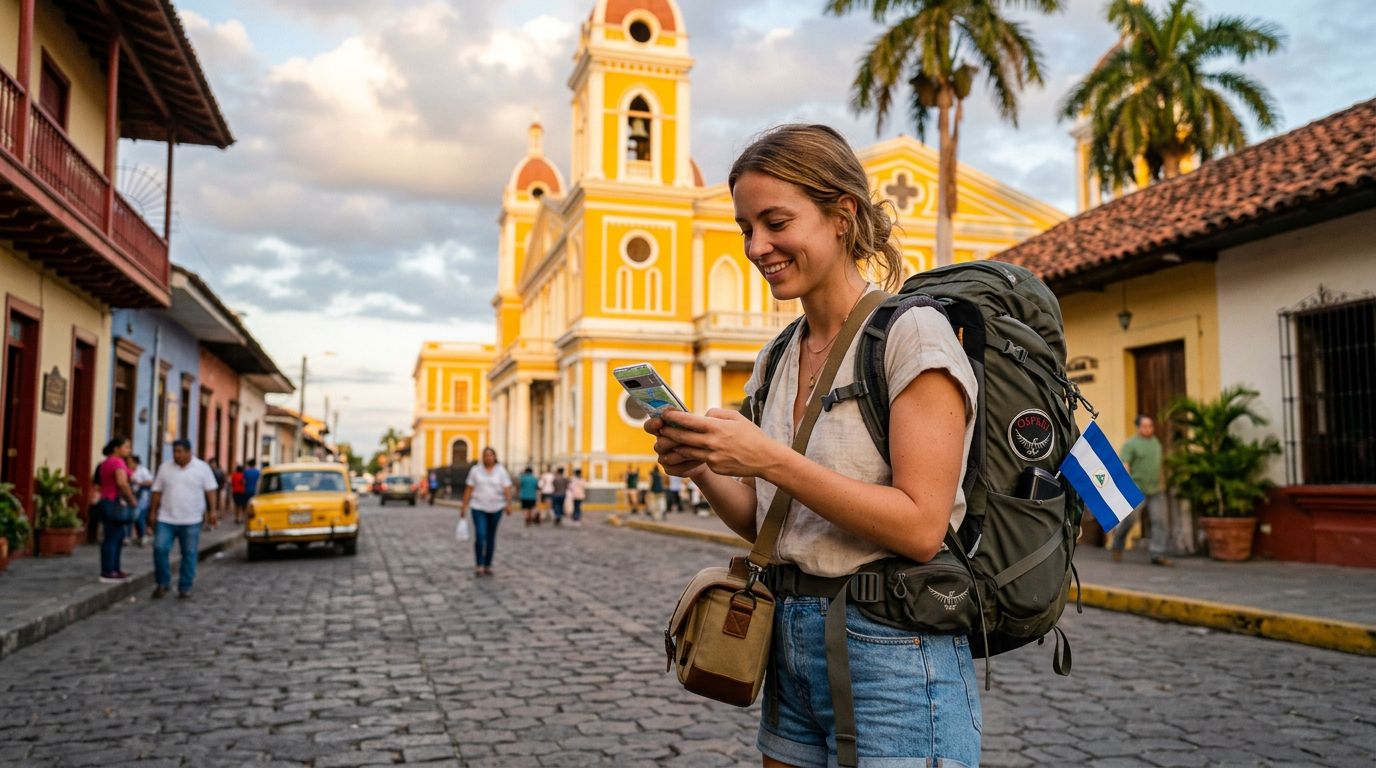
Staying connected while backpacking in Nicaragua requires a proactive approach. By securing a reliable data source before you even touch down at the airport in Managua, you ensure that your focus remains on the adventure rather than searching for a functioning signal. A consistent connection allows you to use GPS navigation for off-the-beaten-path trails, translate local phrases, and maintain contact with your support network, providing peace of mind as you move through unfamiliar territory.
The Evolution of Travel Connectivity: Why eSIMs Are the Backpacking Standard
In the past, backpackers arriving in a new country would spend their first few hours hunting for a local kiosk to purchase a physical SIM card. This process often involved language barriers, long queues, and the tedious task of swapping out your original SIM card—which you then had to keep track of to avoid losing it. If you were traveling through multiple countries, this became a recurring, time-consuming chore.
The emergence of eSIM technology has simplified this experience significantly. An eSIM is a digital version of a physical SIM card that is embedded directly into your smartphone. Because it is software-based, you do not need to physically open your phone or handle tiny plastic chips. You can manage your connectivity settings through your device’s menu, making it an ideal solution for those who prioritize efficiency and security.
OneTapSIM offers a streamlined way to manage your mobile data needs. By utilizing an eSIM, you can activate your data plan before you arrive in Nicaragua, meaning you have access to maps and messaging apps the moment your plane lands. This eliminates the stress of searching for a local shop or dealing with roaming charges from your home carrier. Because the eSIM is digital, your physical SIM card stays safely inside your phone, reducing the risk of loss or damage. Most modern smartphones are compatible with this technology, and the setup process is straightforward, allowing you to transition seamlessly from your home network to a local data environment.
Practical Tips for Staying Connected Across Nicaragua
Nicaragua is geographically diverse, and signal strength can vary depending on your location. While major cities like Managua, Granada, and León generally have robust cellular coverage, the signal can become intermittent in more isolated regions, such as the northern highlands or the remote Caribbean coast. Understanding how to manage your data usage will help you maintain a connection even when the network is stretched thin.
First, prioritize your data usage. Use offline maps whenever possible, downloading the regions you plan to visit while you are connected to a stable Wi-Fi network. This saves your cellular data for essential tasks like real-time communication or urgent travel updates. If you are using an eSIM, you can often monitor your data consumption through your phone’s settings, ensuring you do not run out of data unexpectedly.
Second, be mindful of background activity. Many apps consume data in the background, syncing photos or updating software without your explicit permission. Adjusting your phone’s settings to restrict background data usage for non-essential apps will help your data plan last longer. If you find yourself in an area with a weak signal, try switching your phone to a lower network mode, such as 3G or LTE, which can sometimes provide a more stable connection than a struggling 5G signal.
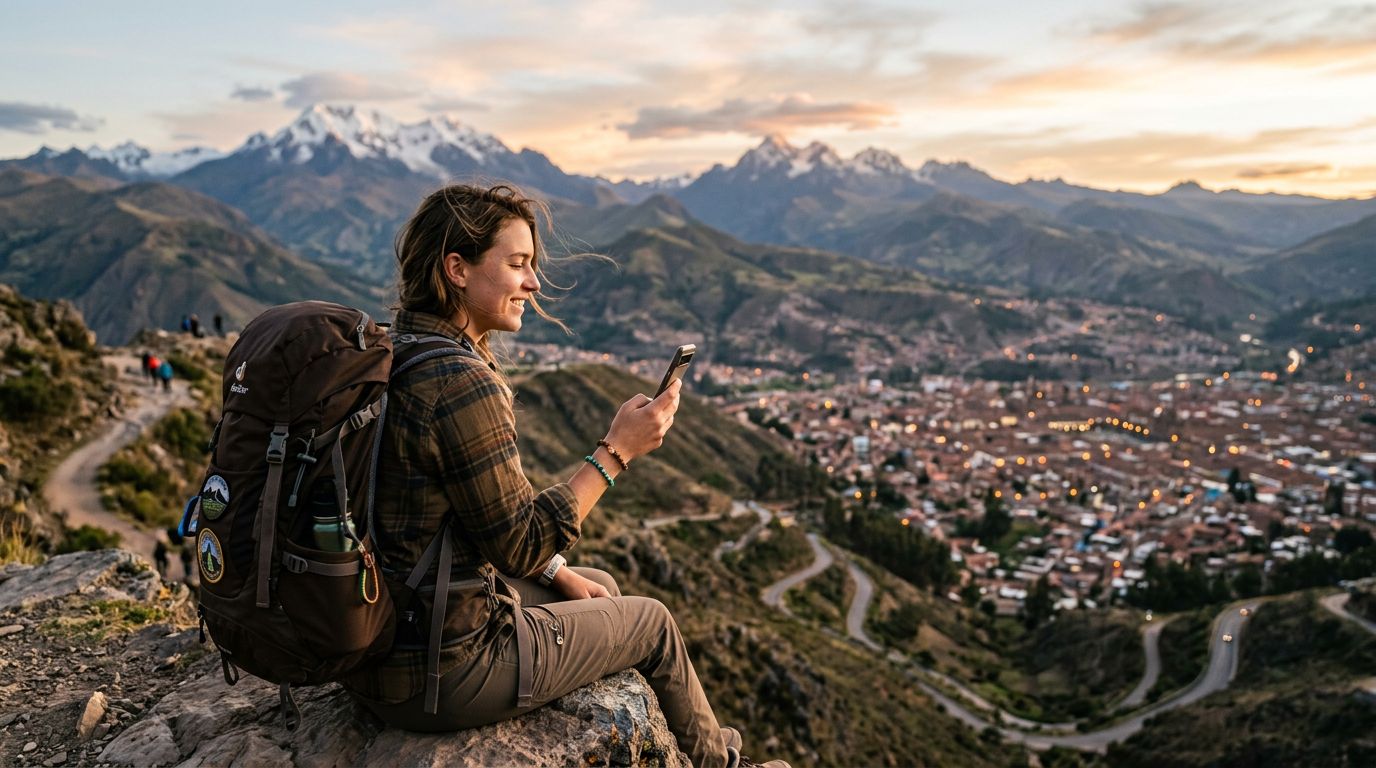
Finally, keep a portable power bank in your daypack. Searching for a signal consumes more battery power than usual, especially in remote areas where your phone is constantly scanning for a connection. Keeping your device charged ensures that you are never left without access to your digital tools when you need them most. By combining the convenience of an eSIM with smart data management habits, you can enjoy the freedom of backpacking through Nicaragua without the anxiety of being disconnected. Whether you are trekking through a cloud forest or relaxing on a quiet beach, having the right tools at your disposal makes the journey smoother and more enjoyable.