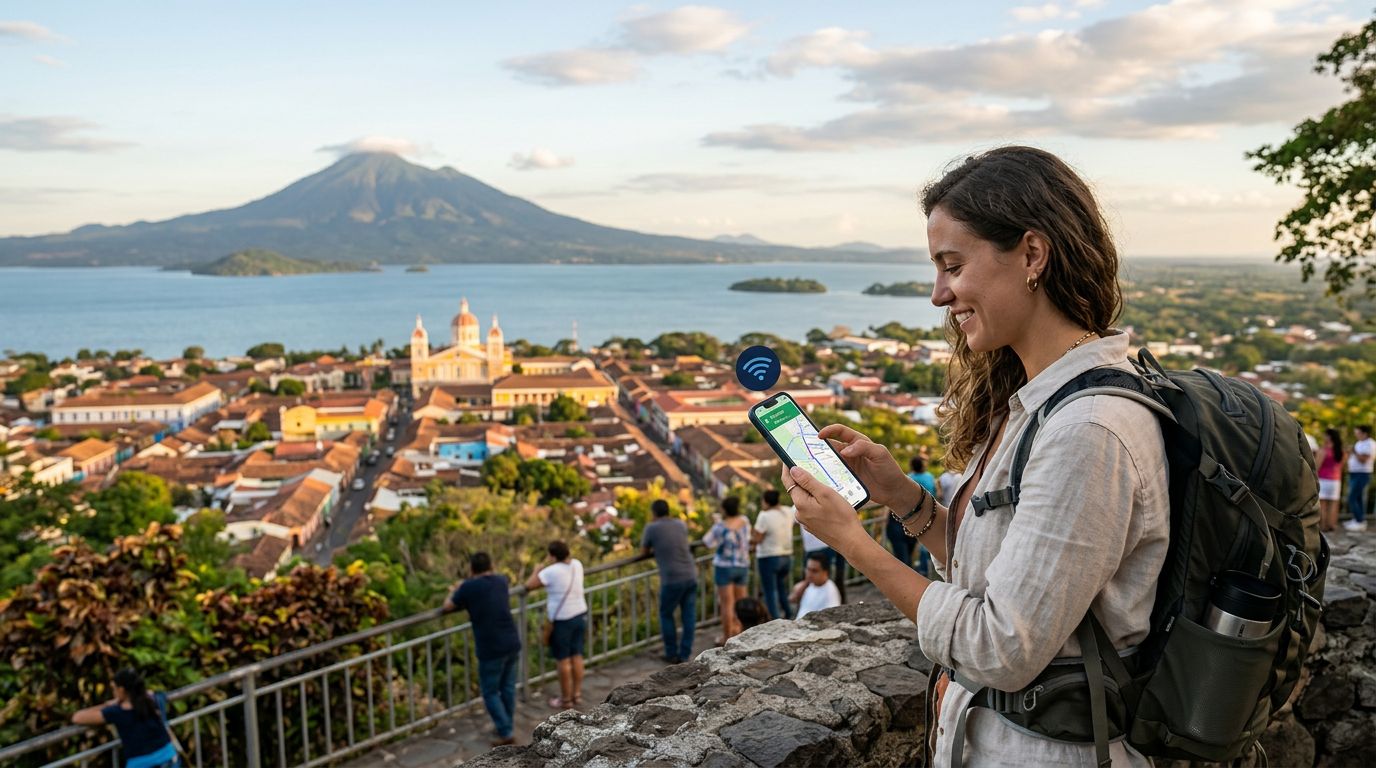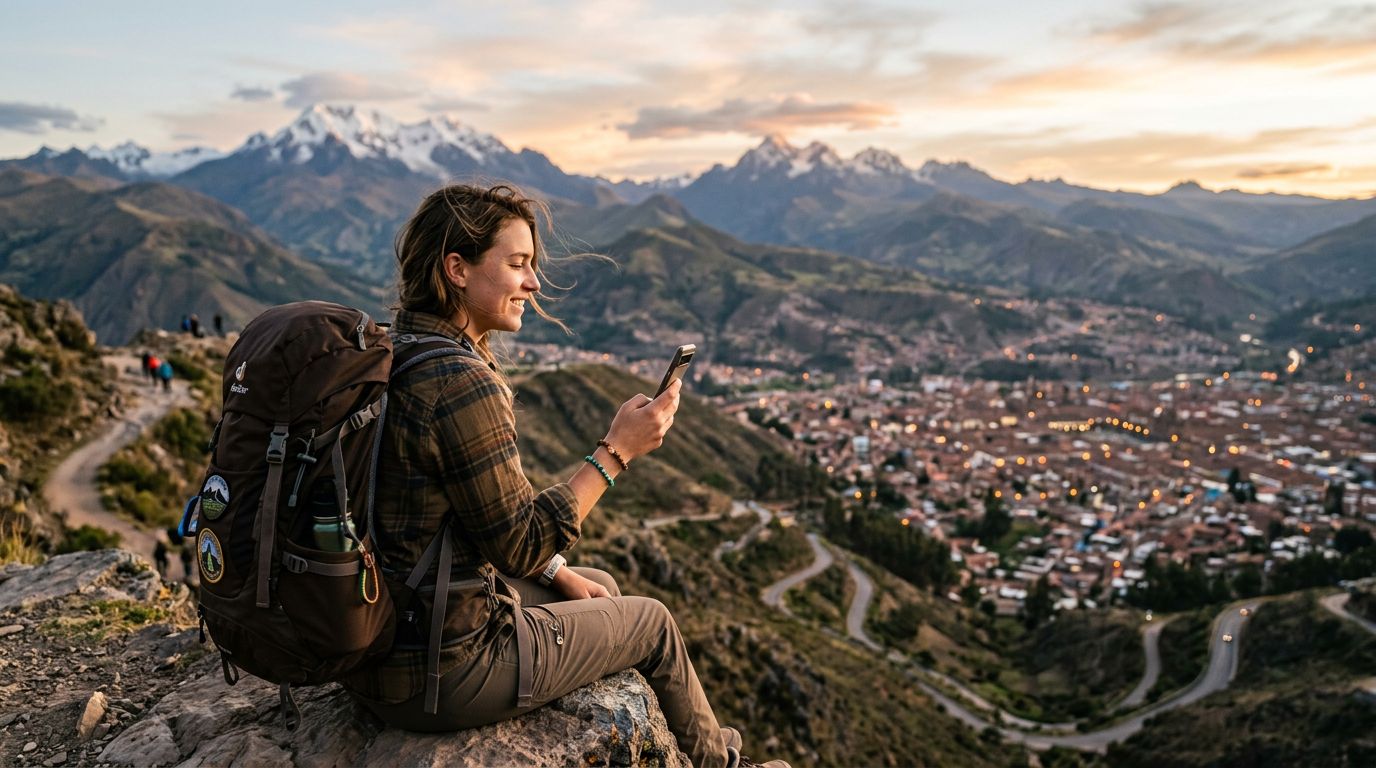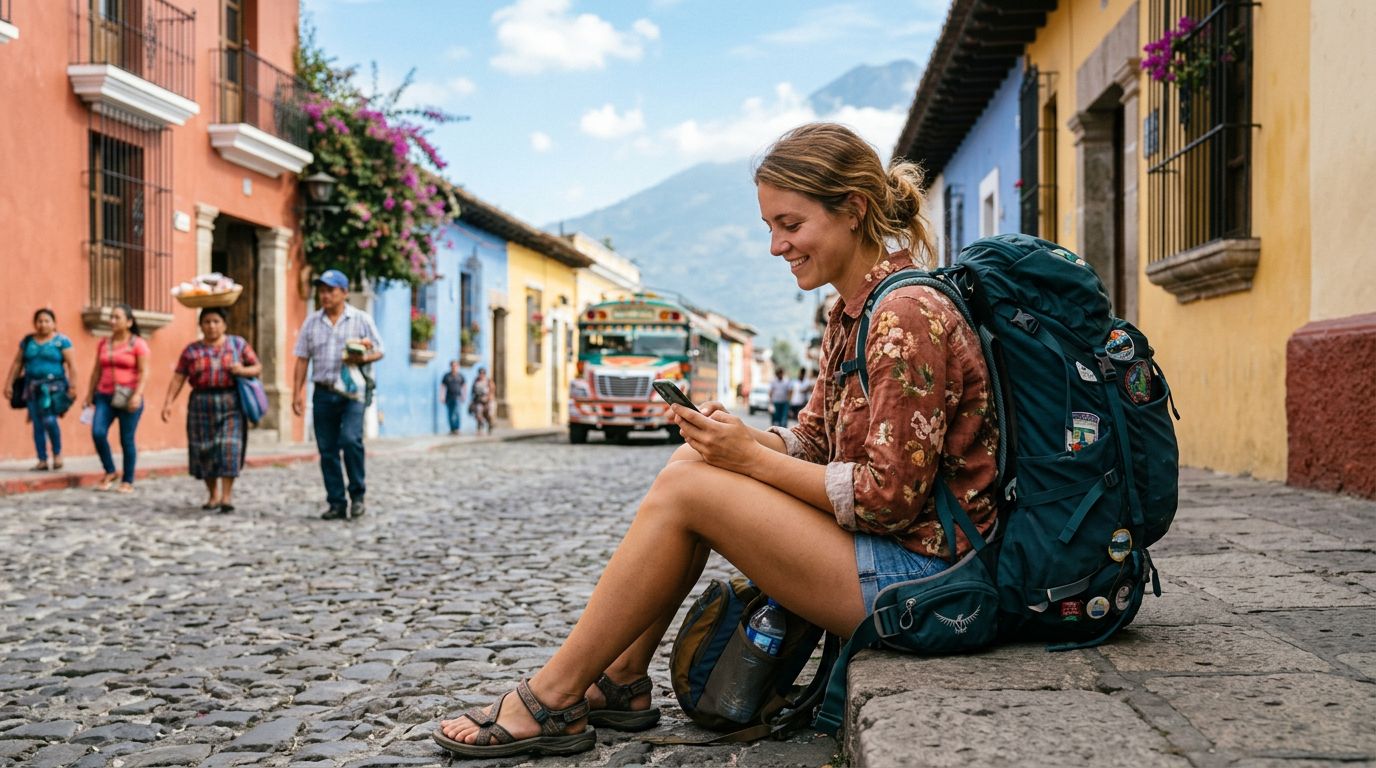
Backpacking through Central America is a dream for many travelers. From the lush rainforests of Costa Rica and the ancient Mayan ruins in Guatemala to the pristine beaches of Panama and the vibrant culture of Nicaragua, this region offers an unparalleled adventure. However, the logistics of moving between multiple countries can be complex, especially when it comes to maintaining a reliable internet connection. Staying connected while backpacking in Central America is essential for safety, navigation, and keeping in touch with loved ones back home.
The Challenges of Connectivity in Central America
When you are constantly on the move, finding a stable internet connection can feel like a full-time job. Many backpackers rely heavily on public Wi-Fi found in hostels, cafes, and airports. While this might seem convenient at first, it often comes with significant drawbacks. Public networks are frequently slow, unreliable, and pose potential security risks for your personal data. Relying on a hostel’s Wi-Fi to book your next bus ticket or check a map while walking through an unfamiliar city can lead to unnecessary stress.
Furthermore, purchasing local physical SIM cards in every country you visit is a time-consuming process. You have to find a mobile provider’s store, navigate language barriers, provide identification, and swap out your physical card, which carries the risk of losing your original one. For a backpacker moving through several borders in a short timeframe, this cycle of buying, registering, and discarding SIM cards becomes a logistical burden that distracts from the travel experience.
Why eSIM Technology is the Modern Solution
The introduction of eSIM technology has transformed how travelers manage their mobile data. An eSIM is a digital version of a physical SIM card that is embedded directly into your smartphone. Because it is software-based, you do not need to visit a physical store or handle tiny plastic cards. You can activate your data plan before you even board your flight or as soon as you land, ensuring you have access to maps, ride-sharing apps, and messaging services the moment you arrive.
Using a service like OneTapSIM allows you to manage your connectivity needs through a streamlined digital interface. By opting for an eSIM, you keep your primary phone number active for calls or texts while dedicating the eSIM to your data needs. This is particularly useful for backpackers who need to stay reachable on their home number while utilizing local data networks for navigation and research. Because the eSIM is managed entirely on your device, you avoid the hassle of searching for local kiosks or dealing with registration paperwork in a foreign language.
Practical Tips for Staying Online on the Road
To make the most of your connectivity while traveling, it is important to adopt a few smart habits. First, ensure your device is compatible with eSIM technology. Most modern smartphones support this feature, but it is always wise to check your device settings or the manufacturer's support pages before you leave. Once you have confirmed compatibility, you can set up your data plan in advance, giving you peace of mind before you cross any borders.
Managing your data consumption is another key aspect of staying connected. While you might be tempted to stream high-definition videos or upload large files while on the go, these activities can quickly exhaust your data allowance. Instead, download offline maps for the cities you plan to visit. Google Maps allows you to save specific areas for offline use, which is a lifesaver when you are in remote areas or traveling between towns where signal strength might fluctuate. Similarly, download any necessary travel documents, such as bus tickets or hostel confirmations, so you can access them without needing an active internet connection.
Battery management is equally important. Using GPS and cellular data can drain your phone battery faster than usual. Carry a reliable portable power bank to ensure your device stays charged throughout long travel days. When you are in a new city, use your data to get your bearings, but try to minimize background app refreshes to conserve both your battery and your data balance.
Finally, prioritize your security. When you must use public Wi-Fi, consider using a Virtual Private Network (VPN) to encrypt your connection. However, by relying on a dedicated eSIM data plan, you significantly reduce your dependence on public networks, which is the most effective way to keep your information secure. Having a consistent, private connection means you can handle your banking, bookings, and communication without worrying about who else is on the network.
Backpacking through Central America is about the freedom to explore and the joy of discovery. By planning your connectivity ahead of time, you remove the friction of travel logistics. Whether you are trekking through the jungle or relaxing on a Pacific beach, having a reliable way to stay online ensures that you can focus on the experience rather than the technicalities of finding a signal. With the right tools, you can navigate the region with confidence, knowing that you are always just one tap away from the information you need.
Get an eSIM for
Plans for the destinations covered in this guide, with instant QR delivery.