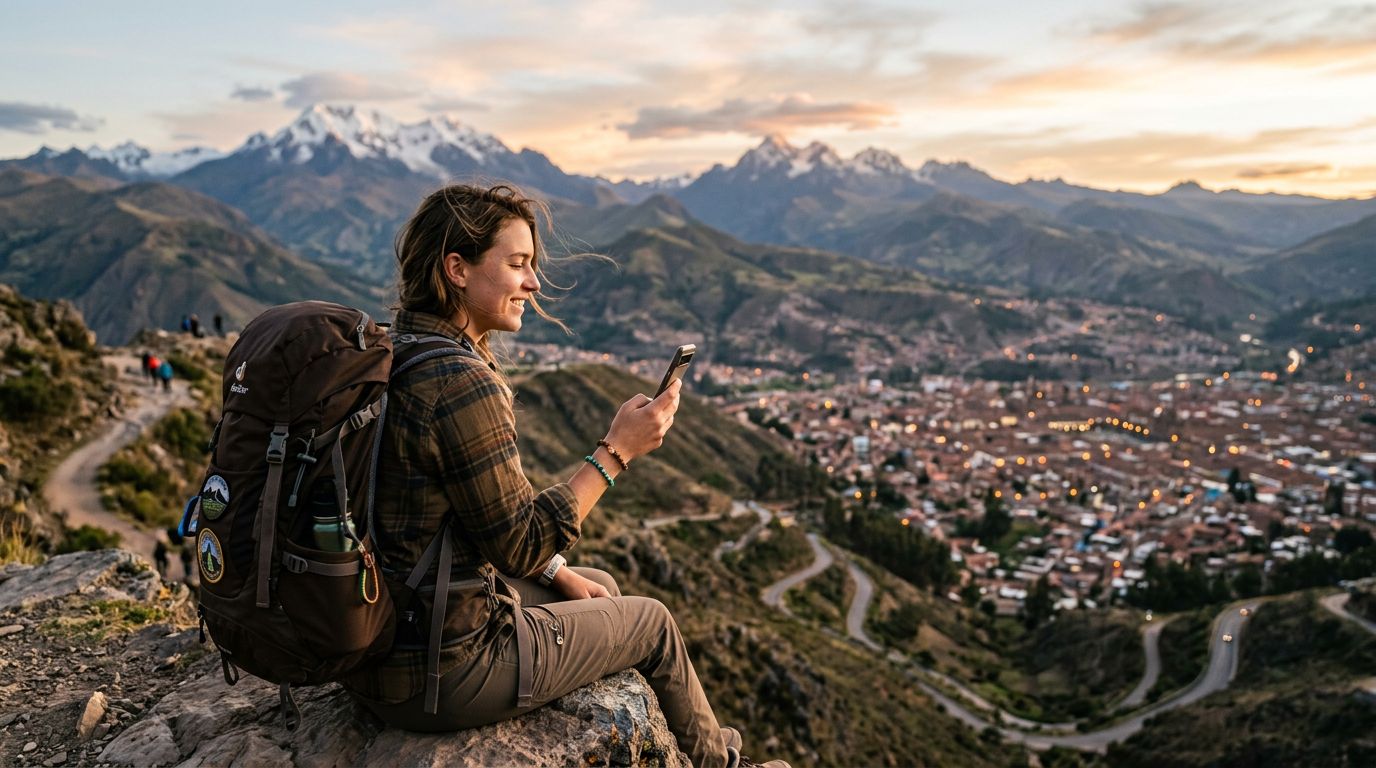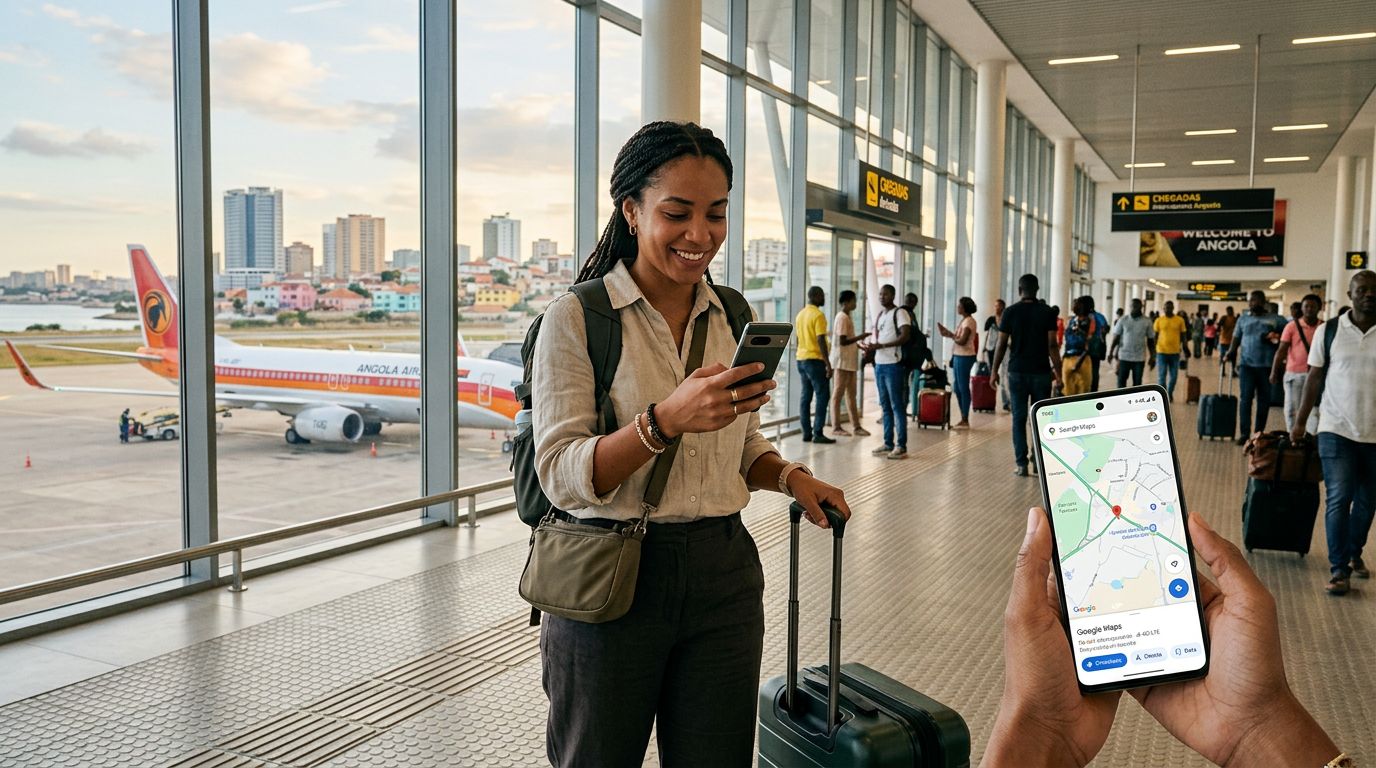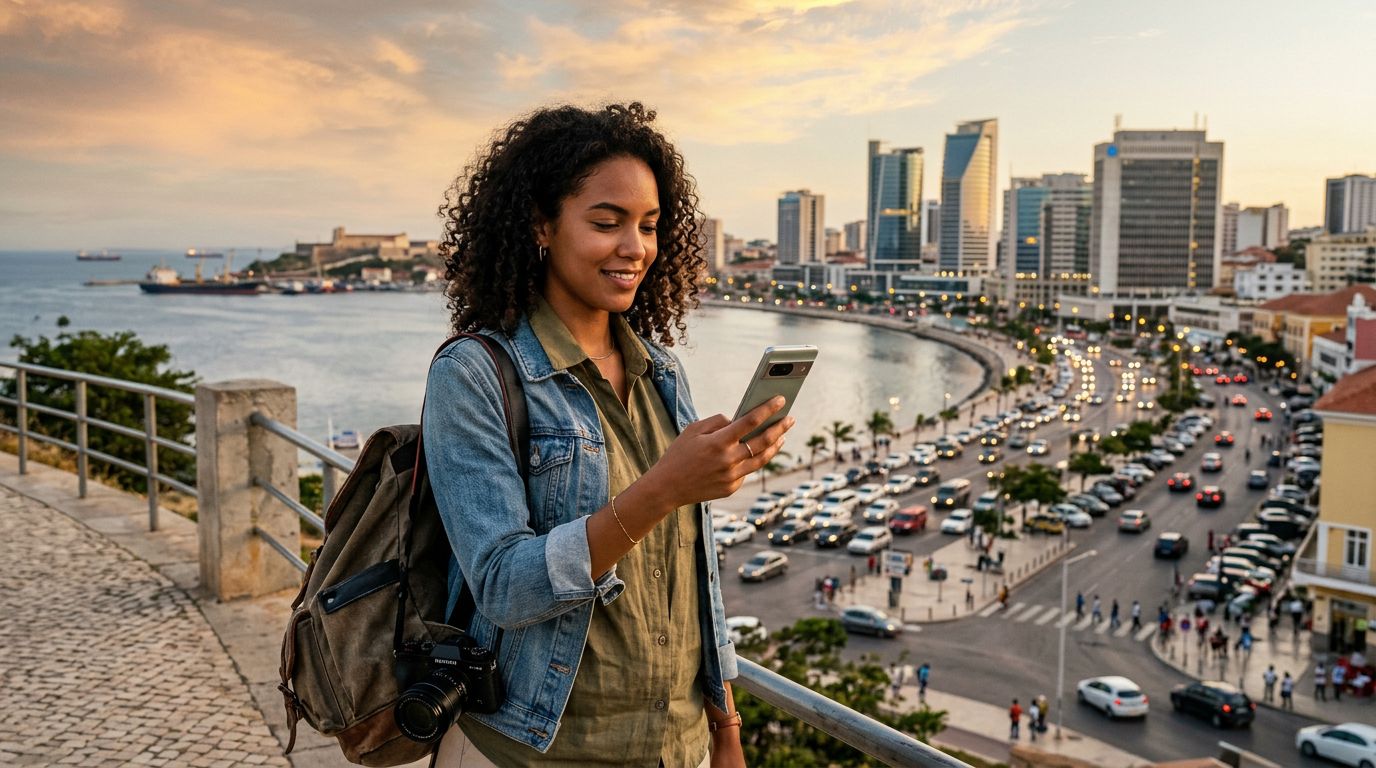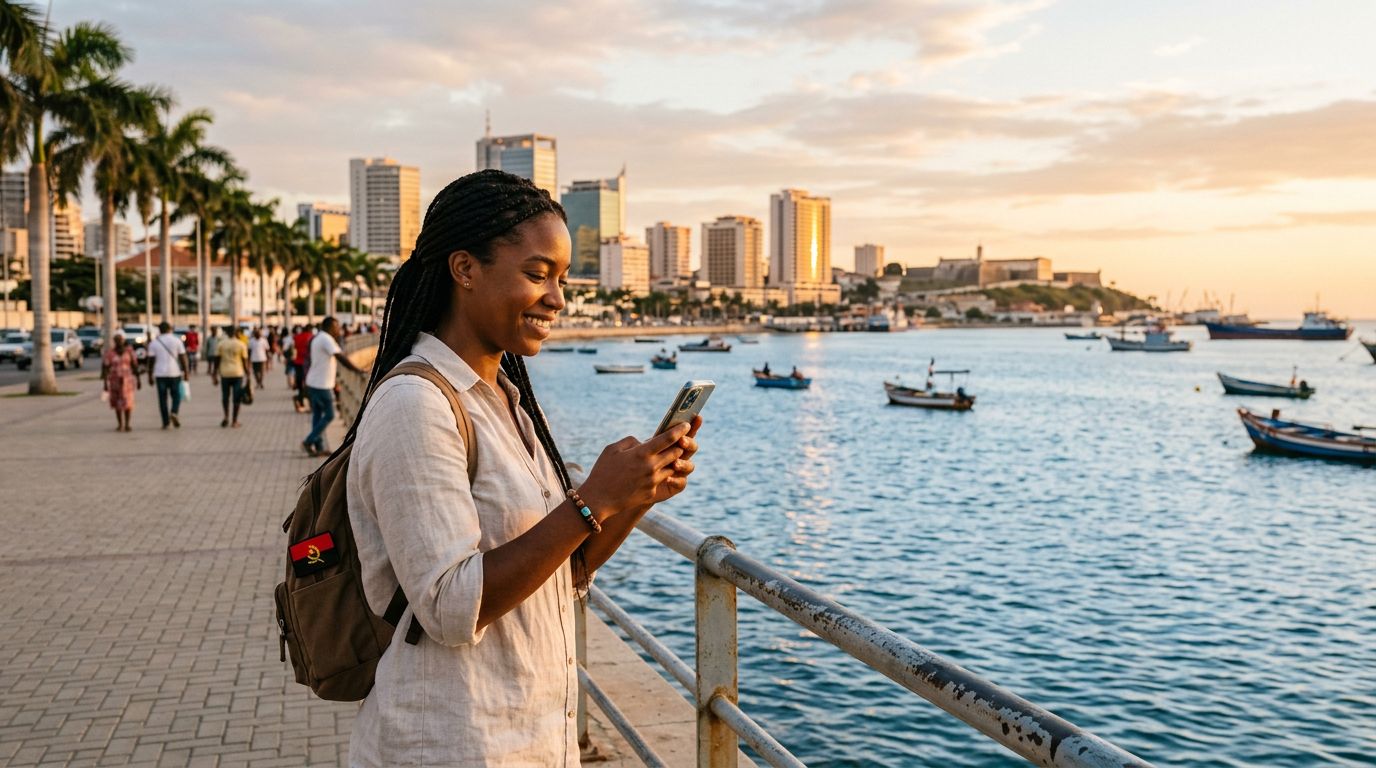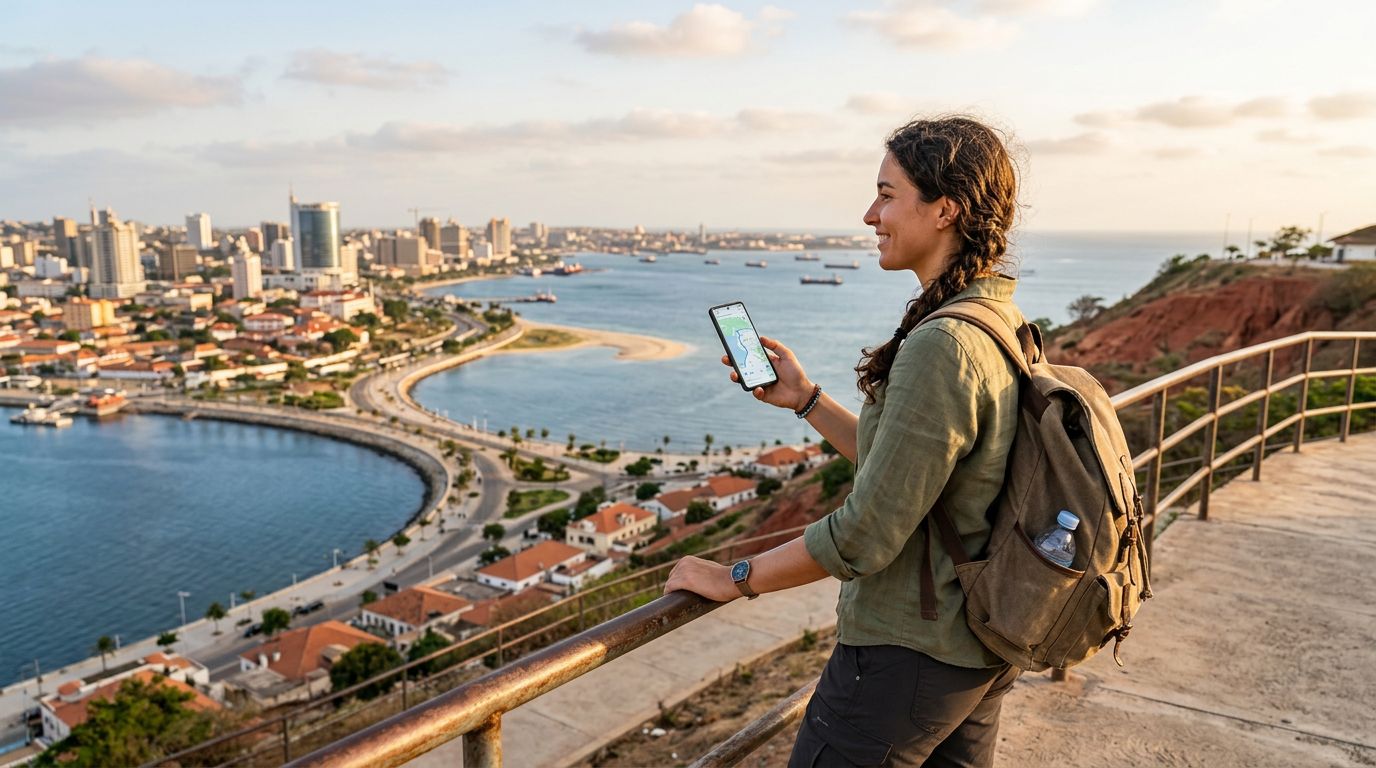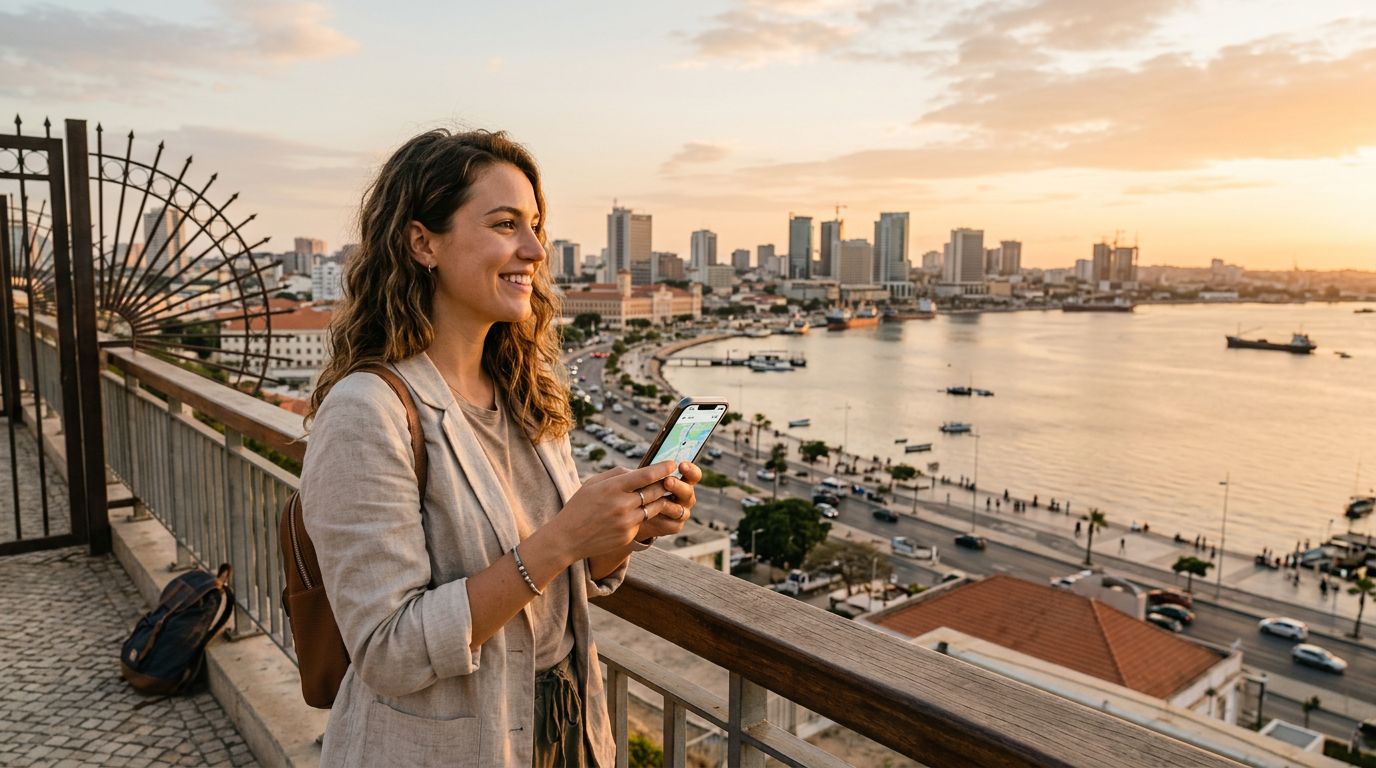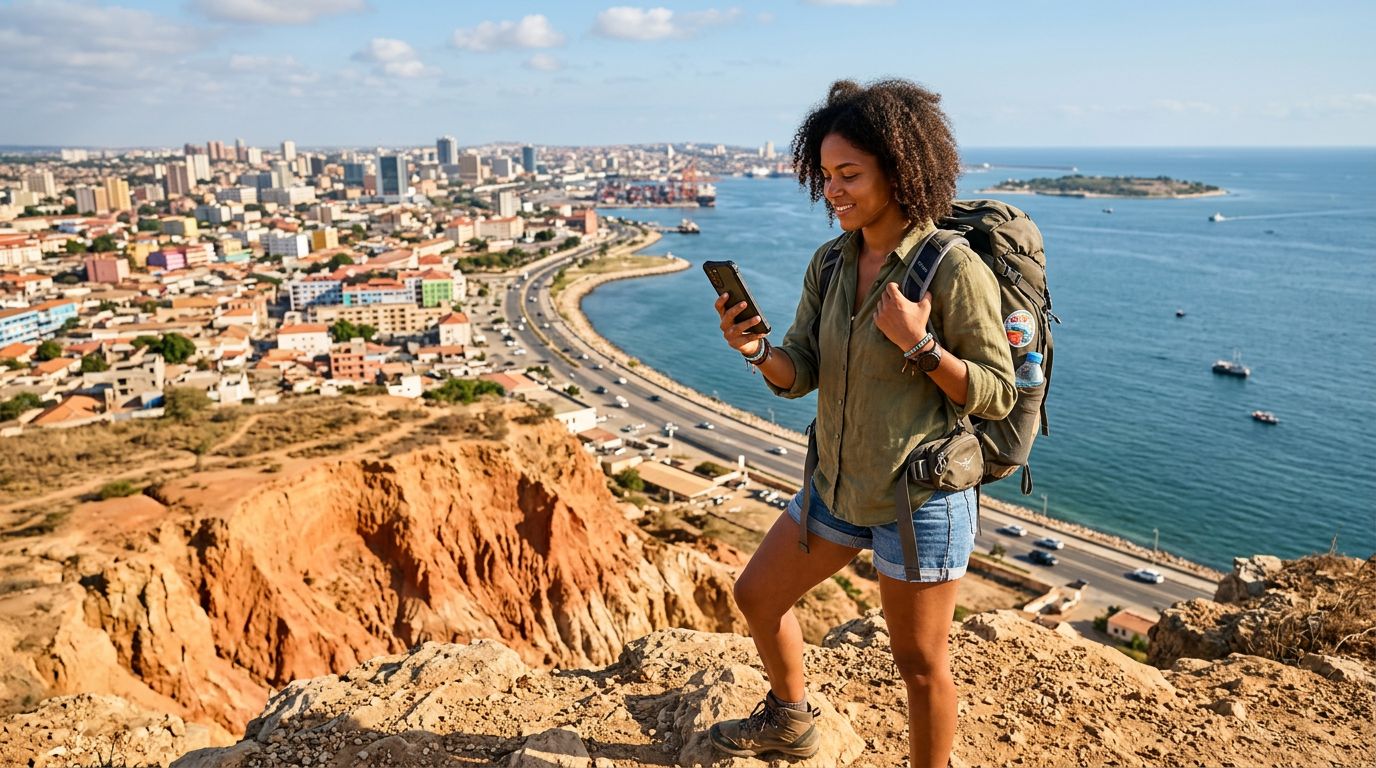
Angola remains one of the final frontiers for adventurous backpackers. With its dramatic landscapes ranging from the arid Namib Desert to the lush, tropical waterfalls of Kalandula, the country offers a raw, unfiltered travel experience. However, the sheer scale and remoteness of the terrain present a unique challenge: maintaining reliable communication. Whether you are coordinating with local guides, navigating the bustling streets of Luanda, or uploading photos from the remote reaches of the Iona National Park, having a dependable data connection is essential for both logistics and safety.
Understanding the Connectivity Landscape in Angola
Backpacking through Angola requires a shift in expectations regarding infrastructure. While the capital city of Luanda has seen significant modernization, connectivity becomes increasingly sporadic as you head into the provinces. The telecommunications sector is dominated by a few major players, and while coverage is expanding, it is not yet ubiquitous. You will find that signal strength fluctuates significantly depending on your proximity to urban hubs.
For the independent traveler, relying solely on public Wi-Fi is rarely a viable strategy. Many hostels, guesthouses, and cafes offer connections that are either intermittent or restricted to specific common areas. Furthermore, relying on open networks poses security risks that can compromise your sensitive travel documents or banking information.
The most practical approach involves securing a mobile data solution that functions independently of local Wi-Fi hotspots. This allows you to use GPS mapping services in real-time, translate local languages, and keep in touch with family or emergency services regardless of your specific location. When you are trekking through the rocky terrain of Tundavala Gap, the peace of mind provided by a consistent signal is worth the preparation.
Why eSIM Technology is the Backpacking Standard
In the past, travelers were forced to hunt for physical SIM cards upon arrival in every new country. This often involved language barriers, long queues at airport kiosks, and the risk of losing your home SIM card while swapping hardware. The emergence of eSIM technology has fundamentally changed how backpackers approach international travel.
An eSIM is a digital version of a traditional SIM card that is embedded directly into your smartphone’s hardware. Because it is software-based, you can activate your data plan before you even board your flight to Luanda. This removes the stress of trying to find a mobile shop immediately after landing, allowing you to step off the plane with a working connection.
OneTapSIM provides a seamless way to manage this process. By utilizing an eSIM, you avoid the physical clutter of carrying multiple plastic cards or worrying about damaging your phone’s SIM tray during rugged outdoor activities. If your device is compatible—which includes most modern smartphones from major manufacturers—you can switch between your home network and your local data plan with just a few taps in your phone’s settings. This flexibility is particularly useful if you are on a multi-country expedition through Southern Africa, as you can manage your connectivity for different regions through a single interface.
Practical Tips for Staying Connected While Backpacking in Angola
To ensure you remain connected while backpacking in Angola, preparation is key. Before you depart, verify that your smartphone is carrier-unlocked. Many phones purchased through specific mobile contracts are locked to a single provider, which prevents them from accepting international eSIMs. You can usually check this in your device’s settings or by contacting your home provider before your trip.
Once you have confirmed compatibility, consider these strategies to optimize your data usage:
First, prioritize offline resources. Before leaving your accommodation, download offline maps for the specific regions you plan to visit. This reduces the burden on your mobile data and ensures you can navigate even when moving through areas with limited cellular coverage. Many popular mapping applications allow you to save entire provinces for offline use, which is a lifesaver when traveling between major cities.
Second, be mindful of background data consumption. Applications that automatically update or sync photos to the cloud can consume large amounts of data without you realizing it. Adjust your phone settings to restrict background data for non-essential apps. This ensures that your data allowance is reserved for critical tasks like navigation, communication, and research.
Third, maintain a backup power source. A high-capacity power bank is as essential as your data plan when backpacking in Angola. Remote areas often lack reliable electricity, and a dead phone is useless regardless of how good your signal strength is. Keeping your device charged ensures that you can always access your eSIM-enabled data plan when you need it most.
Finally, keep your communication channels simple. If you are traveling in a group, agree on a primary messaging app that works well with low bandwidth. While video calls are great, they are often impractical in remote regions. Text-based updates are much more reliable and will ensure you stay connected with your travel companions or local hosts without draining your data or your battery.
By combining the convenience of an eSIM with smart data management habits, you can focus on the incredible experience of exploring Angola rather than worrying about the logistics of staying online. Whether you are standing at the edge of the Atlantic or exploring the colonial architecture of Benguela, having a reliable connection allows you to document your journey and stay safe throughout your adventure. The beauty of Angola is best experienced when you are fully present, and having the right technology in your pocket ensures that you have the support you need to explore with confidence.
Get an eSIM for
Plans for the destinations covered in this guide, with instant QR delivery.