The Challenges of Mobile Connectivity in Angola
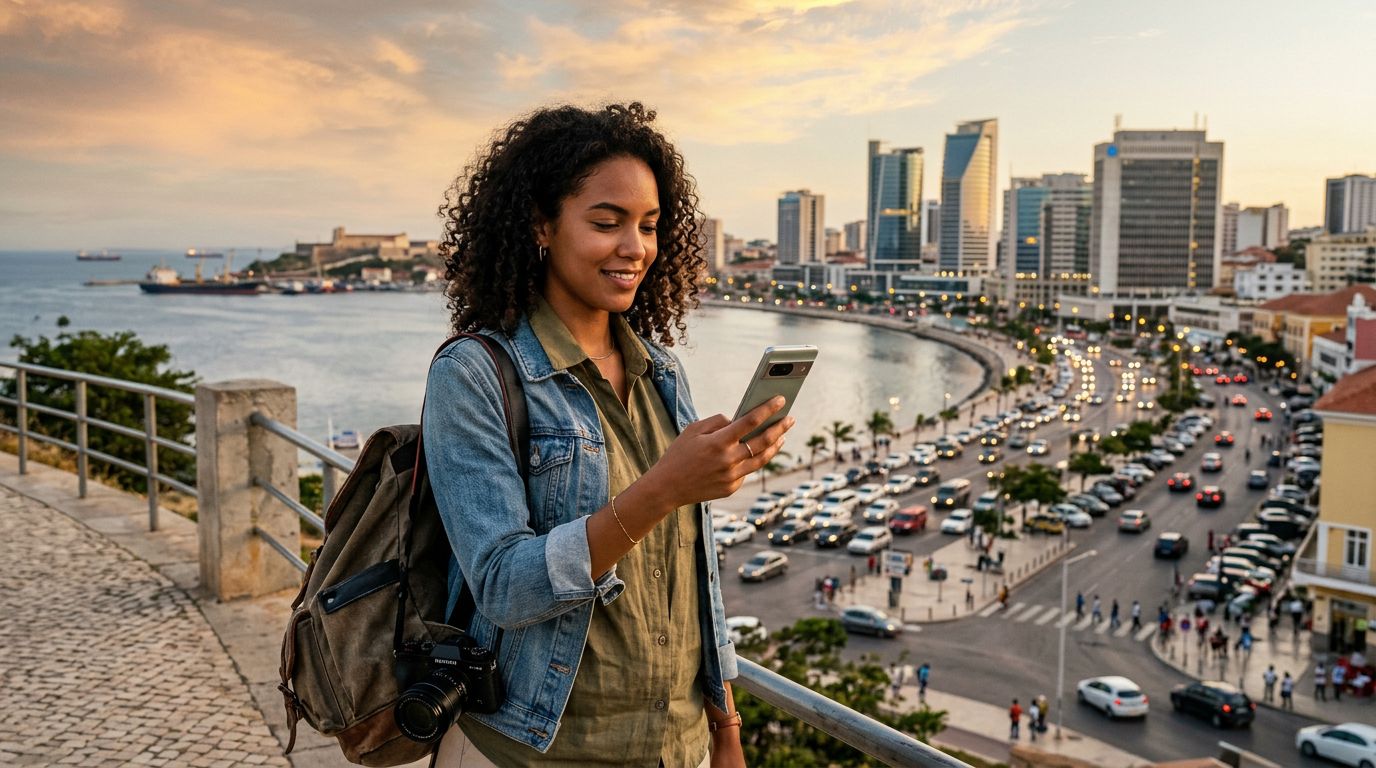
Angola is a nation of immense natural beauty, ranging from the dramatic cliffs of Tundavala to the pristine beaches of the Atlantic coast. However, for travelers, the infrastructure for mobile communication can present a unique set of hurdles. Unlike many regions where finding a local SIM card at the airport is a seamless, five-minute process, the telecommunications landscape in Angola often requires a bit more patience and preparation.
When you arrive at Quatro de Fevereiro International Airport in Luanda, you might find that the local kiosks are either closed, crowded, or require specific documentation that you may not have readily available in your carry-on. Furthermore, language barriers can make the registration process for a physical local SIM card difficult if you are not fluent in Portuguese. Many travelers find that the traditional method of swapping out a physical SIM card is not only inconvenient but also risky, as it involves handling tiny, fragile hardware that is easily lost or damaged while on the move.
Beyond the physical logistics, there is the matter of network coverage. Angola’s terrain is diverse, and while major cities like Luanda have robust cellular infrastructure, remote areas and national parks may have limited signal strength. Understanding how to maintain a reliable connection before you land is essential for accessing navigation apps, translation tools, and emergency services. Relying solely on hotel Wi-Fi is rarely a viable strategy for those who intend to explore beyond the lobby, as public networks can be sporadic and insecure.
Why eSIM Technology is the Modern Traveler's Best Friend
The shift toward eSIM technology has fundamentally changed how international travelers manage their mobile data. An eSIM, or embedded SIM, is a digital version of the traditional plastic card that is built directly into the hardware of modern smartphones. Because it is software-based, you do not need to visit a physical store or wait for a courier to deliver a package to your home before your trip.
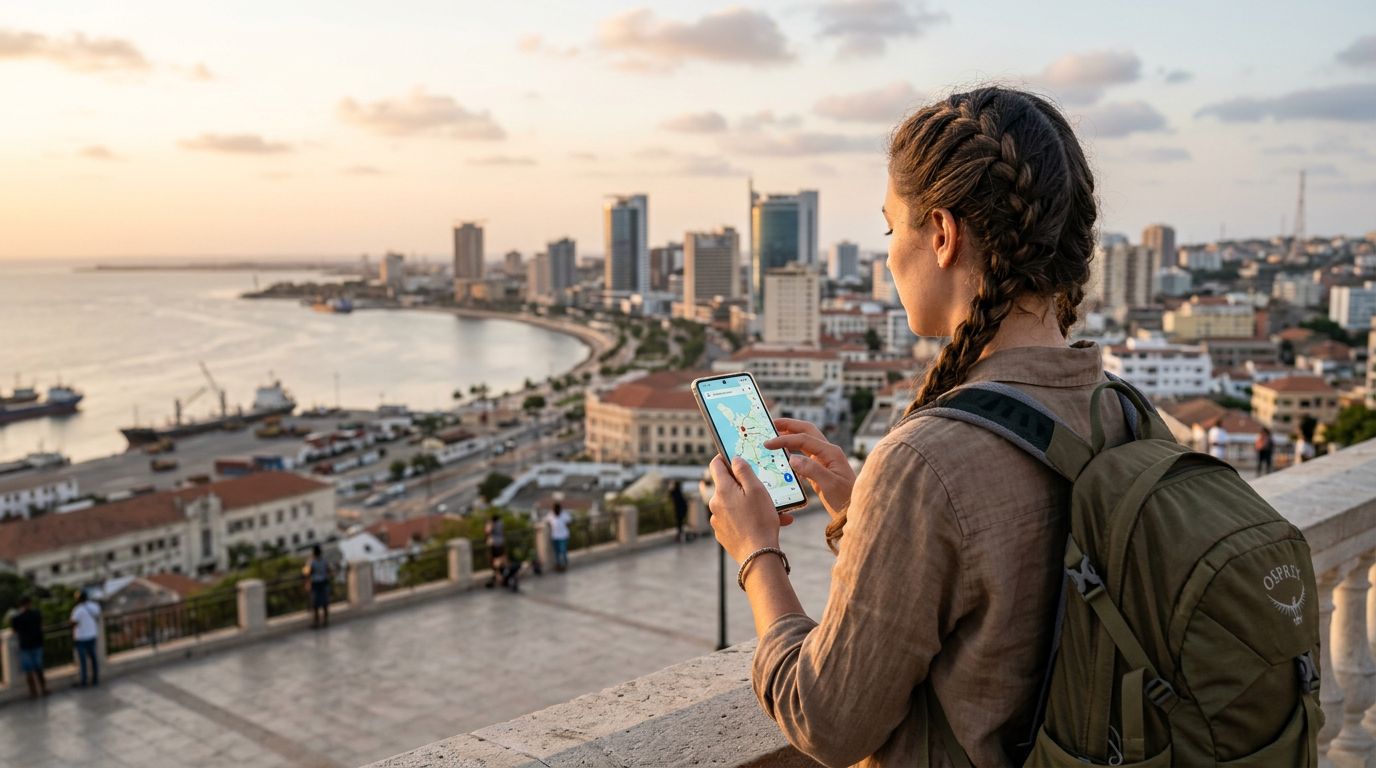
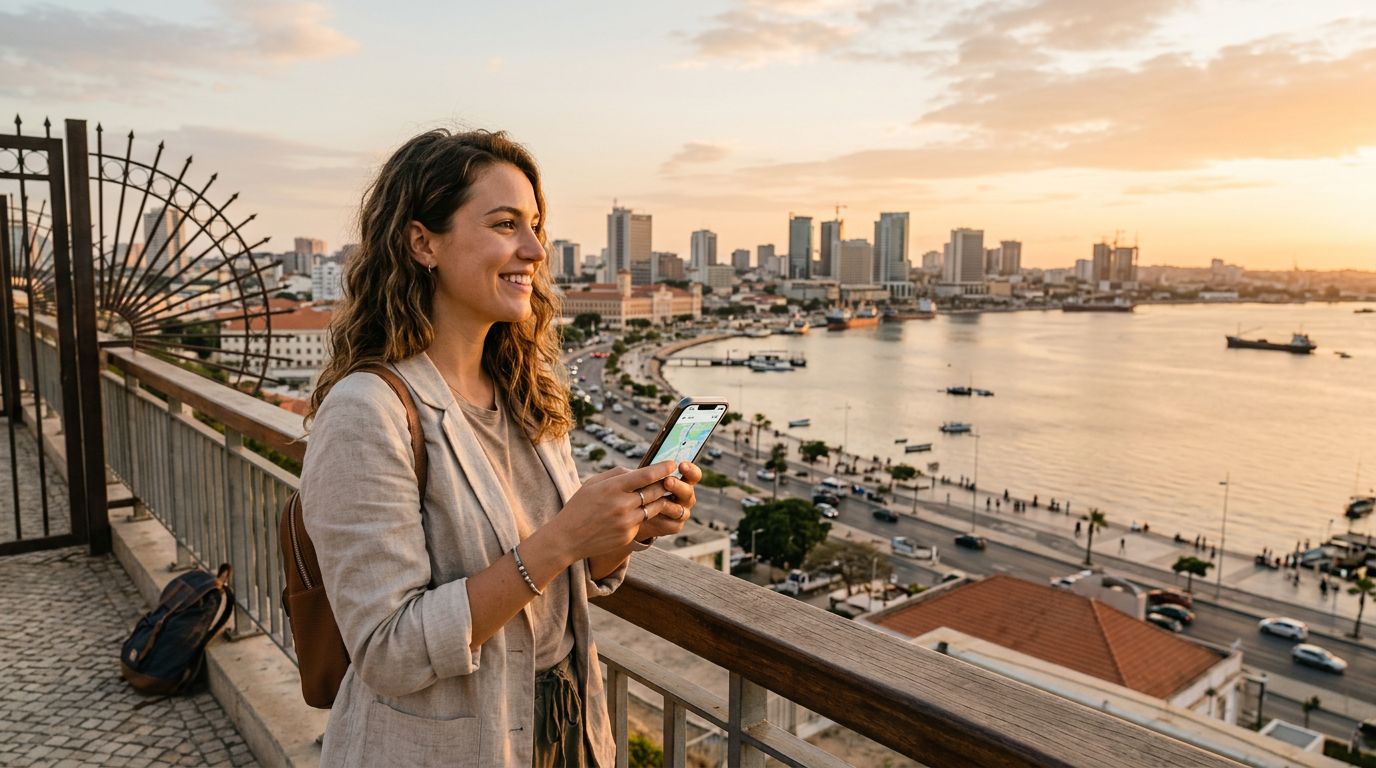
For those focused on staying connected while traveling in Angola, the primary advantage of an eSIM is the ability to activate your data plan the moment you touch down. By setting up your connection in advance, you avoid the stress of searching for a local provider while dealing with jet lag and luggage. You simply switch your data settings to the new profile, and your phone connects to the local network automatically.
Another significant benefit is the preservation of your primary phone number. With a physical SIM, you have to remove your home card, which means you cannot receive calls or texts from your home country. With an eSIM, your phone can often support Dual SIM functionality. You can keep your primary SIM active for essential calls or SMS, while using your eSIM specifically for data. This allows you to use GPS, social media, and travel apps without worrying about exorbitant roaming charges from your home carrier. OneTapSIM offers a streamlined way to manage these profiles, ensuring that your transition between countries is as smooth as possible. By digitizing the process, you eliminate the risk of losing your home SIM card in a foreign environment.
Practical Tips for Seamless Connectivity Across Angola
To ensure your trip remains stress-free, preparation is key. Before you depart, verify that your smartphone is carrier-unlocked. Many phones purchased through mobile contracts are locked to specific providers, which prevents them from using third-party eSIMs. If you are unsure about your device's status, check with your current provider or consult the support pages provided by Apple or Google.
Once you have confirmed your phone is compatible, the next step is to choose a data plan that aligns with your itinerary. If you are staying primarily in Luanda, you might only need a moderate amount of data for basic navigation and messaging. However, if you are planning a road trip to the Kalandula Falls or exploring the Namib Desert, you should opt for a plan that provides a more generous data allowance. Keep in mind that uploading photos and videos to social media consumes data much faster than simple web browsing or GPS tracking.
When you arrive in Angola, manage your data usage wisely to ensure your plan lasts the duration of your stay. Disable background app refresh for non-essential applications and download offline maps for the specific regions you intend to visit. Google Maps allows you to save large areas for offline use, which is a lifesaver when moving between cell towers in rural provinces.
Finally, keep a portable power bank in your day bag. Using mobile data, especially in areas where the phone has to work harder to maintain a signal, can drain your battery significantly faster than normal. By combining an eSIM solution from a provider like OneTapSIM with a reliable power source and pre-downloaded offline resources, you can focus on the incredible landscapes and vibrant culture of Angola rather than worrying about your signal bars. Staying connected while traveling in Angola is entirely manageable when you leverage the right digital tools to bypass the limitations of traditional mobile infrastructure.
Get an eSIM for
Plans for the destinations covered in this guide, with instant QR delivery.