Understanding the Connectivity Landscape in Angola
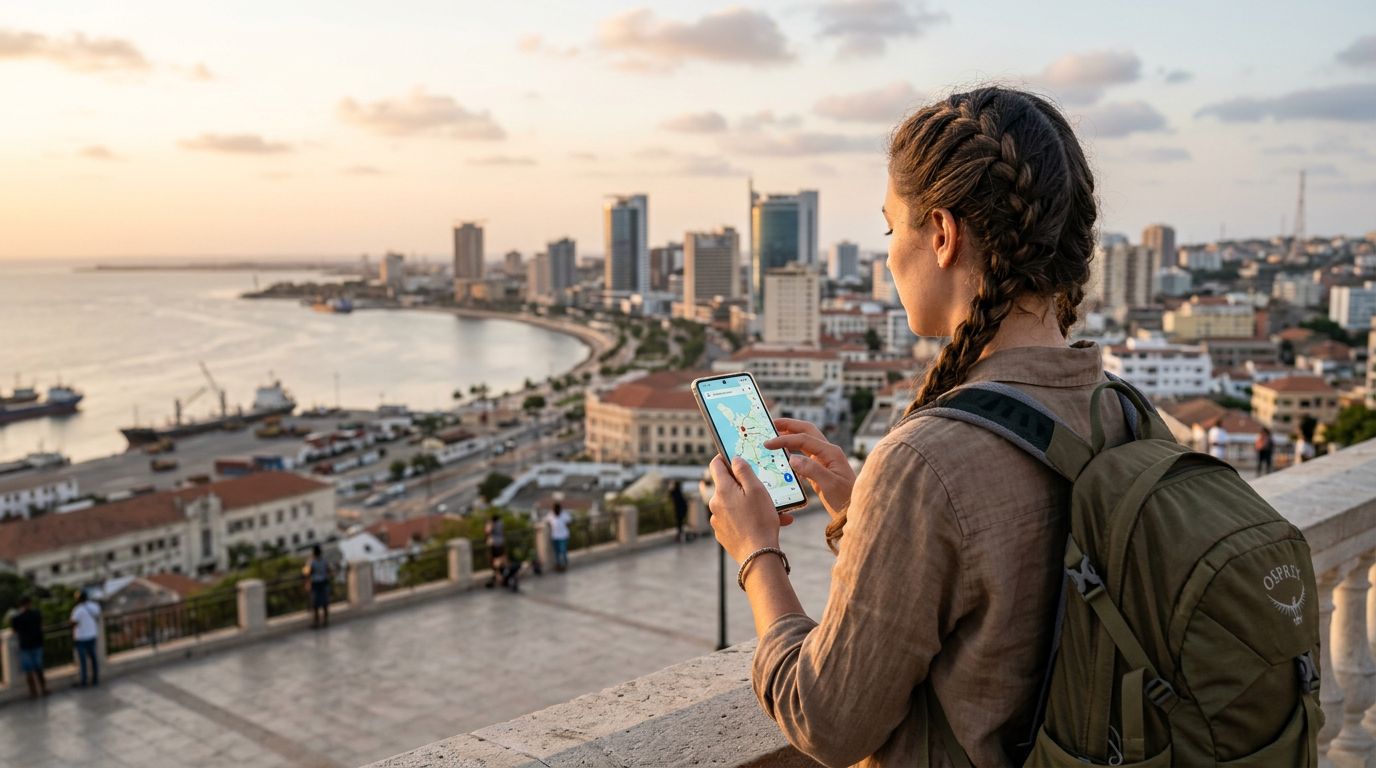
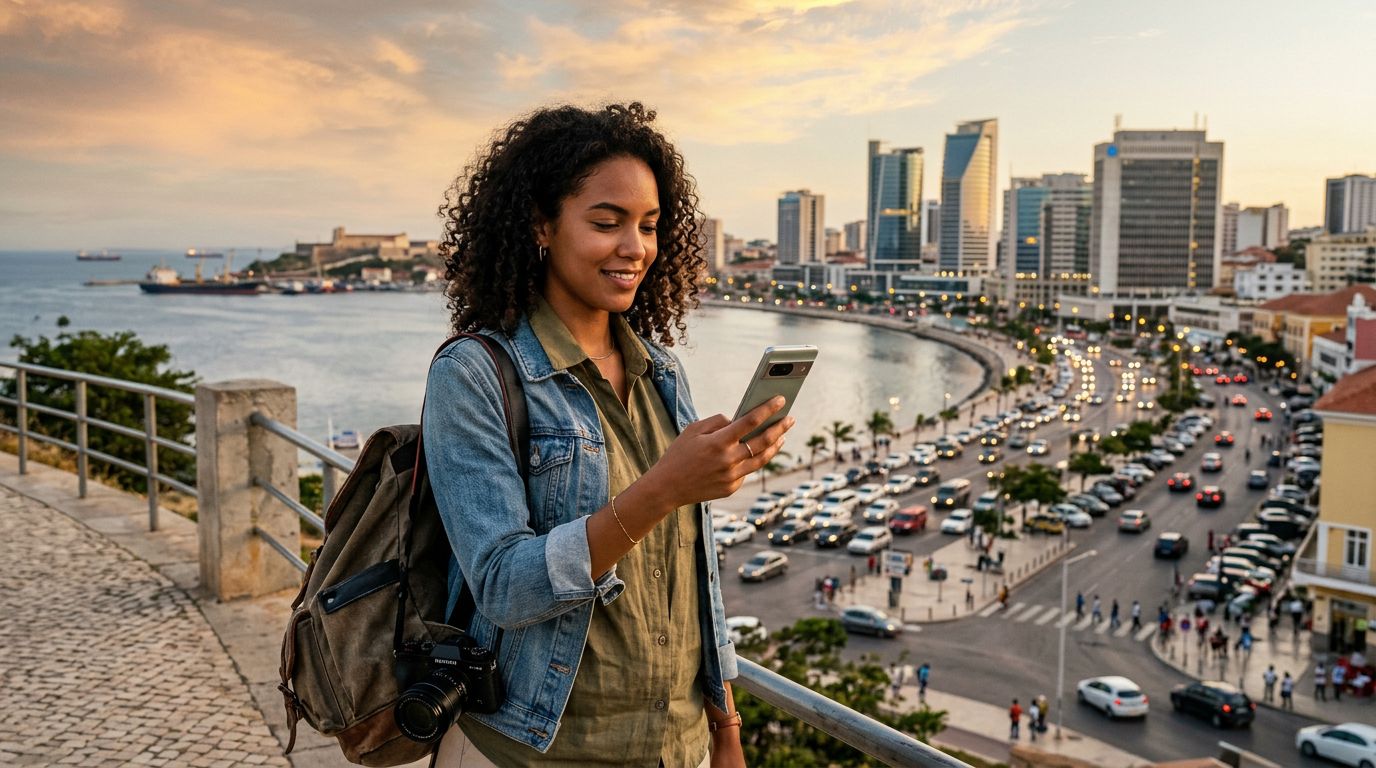
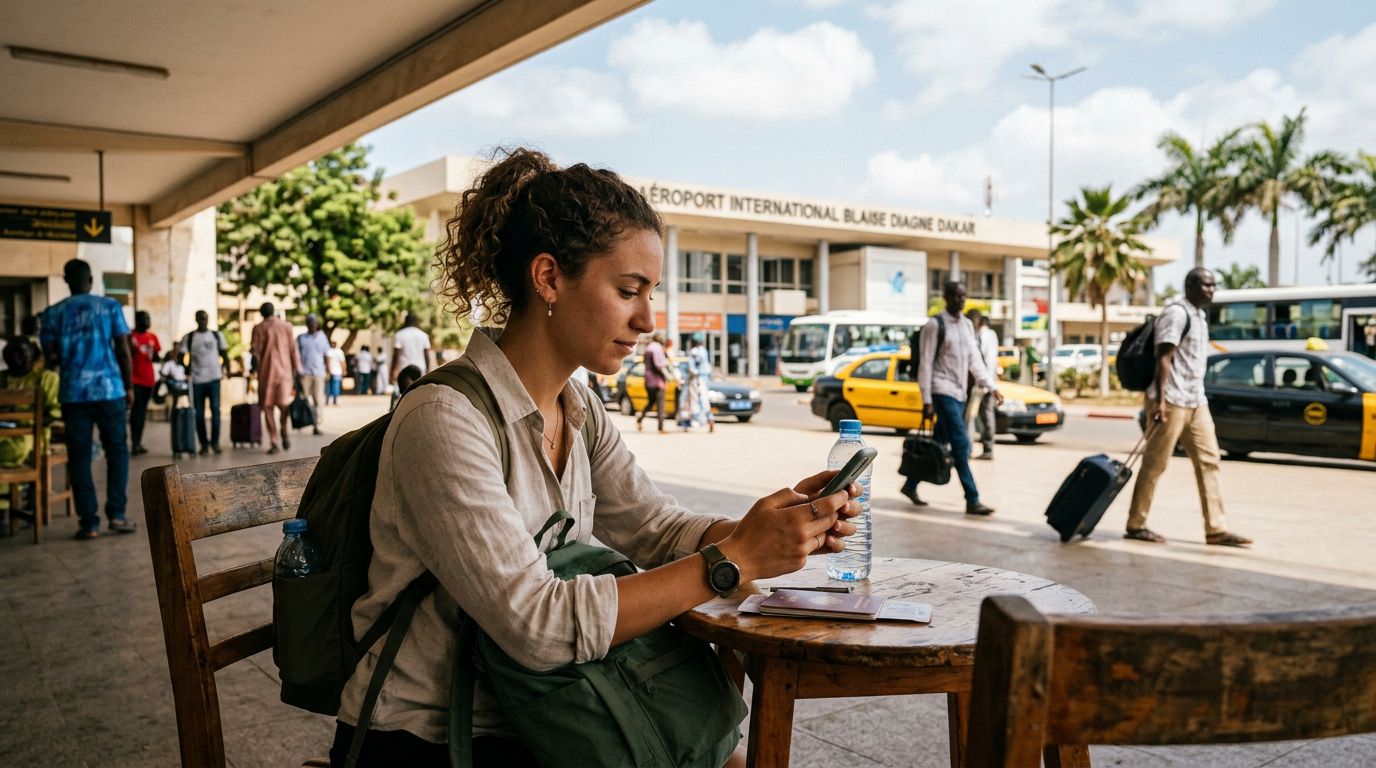
Traveling to Angola presents a unique set of experiences, from the stunning coastline of Luanda to the dramatic landscapes of the Tundavala Gap. However, staying connected while exploring this vast Southern African nation requires some preparation. Unlike many regions where free public Wi-Fi is ubiquitous, Angola relies heavily on mobile data networks. Relying solely on hotel Wi-Fi often leads to frustration, as connection speeds can be inconsistent and coverage is frequently restricted to common areas.
For most travelers, the best way to get data in Angola is through a mobile solution that offers flexibility and reliability. Whether you are navigating the bustling streets of the capital or venturing into more remote provinces, having a stable internet connection is essential for using maps, translation tools, and communication apps. Mobile networks in Angola have improved significantly over the past few years, with major providers expanding their 4G coverage. However, the challenge remains in accessing these networks without dealing with the logistical hurdles of local physical SIM cards.
Comparing Local SIM Cards and eSIM Technology
Historically, the standard approach for international travelers was to visit a local provider’s retail store upon arrival. This involves finding a shop, waiting in line, providing identification, and manually swapping out your home SIM card. This process can be time-consuming and often requires navigating language barriers or complex registration requirements that vary by carrier. Furthermore, physical SIM cards are small, easily misplaced, and require you to carry your original SIM card in a safe place throughout your trip.
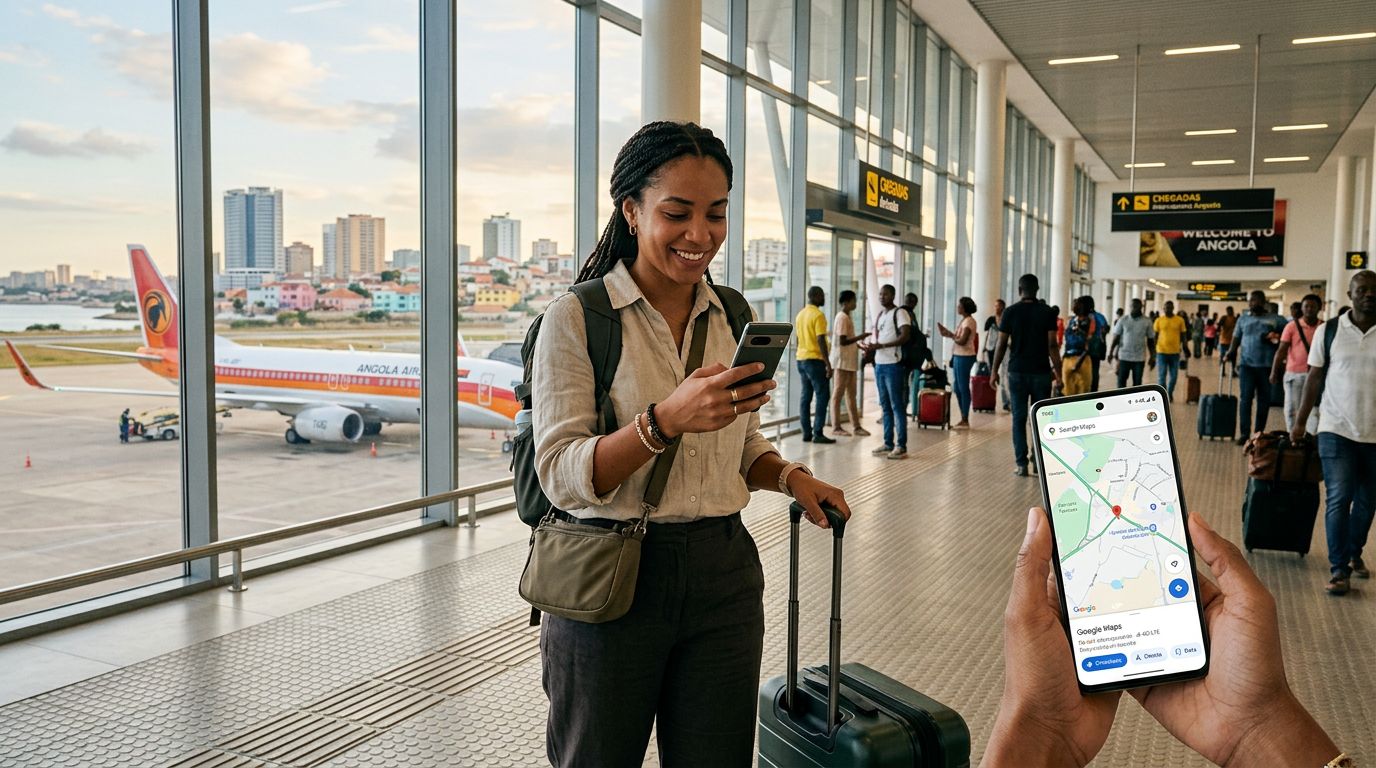
Modern travelers increasingly prefer eSIM technology as a more streamlined alternative. An eSIM, or embedded SIM, is a digital version of a physical SIM card that is built directly into the hardware of most contemporary smartphones. By using an eSIM, you eliminate the need to physically handle tiny plastic cards or visit a local store. You can activate your data plan before you even board your plane, ensuring that you are connected the moment your wheels touch the ground in Luanda.
OneTapSIM offers a seamless way to manage this process. By choosing a digital-first approach, you avoid the administrative burden of local registration and the risk of losing your primary SIM card. This technology is particularly beneficial for those moving between different regions or countries, as it allows for the management of multiple data profiles directly from your phone's settings menu. If your device supports eSIM functionality—which most flagship models from the last few years do—this is generally considered the most efficient method for maintaining connectivity while abroad.
Practical Tips for Maintaining Connectivity
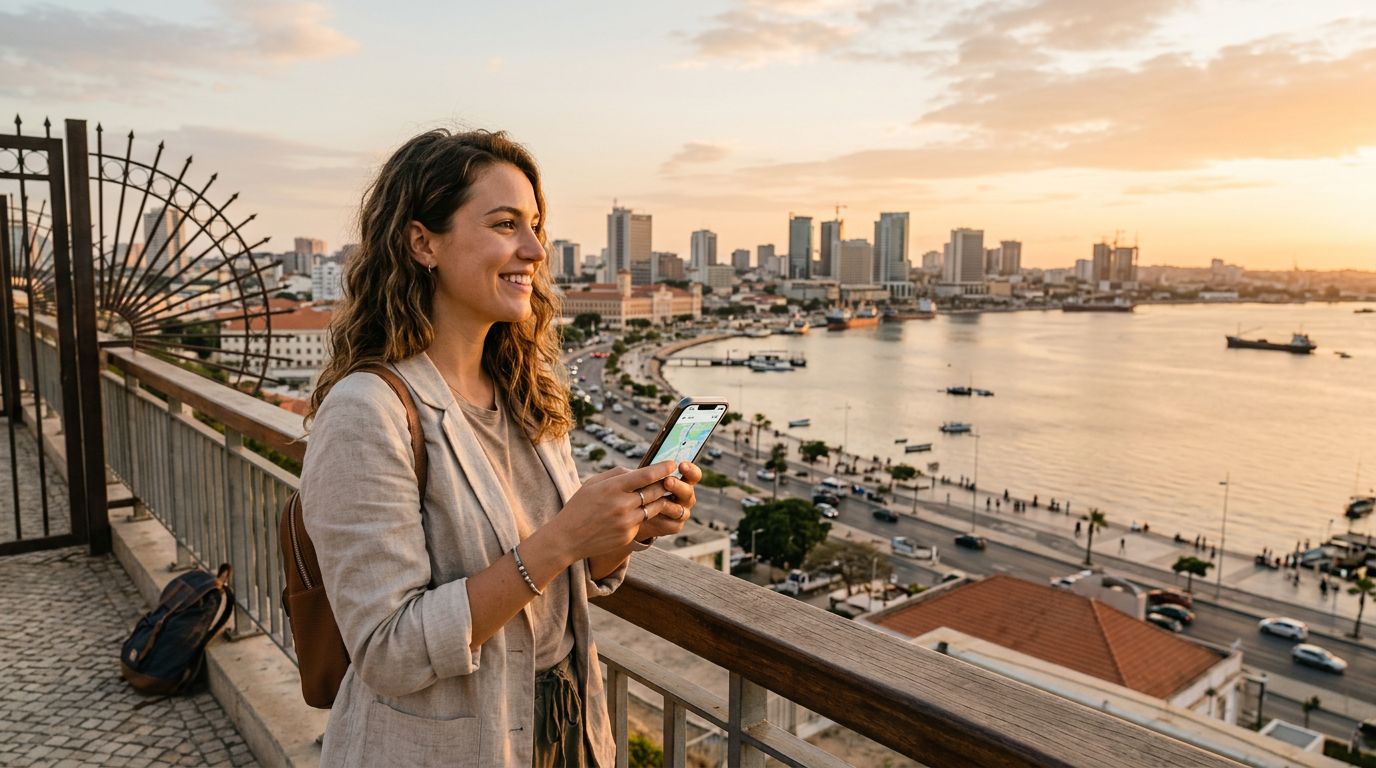
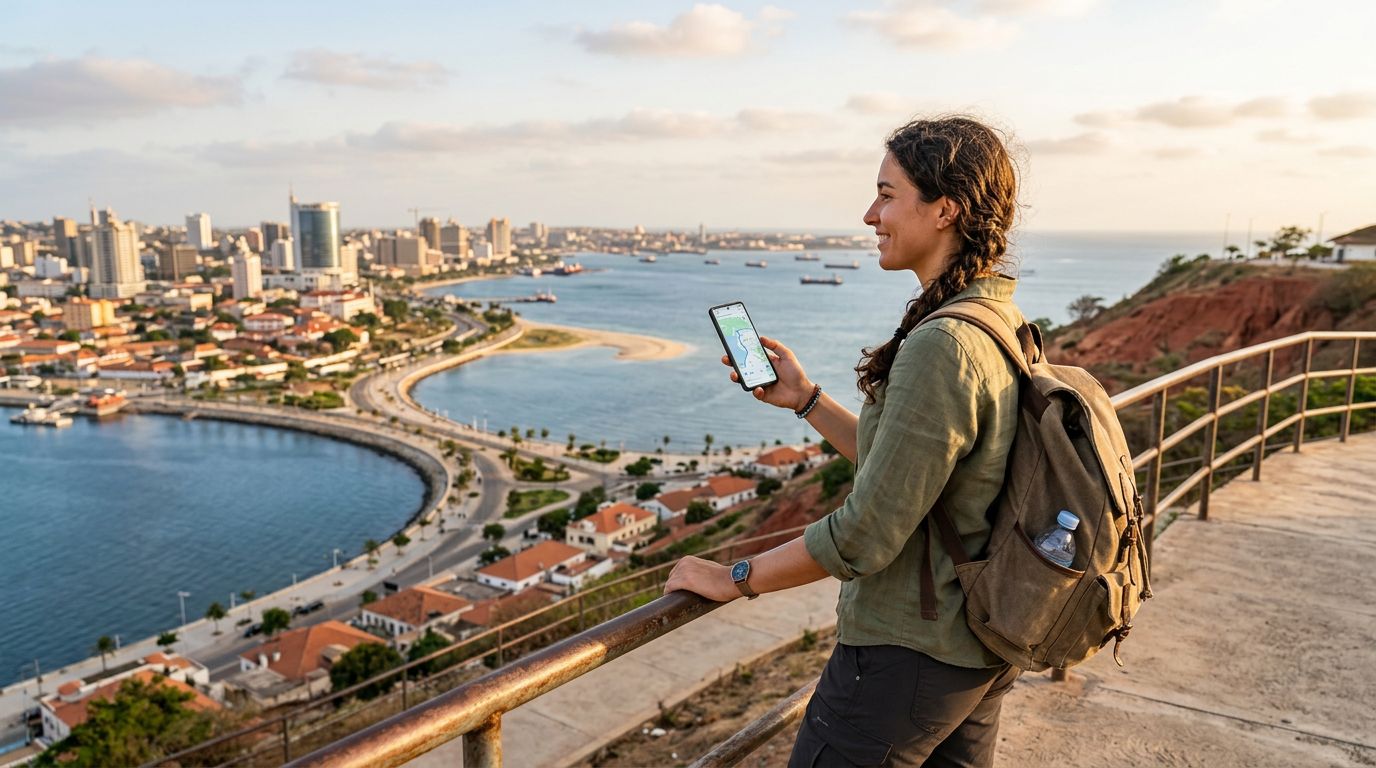
Once you have secured your data plan, optimizing your usage is the next step to ensuring a smooth experience. Angola’s mobile infrastructure is robust in major urban centers, but signal strength can fluctuate in rural areas or mountainous terrain. To get the most out of your data, it is wise to download offline maps for the specific regions you plan to visit. This ensures that even if you encounter a temporary dead zone, your navigation tools remain functional.
Battery management is another critical aspect of staying connected. Constant searching for a signal can drain your battery faster than usual. If you find yourself in an area with poor reception, toggling your phone into airplane mode for short periods or disabling background data for non-essential applications can help preserve your charge. Additionally, ensure that your phone’s software is updated, as manufacturers frequently release patches that improve modem performance and network compatibility.
If you are using an eSIM, remember that your primary line and your data line can often run simultaneously. This allows you to receive calls or SMS messages on your home number while using your eSIM for high-speed data. It is a common misconception that activating a data plan will disconnect you from your home network entirely. On the contrary, most modern devices allow you to designate which line handles your cellular data, giving you full control over your roaming settings.
When traveling in Angola, prioritize apps that are data-efficient. Many messaging platforms allow you to disable automatic media downloads, which can save a significant amount of data over the course of a trip. If you need to upload large files or back up photos, wait until you are connected to a stable Wi-Fi network to avoid exhausting your mobile data allowance.
Ultimately, the best way to get data in Angola depends on your comfort level with technology and your desire for convenience. For those who value efficiency, skipping the local retail queue and opting for a digital solution like OneTapSIM is the most effective strategy. It removes the friction of international travel, allowing you to focus on the sights, sounds, and culture of Angola rather than the logistics of staying online. By preparing your connectivity strategy in advance, you ensure that your trip is supported by the digital tools necessary for a modern, stress-free travel experience.
Get an eSIM for
Plans for the destinations covered in this guide, with instant QR delivery.