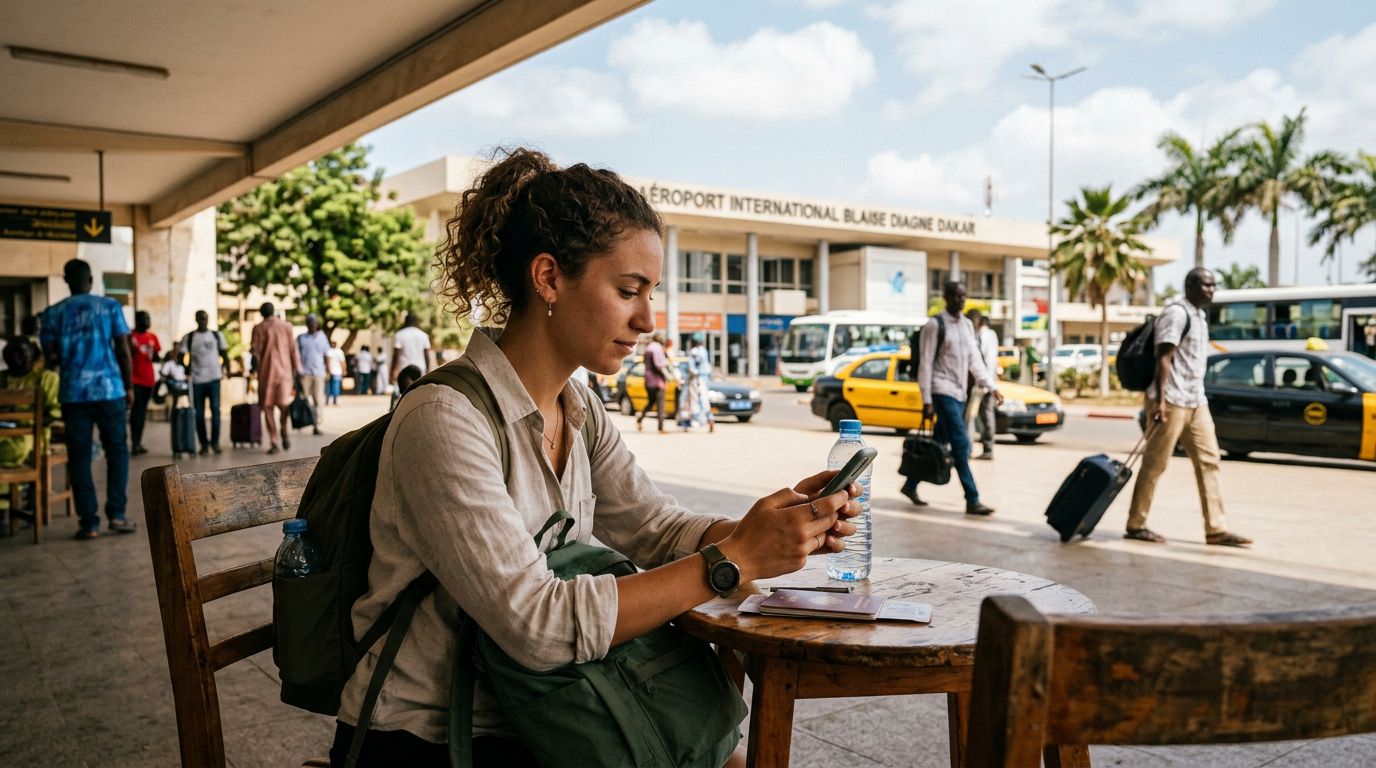
Djibouti is a land of dramatic contrasts, where volcanic landscapes meet the shimmering waters of the Red Sea and the Gulf of Aden. From the surreal salt flats of Lake Assal to the whale shark-filled waters of the Bay of Ghoubet, this small nation offers an adventure unlike any other in the Horn of Africa. However, for many travelers, the primary concern before arriving is how to maintain a reliable internet connection. Whether you need to navigate the winding roads, share your experiences with friends, or manage urgent work emails, knowing how to stay connected in Djibouti is essential for a smooth trip.
Understanding the Connectivity Landscape in Djibouti
Connectivity in Djibouti is centered primarily around the capital city, Djibouti City. As the urban hub, it offers the most consistent access to mobile networks and public Wi-Fi spots. If your journey takes you into the city, you will likely find that your smartphone functions reasonably well for standard tasks like messaging and checking maps. However, Djibouti is a country defined by its rugged, remote wilderness. Once you leave the capital to explore the interior—such as the geothermal fields of Lake Abbe or the volcanic craters near the northern border—the infrastructure changes significantly.
In these remote regions, traditional cellular towers are sparse. While major routes may have intermittent coverage, you should not expect high-speed data to be available in the deep desert or near the more isolated coastal spots. Many travelers rely on a mix of local solutions, but the logistics of acquiring a physical SIM card upon arrival can be time-consuming. Queuing at a provider’s office or searching for a shop that sells prepaid cards can eat into your limited vacation time. This is where modern alternatives like eSIM technology have changed the way travelers approach international connectivity. By setting up your data plan before your plane even touches down, you remove the stress of hunting for a physical shop in a foreign environment.
The Advantages of eSIM Technology for Djibouti Travel
An eSIM, or embedded SIM, is a digital version of the traditional plastic card that has been a staple of mobile travel for decades. Because it is built directly into the hardware of modern smartphones, you do not need to swap out your home SIM card or risk losing it while traveling. This is a significant advantage in a country like Djibouti, where you want to keep your primary number active for receiving potential emergency calls or verification codes from your bank, while simultaneously using a separate data plan for your local navigation and social media needs.
Using a service like OneTapSIM allows you to activate your data connection as soon as you land. The process is straightforward: you select the coverage area that includes Djibouti, receive a digital profile, and install it via your phone’s settings. This eliminates the need to provide identification documents or navigate language barriers at a local kiosk. Furthermore, because the eSIM is entirely digital, you can manage your data usage directly from your device. If you find yourself running low on data while exploring the desert, you can simply top up your plan through the service provider’s portal without needing to find a physical store.
Compatibility is generally high, as most flagship smartphones released within the last several years support eSIM functionality. Before traveling, it is wise to check your device’s settings to ensure it is carrier-unlocked. If your phone is locked to a specific network provider from your home country, it will not be able to accept an eSIM from another source. A quick check of your phone’s manufacturer support pages can confirm if your specific model is ready for this technology.
Practical Tips for Staying Connected in Remote Areas
Even with a reliable data plan, the geography of Djibouti presents unique challenges for maintaining a signal. The country features vast, open spaces and deep depressions that can affect signal propagation. To maximize your connectivity, keep these practical tips in mind.
First, prioritize offline preparation. Before heading out to remote sites like the Ardoukoba volcano or the rocky shores of the Seven Brothers Islands, download offline maps through your preferred navigation app. This ensures that even if your signal drops to zero, you can still find your way back to your camp or the main road. Most mapping services allow you to save large regions for offline use, which is an invaluable safety measure in a country with limited signage.
Second, be mindful of your data consumption. While you might be tempted to upload high-resolution videos or stream music while traversing the scenic landscape, these activities consume data rapidly and can be difficult to sustain in areas with lower signal strength. Save your heavy media usage for when you are back in your hotel or a well-connected cafe in Djibouti City. By using your data primarily for essential communication and navigation, you ensure that your connection remains stable throughout your entire journey.
Third, keep a portable power bank with you. Searching for a cellular signal consumes significantly more battery power than operating in an area with a strong, stable connection. Your phone will constantly work harder to ping towers when you are moving through the desert, which can drain your battery much faster than usual. Having a backup power source ensures that your phone stays alive, allowing you to maintain your connection and access your digital tools whenever you reach a spot with available service.
Finally, remember that patience is part of the experience. Djibouti is a destination that rewards those who can disconnect from the digital noise and immerse themselves in the raw, natural beauty of the landscape. While it is important to have a reliable way to stay connected for safety and convenience, embracing the moments where you are truly off the grid is often the highlight of a trip to this unique corner of the world. By planning ahead with a flexible data solution and preparing your device for the rugged terrain, you can enjoy the peace of mind that comes with being connected, while still leaving room for the unexpected wonders of Djibouti.
Get an eSIM for
Plans for the destinations covered in this guide, with instant QR delivery.