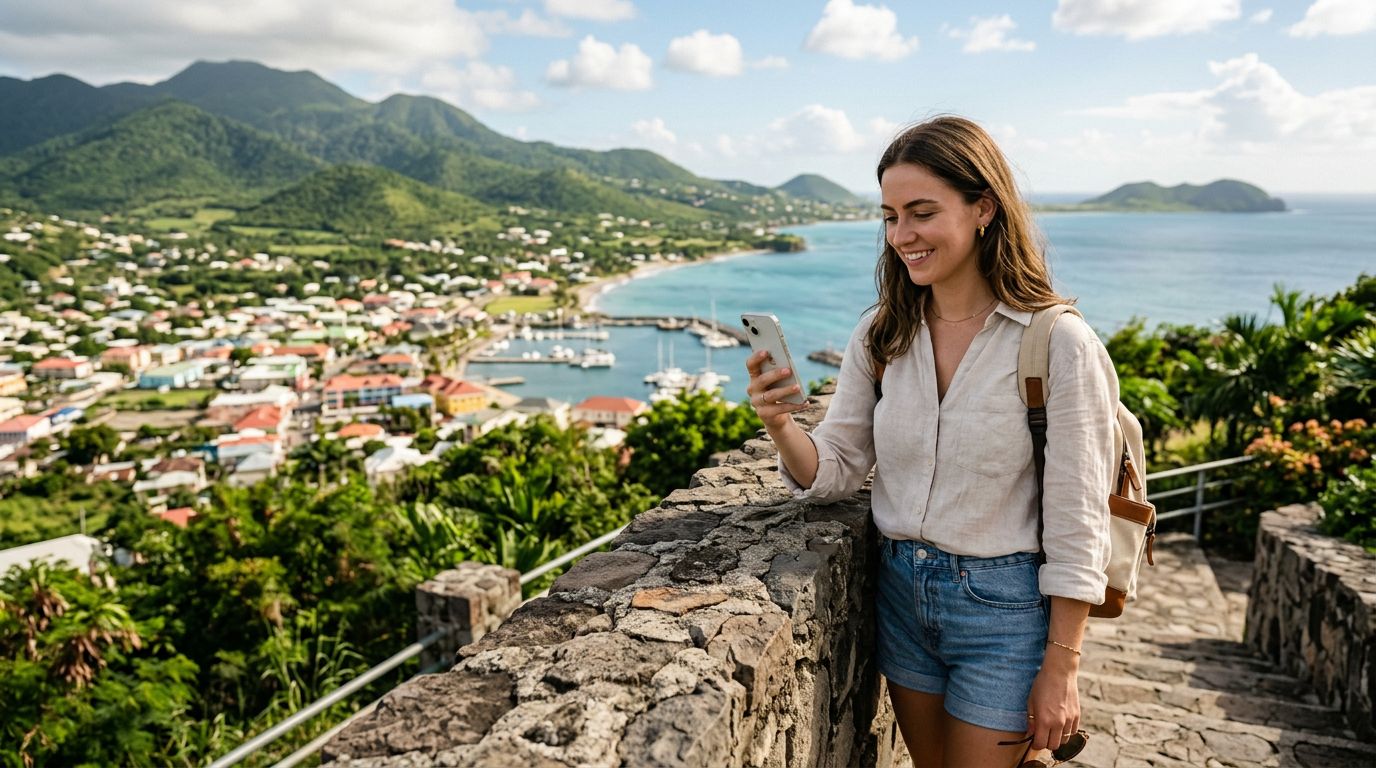
Understanding the Connectivity Landscape in Saint Kitts and Nevis
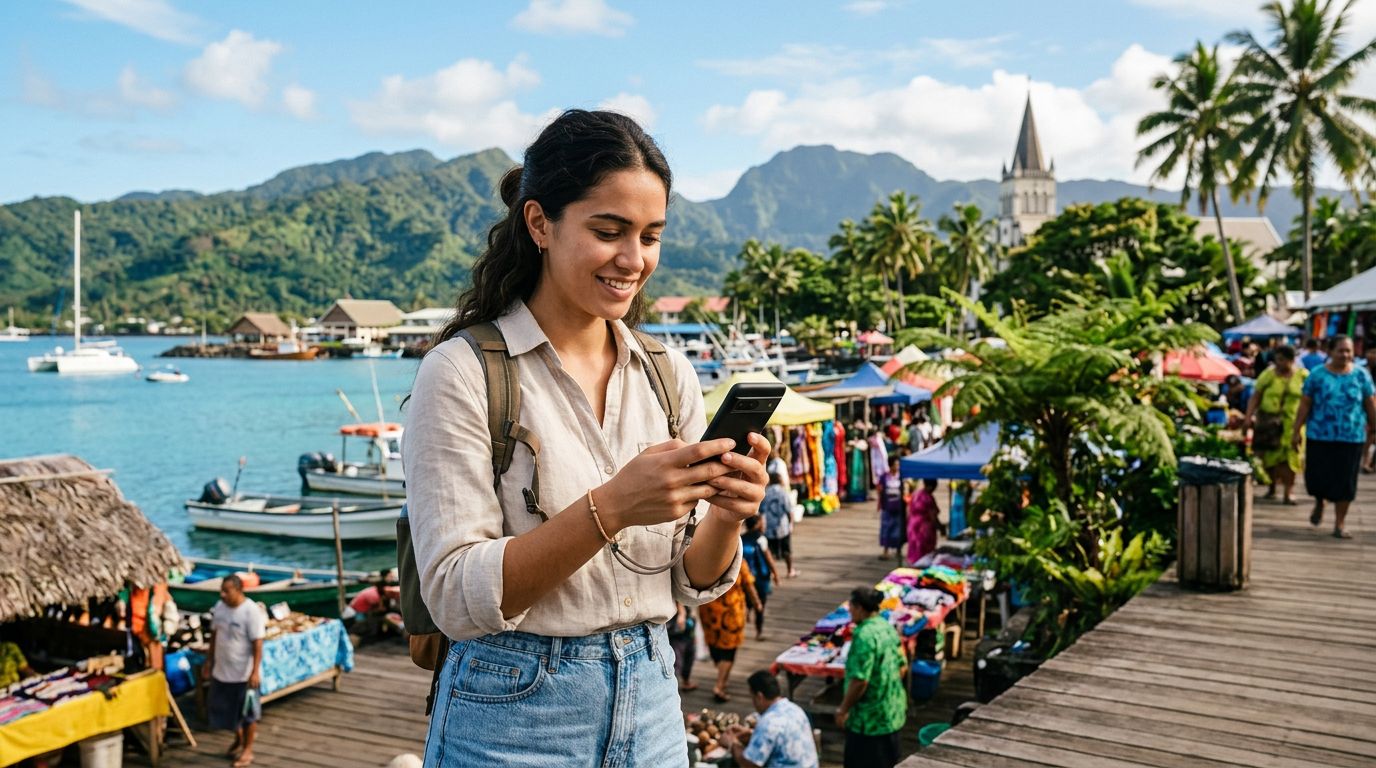
Planning a trip to the twin-island federation of Saint Kitts and Nevis is an exciting endeavor. Whether you are looking forward to hiking the lush trails of Mount Liamuiga, relaxing on the pristine beaches of Frigate Bay, or exploring the historic Brimstone Hill Fortress, staying connected is essential. You need reliable internet to look up ferry schedules, share photos of your adventures, and keep in touch with family back home. When considering your options for mobile data, you will likely compare traditional roaming against the convenience of a travel eSIM.
Traditional roaming involves using your home mobile carrier's network while abroad. While it is often the default option for many travelers, it is rarely the most efficient. When you roam, your home carrier partners with local providers in Saint Kitts and Nevis to route your data traffic back to your home country. This process can lead to significant latency and, more importantly, unpredictable billing. Many travelers return from their vacation only to find a hefty bill waiting for them because they underestimated how much data background apps consume.
On the other hand, a travel eSIM—or embedded SIM—is a digital alternative that allows you to connect to local networks without needing a physical plastic card. Since your device already has the hardware to support this technology, you can activate a data plan directly through an app. This approach treats your data usage as a local service, which is generally more stable and transparent. For a destination like Saint Kitts and Nevis, where reliable infrastructure is vital for travelers moving between two islands, having a dedicated data solution is a significant advantage.
Comparing Roaming and eSIM Performance
When choosing between roaming and an eSIM for Saint Kitts and Nevis, the primary concern for most travelers is the quality of the connection. Roaming can sometimes be hit-or-miss. Because your phone is essentially "guesting" on a local network through a complex routing process, you might experience throttled speeds or difficulty connecting to certain services. If your home carrier does not have a strong partnership with the local providers on the islands, your signal strength may suffer, leaving you without maps or communication when you need them most.
An eSIM offers a more direct path to connectivity. By using a service like OneTapSIM, you are essentially purchasing a digital profile that connects your device directly to the local network infrastructure. This bypasses the middleman routing that characterizes traditional roaming. Because the data is handled locally, you often experience faster speeds and a more consistent connection, even when traveling between the more developed areas of Saint Kitts and the quieter, more secluded spots on Nevis.
Another factor to consider is the ease of management. With traditional roaming, you are often at the mercy of your home carrier's settings. Sometimes, roaming does not activate automatically, or you might find yourself accidentally incurring charges by connecting to a network you didn't intend to use. With an eSIM, you have total control. You can install your data plan before you even leave home, and it will only activate once you land and connect to the local network. This "set it and forget it" functionality is ideal for travelers who want to focus on their vacation rather than troubleshooting their phone settings.
Practical Advantages of Using an eSIM for Your Caribbean Getaway
Beyond the technical performance, the practical benefits of using an eSIM for Saint Kitts and Nevis are substantial. One of the most significant advantages is the ability to keep your primary SIM card active. Many travelers worry that by switching to a local SIM, they will lose access to their home phone number. With an eSIM, you can keep your home SIM active for calls and SMS while using your eSIM specifically for data. This means you can still receive important two-factor authentication codes or urgent calls from home while enjoying seamless, high-speed data for your navigation and social media needs.
Furthermore, the installation process for an eSIM is remarkably straightforward. Once you have confirmed that your device is compatible, you simply download the profile and follow the prompts to activate it. There is no need to visit a local store upon arrival, wait in line, or deal with the language barriers that can sometimes occur when trying to purchase a physical prepaid SIM card in a foreign country. You land at Robert L. Bradshaw International Airport, turn off your roaming, enable your eSIM, and you are ready to explore.
Security is another often-overlooked benefit. Connecting to public Wi-Fi networks at cafes, hotels, or airports in Saint Kitts and Nevis can expose your personal information to potential risks. By relying on your own private eSIM data plan, you minimize the need to hunt for insecure public hotspots. You maintain a secure, private connection throughout your entire trip.
If you are concerned about data usage, the OneTapSIM platform provides a clear way to manage your consumption. You can monitor how much data you have used throughout your trip, ensuring you don't run out of connectivity while exploring the remote corners of the islands. This level of transparency is rarely available with traditional roaming, where you are often left guessing about your usage until the bill arrives.
Ultimately, the choice comes down to convenience, control, and reliability. For a trip to Saint Kitts and Nevis, where the pace of life is meant to be relaxed and stress-free, the last thing you want is a connectivity headache. By opting for an eSIM, you ensure that your digital experience is as smooth as the Caribbean breeze. Whether you are navigating the narrow streets of Basseterre or relaxing on a beach in Nevis, having a reliable, independent data source allows you to move freely and confidently throughout your journey. Embracing this modern technology means you can spend less time managing your phone and more time soaking in the beauty of the islands.