Understanding Your Connectivity Options in Portugal
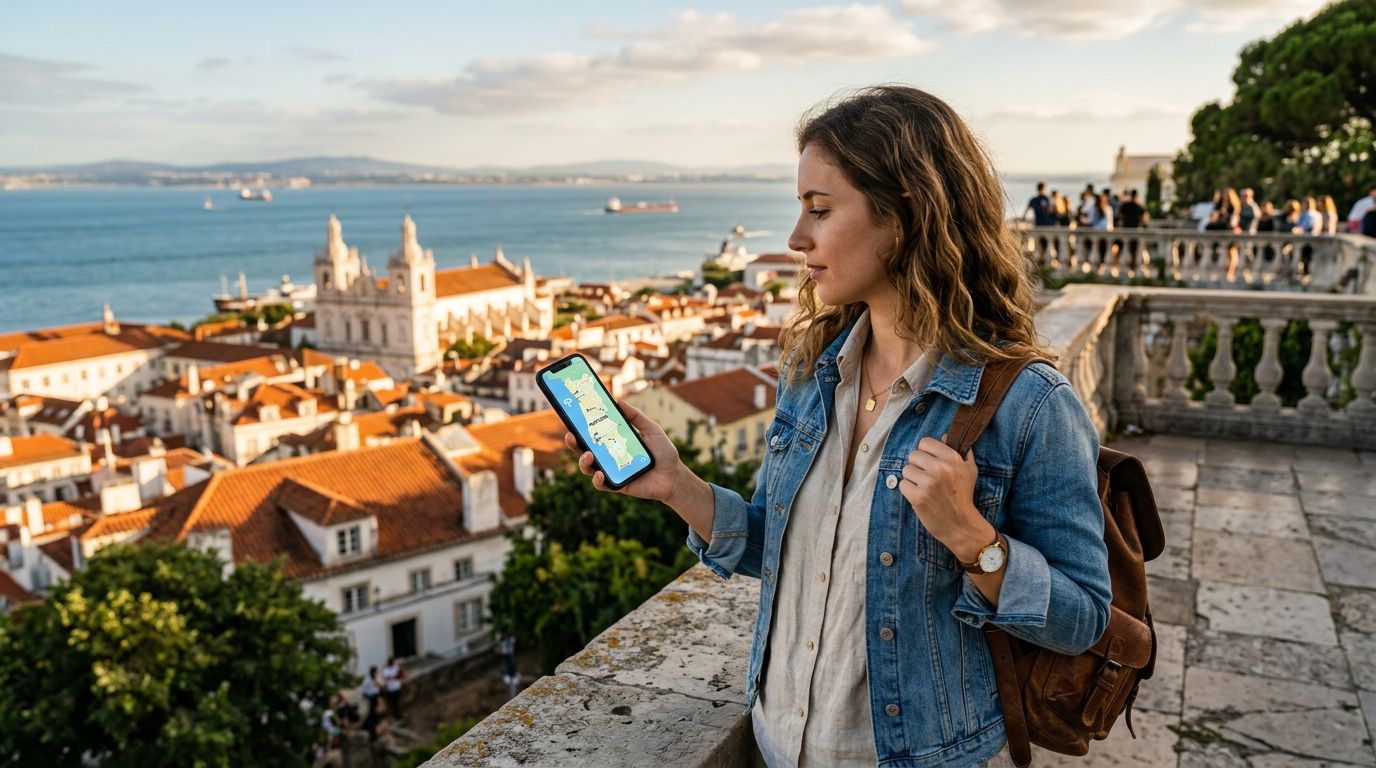
Planning a trip to Portugal involves balancing many logistics, from booking charming guesthouses in Lisbon to mapping out the best routes through the Douro Valley. One of the most critical aspects of your travel preparation is ensuring you have reliable internet access. Whether you need to use GPS to find hidden gems in Porto, translate menus in local taverns, or share photos of the Algarve coastline with friends and family, staying connected is essential.
When considering your options, you will likely encounter two primary methods: traditional international roaming through your home carrier and the modern alternative, the travel eSIM. Many travelers default to roaming because it feels familiar, but it is rarely the most efficient or cost-effective choice. Understanding the fundamental differences between these two technologies is the first step toward a stress-free vacation.
International roaming allows your phone to connect to local Portuguese networks by piggybacking on the agreements your home provider has established abroad. While this is convenient because you keep your existing phone number, it often comes with significant limitations. You are at the mercy of your home carrier’s international policies, which can be restrictive, slow, or subject to unexpected service interruptions.
An eSIM, or embedded SIM, is a digital version of a physical SIM card. It is built directly into the hardware of modern smartphones. Instead of swapping out a tiny plastic chip, you simply download a digital profile that allows your device to connect directly to local networks in Portugal. This approach treats your phone as if it were a local device, providing a more stable and often faster connection than roaming.
The Pros and Cons of Traditional Roaming
The primary appeal of roaming is simplicity. You do not have to change any settings or install new software; your phone automatically searches for a signal as soon as you land at Lisbon Portela Airport. For some travelers, this "plug-and-play" experience is worth the potential downsides. You remain reachable on your primary phone number, meaning you will receive any incoming calls or text messages from home without needing to configure call forwarding or secondary apps.
However, the drawbacks of roaming are substantial. The most significant issue is the lack of transparency regarding network quality. When you roam, your data traffic is often routed back through your home country’s servers before reaching the internet. This "tromboning" effect can lead to noticeable latency, making web pages load slowly and video calls stutter. Furthermore, if your home carrier does not have a strong partnership with the major Portuguese networks, you may find yourself stuck with a weak signal in rural areas or inside historic stone buildings where connectivity is already challenging.
Another concern with roaming is the lack of control. Many carriers automatically trigger an international daily pass the moment you use a small amount of data. This can be frustrating if you intended to rely primarily on hotel Wi-Fi but accidentally triggered a charge by checking a single email. You are essentially locked into your home provider's ecosystem, with little recourse if the service quality is subpar during your stay.
Why eSIMs Are the Preferred Choice for Portugal
The shift toward eSIM technology has transformed how people travel. By choosing a service like OneTapSIM, you gain access to local network infrastructure, which typically results in superior speeds and more reliable coverage throughout Portugal. Because the connection is local, you avoid the latency issues associated with routing data through your home country.
One of the greatest advantages of using an eSIM is the ability to manage your data usage proactively. With a travel eSIM, you select a specific data package tailored to the duration and intensity of your trip. You know exactly what you are getting, and there is no risk of hidden fees or automatic charges that appear on your monthly statement after you return home. This level of predictability is invaluable when you are trying to stick to a travel budget.
Installation is straightforward. Most modern devices support eSIM functionality, and the process generally involves scanning a QR code or entering details provided by your eSIM carrier. Once activated, you can keep your primary SIM card active for calls if necessary, while designating your eSIM as the primary source for mobile data. This dual-SIM capability allows you to maintain your home number for emergencies while enjoying the high-speed benefits of a local connection.
Furthermore, an eSIM allows you to prepare before you even leave your home country. You can purchase and install your Portugal data plan days in advance. As soon as your plane touches down in Portugal, your phone will connect to the local network instantly. This eliminates the stress of searching for a physical SIM card kiosk at the airport or struggling to find a Wi-Fi connection to set up your service while you are tired from a long flight.
Whether you are exploring the steep streets of Alfama or relaxing on a beach in Lagos, having a reliable connection is key to a smooth experience. By opting for an eSIM, you ensure that your device is optimized for the local environment. You get the performance of a local user with the convenience of a digital service, allowing you to focus on the sights, sounds, and tastes of Portugal rather than troubleshooting your phone’s connectivity. For most modern travelers, the flexibility, speed, and reliability of an eSIM make it the clear winner when comparing roaming vs eSIM for a Portugal vacation.
Get an eSIM for
Plans for the destinations covered in this guide, with instant QR delivery.