Understanding Your Connectivity Options in India
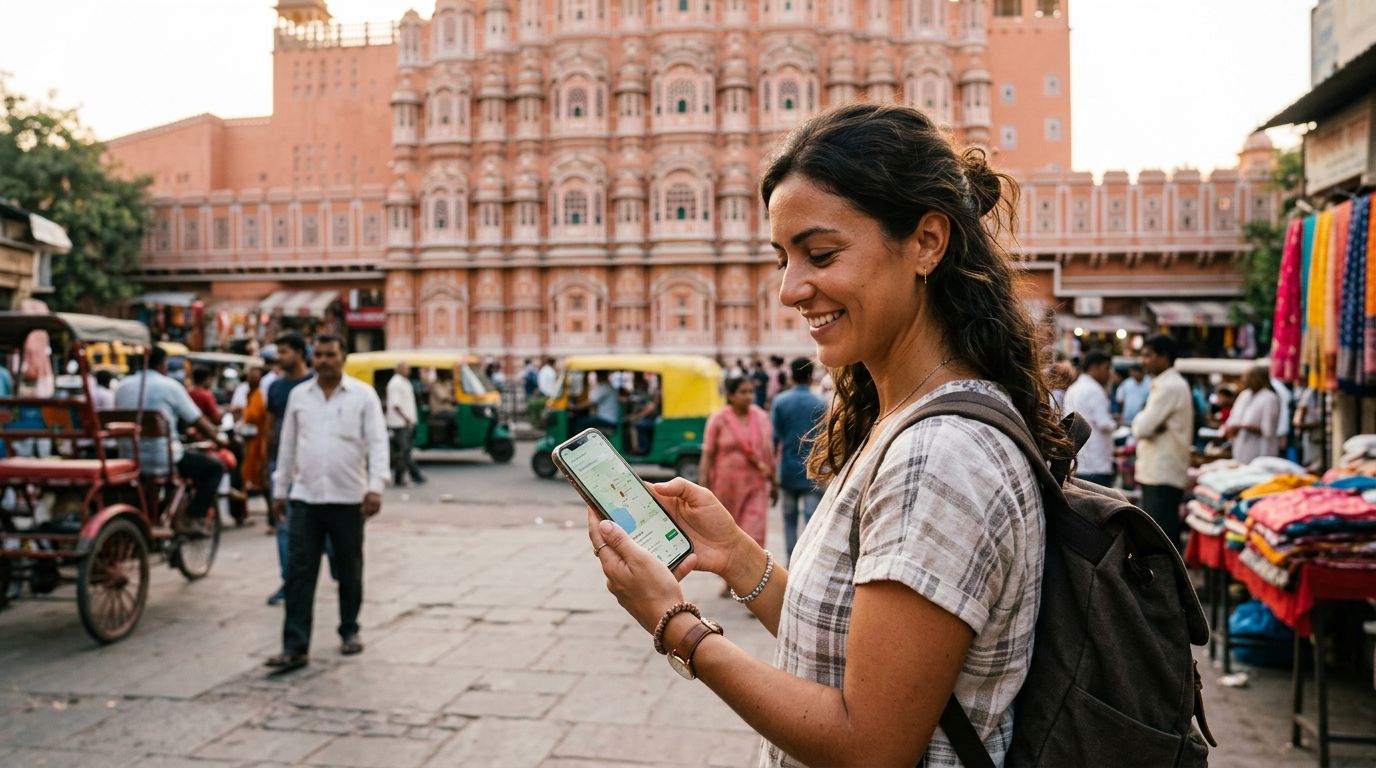
Planning a trip to India is an exciting endeavor that involves mapping out itineraries, arranging visas, and packing for diverse climates. Amidst these logistics, one question often rises to the top: how will you stay connected? Whether you need to use ride-sharing apps, access maps while wandering through bustling markets, or keep in touch with family back home, reliable internet is essential.
When comparing roaming vs eSIM for India vacation planning, you are essentially choosing between convenience, cost-efficiency, and technical flexibility. Traditional international roaming involves using your home carrier’s network while abroad. While it is undeniably easy—since you simply land and turn on your phone—it often comes with significant drawbacks. Many home carriers partner with specific local providers, which might not offer the best coverage in remote areas or high-traffic urban centers. Furthermore, roaming charges can be unpredictable, often leading to "bill shock" upon your return.
On the other hand, an eSIM (embedded SIM) is a digital alternative to the physical plastic card you are likely used to. Because it is built directly into the hardware of modern smartphones, you can download a data plan specifically for India before you even board your flight. This allows you to bypass your home carrier’s roaming infrastructure entirely, connecting directly to local networks at local-style rates.
The Technical Edge: Why eSIMs Are Changing Travel
The shift toward eSIM technology has been driven by the need for a more seamless travel experience. If you own a modern smartphone, your device is likely already equipped with an eSIM chip. This hardware allows you to store multiple profiles simultaneously. For your trip to India, this means you can keep your primary number active for incoming SMS (such as two-factor authentication codes for your bank) while using a secondary eSIM profile for all your data needs.
One of the primary advantages of this approach is the ability to manage your connectivity independently. With traditional roaming, you are at the mercy of your home provider’s settings and policies. With a provider like OneTapSIM, you gain transparency and control. You can select a data package tailored to the duration of your stay, ensuring you have enough bandwidth for video calls, navigation, and social media without worrying about hidden fees or throttling.
Setting up an eSIM is straightforward. Once you purchase a plan, you receive a digital installation method—usually a QR code or a manual activation string—that configures your phone to recognize the new network. This process happens entirely online, meaning you do not need to hunt for a physical kiosk at the airport or deal with the bureaucratic process of registering a local physical SIM card in India, which can often be time-consuming and require extensive documentation.
Practical Considerations for India
India presents a unique environment for mobile connectivity. In major cities like Delhi, Mumbai, or Bengaluru, 4G and 5G coverage is generally excellent. However, as you venture into rural regions, mountain areas, or historical sites, signal strength can fluctuate. This is where the choice of network matters.
When you use your home carrier’s roaming, you are typically locked into their specific roaming agreements. If their partner network has poor coverage in a specific region, you have no recourse. By opting for an eSIM, you are often granted access to top-tier local infrastructure. Services like OneTapSIM work to provide reliable connectivity by leveraging robust local networks, ensuring that you stay online even when moving between states or exploring off-the-beaten-path destinations.
Another factor to consider is the ease of use. Physical SIM cards in India often require you to visit a store, present your passport, provide photos, and wait for activation, which can take several hours or even days. An eSIM eliminates this friction. You can activate your connection the moment you step off the plane, allowing you to book a cab or check your hotel address immediately.
Battery life is another often-overlooked aspect. Constant searching for a signal, which happens when a phone is roaming on an incompatible or weak network, can drain your battery significantly faster than a stable, native connection. By using an eSIM that connects efficiently to the local network, you may find that your phone lasts longer throughout the day, which is vital when you are out exploring for long hours.
Making the Final Decision
When weighing roaming vs eSIM for India vacation requirements, the decision usually comes down to your personal comfort with technology and your desire for cost predictability. If you prefer a "set it and forget it" approach and are not concerned about the potential costs associated with roaming, your home carrier might suffice. However, if you want a reliable, cost-effective, and modern solution that keeps you connected without the stress of unexpected charges, an eSIM is the superior choice.
The transition to eSIM technology is not just a trend; it is a fundamental shift in how travelers manage their digital lives abroad. By preparing your connectivity in advance, you remove one of the biggest sources of travel anxiety. You gain the freedom to explore India with the confidence that you can reach your maps, your ride-share apps, and your loved ones whenever you need to.
As you finalize your travel plans, take a moment to verify that your device is unlocked and compatible with eSIM technology. Most flagship phones released in the last few years support this feature. Once confirmed, choosing a dedicated travel data service allows you to focus on the sights, sounds, and experiences of your trip rather than the logistics of staying online. Whether you are navigating the chaotic beauty of a city center or finding peace in a rural landscape, having a reliable connection provided by a service like OneTapSIM ensures that your digital bridge to the rest of the world remains strong throughout your Indian adventure.
Get an eSIM for
Plans for the destinations covered in this guide, with instant QR delivery.