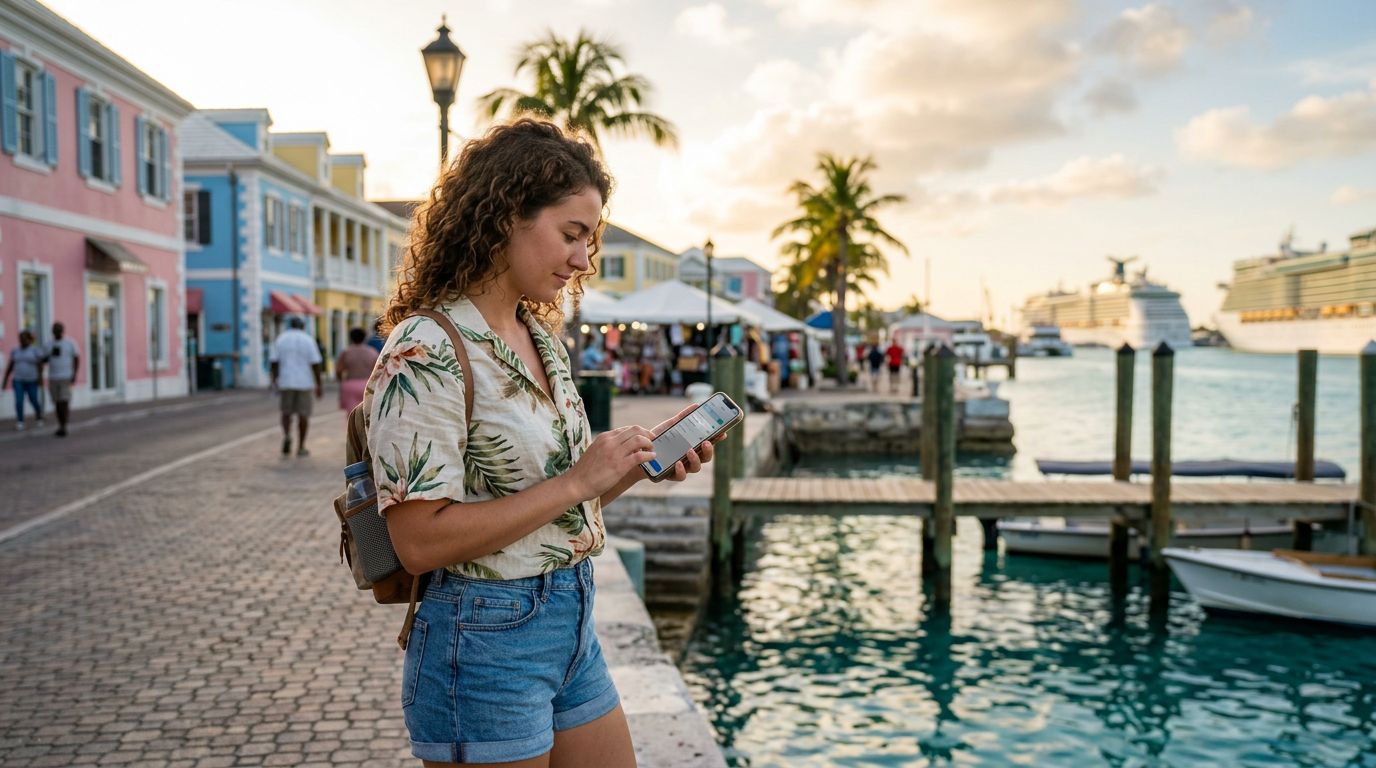
Understanding the Connectivity Landscape in the Bahamas
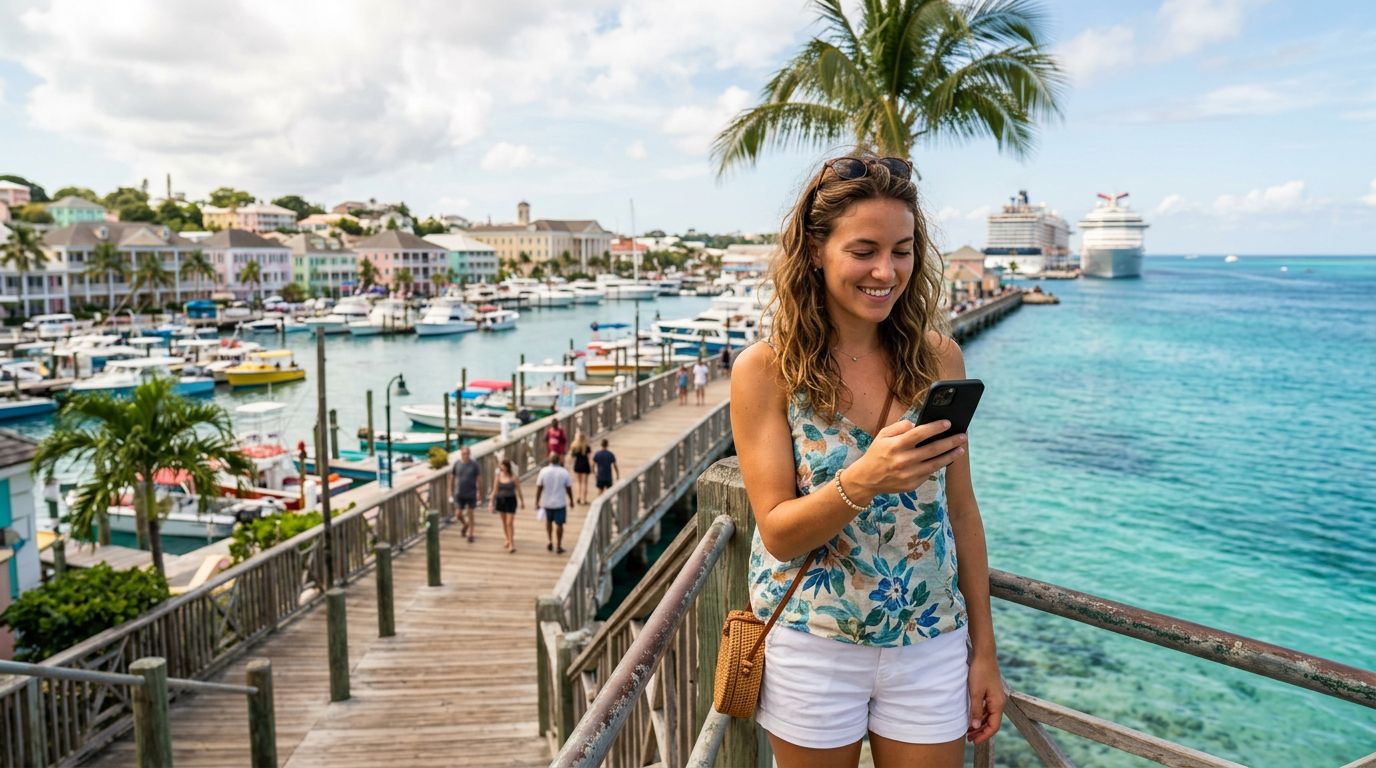
Planning a trip to the Bahamas involves more than just packing swimwear and sunscreen; it requires a strategy for staying connected. Whether you are hopping between the islands of the Exumas or relaxing on the shores of Nassau, having a reliable internet connection is essential for maps, translation, restaurant reservations, and sharing photos with family back home. When evaluating your options, the debate between traditional roaming and modern eSIM technology is a primary consideration for every traveler.
Traditional roaming involves using your home carrier’s network to access international towers. While this is often the default setting on most mobile devices, it comes with significant logistical and technical hurdles. Many domestic carriers treat the Bahamas as a high-cost roaming zone. Even if your carrier offers an international plan, these are often restrictive, prone to throttling, or require complex activation processes that can be difficult to manage once you have landed at the airport.
Conversely, an eSIM, or embedded SIM, is a digital version of a physical SIM card. It is built directly into the hardware of modern smartphones. By choosing an eSIM, you are essentially purchasing a temporary data plan from a local or regional provider without the need to swap out physical cards or visit a kiosk. This technology allows you to maintain your home number for essential calls while offloading your heavy data usage to a dedicated travel plan. Understanding the difference between these two methods is the first step toward a stress-free Caribbean getaway.
Comparing Roaming vs eSIM for Bahamas Vacation
When comparing roaming vs eSIM for Bahamas vacation planning, the differences become clear in terms of flexibility, control, and performance. Traditional roaming is often an "all-or-nothing" approach. When you enable roaming on your device, you are subject to the policies, network agreements, and potential hidden fees of your home carrier. You have very little control over which local network you connect to, and if your carrier does not have a strong partnership with local Bahamian providers, you may find yourself with a weak signal even in popular tourist areas.
An eSIM provides a different experience. Because you are selecting a specific data package designed for the region, you often get access to the best available local networks. OneTapSIM offers a streamlined way to get connected by providing data-only plans that bypass the need for expensive carrier roaming packages. With an eSIM, you are not relying on your home carrier’s potentially outdated network agreements. Instead, you are utilizing a direct connection that is optimized for data throughput.
Another factor to consider is the ease of management. With traditional roaming, you might accidentally incur charges if you forget to turn off data roaming or if your carrier's "international day pass" triggers unexpectedly. With an eSIM, the plan is prepaid and self-contained. Once the data is consumed or the time limit expires, the connection simply stops. There is no risk of returning home to a massive, unexpected bill. This level of transparency is a significant advantage for travelers who want to budget their trip effectively without worrying about hidden costs surfacing weeks later.
Why Travelers Choose eSIMs for Caribbean Travel
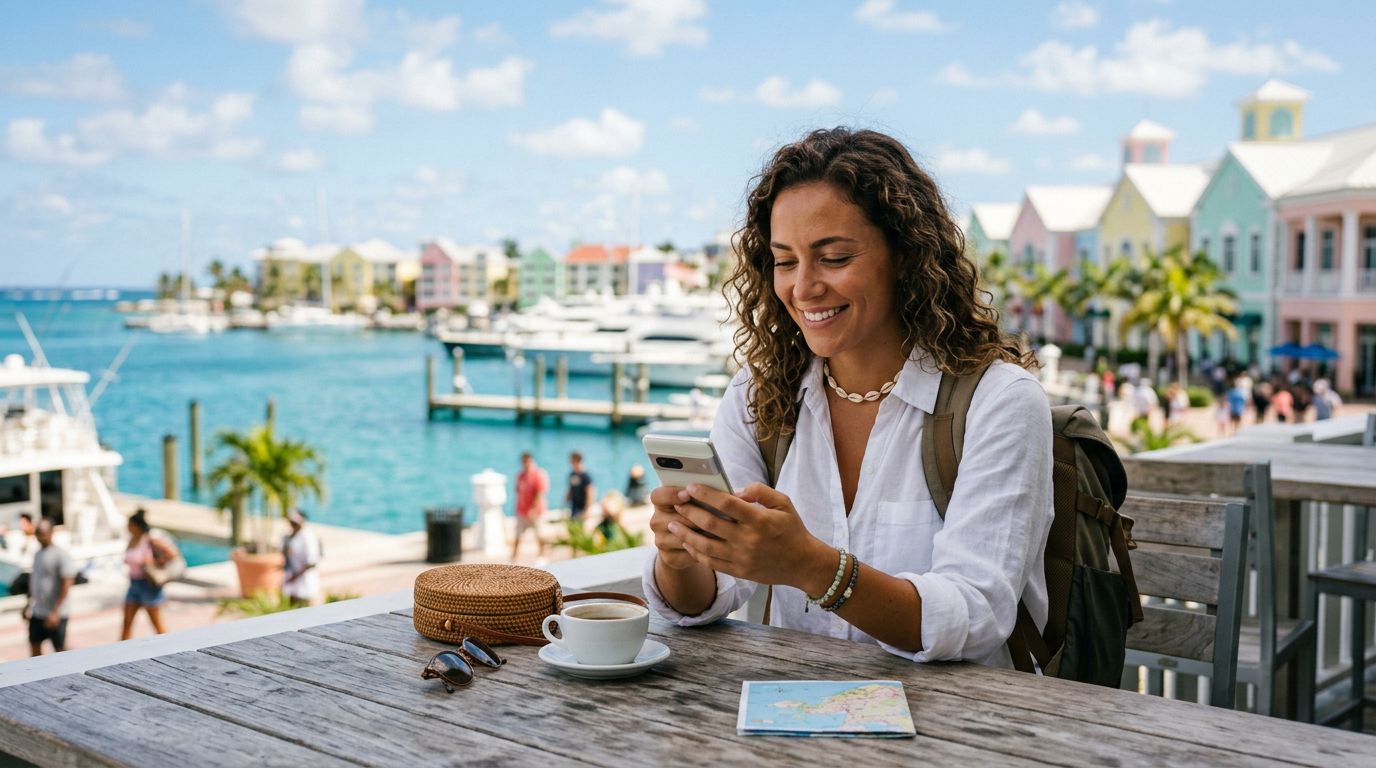
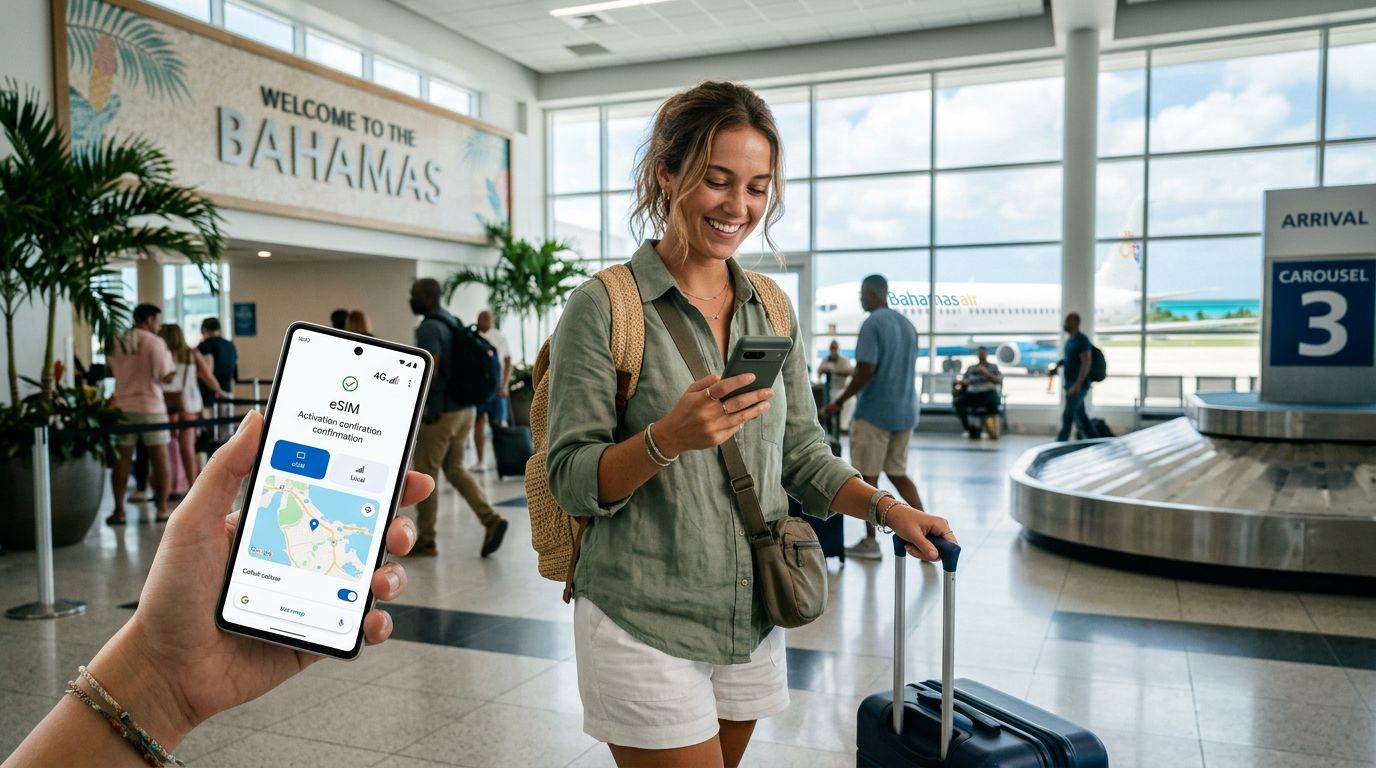
The shift toward eSIM technology is particularly noticeable in the travel industry because of the sheer convenience it offers. For a Bahamas vacation, where you might be moving between resorts, boats, and city centers, you need a solution that works immediately upon arrival. With an eSIM, you can install your plan before you even leave your house. As soon as your plane touches down in Nassau or Freeport, you can toggle your eSIM on, and your phone will automatically connect to a local network.
This eliminates the need to stand in line at a mobile store in the airport, where you might struggle with language barriers or the physical installation of a local SIM card. Furthermore, many modern devices allow you to keep your primary SIM active alongside your eSIM. This means you can still receive important SMS messages or calls to your primary number—such as bank alerts or flight updates—while using your eSIM for all your data needs, such as GPS navigation, social media, and web browsing.
OneTapSIM simplifies this process by providing clear instructions on how to manage your device settings to ensure you are using the correct data source. By keeping your primary line on "Voice Only" or "Off" for data, you ensure that you are never accidentally using your home carrier’s expensive roaming data. This configuration is the gold standard for modern travel.
Beyond the technical benefits, there is the matter of environmental impact and hardware safety. Physical SIM cards are small, easy to lose, and require you to carry a specialized tool to open your phone’s tray. In a humid, sandy environment like the Bahamas, opening your phone’s SIM tray is an unnecessary risk. You could easily drop the tiny card in the sand or allow moisture into the device. An eSIM removes these physical risks entirely.
Ultimately, the choice between roaming and an eSIM comes down to how much you value your time and peace of mind. While roaming might be the path of least resistance for those who do not want to change any settings, it is rarely the most efficient or cost-effective choice. By taking a few minutes to set up an eSIM before your trip, you ensure that your connectivity is robust, predictable, and fully under your control. Whether you are planning to spend your days on a boat or exploring the historic sites of the capital, having a dedicated data plan ensures that your digital experience is just as smooth as your vacation.
Get an eSIM for
Plans for the destinations covered in this guide, with instant QR delivery.